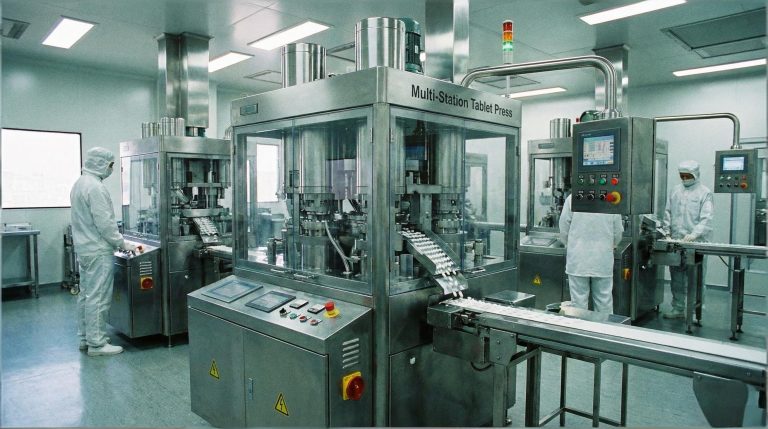

Top 10 Hot Air Circulation Oven Manufacturers You Need to Know in 2026
🔬 Introduction
What is a Hot Air Circulation Oven?
Hot air circulation ovens represent a cornerstone technology in modern industrial and laboratory applications. They utilize a systematic process of heated air distribution through precisely engineered fan systems to achieve uniform temperature control throughout the chamber.
Core Working Principle:
- Forced convection technology
- Motorized blowers continuously circulate heated air
- Eliminates cold spots
- Ensures consistent heat distribution across all materials
🏭 Industry Importance
Hot air circulation ovens play an indispensable role across multiple sectors:
| Industry | Primary Applications | Key Requirements |
|---|---|---|
| Pharmaceutical | Sterilization, API drying, tablet coating | Strict temperature control, GMP compliance |
| Food Processing | Dehydration, baking, preservation | Temperature uniformity, safety standards |
| Chemical | Polymer curing, catalyst activation, material testing | Temperature consistency, corrosion resistance |
📊 Market Overview
| Metric | Value |
|---|---|
| Market Size (2033) | USD 2.5 Billion |
| CAGR | 8.5% |
| Current Market (2024) | USD 1.2 Billion |
This comprehensive guide introduces you to the top 10 global manufacturers who are setting industry standards through innovation, reliability, and technological advancement.
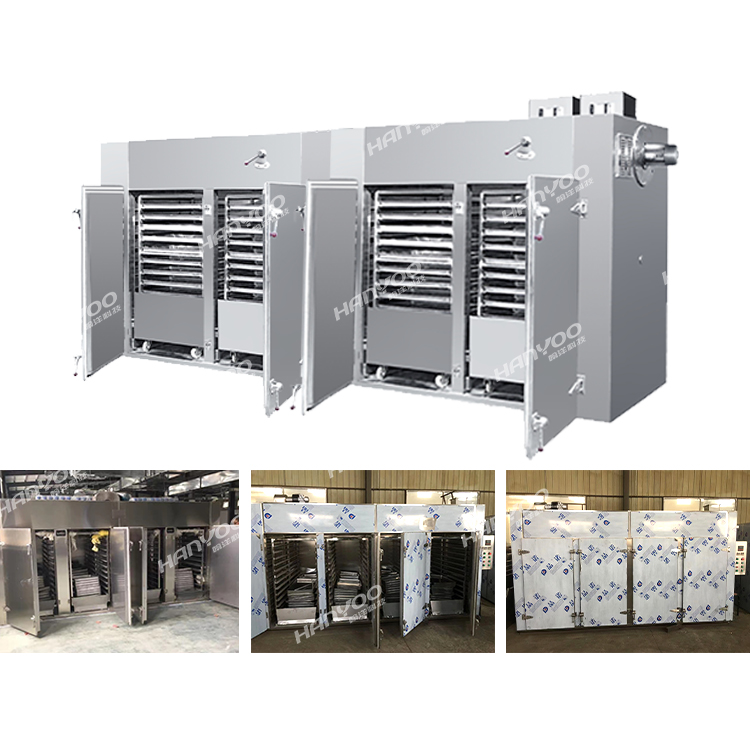
🏆 Top 10 Hot Air Circulation Oven Manufacturers
1. 🇺🇸 Thermo Fisher Scientific (USA)
Company Profile:
- Website: thermofisher.com
- Employees: 80,000+ worldwide
- Key Brands: Thermo Scientific, Applied Biosystems, Invitrogen
Core Advantages
✅ Industry Leadership
- Global powerhouse in scientific instrumentation
- Premier provider of laboratory equipment
✅ Technology Excellence
- Advanced horizontal airflow systems
- Superior temperature uniformity
- Rapid heat recovery capability
🔧 Product Highlights
| Series | Key Features | Best For |
|---|---|---|
| Heratherm Advanced Protocol | Multi-step programming, automated cycles | High-throughput pharmaceutical labs |
| Vacuum Oven Line | Reduced atmosphere control | Moisture-sensitive materials |
| Gravity Convection | Natural airflow patterns | Delicate samples |
Temperature Performance:
- Range: Ambient to 250°C
- Uniformity: ±0.3°C
2. 🇩🇪 Memmert GmbH (Germany)
Company Profile:
- Website: memmert.com
- Heritage: Family-owned German engineering excellence
- Specialization: Precision temperature control equipment
Core Advantages
✅ Unparalleled Precision
- Temperature uniformity: ±0.5°C
- Natural and forced convection options
- Up to 300°C operating range
✅ Pharmaceutical Grade
- FDA-compliant documentation
- IQ/OQ qualification support
- 21 CFR Part 11 compliant data logging
🔧 Product Series
U Series (Universal Oven):
- Natural convection
- 9 chamber sizes: 29L to 1060L
- Temperature range: Up to 300°C
UF Series (Forced Circulation):
- Variable-speed fan control (10% increments)
- Twin-fan technology in larger models
- Eliminates temperature stratification
Key Innovation:
- Digital data logging for regulated industries
- Computer control systems
- Automation capabilities
3. 🇩🇪 BINDER GmbH (Germany)
Company Profile:
- Website: binder-world.com
- Experience: 40+ years of innovation
- Certification: ISO 9001:2008
Core Advantages
✅ Avantgarde Technology
- Patented APT.line™ preheating chamber
- Reduced temperature recovery time
- Exceptional energy efficiency
✅ Safety & Compliance
- Independent temperature monitoring
- Optical and acoustic alarms
- Automatic shutdown protection
🔧 Technical Specifications
| Feature | Specification |
|---|---|
| Temperature Range | 5°C above ambient to 300°C |
| Uniformity | ±2°C at maximum temperature |
| Fan Control | Variable-speed |
| Connectivity | Ethernet-enabled (Industry 4.0) |
Safety Features:
- Over-temperature protection
- Door interlocks
- Redundant monitoring systems
4. 🇺🇸 Wisconsin Oven Corporation (USA)
Company Profile:
- Website: wisoven.com
- Founded: 1973
- Expertise: 40+ years in thermal processing
Core Advantages
✅ Custom Engineering
- Application-specific designs
- Specialized airflow patterns
- Material-compatible construction
✅ Industrial Scale
- Batch ovens: Up to several thousand cubic feet
- Conveyor systems for continuous processing
- Class A electrical classification available
🔧 Product Configurations
Batch Ovens:
- Capacities: Up to 13,000+ liters
- Temperature: Up to 650°F (343°C)
- Custom airflow designs
Conveyor Systems:
- Continuous processing capability
- Multi-zone temperature control
- High-volume production
Specialized Options:
- Explosion-proof construction (Class I, Division 1)
- Clean room-compatible (ISO Class 7)
- Comprehensive thermal profiling services
5. 🇬🇧🇩🇪 Carbolite Gero (UK/Germany)
Company Profile:
- Website: carbolite.com
- Heritage: Combined UK and German expertise
- Specialty: High-temperature technology up to 3000°C
Core Advantages
✅ Extreme Temperature Capability
- Vacuum and controlled atmosphere processing
- High-temperature furnace expertise
- Specialized material compatibility
✅ Pharmaceutical Solutions
- FDA-compliant designs
- Comprehensive validation support
- GMP documentation packages
🔧 Product Portfolio
| Series | Capacity | Applications |
|---|---|---|
| LGP (Large General Purpose) | 13,000+ liters | Automotive, aerospace, heavy manufacturing |
| Pharmaceutical Line | Various | Medical device, API processing |
| Clean Process Ovens | Custom | HEPA-filtered environments |
Advanced Control:
- Multi-segment programming (up to 40 steps)
- Ramping control: 0.1°C per minute
- Comprehensive data logging
6. 🇯🇵 Yamato Scientific (Japan)
Company Profile:
- Website: yamato-scientific.com
- Founded: 1889
- Legacy: 135+ years of innovation
Core Advantages
✅ Japanese Quality Principles
- Traditional craftsmanship
- Cutting-edge technology
- Exceptional reliability
✅ Comprehensive Range
- 27L benchtop to 535L industrial units
- Natural and forced convection
- Specialized atmosphere control
🔧 Product Series Comparison
| Series | Type | Capacity | Uniformity | Best For |
|---|---|---|---|---|
| DKN | Forced Convection | 90-535L | ±1.5°C | General laboratory |
| DX | Natural Convection | 28-174L | ±1.0°C | Delicate samples |
| Fine Oven | HEPA-Filtered | Various | ±1.0°C | Pharmaceutical/electronics |
| Inert Oven | Atmosphere Control | Various | ±1.5°C | Reactive materials |
Innovation Highlights:
- Adjustable air velocity
- Quiet, vibration-free operation
- Nitrogen/argon atmosphere capability
7. 🇺🇸 Sheldon Manufacturing (USA)
Company Profile:
- Website: sheldonmanufacturing.com
- Brand: SHEL LAB
- Since: 1989
- Certification: ISO 9001:2008
Core Advantages
✅ Turbo Blower Technology
- Heavy-duty motors
- Exceptional temperature uniformity
- Fast temperature recovery
✅ Robust Construction
- Welded stainless steel interior
- Powder-coated exterior
- Corrosion-resistant materials
🔧 Product Lines
Economy Forced Air Series:
- Capacity: 1.7 to 19 cubic feet
- Cost-effective solutions
- Routine heating and drying
High Performance Series:
- Uniformity: ±0.5°C
- Ideal for pharmaceutical QC
- Materials research applications
Vacuum Oven Line:
- Compact designs
- Gentle drying capability
- Moisture-sensitive materials
8. 🇺🇸 Despatch Industries (USA)
Company Profile:
- Website: despatch.com
- Founded: 1902
- Experience: 120+ years
- Parent Company: ITW (Illinois Tool Works)
Core Advantages
✅ Century of Expertise
- Proven thermal processing technology
- Industrial and laboratory solutions
- Comprehensive engineering resources
✅ Advanced Temperature Control
- Multi-zone heating systems
- Precision batch ovens
- Sophisticated zone profiling
🔧 Product Categories
| Series | Type | Temperature Range | Applications |
|---|---|---|---|
| LBB | Benchtop | Ambient to 650°F | Research laboratories |
| LFD | Industrial Floor | Up to 650°F | Large-scale drying |
| Conveyor Systems | Continuous | Custom profiles | High-volume production |
| Class 10 Clean Process | HEPA-Filtered | Various | Semiconductor/medical |
Pharmaceutical Features:
- Comprehensive validation packages
- Temperature mapping services
- FDA qualification protocols
- ISO Class 4 cleanliness capability
9. 🇯🇵 PHC Corporation (formerly Panasonic Healthcare) (Japan)
Company Profile:
- Website: phchd.com
- Legacy: 50+ years (SANYO Biomedical, Panasonic Healthcare)
- Brand: PHCbi
Core Advantages
✅ Biomedical Heritage
- Precision engineering legacy
- Trusted in research institutions worldwide
- Laboratory equipment expertise
✅ Advanced Control Systems
- Microprocessor-based controls
- Superior temperature stability
- Comprehensive alarm systems
🔧 Key Features
Technology Highlights:
- Advanced environmental chambers
- Precision heating equipment
- Redundant safety features
Regulatory Compliance:
- Data logging capabilities
- FDA-compliant systems
- Audit trail functionality
Sustainability Focus:
- Energy-efficient designs
- Advanced insulation systems
- Optimized thermal management
10. 🇰🇷 DAIHAN Labtech (South Korea)
Company Profile:
- Website: labtech.mohasagorit.solutions
- Base: South Korea
- Scope: Comprehensive laboratory equipment manufacturer
Core Advantages
✅ Cost-Effective Solutions
- Competitive pricing
- Reliable performance
- Wide product range
✅ User-Friendly Design
- Intuitive digital controls
- Multiple alarm functions
- Comprehensive safety features
🔧 Product Overview
LDO Series (Universal Drying Ovens):
- Capacity: 35L to 150L
- Natural air convection
- PID temperature controllers
Forced Convection Models:
- Adjustable fan speeds
- Precision temperature control
- Optimized drying conditions
Specialized Variants:
| Type | Features | Applications |
|---|---|---|
| Clean Air Oven | HEPA filtration | Pharmaceutical, electronics |
| Industrial Drying | Large capacity | Food processing, chemicals |
| Laboratory Standard | Compact design | Research institutions |
Safety Systems:
- Over-temperature protection
- Door interlocks
- Multiple alarm functions
🛒 Buying Guide: How to Choose the Right Hot Air Circulation Oven
1. 🌡️ Temperature Range and Uniformity
Temperature Range Considerations
Standard Applications:
- Pharmaceutical drying: 40°C to 250°C
- Industrial curing: Up to 300°C+
- Food processing: 50°C to 200°C
Uniformity Requirements
| Industry | Required Uniformity | Critical Level |
|---|---|---|
| Pharmaceutical | ±2°C or tighter | ⭐⭐⭐⭐⭐ |
| Research | ±2°C to ±5°C | ⭐⭐⭐⭐ |
| Food Processing | ±3°C to ±5°C | ⭐⭐⭐ |
| General Industrial | ±5°C to ±10°C | ⭐⭐ |
📋 Verification Checklist
- Request temperature mapping data at target operating temperature
- Verify specifications reflect fully loaded conditions
- Check uniformity at multiple chamber locations
- Confirm temperature stability over extended periods
2. 📦 Chamber Capacity and Configuration
Capacity Planning
Key Considerations:
- Largest batch size accommodation
- Adequate spacing for air circulation
- Future growth capacity
Warning: ⚠️ Overcrowding restricts airflow and compromises uniformity
Configuration Options
| Configuration | Best For | Advantages |
|---|---|---|
| Single-Door Batch | Laboratories, small-scale | Cost-effective, space-efficient |
| Double-Door Pass-Through | Pharmaceutical facilities | Material flow control, contamination prevention |
| Conveyor Systems | High-volume manufacturing | Continuous processing, automation |
Internal Design Factors
✅ Shelf configuration flexibility
✅ Door access (front, side, top)
✅ Internal dimensions vs. external footprint
✅ Loading mechanism (manual, automated)
3. 🖥️ Control System Sophistication
Modern Control Features
Essential Functions:
- Microprocessor-based control
- Multi-segment temperature profiles
- Precise ramping control
- Data logging capabilities
Advanced Features:
- Secure password protection
- Comprehensive alarm functions
- Remote monitoring capability
- SCADA system integration
Regulatory Compliance Requirements
| Industry | Requirement | Key Features |
|---|---|---|
| FDA-Regulated | 21 CFR Part 11 | Audit trails, e-signatures, secure storage |
| GMP Facilities | Data integrity | Validated systems, documentation |
| ISO Certified | Traceability | Complete process records |
🔌 Connectivity Options
Industry 4.0 Integration:
- Ethernet connectivity
- Cloud-based monitoring
- Mobile app access
- Real-time alerts
Data Management:
- Standard export formats (CSV, Excel, PDF)
- Automated report generation
- Long-term data archiving
- Statistical analysis tools
4. 💨 Airflow Design and Convection Type
Convection Type Comparison
| Type | Mechanism | Advantages | Disadvantages |
|---|---|---|---|
| Forced Convection | Motorized blowers | Rapid heating, superior uniformity, fast recovery | Higher cost, more maintenance |
| Natural Convection | Thermal buoyancy | Quiet operation, low maintenance, gentle | Slower heating, less uniformity |
Airflow Pattern Options
Horizontal Airflow:
- ✅ Suits most applications
- ✅ Standard configuration
- ✅ Proven performance
Vertical Airflow:
- ✅ Powder drying on mesh trays
- ✅ Specific process requirements
- ✅ Specialized applications
Advanced Features
Variable Fan Speed Control:
- High speeds: Accelerated drying
- Low speeds: Gentle processing
- Adjustability: Application optimization
Reversible Fan Systems:
- Alternating flow direction
- Enhanced uniformity
- Reduced hot/cold spots
🏥 Cleanroom Applications
HEPA/ULPA Filtration:
- Air quality maintenance
- Contamination prevention
- Regulatory compliance
Positive Pressure Design:
- Prevents contaminated air infiltration
- Door opening protection
- Critical environment maintenance
5. 🔩 Construction Materials and Durability
Material Selection Guide
| Material | Properties | Best For | Considerations |
|---|---|---|---|
| 304 Stainless Steel | Corrosion-resistant, easy cleaning | Pharmaceutical, food | Premium pricing |
| 316 Stainless Steel | Enhanced corrosion resistance | Harsh chemicals | Higher cost |
| Aluminized Steel | Cost-effective | General laboratory | Limited corrosion resistance |
| Galvanized Steel | Budget option | Non-critical applications | Not suitable for pharma |
Construction Quality Indicators
✅ Welded Seams
- No gaps or crevices
- Contamination prevention
- Easy cleaning validation
✅ Insulation Quality
- Thick fiberglass or ceramic fiber
- Lower exterior temperatures
- Energy efficiency
- Operator safety
✅ Door Seal Performance
- Silicone or fiberglass seals
- High-temperature resistance
- Better than conventional rubber
- Long service life
🏗️ Durability Features
Industrial Applications:
- Heavy-gauge construction
- Reinforced frames
- Continuous operation capability
- Extended service life (10+ years typical)
Laboratory Applications:
- Precision construction
- Easy maintenance access
- Modular design options
- Compact footprint
6. 🛡️ Safety Features and Certifications
Essential Safety Systems
Over-Temperature Protection:
- Independent controller with separate thermocouple
- Dedicated hardware circuitry
- Fail-safe protection
- Automatic shutdown
Operator Safety:
- Audible and visual alarms
- Door interlocks
- Cool-touch exteriors
- Emergency stop functions
Alarm Functions
| Alarm Type | Trigger Condition | Response |
|---|---|---|
| Over-Temperature | Exceeds safe limits | Heater shutdown, alarm |
| Under-Temperature | Below setpoint range | Alert operator |
| System Failure | Equipment malfunction | Immediate notification |
| Door Ajar | Incomplete closure | Heater disable |
💥 Hazardous Location Requirements
Class I, Division 1 (Explosion-Proof):
- Required for flammable solvents
- Sealed electrical components
- Purged control panels
- Higher investment cost
Certification Requirements by Region
| Region | Required Certification | Standards Covered |
|---|---|---|
| USA | UL Listed | Electrical safety, fire protection |
| Europe | CE Mark | EU safety directives |
| Canada | CSA Approval | Canadian electrical code |
| International | IEC Compliance | Global electrical standards |
7. ⚡ Energy Efficiency and Operating Costs
Total Cost of Ownership Analysis
Purchase Price vs. Operating Costs:
- Initial investment: 20-30% of total cost
- Energy consumption: 50-60% of total cost (over 10 years)
- Maintenance: 10-20% of total cost
- Downtime costs: Variable but significant
Energy Consumption Factors
Insulation Quality:
Control Intelligence:
- Timer functions
- Programmable setback features
- Temperature optimization algorithms
💡 Energy-Saving Features
| Feature | Energy Savings | Implementation Cost |
|---|---|---|
| Heat Recovery Systems | 30-50% reduction | High |
| Variable Frequency Drives | 15-25% reduction | Moderate |
| LED Lighting | 60-80% lighting energy | Low |
| Advanced Insulation | 20-35% reduction | Moderate |
| Setback Programming | 10-20% reduction | Low |
Fuel Type Comparison
Electric vs. Natural Gas:
| Factor | Electric | Natural Gas |
|---|---|---|
| Initial Cost | Lower | Higher |
| Operating Cost | Higher in most regions | Lower (regional variation) |
| Efficiency | 95-98% | 75-85% |
| Best For | Small to medium ovens | Large industrial ovens |
📊 ROI Calculation Checklist
- Calculate kWh consumption at operating temperature
- Factor in local energy rates
- Consider peak demand charges
- Evaluate incentives for energy-efficient equipment
- Project 5-year and 10-year operating costs
🚀 Future Trends: Technology Evolution in Hot Air Circulation Ovens
1. 🤖 Industry 4.0 Integration and IoT Connectivity
The Smart Oven Revolution
Modern hot air circulation ovens are transforming into intelligent, connected devices that fundamentally change how manufacturers operate and optimize thermal processes.
📡 IoT Sensor Integration
Comprehensive Monitoring:
Advanced Analytics Capabilities
| Capability | Function | Business Value |
|---|---|---|
| Machine Learning | Pattern identification | Predictive optimization |
| Predictive Maintenance | Failure forecasting | Reduced downtime (20-30%) |
| Process Optimization | Automatic parameter adjustment | Energy savings (15-25%) |
| Multi-Site Analytics | Cross-facility comparison | Best practice identification |
🌐 Cloud-Based Management
Benefits:
- Remote monitoring from anywhere
- Centralized data aggregation
- Real-time diagnostics
- Rapid problem resolution
Predictive Maintenance Intelligence:
Monitored Parameters → ML Algorithm → Failure Prediction → Proactive ReplacementKey Metrics:
- Vibration analysis
- Motor current draw
- Heating element resistance
- Historical failure patterns
Expected Outcomes:
- ⬇️ 30-40% reduction in unplanned downtime
- ⬆️ 15-20% increase in equipment lifespan
- 💰 25-35% lower maintenance costs
2. 🌱 Enhanced Energy Efficiency and Sustainability
The Green Revolution in Thermal Processing
Environmental sustainability and cost reduction are driving unprecedented innovations in oven design and operation.
Heat Recovery Systems
Energy Capture Technology:
- Exhaust air thermal energy recovery
- Fresh air preheating
- Facility heating integration
Performance Metrics:
| Technology | Energy Reduction | Payback Period |
|---|---|---|
| Heat Recovery Systems | 30-50% | 2-4 years |
| Variable Frequency Drives | 15-25% | 1-2 years |
| Advanced Insulation | 20-35% | 3-5 years |
| Smart Control Algorithms | 10-20% | <1 year |
🔋 Energy Optimization Technologies
Variable Frequency Drives (VFDs):
- Motor speed optimization
- Process-based adjustment
- Elimination of constant maximum speed operation
- Substantial electricity savings
Advanced Insulation Materials:
- Vacuum panels
- Ceramic fiber composites
- Superior thermal resistance
- Thinner profiles = smaller footprint
Intelligent Control Algorithms
Capabilities:
- 📊 Historical usage pattern analysis
- 🎯 Optimized heating strategies
- ⚡ Minimized ramping energy consumption
- 🔄 Efficient setpoint maintenance
♻️ Renewable Energy Integration
Emerging Trends:
- Solar thermal preheating systems
- Facility biogas utilization
- Grid-independent operation options
- Carbon footprint reduction (40-60%)
Expected Industry Impact:
- 🎯 2030 target: 50% reduction in energy consumption vs. 2020 baseline
- 💰 Operating cost savings: $5,000-$50,000+ annually per oven
3. 🧠 Smart Process Control and Automation
AI-Powered Process Optimization
Artificial intelligence and machine learning are revolutionizing thermal processing, moving from simple temperature control to true process optimization.
Advanced Control Capabilities
Adaptive Algorithms:
👁️ Vision System Integration
Automated Inspection Functions:
- Real-time product monitoring
- Defect identification
- Automatic parameter correction
- Zero human intervention
Quality Control Benefits:
| Metric | Improvement |
|---|---|
| Defect Detection Rate | +95% |
| Response Time | -80% |
| Batch Consistency | +30% |
| Operator Skill Dependency | -70% |
🔮 Digital Twin Technology
Virtual Oven Simulation:
- Complete virtual replica of physical equipment
- Scenario testing without production impact
- Predictive outcome modeling
- Parameter optimization before implementation
Development Acceleration:
- ⏱️ 50-70% faster process development
- 💰 40-60% lower development costs
- 🎯 90%+ first-time-right success rate
🤝 Automated Material Handling Integration
Seamless Coordination:
- Direct interface with oven controls
- Synchronized loading sequences
- Optimized processing cycles
- Automated product discharge
- Continuous flow maintenance
🔗 Blockchain for Traceability
Immutable Record-Keeping:
- Thermal processing parameter documentation
- Quality data verification
- Enhanced regulatory compliance
- Pharmaceutical/medical device applications
Compliance Benefits:
4. 🔬 Advanced Materials and Specialized Applications
Material Science Innovations
Cutting-edge materials are expanding oven capabilities and enabling entirely new applications.
Specialized Chamber Coatings
Next-Generation Surfaces:
| Coating Type | Properties | Applications |
|---|---|---|
| Corrosion-Resistant | Aggressive chemical resistance | Chemical processing |
| High-Emissivity | Enhanced heat transfer | Energy efficiency |
| Non-Stick | Easy cleaning | Food processing |
| Conductive | Static dissipation | Electronics manufacturing |
🔄 Modular Chamber Designs
Flexibility Benefits:
- Rapid reconfiguration capability
- Multiple product size accommodation
- Loading pattern adjustment
- No complete equipment replacement
Cost Savings:
- 💰 60-80% less than new equipment
- ⏱️ 90% faster changeover
- 🔧 Simplified maintenance
⚡ Hybrid Heating Systems
Multi-Energy Source Integration:
Technology Combinations:
- Convection + Infrared
- Accelerated processing times
- Surface and core heating
- 30-50% faster cycles
- Convection + Microwave
- Volumetric heating
- Uniform energy distribution
- Novel thermal profiles
- Convection + Radio Frequency
- Deep penetration heating
- Thick material processing
- Selective heating capability
🏗️ Nano-Structured Insulation
Advanced Properties:
- Exceptional thermal resistance at high temperatures
- Maintained structural integrity
- Minimal outgassing (critical for contamination-sensitive applications)
- 40-50% thinner than conventional insulation
🧪 Pharmaceutical Advanced Filtration
Integrated Purification Systems:
- HEPA filtration (baseline)
- Photocatalytic oxidation
- UV sterilization
- VOC elimination
Contamination Control:
- ⭐ Eliminates viable microorganisms
- ⭐ Removes volatile organic compounds
- ⭐ Maintains USP <797> compliance
- ⭐ Supports GMP manufacturing
🌪️ Vacuum-Assisted Convection
Hybrid Technology Benefits:
| Feature | Advantage |
|---|---|
| Forced Air Circulation | Efficient heat transfer |
| Reduced Atmospheric Pressure | Lower processing temperatures |
| Heat-Sensitive Materials | Preserved product integrity |
| Efficient Drying Kinetics | Faster moisture removal |
🚀 Emerging Industry Applications
New Market Opportunities:
- 🔋 Battery production (lithium-ion electrode drying)
- 🏗️ Additive manufacturing (post-processing)
- ✈️ Advanced composites (aerospace materials)
- 🔬 Nanomaterial processing
- 🧬 Bioprinting applications
Market Growth Projections:
- Battery manufacturing ovens: CAGR 25-30% (2024-2033)
- Additive manufacturing ovens: CAGR 20-25% (2024-2033)
- Advanced composites ovens: CAGR 15-20% (2024-2033)
✅ Conclusion
Key Takeaways
Hot air circulation ovens remain indispensable across multiple industries:
| Industry | Critical Applications | Market Importance |
|---|---|---|
| 🏥 Pharmaceutical | Sterilization, API drying, tablet coating | ⭐⭐⭐⭐⭐ |
| 🍕 Food Processing | Dehydration, baking, preservation | ⭐⭐⭐⭐⭐ |
| ⚗️ Chemical Production | Polymer curing, catalyst activation | ⭐⭐⭐⭐⭐ |
| 🔬 Research Labs | Material testing, sample preparation | ⭐⭐⭐⭐ |
🌍 Global Manufacturing Excellence
The 10 manufacturers profiled represent the pinnacle of engineering:
Regional Strengths:
- 🇩🇪 German Engineering: Precision, quality, reliability (Memmert, BINDER, Carbolite Gero)
- 🇺🇸 American Innovation: Industrial scale, custom solutions (Thermo Fisher, Wisconsin Oven, Sheldon, Despatch)
- 🇯🇵 Japanese Technology: Advanced automation, longevity (Yamato, PHC Corporation)
- 🇰🇷 Korean Value: Cost-effectiveness, user-friendly design (DAIHAN Labtech)
📋 Selection Success Factors
Critical Evaluation Criteria:
✅ Temperature capabilities and uniformity
✅ Chamber capacity and configuration
✅ Control system sophistication
✅ Construction quality and materials
✅ Total cost of ownership
✅ Energy efficiency
✅ Manufacturer support and reputation
🔮 Future-Ready Investment
Technology Trends Driving Competitive Advantage:
| Trend | Impact Level | Timeline |
|---|---|---|
| Industry 4.0 Integration | 🔥🔥🔥🔥🔥 | Now – 2026 |
| Energy Efficiency | 🔥🔥🔥🔥🔥 | Now – 2030 |
| AI Process Control | 🔥🔥🔥🔥 | 2025 – 2028 |
| Advanced Materials | 🔥🔥🔥 | 2026 – 2030 |
🎯 Action Plan for Procurement Success
Step 1: Define Requirements
- Document specific application needs
- Identify critical performance specifications
- Determine capacity requirements
- Establish budget parameters
Step 2: Research and Evaluation
- Request detailed technical specifications
- Arrange equipment demonstrations
- Engage with application engineers
- Review customer references
Step 3: Total Cost Analysis
- Compare initial purchase prices
- Calculate 5-year energy costs
- Factor in maintenance requirements
- Consider downtime potential
Step 4: Long-Term Partnership
- Evaluate manufacturer support capabilities
- Assess spare parts availability
- Review warranty terms
- Verify training programs
💡 Strategic Investment Perspective
The right thermal processing equipment represents a strategic investment that will:
- ⏱️ Serve operations reliably for 10-20 years
- 💰 Impact total costs of $50,000 – $500,000+ over lifetime
- 🎯 Directly affect product quality and compliance
- 📈 Influence operational efficiency and throughput
ROI Optimization:
- Thorough research and evaluation
- Informed decision-making
- Long-term operational planning
- Strategic manufacturer partnership
📞 Next Steps
Begin Your Procurement Journey:
- Download Technical Specifications from manufacturer websites
- Schedule Consultation Calls with application engineers
- Request Equipment Demonstrations at facilities near you
- Connect with Existing Users for real-world insights
- Develop Comprehensive RFP incorporating selection criteria from this guide
📚 References
Industry Research and Market Analysis
- Global market size projections and industry analysis
- CAGR forecasts through 2033
- Regional market breakdowns
- Analysis of industrial automation integration
- IoT connectivity benefits
- Future technology trends
- Market trends and innovations forecast
- Technology development roadmap
- Industry growth projections
Manufacturer Technical Resources
- Technical specifications for Heratherm series
- Product catalogs and datasheets
- Application notes
- Detailed precision laboratory oven specifications
- Performance data and validation documentation
- User manuals and technical guides