
Fluidized Bed Dryers: The “Gentle Revolution” in Pharma
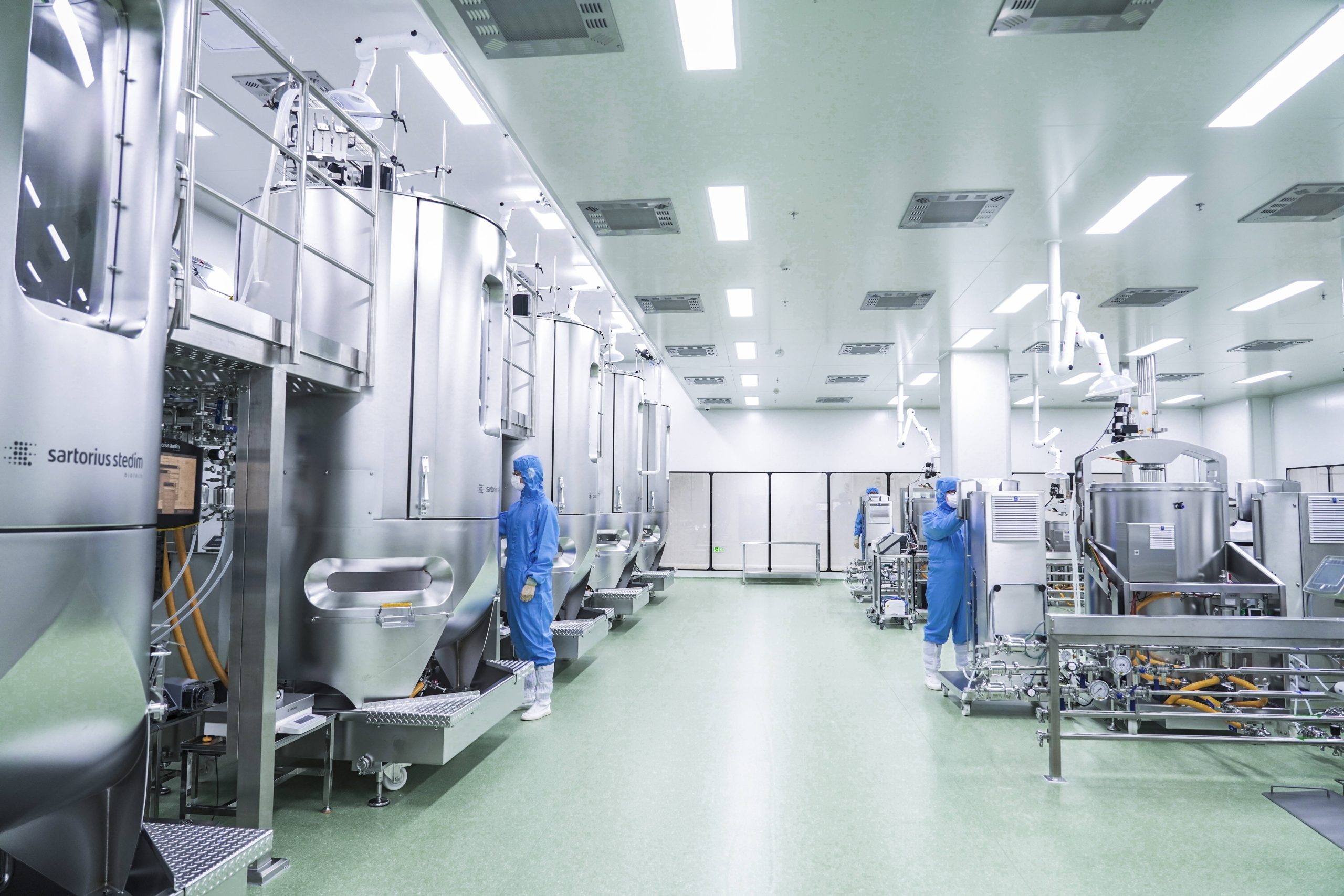
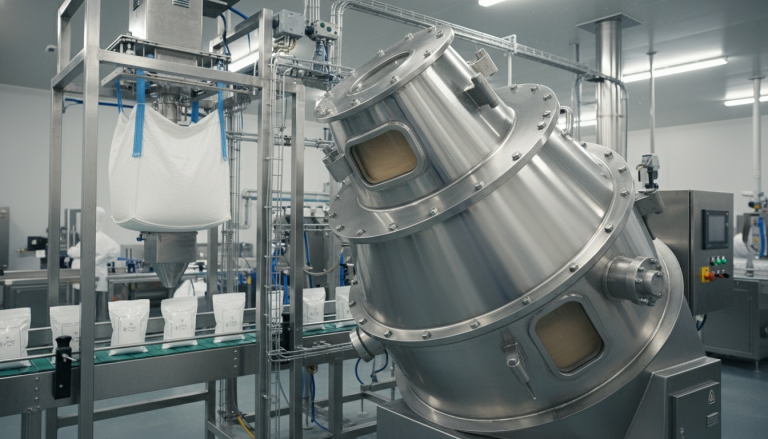
First time you see a Fluidized Bed Dryer running, you’ll probably freeze. It looks like magic. Hundreds of kilos of particles float and tumble inside. They move like boiling liquid. Hours later, they come out dry and uniform. No burning, no clumping. Super time-efficient.
Ten years ago, I interned at a pharma plant. An old technician pointed at an oven. He said, “This thing needs feel. Too hot? The powder clumps. Too cold? It stays wet. It’s all experience.” Today, fluidized bed dryers turned that “guesswork” into standard process. But are they truly perfect? Discussions on Quora and Reddit from engineers and managers show a more real picture.
Why Can’t Pharma Live Without It?
On Quora’s Pharmaceutical Manufacturing topic, a process engineer spoke clearly. He has 15 years of experience. “Fluidized bed drying isn’t the cheapest option. But it’s the ‘safest’ choice.”
This “safety” means more than equipment itself. It’s about product quality control. Traditional Hot Air Circulation Ovens cost less and operate simply. But they have a fatal flaw: uneven heat transfer. On Reddit’s r/ChemicalEngineering board, a user complained. “We dried antibiotic granules in an oven. Batches near the air duct dried fast. Corner spots stayed wet. We had to rework everything.”
Fluidized beds work totally differently. Hot air blows from the bottom. It lifts the material. Every particle gets suspended by airflow. They contact hot air 360 degrees. No dead zones. This “floating state” dries faster. It usually saves 30-50% time compared to ovens. The key point? Moisture variance within batches stays under 0.5%. For drugs needing FDA or EMA approval, this is essential.
But here’s a detail people often miss. Fluidized beds need materials with good “flowability.” A technical director from an Indian Solid Dosage Equipment Manufacturer mentioned this on Quora. If raw powder is too fine (under 50 microns) or too wet, airflow can’t lift it. It clumps at the bottom instead. Then you need spray granulation or drum granulation first. Make the powder into granules, then use the fluidized bed. That’s an extra step. Costs and time go up.
Quora’s Professional Views vs Reddit’s Real Complaints
View One: Energy Costs Get Underestimated
Quora theorists praise fluidized bed “efficiency.” But on Reddit’s r/Manufacturing, someone did the math:
“Our plant’s fluidized bed blows hot air 2-3 hours per batch. Fan power: 75kW. Heater power: 120kW. Monthly electricity costs 40% more than using ovens. My boss asks daily why we don’t switch back.”
That’s true. Fluidized beds need continuous high airflow. This keeps materials suspended. Fans and heating systems run at full capacity. Hot air circulation ovens only need intermittent airflow. Energy use is naturally lower. But that user added later, “When we counted rework losses and labor costs from ovens, fluidized beds still came out cheaper. The upfront investment just hurt the finance department.”
View Two: Cleaning Validation is a “Huge Pit”
Pharma has a strict requirement. When switching products, equipment needs thorough cleaning. Plus validation (proving residue stays below safety limits). Someone on Quora shared that fluidized bed filter bag systems are cleaning nightmares. Those bags filter exhaust gases. You remove them, wash them, dry them, test them, reinstall them. The whole process takes 8 hours.
A quality manager on Reddit was more blunt. “We switched products once. Cleaning validation failed (0.02% residue over limit). We dismantled and rewashed the whole machine. Two weeks of production lost. Later we bought two fluidized beds. One for penicillin products only. One for non-penicillin. Never cross-use again.”
This made me realize something. Fluidized bed flexibility comes with a price. It can handle various materials. But each switch costs time and manpower. If your product line is single, ovens are simpler.
How Do You Choose Between Them and Hot Air Circulation Ovens?
This question sparked heated discussion on Reddit’s r/pharmaceuticals. An equipment procurement manager gave a practical checklist:
Choose Fluidized Bed When:
- Materials are temperature-sensitive (like vitamins, probiotics—they die above 60°C)
- You need extremely uniform drying (like coated granules for sustained-release tablets)
- Large batches (hundreds of kilos minimum), need fast turnaround
- Budget is sufficient, and you have professional maintenance teams
Choose Oven When:
- Materials tolerate heat (like inorganic salts, certain herbal extracts)
- Small batches (tens of kilos or less), efficiency isn’t critical
- Budget is limited, or factory power supply is unstable
- Product line is fixed, no frequent product changes needed
Interestingly, many Solid Dosage Equipment Manufacturers now recommend “combination approaches.” Use fluidized beds for critical steps (like post-granulation drying). Use ovens for auxiliary processes (like raw material pre-drying). A German equipment vendor’s salesperson said on Quora, “Clients are getting more practical. They no longer believe one machine solves everything.”
The “Pitfalls” Nobody Tells You About
1. Static Electricity Problems
Materials tumble at high speed in fluidized beds. Friction creates static electricity. Someone on Reddit shared a scary experience. “While drying lactose, I suddenly heard ‘crack!’ I thought it would explode. An engineer later said it was static discharge. We quickly added grounding wires and anti-static agents.”
2. Dust Flying Everywhere
If air speed isn’t right, fine powder blows into filter bags or exhaust pipes. A Quora thread specifically discussed “how to reduce dust loss in fluidized beds.” Answers varied wildly. Add cyclone separators, adjust air inlet angles. Nobody gave a perfect solution.
3. Equipment Depreciates Fast
Fluidized bed filter bags, seals, and fan bearings are all wear parts. A Reddit user complained, “Our plant’s fluidized bed ran 5 years. Maintenance costs already exceeded the original purchase price. Meanwhile, the Hot Air Circulation Oven in the next workshop? Still running after 10 years.”
What’s the Future?
Recently saw Quora discussions about “smart fluidized beds.” Sensors monitor material temperature, moisture, and flow state in real-time. AI automatically adjusts air speed and heating power. Sounds futuristic. But several European Solid Dosage Equipment Manufacturers are already piloting it.
But I’m more curious about this: when all equipment becomes “smart,” will those old technicians lose their jobs? A 60-year-old process supervisor on Reddit said, “Machines can be clever, but someone needs to understand why they do what they do. Young people learn control panels fast. But understanding heat and mass transfer principles? That takes time.”
True enough.
Back to the original question. Is the fluidized bed dryer pharma’s optimal solution? The answer might be: it’s currently the most balanced solution available. But not the only answer. Like someone said on Reddit, “Choosing equipment is like dating. There’s no perfect match. Only the most suitable one. The key is knowing what you want. And what you can handle.”
Next time someone asks me about fluidized beds versus ovens, I’ll probably ask three questions first. Is your product heat-sensitive? Is your budget enough? Can your team handle complex equipment? Get those answers right. The choice becomes clear.