
Does Moisture Protection Coating Actually Work? Real Reddit User Experiences Revealed
My friend’s new house developed problems after two years. Black spots appeared in basement corners.
Zhang felt really frustrated then. He spent good money on waterproofing during renovation. Why did this happen? The bathroom solid wood door frame started warping too. Kitchen laminate flooring edges near the dishwasher lifted up.
“Did we mess up the moisture protection?” he asked me.
This reminded me of something. Moisture protection coating. You see it everywhere in building material markets. Different brands, different claims. Sounds pretty magical. But does it really work?
With this question, I spent several days digging through Quora and Reddit discussions. Some people called it a lifesaver. Others called it a trap. The results?
Pretty surprising actually.
Truth Found in Real User Experiences
First Discovery: Moisture Coating Can Be a “Double-Edged Sword”
A Reddit user named Chillz18 wanted to coat hardwood floor under kitchen appliances. His reasoning seemed simple. If pipes burst, at least water won’t seep into the floor.
Sounds reasonable right?
But tons of people told him not to do it.
“Dude, this might backfire. Ever seen what wood looks like under waterproof mats? Black and rotten.”
This reply got seven upvotes. Clearly many people had been burned.
An experienced worker explained it better. “Moisture gets trapped between coating and floor. It can’t evaporate. Makes things worse actually.”
I remembered something from childhood then. Putting bandaids on my arm. After peeling them off, skin turned white and wrinkled. Using moisture coating wrong probably works the same way.
Non-breathable protection sometimes hurts more than no protection.
Second Discovery: It Actually Works in Professional Settings
Not all news was bad though.
A flooring professional praised Uzin 460 brand. “I use it on high-humidity concrete. Claims to handle 98% relative humidity. Works really well. You should check it out.”
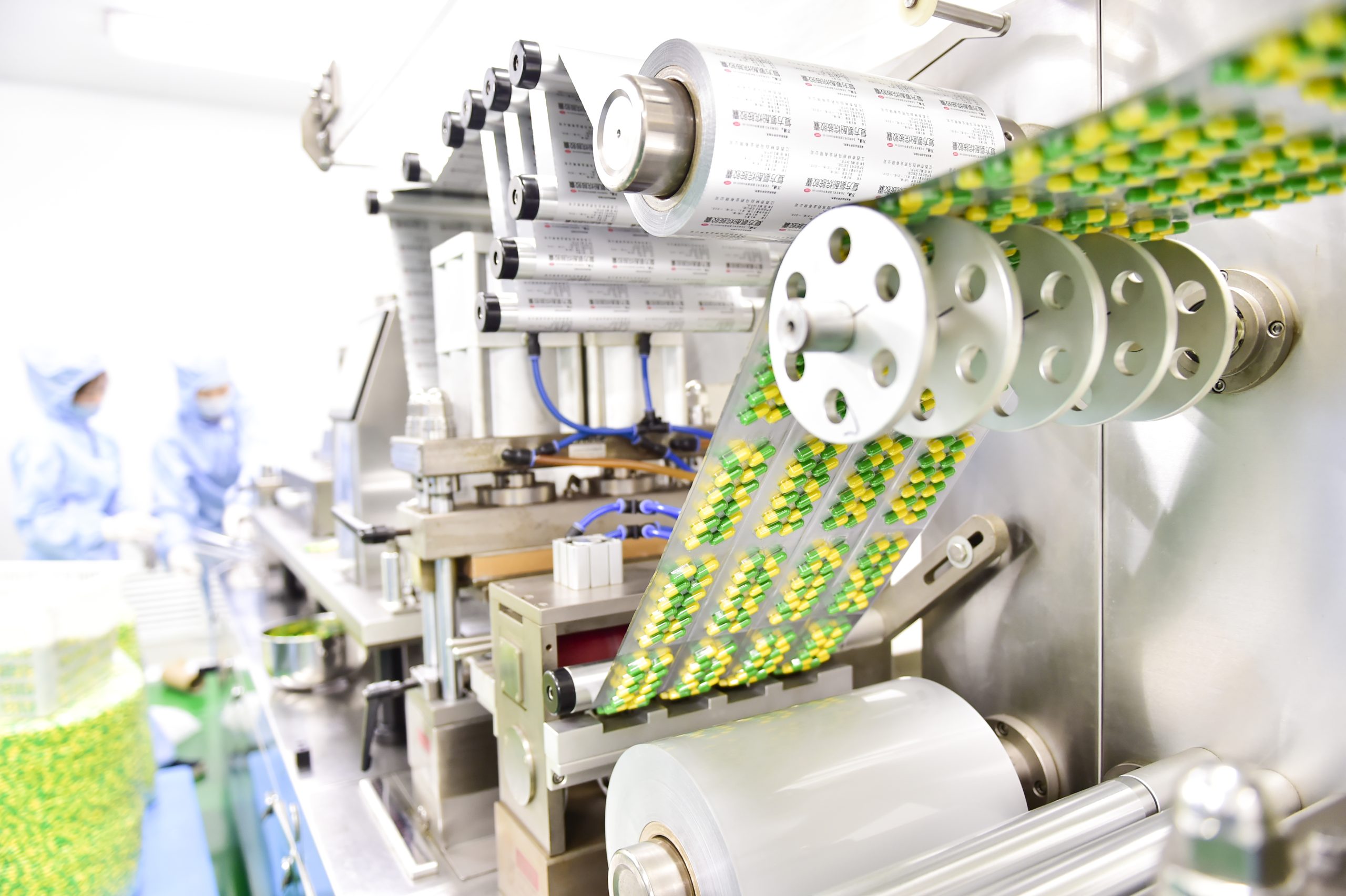
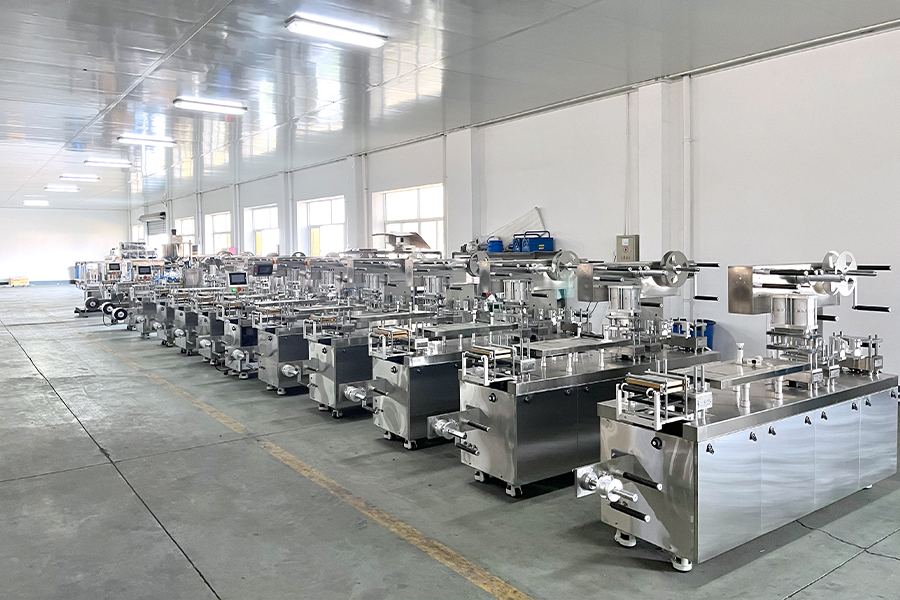
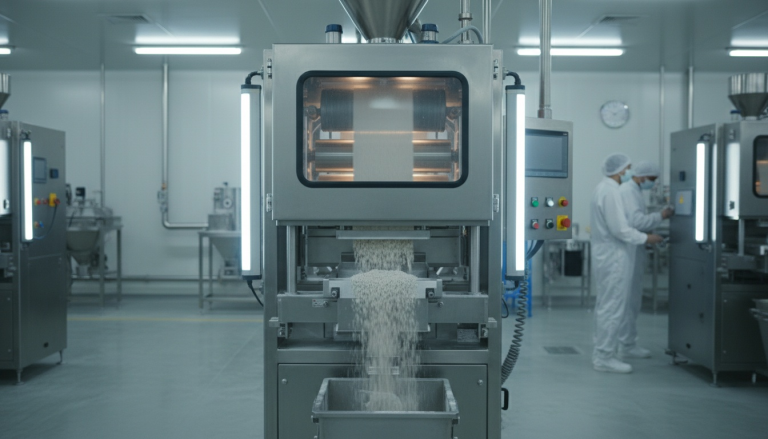
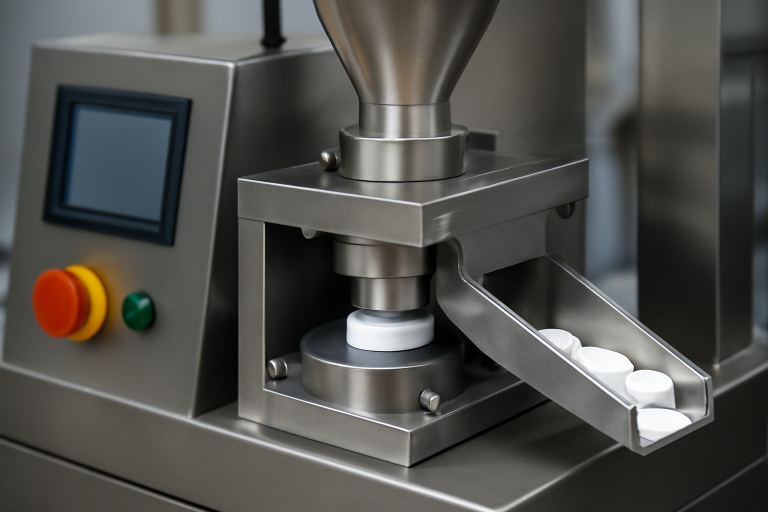
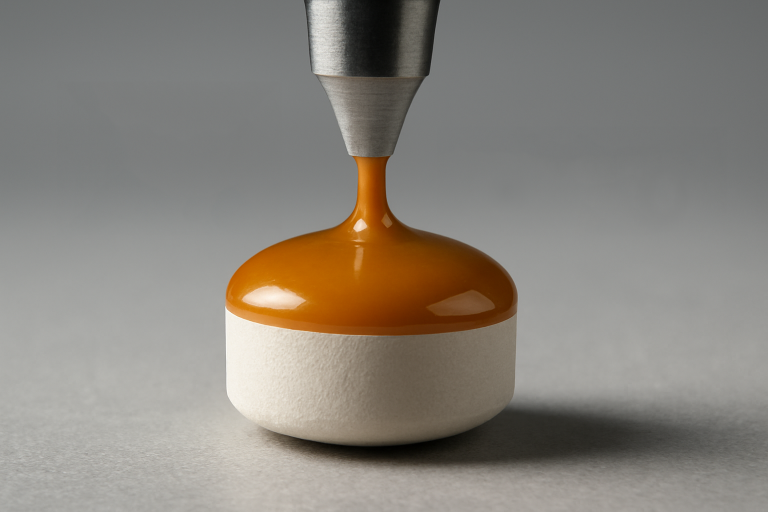
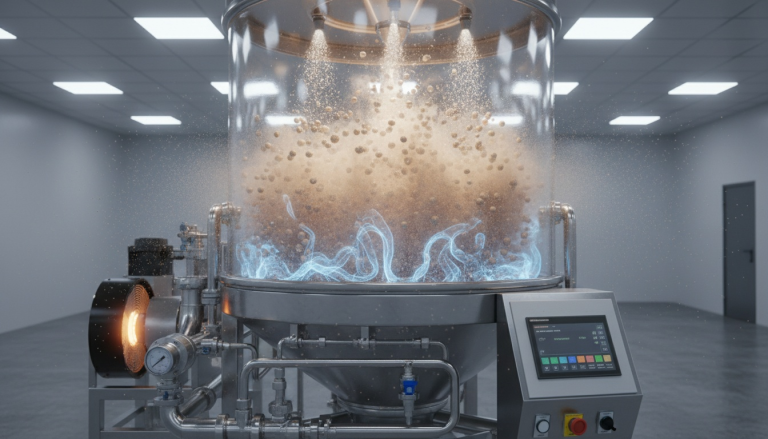
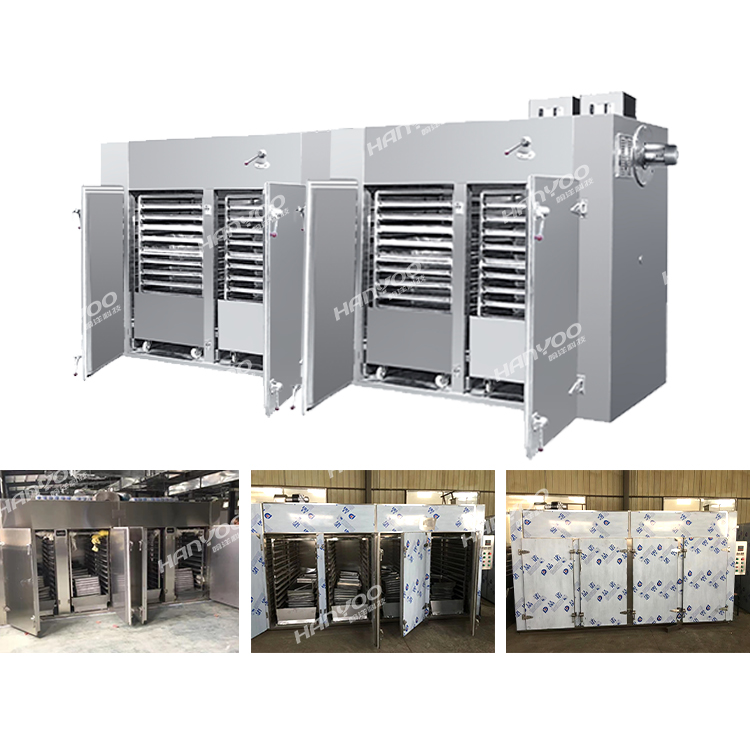
I also found something interesting. The pharma industry uses moisture coating very successfully. Moisture-sensitive drugs like vitamin C tablets go bad in months without protection. Professional coating machines and solid dosage equipment manufacturers produce gear that seals pills tight. Shelf life easily extends to two or three years.
So moisture coating isn’t useless.
The key is where and how you use it.
Third Discovery: Environment Determines Success or Failure
Another guy’s experience really stuck with me.
His house sat beside a creek. Old building. Basement humidity hit 90% every rainy day. “Probably the concrete floor’s fault,” he analyzed. “Underground soil stays wet constantly. No moisture barrier was installed.”
He planned to apply Bostik Roll-Coat moisture coating. Then buy a dehumidifier.
But someone with experience poured cold water on it. “Brother, you’re treating symptoms not the root cause. Groundwater seeps up. No amount of coating will help.”
Makes sense really.
It’s like holding an umbrella while standing in a pool. Your head stays dry sure. But your feet are still wet. Moisture coating blocks airborne humidity. But it can’t fight groundwater.
Sometimes finding the real problem matters more than finding the medicine.
Three “Traps” I Identified
After reviewing so many cases, people basically fall into these few traps.
First Trap: Thinking It Solves Everything
Too many people treat moisture coating like a miracle cure.
What’s the reality? It’s more like phone screen protector. Prevents scratches sure. But a hard drop still cracks the screen.
A Reddit veteran put it perfectly. “Choose gloss that matches your floor. Matte or glossy whatever. Polyurethane is just extra protection.”
“Extra” – these three words are crucial.
It’s insurance, not a lifeline. Trying to solve all moisture problems with one bucket of coating?
Dream on.
Second Trap: One Solution for Everything
Wood, cement, metal. Different materials have different personalities.
A friend of mine fell into this trap. His bathroom wooden door kept warping. He assumed waterproof coating would help. The result? More warping.
“Wood needs to breathe!” the renovation master told him later. “You wrapped it in plastic. Of course it suffocates.”
True enough. Moisture inside the wood can’t escape. Gets trapped inside. Creates new stress instead.
Like wearing non-breathable shoes. Your feet smell worse.
Third Trap: Ignoring the Environment Boss
That creekside house example is typical. Water table sits way too high. The best moisture coating won’t help.
But electronic products are different.
Circuit boards don’t need to “breathe” anyway. Tighter sealing works better. Phones can achieve IP68 waterproofing. But you can’t expect hardwood floors to match that right?
Same moisture coating. Right place makes it genius. Wrong place makes it garbage.
So When Should You Use It and When Should You Avoid It?
After reading all these posts, I figured out some patterns.
Safe to use:
- Electronic products (phone motherboards, computer internals)
- Pharmaceutical packaging (this really works)
- Light moisture protection on concrete surfaces (emphasis on light)
- Short-term emergency protection
Use carefully:
- Areas prone to water accumulation (fix leaks first, then protect)
- Wooden products (they need to breathe)
- High temperature zones (coating might fail)
- Load-bearing structures (don’t mess around)
Absolutely avoid:
- Already leaking spots (fix it first)
- Poorly ventilated corners (creates trapped moisture problems)
- Expecting it as primary waterproofing (it’s just supplementary)
Practical Suggestions If You Really Want to Use It
If you’re determined to try moisture coating:
Test small first
Paint a small patch in an inconspicuous corner. Observe for a month or two. If no problems appear, go bigger.
Don’t laugh. This trick prevents 90% of failures.
Get the basics right
Surface cleaning matters more than brand choice. Painting directly on dirty walls? That’s not moisture protection. That’s plastering over grime.
Combination beats solo effort
Coating plus ventilation plus dehumidifier. Three-pronged approach works better. Expecting one bucket to solve everything? Wake up.
Spend money where it counts
Good stuff costs more. If budget’s tight, protect the most important areas first. Living room floor or storage room corners. Which matters more?
Just know your priorities.
Final Thoughts
A Reddit user put it really well. “Buy a water leak sensor. Place it under appliances. Sometimes early warning beats protection.”
Exactly right.
Moisture coating isn’t a cure-all. But used correctly it definitely helps. The key is not expecting miracles. Treat it as part of an overall solution.
Like Zhang’s final choice. He treated the basement for moisture. Installed a dehumidifier. Checks regularly too. Two years later now. No more problems.