
The Future of Capsule Film Coating: Tech Disruption, Market Impact, and 5 Strategies for Success
The Hidden Battlefield from Sugar to Film Coating
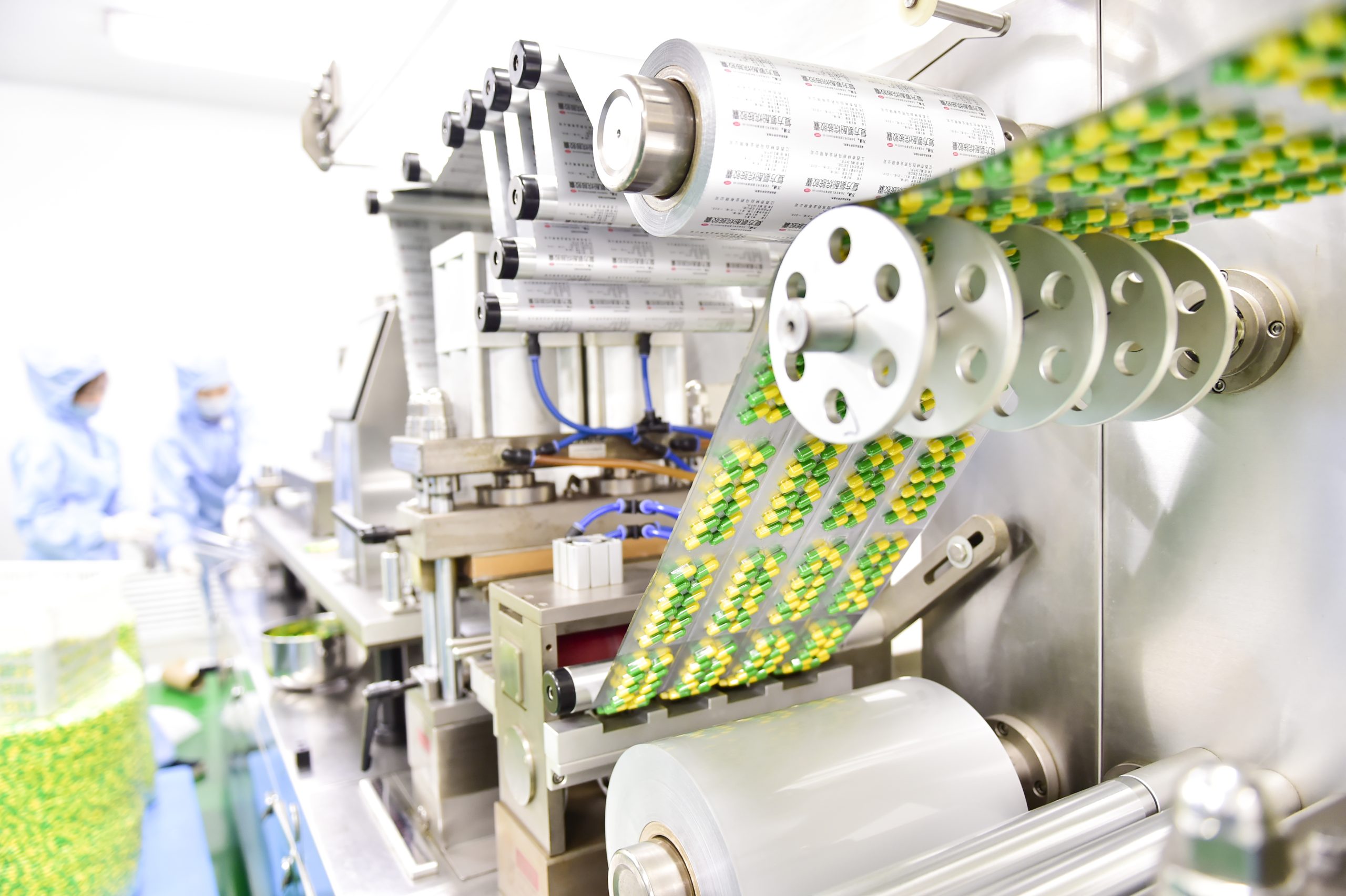
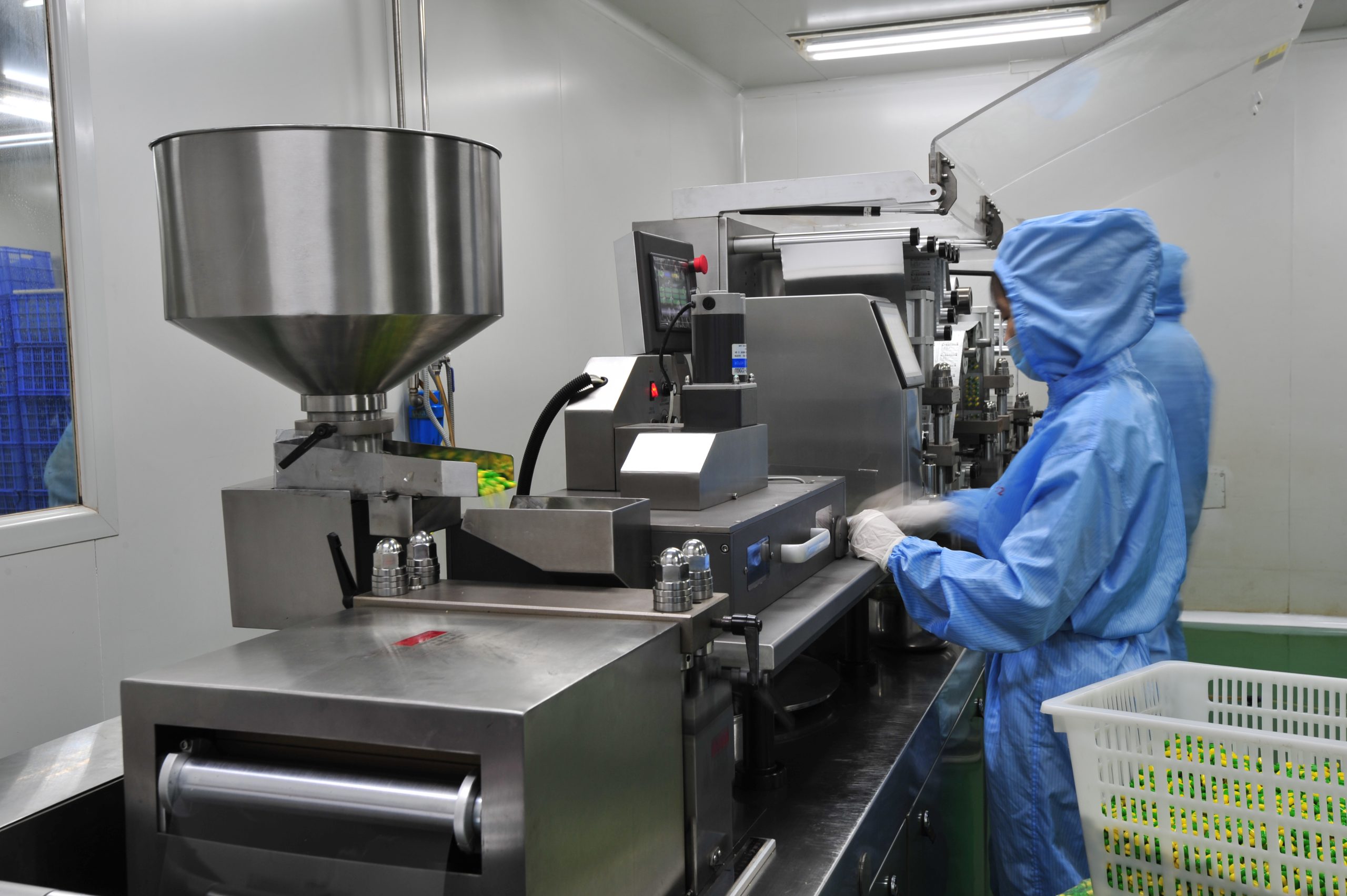
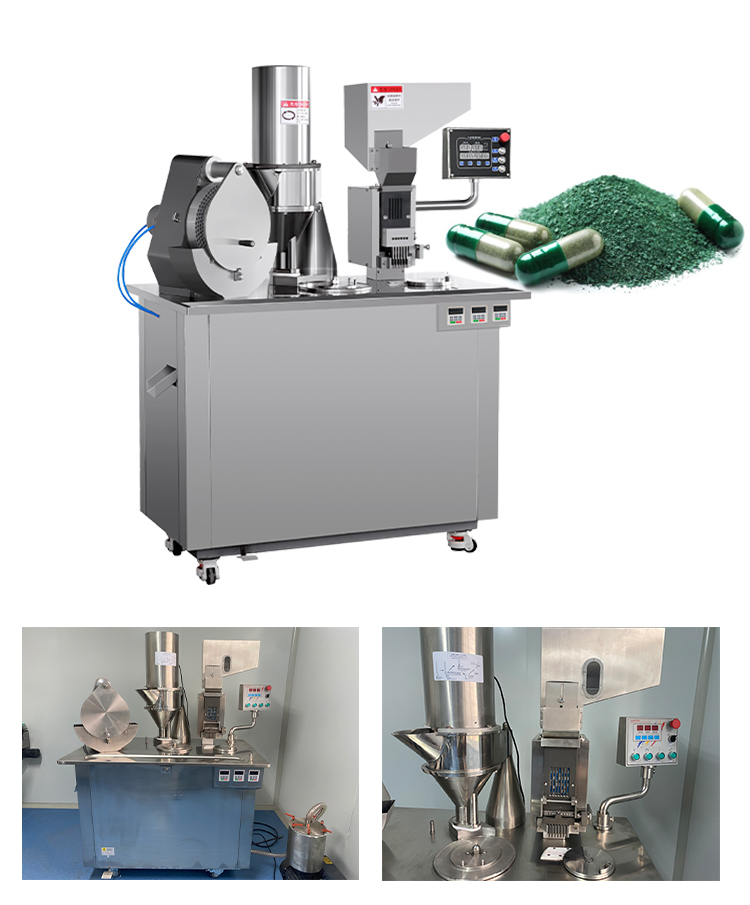
Pharma coating history is messy. Early days favored sugar coating—wrapping tablets or capsules in sucrose layers to mask bitterness. Pretty and sweet. But sugar coating had fatal flaws: absorbs moisture fast, molds easily, bulky, and bad for diabetics. Capsules? We thought hard shells were waterproof. Reality bites: light, oxygen, moisture still degrade active ingredients. Enter the 1970s. Film coating tech arrived, using water-soluble polymers like HPMC and ethylcellulose to spray a 2%-4% thick film. Spraying happens in coating machines: capsules tumble, atomized liquid sprays on, hot air dries, forming uniform layers.
What’s so great? Non-functional coating focuses on appearance and protection—adds color, gloss, moisture/light barriers, enables branding. Functional coating goes harder with controlled release: enteric coatings bypass stomach acid for intestinal delivery; sustained-release coatings extend efficacy, reducing dosing frequency. Capsule coating specifically tackles soft/hard capsule issues—fragility and leakage after filling. Here’s the contradiction: tech matured, but costs skyrocketed. Equipment costs millions, formulation tweaking needs experts, slight yield drops bleed money. Global market exceeds $10 billion. China, a generic drug giant, chokes on imported coating materials. This isn’t trivial—it hits pharma companies where it hurts: how to grab premium markets under cost pressure?
Think about photosensitive drugs like nifedipine—no film coating, sunlight kills efficacy. Bitter drugs like some antibiotics—no taste-masking layer, patients vomit them out. Film coating solves these but creates new puzzles: if benefits outweigh costs, why do mid-small pharma companies hover at 80% coating pass rates? The answer hides in process black boxes.
Analysis & Prediction: Tech Essence & 3-Year Disruption
Strip away surface layers. Capsule film coating’s core is polymer science colliding with engineering. HPMC dominates coating materials—good hydrophilicity, fast film formation, but pH-sensitive. Dissolves in stomach acid, disintegrates in intestines. Plasticizers like PEG prevent cracks, talc prevents sticking, TiO2 pigment blocks light. Process involves spraying, drying, polishing—parameter tweaks are critical. High speed makes uneven films, low temps leave solvent residues exceeding standards.
I studied cases from top companies like Colorcon’s Opadry series—spray once, multifunctional, highly compatible. But capsule-specific problems emerge: unlike flat tablet surfaces, capsules have curves, spraying easily causes bridging (film layers bridge and leak drugs). Data doesn’t lie: film coating boosts drug stability 30%-50%, controls bioavailability above 85%. Thinner than sugar coating, weight increase only 2%-4%, doesn’t affect efficacy.
Bold prediction: within three years, capsule film coating jumps from “standard feature” to “differentiation weapon.” Why? First, policy tailwinds—China’s NMPA pushes generic consistency evaluation, controlled-release capsules become mandatory, film coating is key. Second, tech iteration: AI optimizes spraying parameters, yield rates jump from 85% to 98%; nanomaterial coatings emerge, thickness shrinks to micrometers, better breathability. Third, supply chain localization. Imported HPMC holds 70%, but domestic brands like Huabang and Great Wall match quality at half price. By 2028, film-coated capsule market share may surge from current 40% to 65%, especially in cardiovascular and GI drugs.
But risks aren’t small. Environmental pressure mounts—solvent-based coatings release VOCs, forcing industry toward water-based systems, short-term costs rise 15%. Patent barriers exist: Pfizer and AstraZeneca’s functional coating patents expiring opens windows for generic companies. Don’t celebrate yet—high process barriers and failure rates will eliminate weak mid-small players. In short, winner-takes-all game.
Short emphasis: Change is already underway.
Dig deeper into contradictions: Is film coating omnipotent? No. Ultra-thin films fail on high-moisture drugs, requiring composite layers. In personalized medicine era, 3D-printed capsule coatings will replace traditional spraying, customization rates hitting 90%. Reminds me of phone case evolution—from plastic to liquid silicone, user experience transformed.
So What? Impact on Drugs, Patients & Markets
So What? Capsule film coating isn’t process upgrading—it’s pharma ecosystem reshaping. Start with pharma companies: premium coating is a moat. Take enteric capsules—traditional shells have 20% stomach acid destruction, film coating drops it to 2%, consistency evaluation pass rates jump 40%. What does that mean? Giants like Hengrui and Fosun use this to dominate consistency evaluation “pyramid peaks,” annual revenues up 10%-15%. Mid-small companies? Awkward—coating machine investment starts at $500k, ROI cycle 2 years. If parameters aren’t dialed in, 10% scrap rate directly kills cash flow. Market polarizes: leaders eat meat, followers drink soup.
Patient perspective is more direct. Bitter pills become easy to swallow, efficacy stabilizes, medication adherence up 30%. Think chronic disease patients enduring daily bitter pills. Now smooth film coating, one gulp, controlled release means fewer doses, quality of life up. But concerns lurk: are coating material degradation products safe? Though FDA-certified, long-term accumulation? Microplastic controversies already exist in West, domestic regulation lags, patients become guinea pigs.
Market level is interesting. China’s capsule output ranks first globally (over 500 billion annually), film coating penetration only 30%, far below Western 70%. Means massive import substitution space, 2025-2030 CAGR 15%. Globally, amid biosimilar waves, film coatings compatible with monoclonal fragment capsules will explode. But supply chain risks are high: HPMC raw material prices up 20%, geopolitical conflicts hit, drug prices follow up 5%-10%.
One sentence: This isn’t just tech—it’s value chain reconstruction. Ignore it, you’re out.
For investors, coating stocks worth watching: equipment makers like Shanghai Tofflon, material suppliers like Haisco Pharma, potential doubles. But don’t go all-in, environmental penalties strike anytime.
What Should I Do? Five Brutal Action Plans
1. Switch to Water-Based Coatings Fast, Dodge Environmental Traps
Solvent-based OUT, water-based HPMC IN. Startup investment 30% lower, zero VOC emissions. Action: Contact local suppliers to test Opadry-equivalent products, launch pilot line within 3 months. Expected: costs down 10%, NMPA approval 20% faster.
2. AI Parameter Optimization, Push Yield Rate Past 95%
Traditional manual parameter adjustment has big errors. Use software to simulate spray fluid dynamics, spend $100k on system. Case: One generic company halved scrap after adoption. Don’t delay, implement before 2026 policy tightening.
3. Differentiate with Controlled-Release Capsules
Don’t follow ordinary coating trends—go straight for enteric/sustained-release. Target gastric ulcer drug market (annual $50B sales), develop pH-sensitive films. Partner with university labs, samples in 6 months. Return: 20% premium pricing, lock in consistency evaluation advantage.
4. Localize Supply Chain, Band Together
Don’t rely on imports—group-order domestic coating materials. Approach Great Wall Chemical for bulk negotiation, 15% bargaining room. Build backup supplier library, prevent supply cuts. Mid-small companies can invest in coating material factories, share risks.
5. Patient-Oriented Marketing
Film coating isn’t just tech—sell experience. On packaging emphasize “easy to swallow, no bitterness, stable 24 hours.” Partner with e-commerce, create blind test comparison videos. Result? Repurchase rate up 25%, brand loyalty explodes.
Execute these—entry barriers aren’t high, but need grit. Hesitant companies will cry in three years.
Conclusion
Capsule film coating seems thin, but it’s pharma’s wind vane. It solved sugar coating pain points, opened controlled-release era, yet exposes brutal cost and tech screening. Future rule: whoever masters film coating masters market voice.
Don’t underestimate this invisible raincoat. It decides who survives the next pharma reshuffle.