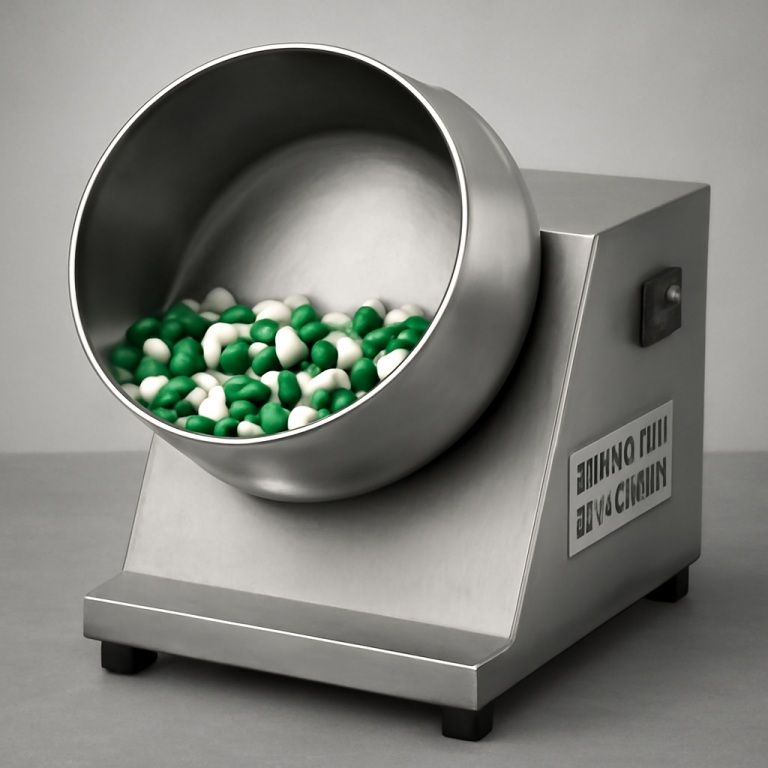

From DEA Regulation to DIY Modification: The Real Story Behind Rotary Tablet Press
Think Buying a Tablet Press Is Simple? Think Again
A few days ago on Reddit’s foodscience board, I saw a post. A nutraceutical business owner wanted to buy a tablet press for sublingual tablets. He discovered it was way more complicated than expected. “Why does a tablet press need DEA registration? I’m not making drugs!” His complaint drew tons of sympathetic replies.
Indeed, when you actually want to get a Rotary Tablet Press, you realize how much is hidden behind this seemingly simple equipment. From Reddit complaint posts to Quora technical posts, from small workshop owner confusion to pharmaceutical engineer experience sharing, these real discussions showed me a completely different tablet press world.
“Why Is Buying a Machine So Hard?” – Regulatory Reality Check
The most frustrating part is regulation. A Reddit user complained, “I just want to press vitamin tablets. Turns out tablet presses are controlled like firearms.” Indeed, DEA control over tablet press machines is quite strict. Even if you buy the most basic single punch model.
But thinking differently, this control isn’t completely unreasonable. After all, tablet pressing technology can easily be misused. Regulatory agencies’ “better safe than sorry” attitude is understandable. But for small businesses with legitimate needs, this is quite a hurdle.
Interestingly, an experienced user shared, “The registration process isn’t that scary. It’s mainly a psychological barrier. Companies like LFA help with DEA registration. Just the price… cough cough.” So the key is finding the right channels. Though your wallet will hurt a bit.
Tech Experts vs Regular Users: Two Worlds Colliding
On Quora, you see pharmaceutical engineers discussing B-type and D-type tooling differences. Talking about 6.5 ton versus 10 ton pressure technical details. Professional jargon flying everywhere. But on Reddit, you get more questions like, “Can I modify a Harbor Freight hydraulic press?”
This contrast is quite interesting. Professionals discuss optimizing tablet pressing processes and selecting proper punch designs. Regular users care about “can it be cheaper, simpler, just good enough?”
I think this reflects a rotary tablet press market problem. Either high-end professional equipment costing tens of thousands. Or manual pressing with questionable quality. Mid-range product choices are limited. Many users with reasonable needs can’t find suitable solutions.
Single Punch or Rotary? That’s the Question
While collecting information, I found many people struggle choosing between single punch and rotary press machines. Professional materials tell you single punch makes 60-85 tablets per minute. Rotary can reach 9,000-234,000 tablets per hour. But in reality, many users’ needs fall between these extremes.
A functional food entrepreneur said on a forum, “I need to produce 1,000 tablets daily. Single punch is too slow. Rotary is too expensive and too fast. I just want a ‘medium speed’ option.” This need is actually quite common. But corresponding market products are rare.
Solid dosage equipment manufacturers seem to prefer making two extremes. Either cheap manual machines or expensive fully automated production lines. This middle gap might be an opportunity.
Maintenance: Underestimated Hidden Cost
Most interesting is maintenance. A Reddit user complained, “When buying the machine, sales told you maintenance is simple. When problems actually happen, you discover replacing a part takes 2 months. Technical support phone never gets answered.”
Indeed, tablet press maintenance is more complex than imagined. Punch wear, die calibration, pressure control system failures. Each can halt production. Often it’s not the equipment itself. It’s operators lacking experience or formula problems.
An engineer with 20 years experience shared on Quora, “Many tablet pressing problems are actually formula issues, not machine problems. But customers always suspect equipment first. This causes unnecessary repair costs.”
This reminds us buying equipment is just the first step. Follow-up technical support and staff training matter equally. Reliable suppliers don’t just sell you a machine. They provide complete solutions.
“DIY Tablet Press”: Creative or Suicide?
In Reddit discussions, there are always “tech geeks” wanting to DIY tablet presses. Some modify hydraulic presses. Some study honey press principles. Some even consider 3D printing punch molds.
While this innovative spirit deserves admiration, real successful cases are rare. Tablet pressing looks simple. It actually involves many details. Pressure distribution, venting timing, ejection angle. Any problem in one step can cause tablet cracking, lamination or sticking.
However, these DIY attempts expose a market pain point. Existing commercial solutions might be too complex or expensive. Users would rather risk homemade than buy ready-made products.
Final Words: Balancing Ideal and Reality
From these real discussions, I see more than technical problems. I see mismatch between market demand and supply. Professional rotary tablet presses are indeed important pharmaceutical equipment. But for many small-scale applications, it’s “using a sledgehammer to crack a nut.”
Maybe in the future more products targeting small and medium needs will emerge. Or existing regulatory frameworks will become more flexible. After all, technology progress should benefit more people. Not just serve big companies.
Back to that opening story about the sublingual tablet business owner. He finally chose contract manufacturing. Cost is higher but at least no equipment and regulation worries. Sometimes the most realistic choice isn’t the most ideal. But it might be the most suitable.