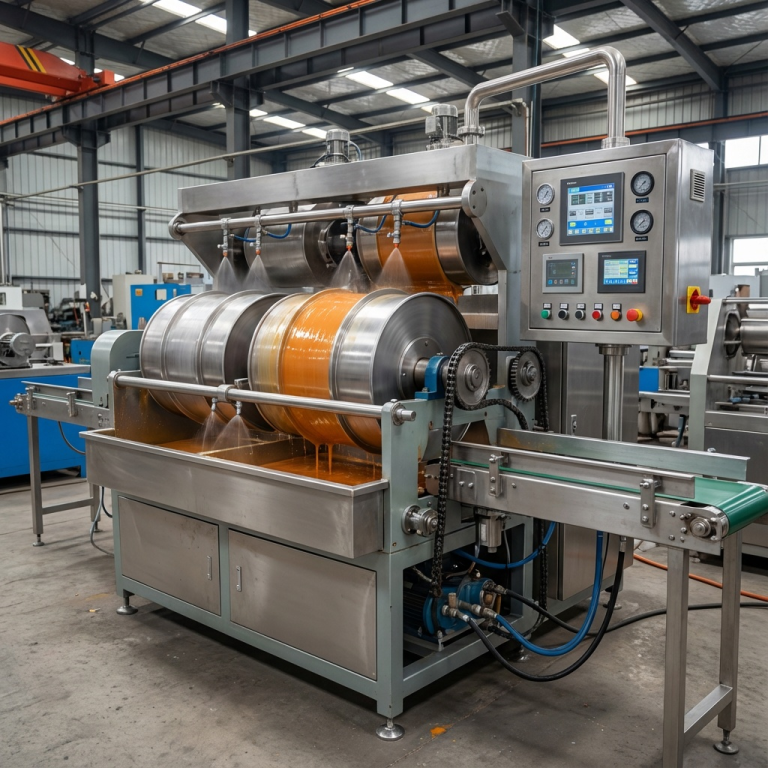

Multi-Station Tablet Press: Real-World User Experience
I saw a post on Reddit recently. A lab guy shared how someone “accidentally” broke their tablet press. Repair costs plus downtime totaled about one million dollars. I laughed when I saw this post. But after laughing, I felt a bit sorry. Working in pharmaceuticals all these years, I’ve seen too many such “accidents.”
Sounds Impressive, Actually Not Simple to Use
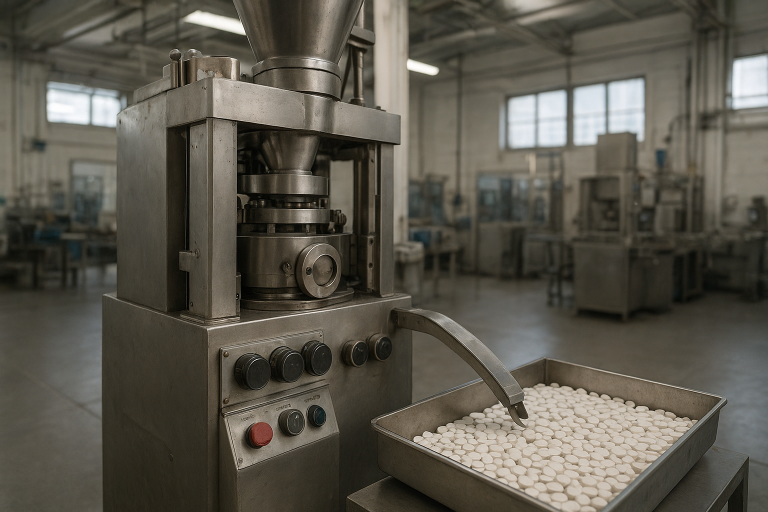
Multi-Station Tablet Press. The name sounds professional. Indeed, this thing is a “model worker” in pharmaceutical plants. It can press millions of pills daily. It’s the kind of critical equipment that stops the entire production line.
But don’t think it’s just a “large-sized tablet press.”
I thought that way when I first started. Until I witnessed a running rotary tablet press for the first time. Dozens of punches on the circular turret working simultaneously. Powder feeding, compression, tablet ejection. The whole process flowed smoothly. I thought then: Wow, this is the Industry 4.0 feeling.
Then reality quickly slapped me hard in the face.
Those Years, The Pitfalls We All Hit
Powder Flowability: Seemingly Simple, Actually Big Problem
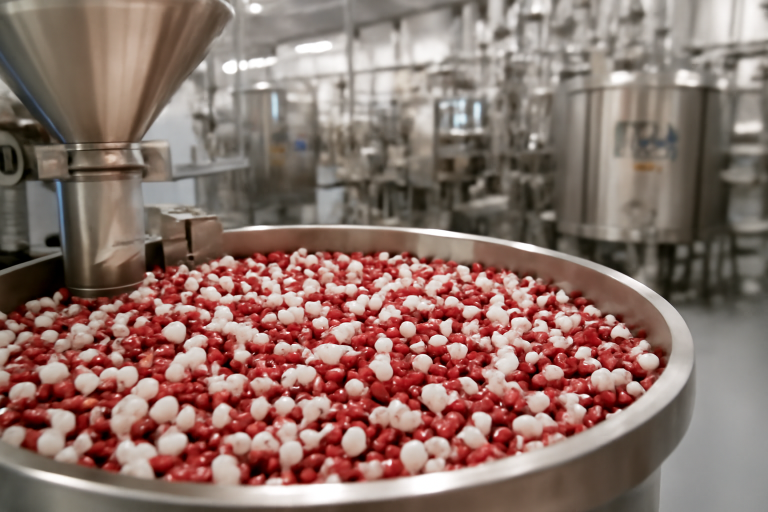
On Reddit’s food science board, a grad student complained. Their lab’s TDP-5 tablet press always filled powder unevenly. I watched his uploaded video. The powder clumping into lumps. I instantly recalled my own painful experiences.
Poor powder flowability looks like low technical difficulty. But actually causes endless headaches. You might think adding silicon dioxide solves everything. But that guy tried 0.5-1% silica gel. Still didn’t work. Why? Because it’s not that simple.
I encountered similar problems back then. Finally discovered humidity control was the issue. Environmental control standards in pharmaceutical plants aren’t joking around. Temperature differs by two or three degrees. Humidity changes by several percentage points. Powder characteristics can change significantly.
Lesson learned: Multi-station tablet presses demand extremely high material consistency. Single punch presses allow manual adjustment. But multi-station machines, once started, have dozens of stations working simultaneously. Any problem at any stage causes a chain reaction.
Maintenance: Not As Easy As You Think
Professional solid dosage equipment manufacturers always tell you detailed maintenance plans. Daily inspections, weekly cleaning, monthly calibration. Sounds professional, right?
But in reality?
I’ve seen operators skip daily inspections to rush production. Seen machines go a whole month without thorough cleaning due to staff shortages. The result? Machines start having various small problems. Tablet weight becomes unstable. Hardness doesn’t meet standards. Sometimes it even jams completely.
Worse still, you think it’s just a small issue. You ignore it. Then one morning, “bang.” The whole machine completely breaks down. Repair costs? Six figures minimum. Production loss is another story.
Personal experience: Once our factory neglected the lubrication system. Main bearing got damaged. Repair took three weeks. During that time, we could only use backup single punch machines for basic production. That feeling was like driving cars regularly then suddenly having to ride bicycles.
Where Are The Real Challenges?
Human Factor Always The Biggest Variable
In a ChemicalEngineering post, a co-op student asked about multi-station tablet press technical points. An experienced engineer’s reply impressed me deeply.
“Technical problems can be solved. But human problems are hardest to handle.”
This hit the nail on the head. I’ve seen new employees not understanding process flow. They added lubricant meant for granulation stage too early. Seen operators mix different batches of powder together for convenience. Also seen maintenance workers being “too clever.” They tightened bolts with wrong torque.
Every small mistake gets amplified into big problems. Especially on high-precision equipment like multi-station tablet presses.
More Advanced Equipment, Stronger Dependence
Modern tablet press machines have increasingly high integration. Automation levels grow more advanced. Pressure control, weight detection, automatic rejection. Functions get more impressive.
But problems come along. Once faults occur, repair difficulty increases exponentially.
I remember once our factory’s control system had a bug. We set tablet weight at 500mg. But actually pressed only 480mg. Took a whole day to find the sensor calibration problem. During that time, tens of thousands of produced tablets all scrapped.
Difficult Balance Under Cost Pressure
Pharmaceutical industry cost pressure grows heavier. This directly affects equipment use and maintenance.
A good multi-station tablet press costs at least several hundred thousand dollars. High-end ones cost millions. But many companies, to control costs, might choose relatively cheaper models. Or cut corners on maintenance.
Short term looks like saving money. Long term? Equipment failure rates rise. Product quality becomes unstable. Maintenance costs increase. Final total costs actually get higher.
Some Not-So-Technical But Very Practical Thoughts
Training, Training, More Training
Best equipment still needs qualified operators. This isn’t just technical level training. More importantly, let operators understand the meaning of each step.
For example, why is cleaning so important? Not just to meet GMP regulations. But because residual substances might affect next batch product quality. Could even cause cross-contamination.
When operators truly understand these things, they won’t treat cleaning as going through motions.
Data Is The Best Teacher
Modern tablet presses have rich data recording functions. But many factories only record to cope with inspections. Never analyze this data.
Actually, this data hides much valuable information. When failures easily occur. Which raw material batches have problems. How proficient are operators.
My current habit is spending time weekly reviewing equipment data. Many potential problems can be discovered early.
Spare Parts Aren’t Costs, They’re Insurance
Many companies conservatively purchase spare parts to control inventory costs. But for critical equipment like multi-station tablet presses, lacking one key part can shut down the entire production line for days.
My advice: Key wear parts must have reasonable inventory. Especially imported parts with long delivery cycles. Though they tie up funds, compared to production loss, this investment really isn’t much.
Final Words
Saying all this isn’t to scare everyone. Rather to share some real experiences.
Multi-station tablet presses are indeed indispensable equipment in modern pharmaceutical industry. Their efficiency and precision cannot be matched by single punch machines. But simultaneously, they demand higher requirements for operation, maintenance, and management.
Most importantly, have respect. This isn’t mysticism. It’s the proper attitude toward precision equipment. When you treat it as a partner rather than a tool, it will reward your care with stable performance.
After all, in the pharmaceutical industry, one day of equipment downtime means losses. Not just money. But also time for patients waiting for life-saving medicines.