
Starting with Swollen Pills: The Technical Battle Behind Tablet Compression
A few days ago on Reddit, someone posted about their pills splitting open from the middle. They swelled up like little bread rolls. This post instantly got over 20k upvotes. The comment section exploded. Some said they looked like mini Milano cookies. Others worried about mold. Then pharma industry professionals jumped in to explain this was classic “capping” defect…
This got me thinking: Those little pills we take every day look so simple. But how much technical complexity hides behind them?
When Reddit Users Encounter “Exploding” Pills
The Reddit poster lived in a hot, humid area. The desiccant in the pill bottle clearly couldn’t handle it. Result? Pills split open one by one. They exposed yellowish powder inside. The comment section immediately had pharma industry veterans explaining:
“I work in pharma. This absolutely needs reporting. This is called capping. We 100% want to know our tablets turned out like this. Very likely there’s a manufacturing defect—maybe air got trapped during granulation, compression parameters weren’t optimized, or there’s a die problem.”
This reply got over 20k likes. Another user added that his brother works in a big pharma company’s tablet department. “The allowed error rate is absolutely minimal. This product reaching customers would definitely trigger an investigation.”
Interestingly, most regular users’ first reaction was “looks like food.” Professionals’ reaction was “this is dangerous.” One pharmacist explained that if these were sustained-release tablets, splitting could cause too-fast drug release. Real risk exists.
The Technical Crowd on Quora: Gap Between Theory and Reality
Compared to Reddit’s “live coverage,” Quora discussions lean more technical. But there’s an interesting phenomenon—many theoretical answers are obviously copied from textbooks. They lack hands-on experience.
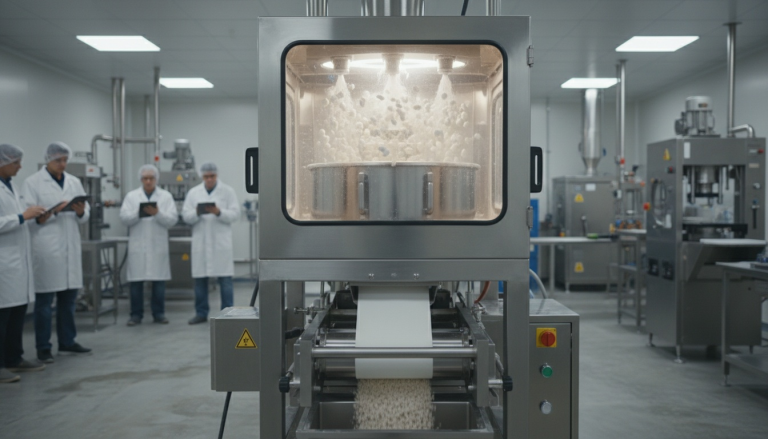
Really valuable discussions come from frontline engineers. Someone mentioned “dwell time” is particularly critical on rotary tablet presses. It directly affects air expulsion. Another person detailed the importance of pre-compression—it removes 90% of air from granules. This greatly improves tablet plasticity.
But Quora has an obvious “idealistic” tendency. Everyone discusses optimal parameters and perfect processes. Very few mention those real-world headaches.
Real Frustrations of Pharmaceutical Engineers
On Reddit, a chemical engineering student asked for help preparing for a pharma company internship interview. The responses unexpectedly revealed this industry’s real situation.
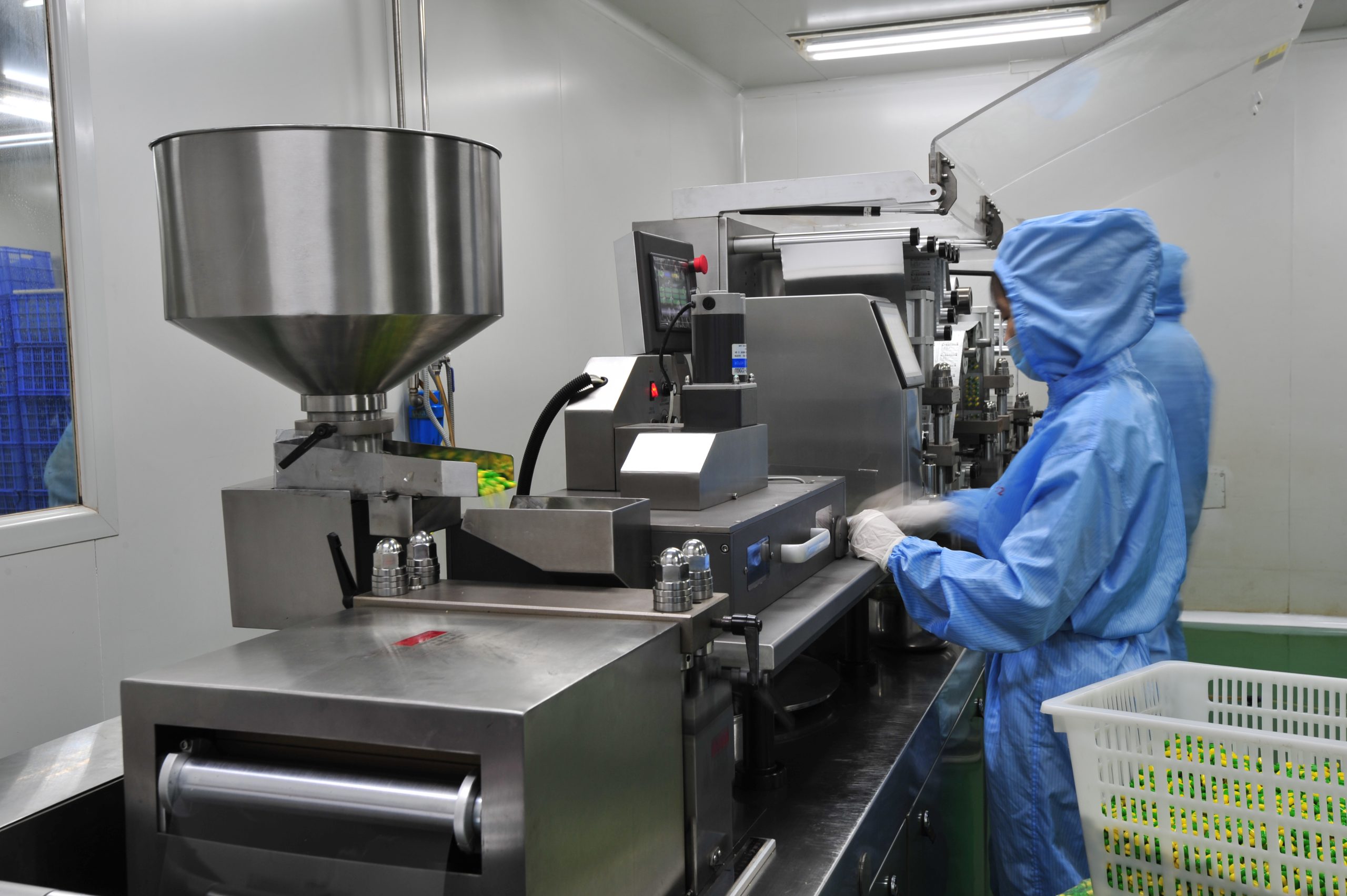
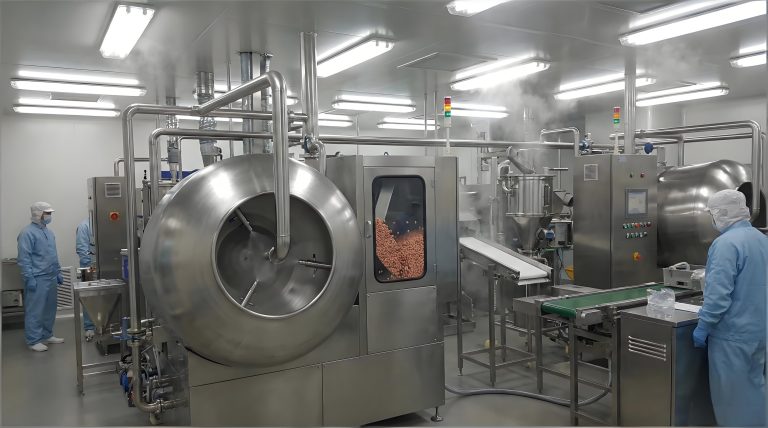
An engineer working at a big pharma company admitted: Oral solid dosage manufacturing involves multiple steps including mixing lubrication, granulation, compression, and coating. “Common quality issues include environmental deviations, not following batch records, mid-process equipment failures, analytical testing problems.”
Here you can see the gap between theory and practice. Textbooks tell you standard granulation processes. But they won’t tell you what to do when humidity control fails. They won’t tell you how to salvage an entire batch when equipment stops at midnight.
One detail was particularly real: The engineer mentioned “strain rate sensitivity of powder properties.” Simply put, some formulas work fine at slow compression speeds. Once you increase turret speed, problems appear. These formulas are called “strain rate sensitive.” Though they can produce acceptable tablets, output capacity is limited.
Isn’t this the real-life version of “ideals are full, reality is skinny”?
Hidden Pressures on Equipment Manufacturers
From professional website information, Pharmaceutical Equipment Manufacturers face challenges more complex than outsiders imagine.
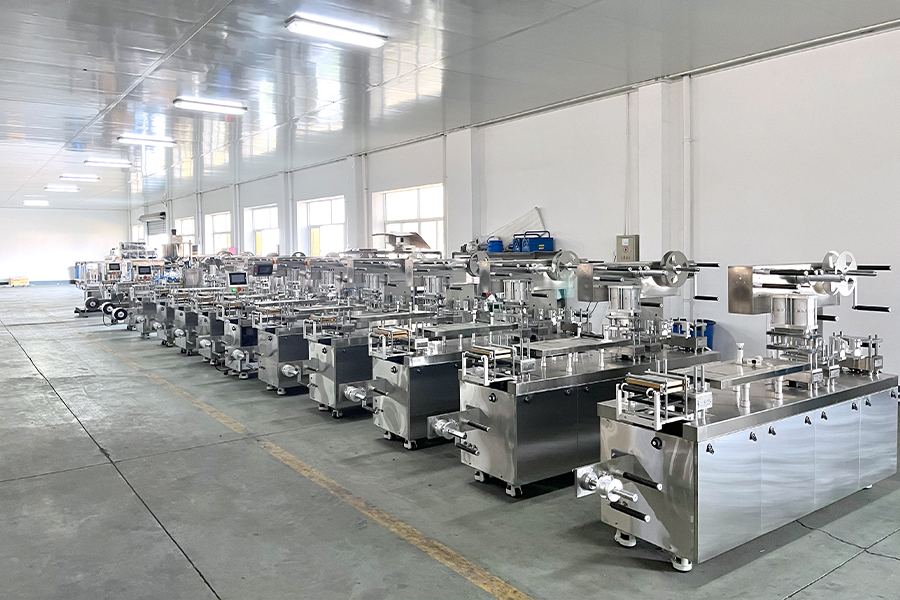
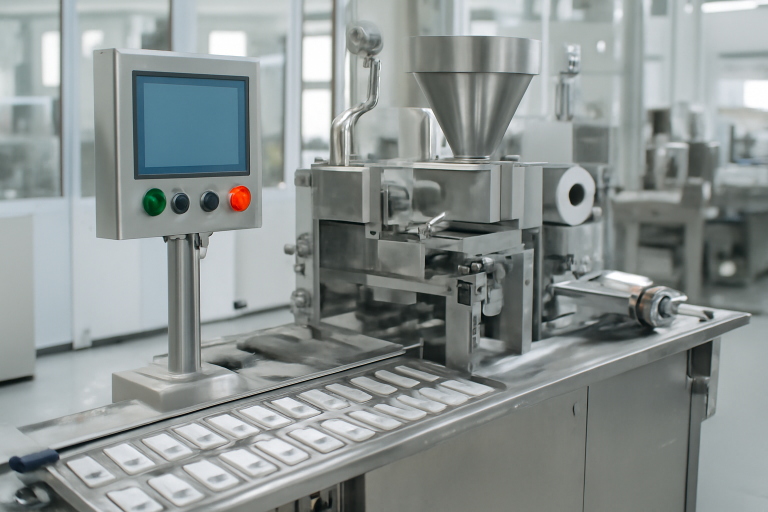
First, technical challenges. Modern tablet press machines must solve multiple contradictions simultaneously: High output yet quality assurance. Easy operation yet meeting strict GMP requirements. A high-end tablet press might have dozens of monitoring points. Any parameter deviation could scrap an entire batch.
Then there’s maintenance nightmares. On Reddit, a process manager specifically asked for help with tablet press cleaning—their rotary press has dozens of die holes. Traditional method is “one person with a brush and alcohol bottle, scrubbing hole by hole.” Time-consuming beyond belief.
This reminds me of that saying: Laymen watch the excitement. Experts watch the doorway. Ordinary people see miraculous pharma technology. Insiders see countless engineering problems needing solutions.
Overlooked Human-Centered Design
A particularly interesting finding: Many equipment manufacturers over-pursue technical specs when designing. They ignore operators’ feelings.
Pharma engineers complain that changing dies requires hammering. Not only takes over 2 hours, but damages precision dies. Advanced equipment already achieves “tool-free die change.” Thirty minutes completes it. This saves hundreds of hours of downtime yearly.
There’s also the intelligent lubrication system example. Traditional manual lubrication struggles with precise amount control. Slight deviation creates black spots on tablets. Smart systems adjust in real-time based on press speed. Microliter-level precise control not only avoids defects but reduces lubricant consumption by 30%.
These improvements seem minor. But for frontline operators, they’re worlds apart.
The “Impossible Triangle” of Quality Control
From collected discussions, you can see pharma faces an “impossible triangle”: High quality, high efficiency, low cost. Achieving all three optimally is very difficult.
That Reddit cracked pill case is a typical example. Manufacturers trying to control costs might compromise on formula optimization, environmental control, or quality testing. Result? Consumers become “quality inspectors.”
On Quora and professional forums, people often discuss process parameters under “ideal conditions.” But reality always has budget constraints, time pressures, personnel skill limits, and various restrictions.
One pharma engineer’s words were very fair: “Our job is finding the best balance under various constraints. This requires massive hands-on experience. You can’t solve it just by memorizing books.”
Final Thoughts: Beyond Technology
Organizing these discussions made me think about a question: When we talk about technological progress, are we over-focusing on technology itself? Are we ignoring the people behind it?
Whether it’s regular users encountering problem pills on Reddit, engineers frustrated with equipment cleaning, or manufacturers balancing quality and cost—everyone plays their role in this complex system.
Technology’s ultimate purpose shouldn’t just be solving technical problems. It should help every participant better complete their work. It should give end users safer, more effective products.
In the end, those seemingly simple little pills carry the efforts of everyone in the entire industry chain. Next time you pick up a pill, maybe think about the story behind it—though most times, we hope we never need to think about these things.