
The Truth About Capsule Polishers from a Pharma Industry Veteran
Ever wonder what that smooth, clean vitamin capsule went through before reaching your hand?
I never thought about it either. Then I saw a post from a pharma equipment operator on Reddit. Turns out those simple-looking capsules hide a complex production system. One overlooked key step? The capsule polisher.
It sounds pretty boring. But what it does goes way beyond “making capsules pretty.”
1. Real Reddit Complaints: Deep Cleaning Is Hell
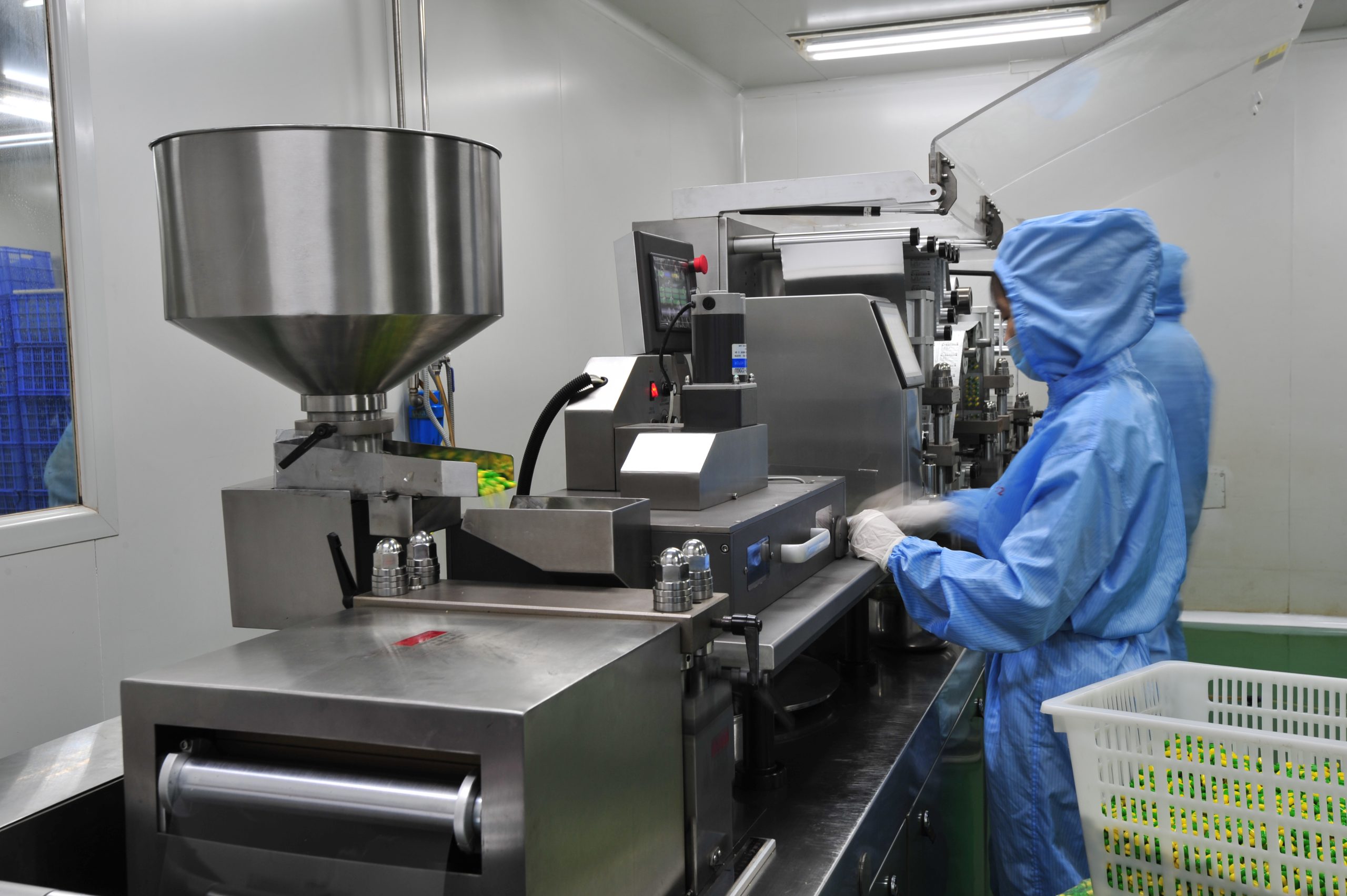
On r/specializedtools, user Wilsonsonone shared their company’s newly refurbished AF90T automatic capsule filling machine. The machine makes multivitamins. The discussion below was pretty interesting.
Someone asked how much the whole production line costs. Industry insider radix- broke it down:
“Chinese automatic machines start around $20K. American versions hit $200K or more. But that’s just the capsule filler. You also need mixers, capsule counters, metal detectors, sealers, conveyors, capsule polishers… Full top-end setup runs $400-500K. Add installation and facility modifications, that’s another $200-500K.”
So basically, you’re looking at a million-dollar setup easy.
But what stuck with me was Wilsonsonone’s comment: “Deep cleans are a nightmare.”
Another user added they once processed curcumin. “That stuff is basically yellow dye. I ran a batch four years ago on small equipment. It’s still yellow.”
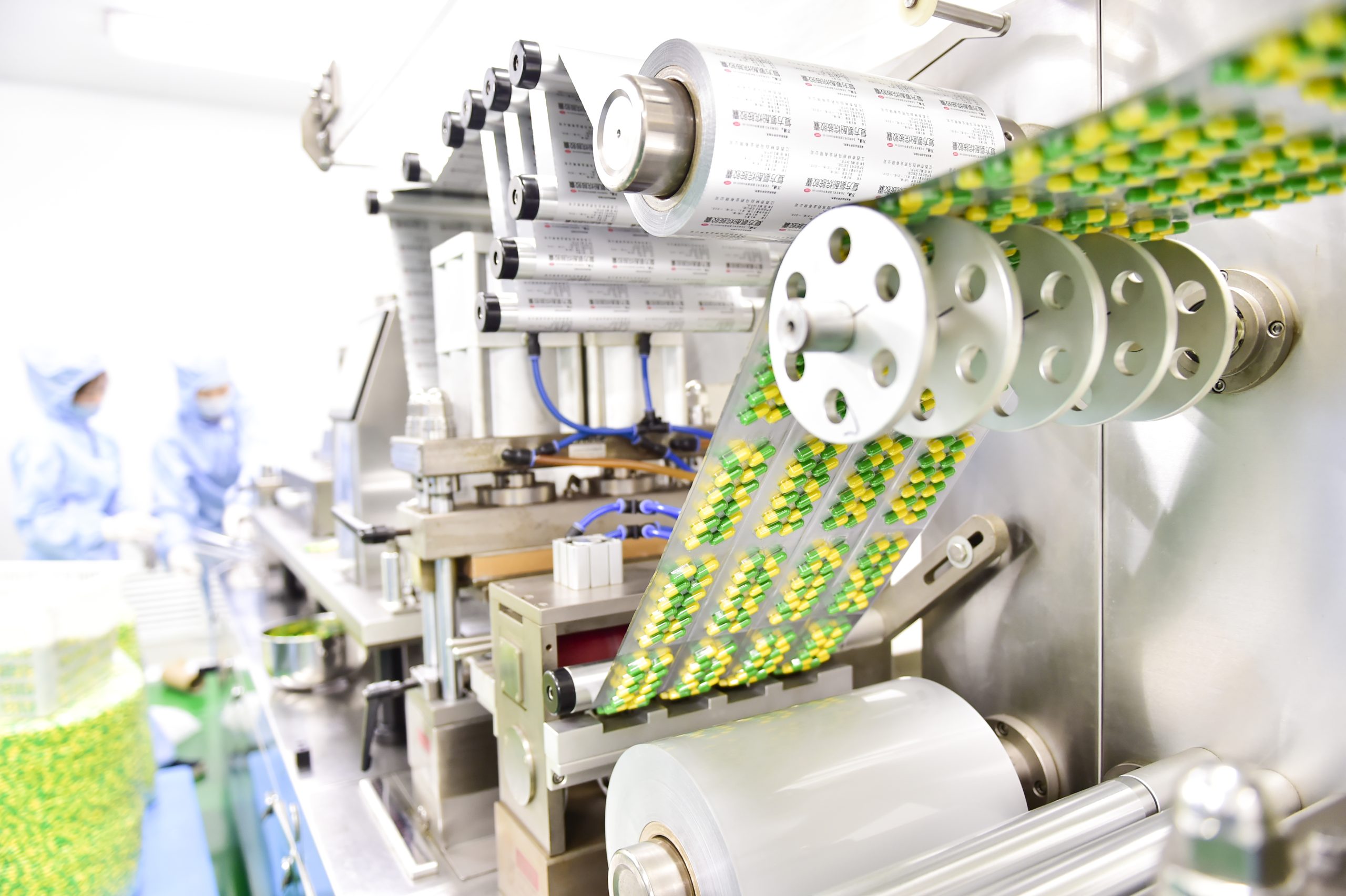
This reminded me of an ignored fact. Capsule production isn’t just “stuffing powder into shells.” Dust flying, static attraction, residue buildup—problems everywhere. The capsule polisher? It’s what “wipes clean” these problems at the last moment.
2. What Does a Capsule Polisher Actually Do?
Many think it just “makes capsules shinier.” But modern capsule polishers handle three jobs: polishing, elevating, sorting.
According to GrandPackMachine’s technical guide, typical workflow looks like this:
- Polishing: Filled capsules enter the polishing drum. Rotating brushes clean 360 degrees, removing surface powder residue.
- Negative pressure dust removal: Simultaneous vacuum instantly removes debris from polishing.
- Sorting: Polished capsules enter the sorter. Compressed air and weight detection automatically reject empty shells, weight anomalies, or cracked defects.
The process seems simple. But technical details are quite demanding. Parts touching capsules must use 316L stainless steel. That’s medical-grade material—corrosion-resistant, easy to clean, meets GMP standards.
As a professional Pharmaceutical Equipment Manufacturer, designing such equipment requires considering factors beyond materials. Temperature needs control at 20-25°C. Humidity must stay at 40-60% RH. Otherwise? Capsules may become brittle, crack, or absorb moisture and deform.
3. Small Business Owner Struggles: Equipment Too Expensive, Manual Too Slow
Quora and Reddit have tons of discussions about “how to choose capsule filling equipment.” One recurring pain point keeps appearing: price gap.
On r/smallbusiness, user NoPenaltyKick complained:
“Those cheap manual capsule fillers ($35-$800) are too slow. Using them is torture. But truly efficient automatic equipment starts at $15K. Small companies like ours can’t afford it.”
Someone below recommended a “semi-automatic” machine. Price around $6K, makes 300 capsules in 5 minutes. A compromise solution.
But another problem follows: raw material properties.
In the same thread, users mentioned certain materials don’t work with automatic machines. Think strong static electricity, powder that clumps easily. Unless you add a bunch of “fillers” and “anti-caking agents” to the formula. But that defeats many brands’ “clean formula” purpose.
This reminded me of what Canyonside Labs wrote in a technical blog:
“When your active ingredient is only 20mg, but the whole capsule weighs 200-300mg, you need precise control over the entire mixture’s flowability. This ensures active ingredient distribution is uniform in every capsule. Poor powder flow causes separation, clumping, static attraction—each problem makes some capsules’ dosage ‘drift off.’”
USP regulations require at least 9 out of 10 capsules to contain 85-115% of labeled value. And none can be below 75% or above 125%.
This standard sounds reasonable? But think about it. If you label 500mg calcium, actual content must be 425-575mg per capsule. And none can be below 375mg or above 625mg.
Powder flowability, equipment precision, environmental humidity—any mistake can cause an entire batch to fail.
4. The Underestimated “Last Line of Defense”
Back to the capsule polisher itself.
Acufill wrote in an introduction article:
“In pharma’s competitive environment, ensuring highest quality is a non-negotiable priority. Capsule polishers, though often overlooked, are key equipment for achieving this goal.”
They listed several core values of capsule polishers:
- Quality assurance: Polished capsules aren’t just good-looking. They mean no contaminant residue on surfaces.
- Regulatory compliance: FDA and other agencies have clear requirements for product cleanliness and appearance. Polishers help companies meet standards.
- Boost patient trust: Drug visual presentation directly affects consumer trust and compliance.
- Improve production efficiency: Clean, smooth capsules are less likely to jam or clog in subsequent packaging.
SED Pharma’s technical documentation further explained why capsule cleaning and polishing is “necessary”:
“Capsule shells develop scratches, dents, and spots during filling and transport. Micro-dust from capsule-equipment friction can also breed microorganisms. After bulk filling and sealing, metal fragments, plastic debris, and other contaminants from the production environment may attach to capsule surfaces.”
In other words, polishing isn’t just “cosmetic work.” It’s a real quality defense line.
5. My Observation: Equipment Choice Is Essentially “Risk Pricing”
After organizing this information, I had a realization. Choosing pharma equipment is essentially doing risk pricing.
Cheap equipment saves upfront investment. But it may bring higher quality failure rates, more frequent maintenance downtime, greater regulatory risks. High-end automatic equipment costs more. But long-term, it might actually be less hassle.
Reddit user Wilsonsonone who bought used equipment spent around £300K on the whole production line. But he stressed “must go through technical team evaluation and lab testing.” That’s actually a smart approach—use professional acceptance to hedge used equipment quality risks.
For small businesses, there may be another path. Find a reliable co-packer. Though it “eats a big chunk of profit,” at least you don’t worry about GMP compliance, equipment maintenance, cleaning validation—stuff that gives headaches.
6. Final Thoughts
The capsule polisher topic isn’t huge. But it’s not small either.
It’s not the “star” of production lines like capsule filling machines. But without it, final product quality and appearance both suffer. When choosing any equipment—whether fillers, polishers, or sorters—it’s worth checking real user feedback. Not just manufacturer brochures.