
How to Choose a Capsule Counting Machine? Real User Trial-and-Error Stories
“You guys shorted me pills.”
Anyone who’s worked a pharmacy counter has probably been stung by that line. Patient gets their bottle, counts and recounts, insists they’re two pills short. You check all the records, verify inventory. Turns out—nothing’s missing. But explaining it always feels like making excuses.
Until counting machines with cameras came along. That finally gave us “hard evidence.”
A Reddit pharmacist put it bluntly: “Since we got Eyecon, I haven’t heard ‘you shorted me’ once.” Another colleague added: “Once a customer complained about a shortage. I pulled up the photo—okay, we really did short them. Should’ve been 60 tablets, gave 30. Only time Eyecon caught an error in all my years using it.”
See, machines don’t just count accurately. They also slap you hard when you actually mess up. Pretty fair.
Eyecon vs Kirby: Pharma’s “Coke vs Pepsi”
Ask “what counting machine should I buy” on Reddit’s r/pharmacy. The comments will definitely start a fight.
Team Kirby says: “Cheap, durable, foolproof operation. Plug it in and go.” One pharmacy owner commented: “Kirby Lester is basically idiot-proof. Even our least tech-savvy old employee can handle it.”
Team Eyecon immediately counters: “Kirby makes mistakes if you pour too fast. You have to start over. Plus it doesn’t save photos. What proof do you have when something goes wrong?” A harsher review: “Kirby’s pass-through counting is totally inaccurate, especially for clear capsules. Vitamin D, fish oil—completely useless.”
Some mentioned RM1, calling it the “gold standard.” But the price is $3,000 to $5,000. And you can’t wipe the glass panel with alcohol. It’ll corrode.
Most embarrassing is Vivid. Someone bought this to save money. Turns out the system won’t update, won’t interface with pharmacy software, can’t count dark-colored tablets. “We’re planning to pack it back in the box for return,” an angry user wrote in their post.
This reminds me of a truth. In professional equipment, “cheap stuff” often means more expensive costs. The costs just appear in different forms.
Clear Capsule “Black Hole”: Laser’s Weakness
This is an interesting technical detail.
Kirby uses laser pass-through counting. Pills drop down, block the laser, one count. Simple and crude. But here’s the problem: what about clear capsules? The laser goes straight through. It literally “can’t see” them.
One pharmacist shared their experience: “Clear capsules like docusate sodium (stool softener), omega-3 fish oil—Kirby can’t count them accurately at all. Some Adderall capsule brands are half-clear showing the beads inside. Light passes through, counting goes haywire.”
So many pharmacies do this: use machines for regular meds, hand-count clear capsules.
You might ask: what about Eyecon? Eyecon uses image recognition technology. Takes photos then counts pill outlines. Theoretically solves this problem. But it has another pitfall—you need to “teach” it to recognize each medication. If you only photographed pills lying flat during calibration, one pill sitting slightly tilted might not register.
“When I got to the new store, their Eyecon was basically unusable. The previous person calibrated it too sloppily,” a tech complained.
Technology can solve problems. But only if you know how to use it.
Weighing vs Optical vs Manual: A Debate on Efficiency Philosophy
Someone once asked on Reddit: “Why not count pills by weighing? Each pill weighs so close to the same. Weigh them and you’ll know the count, right?”
Sounds reasonable. But people who tried it said: “Slower than hand counting.”
The process goes like this: weigh 10 pills for calibration, then pour them in. Too many, subtract. Too few, add. Adjust repeatedly. “Counting 120 pills, weighing method was way slower than hand counting,” one pharmacist said. “Unless it’s a big order like 360 gabapentin, it’s not worth it.”
Optical counting machines win on speed + documentation. Pour it in, wait three seconds, number pops up, photo saved. All in one go.
But interestingly, many have a peculiar attachment to manual counting. “Five pills per group sliding across, ‘click’ into the bottle—machines can’t give you that rhythm.” This made me think. Some work’s value isn’t just efficiency. It’s that feeling of “I’m in control.”
That said, when you’re counting 400 prescriptions a day, probably nobody’s in the mood to enjoy “rhythm.”
Small Business Owner Dilemma: Manual Too Slow, Automatic Too Expensive
If you think counting machines are just for pharmacies, you’re wrong.
On Reddit’s r/smallbusiness and r/manufacturing, supplement business entrepreneurs have different headaches.
“Cheap manual capsule filling machines ($35-800) take too much time. Really good automatic equipment starts at at least $15,000. Small companies like ours can’t afford it. Is there a middle ground?” One entrepreneur posted for help.
Someone recommended a semi-automatic machine. Price around $6,000, can fill 300 capsules in 5 minutes. Sounds good, but another problem appeared: powder flowability.
“Some ingredients absorb moisture, stick together. Cheap machines can’t handle it unless you add tons of anti-caking agents and fillers,” an industry person explained. “That’s why big brand supplements have ingredient lists full of stuff you don’t understand. Not because it’s effective—because the machine needs it.”
Turns out, a formula’s “cleanness” sometimes depends on what equipment you can afford. This made me rethink those premium brands touting “pure formulas.” Maybe they really are paying for better machines.
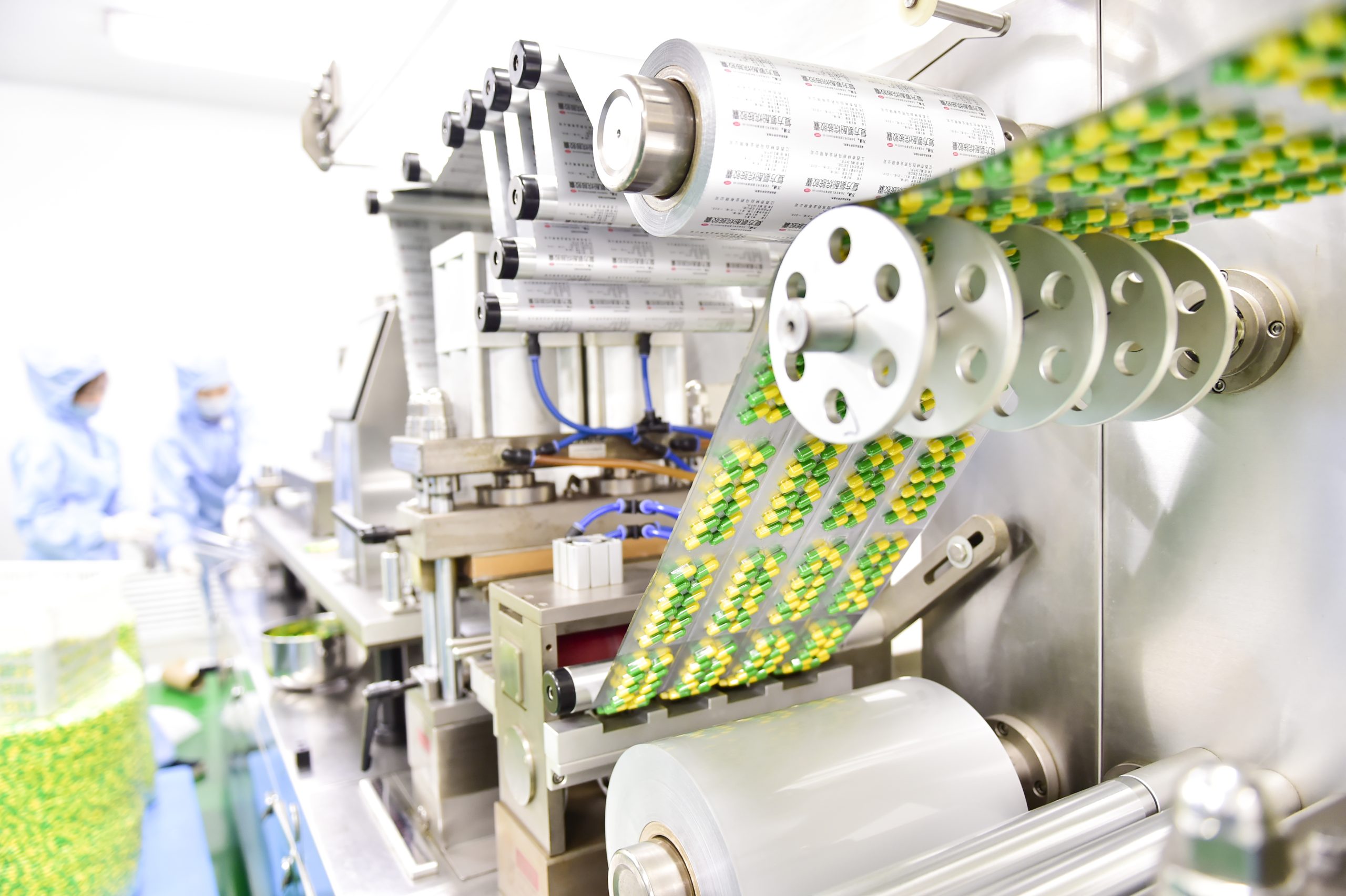
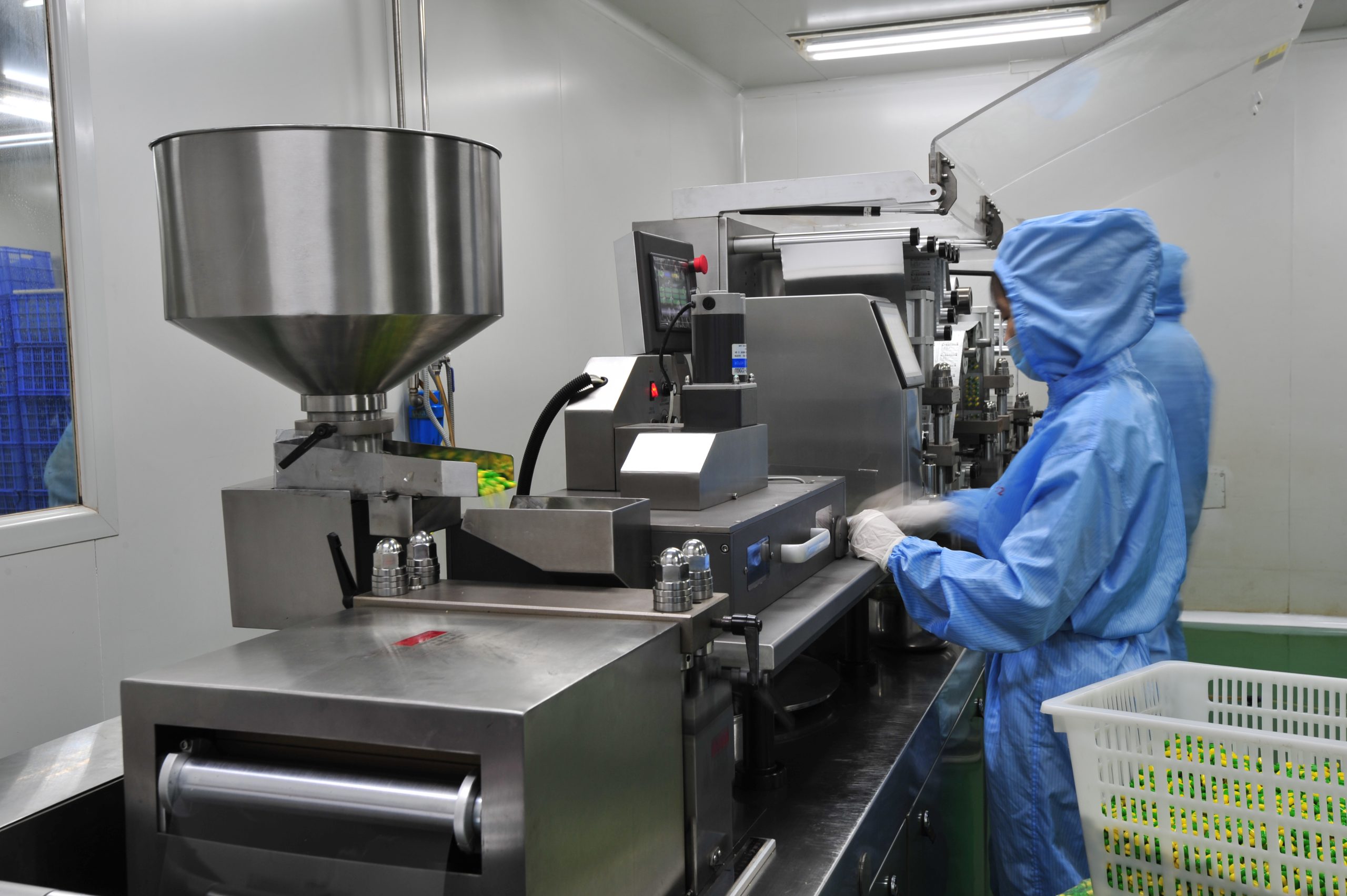
Speaking of equipment selection, many Pharmaceutical Equipment Manufacturers now offer solutions for small to medium capacity. They fill the gap between manual and fully automatic. And choosing the right capsule filling machine often determines how far a small business can go.
Automation Anxiety: Will Pharmacists Be Replaced by Machines?
On Quora, someone asked: “Will pharmacists be replaced by robots?”
One answer really stuck with me: “Automation can replace pharmacy tech work—counting pills, bottling, labeling. But a pharmacist’s core value is judgment: Is this prescription reasonable? Will there be drug interactions? Are there issues with the patient’s medication history?”
Data shows modern highly automated pharmacies achieve 99.9% counting accuracy. Sounds perfect, but there’s always that 0.1% “accident” that needs human backup.
One pharmacist summed up their work this way: “You think we’re just counting pills? No, we’re filtering information. Electronic prescriptions come through, might have dosage errors, insurance rejections, drug shortages, even doctors writing wrong patient info. Every prescription might have a dozen pitfalls waiting for you.”
Fully automated pill dispensing robots like Parata Max cost $250,000. They definitely improve efficiency. But they won’t call to chase down a patient who took the wrong meds. Won’t notice an elderly person’s recent prescription conflicts with previous ones.
Machines are getting smarter. But between “smart” and “responsible,” there’s still a whole human being.
Let’s Talk Real for a Moment
After reading through dozens of posts, my biggest takeaway: Behind technical discussions is really an obsession with “accuracy” and “trust.”
Pharmacy counting machines matter not just for efficiency. More because they solve an ancient problem—when a patient says “you shorted me pills,” you need something to prove yourself. It’s not about suspecting anyone. It’s about giving both sides peace of mind.
Same logic applies to small business owners making supplements. They agonize over equipment selection. Essentially they’re weighing: how much cost for how much reliability?
One entrepreneur wrote at the end of their post: “My ex-wife didn’t take as much effort as that cheap machine.” A joke, sure, but you can feel the frustration.
And those “old school” pharmacists who insist on manual counting? Maybe they’re just saying: some things, I want to do myself.
Technology is a tool, but how we choose tools often reveals our understanding of work.
Will you choose Eyecon’s photo documentation, or Kirby’s simple brutality?
Will you invest in a semi-automatic machine, or keep using a $35 manual filling board working late nights?
No standard answer. But at least now you know how others chose.