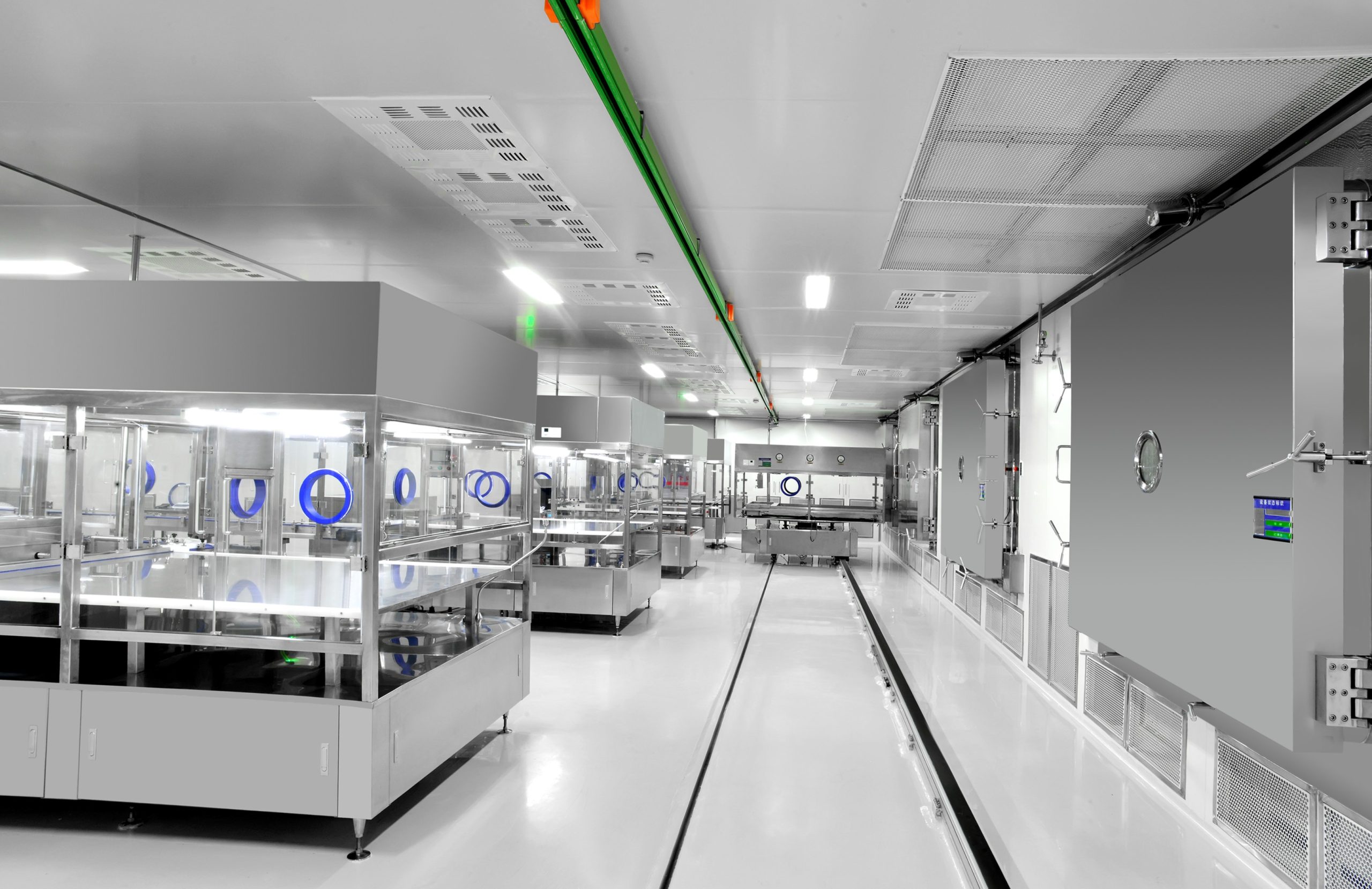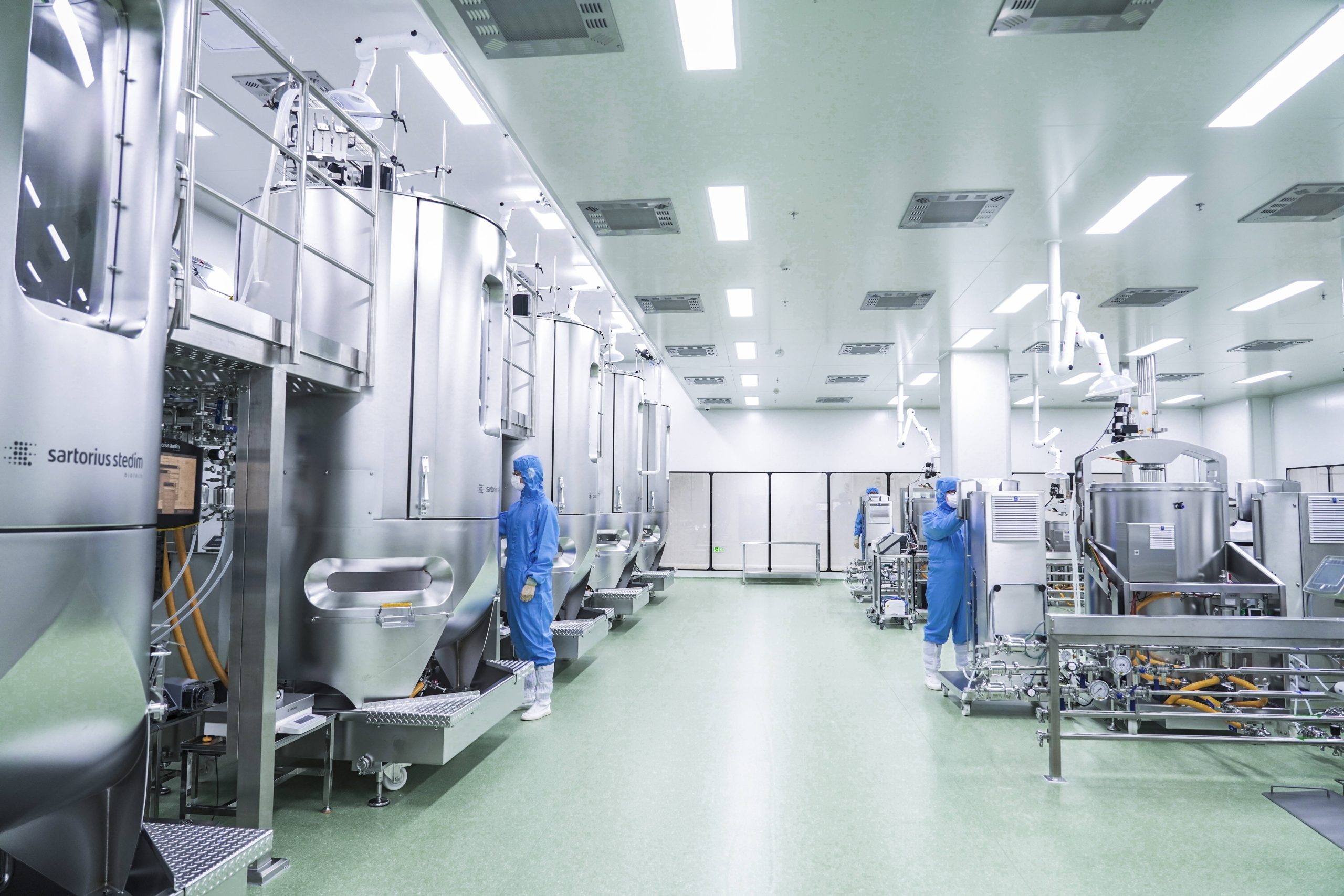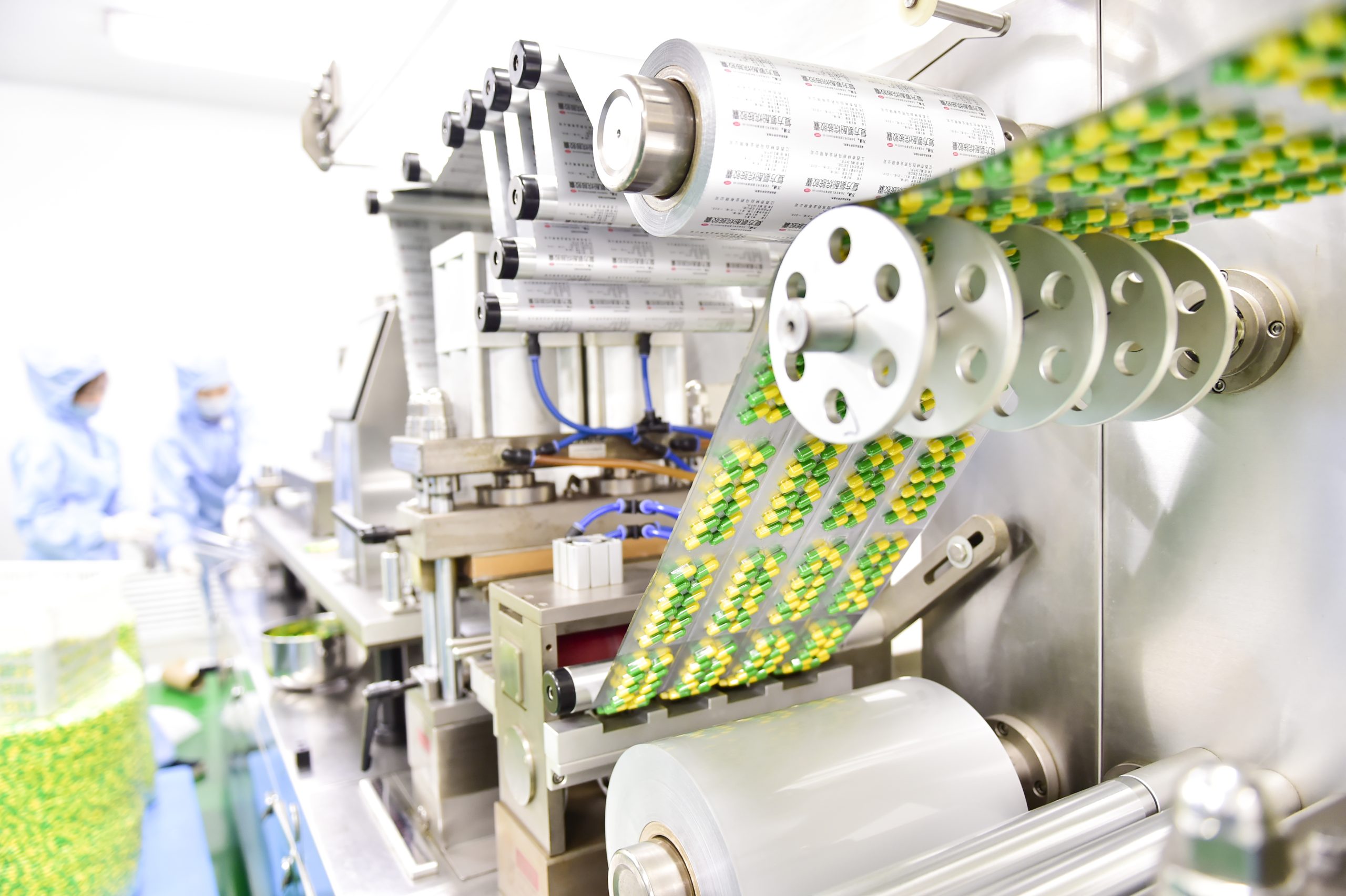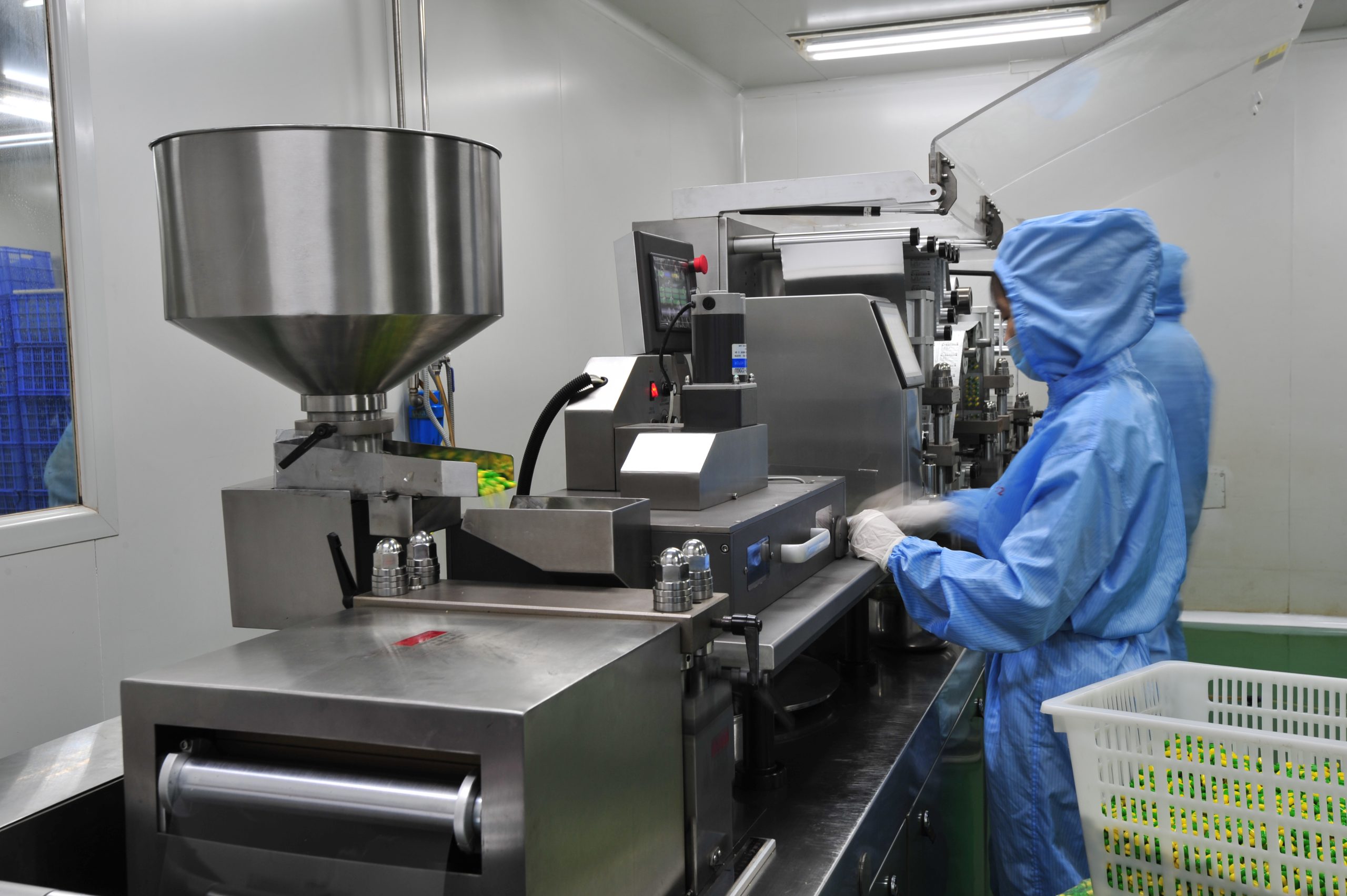

Capsule Hopper: The Most Overlooked Core Component in Capsule Filling Equipment
Ever wonder how those capsule pills or supplements we take daily get filled?
I used to think it was simple. Just pour powder into empty capsules, right? Then I stumbled on a viral video on Reddit. Red and blue capsules poured from a hopper. Then like magic, they all aligned neatly—blue end down—into a filling tray. I was stunned.
How on earth does that work?
An 8,000+ Upvote Video Sparked My Curiosity
There’s a post on Reddit’s r/oddlysatisfying called “Loading the capsule machine.” It got nearly 9,000 upvotes. In the video, an operator dumps empty capsules randomly into a tray. Shakes it a few times. Slides a board. Boom—all capsules instantly flip, orient, and drop into their slots.
Comments exploded.
“How do they know blue end goes down?” one user asked.
Someone joked “blue is heavier than red.” Another seriously analyzed “that’s why blue sits lower in the rainbow.” But the real answer is pretty clever: capsule ends have different widths.
A 15-year compounding pharmacist, @ColorsLikeSPACESHIPS, explained: capsules have two parts—the narrower “body” and the wider “cap.” Slots beneath the tray are precisely designed. The narrow end slips through first. This achieves automatic orientation.
Reminded me of those coin sorters I played with as a kid. The principle is surprisingly similar.
The Overlooked “Hopper”: How Important Is the Capsule Hopper Really?
Before diving into this topic, I never paid attention to the word “hopper.”
In English, it’s called a Capsule Hopper. Sounds unremarkable, right? But in professional capsule filling machines, it’s the starting point of the entire filling process. As important as a car’s fuel tank.
According to industry materials, capsule feeding systems have two main parts: the Hopper and the Orientation/Rectification Unit. The hopper stores empty capsules. The orientation unit makes each capsule “obey” by aligning in the same direction. Together, they enable separation, filling, and sealing.
A Reddit engineer working at a pharma equipment factory shared: “Our machine fills 90,000 capsules per hour. The hopper feeds empty capsules into a track. A horizontal fork mechanism spins them into orientation—narrow end down, wide end caught. The whole process takes under a second.”
90,000 per hour.
I did the math. That’s about 25 capsules per second. And it all starts with that seemingly insignificant hopper.
“Hard-Learned Lessons” from Quora: The Cost of Cheap Equipment
If Reddit discussions lean toward “interesting” and “real experiences,” Quora content leans toward “professional depth” and “lessons from mistakes.”
Someone asked: “What are the most common problems with capsule filling machines?”
Top answers almost all mentioned these points:
- Moisture absorption—damp powder clumps, causing uneven filling
- Capsule breakage—poor equipment tolerances crush capsules during capping
- Powder adhesion—certain ingredients with static or oil stick to equipment
One user’s complaint was particularly brutal: “I bought a cheap manual filler. Tolerances were terrible. Capping broke two or three out of ten capsules. You really get what you pay for.”
This reminded me of a post on Reddit’s r/Supplements board. Someone asked “Which manual filler should I buy for DIY capsules?” Replies were basically a “pitfall avoidance guide”:
“Those cheap ones are all the same, quality all over the place. Really good machines use stainless steel press rods. Cheap ones use plastic—easily deforms, easily breaks.”
Another user added: “Tolerance issues are seriously bad. My machine kept crushing capsules during capping. Powder everywhere on the table…”
This is probably why professional Pharmaceutical Equipment Manufacturers invest heavily in R&D for hoppers and orientation mechanisms. One small detail done wrong affects the entire production line’s efficiency and yield rate.
Small Business Owners’ Real Struggles: Caught Between “Too Expensive” and “Too Slow”
A post on Reddit’s r/smallbusiness left a strong impression.
An entrepreneur said he runs a small supplement company. Needs to produce several thousand capsules monthly. Hire a contract manufacturer? Profit gets eaten up. Buy equipment himself?
“Cheap manual machines are too slow. Only 100 capsules at a time. Can’t finish orders in a whole day. But fully automatic machines start at ten or twenty thousand dollars. Our current volume can’t justify that.”
This “stuck in the middle” awkwardness is something many small and medium pharma companies face.
Someone shared their solution in the comments:
“We eventually found a semi-automatic unit around $6,000. It has an automatic orientation tray. Cut loading time from 15 minutes to about 3 minutes. Still requires manual participation, but way more efficient than purely manual.”
He also mentioned a key point: some powder ingredients aren’t suitable for fully automatic equipment. Moisture-sensitive, high-static, or oil-containing materials cause problems on automatic lines. Semi-automatic equipment is more flexible. Can handle “difficult” formulas.
Reminded me of an old saying: there’s no perfect tool, only the most suitable one.
A Tray Redesign Case Study: The Secret Behind $6 Million in Sales
A post on r/Entrepreneur told an interesting product development story.
A design company got an assignment: their client’s capsule filling tray was getting terrible reviews. Users complained capsules wouldn’t sit stable. Tray too flimsy. Wobbled during operation. Return rate sky-high.
They made two changes:
- Thickened the base to make the tray more stable
- Optimized hole design so capsules could “sit” more securely without wobbling
Just these two changes.
The result? New version sold over $600,000 in the first year. Bad reviews turned good. Many users spontaneously recommended it.
The original poster said something I thought was great:
“Those ‘small details’ seem insignificant, but they determine whether users will buy again.”
This probably explains why good capsule filling machines put serious effort into those “invisible” areas like hoppers, orientation mechanisms, and tolerance control.
Some Thoughts of My Own
Researching this topic, I noticed an interesting pattern:
Quora discussions are more like “textbooks”—telling you what equipment parts exist, how to maintain them, what to watch for when buying. Professional, systematic, but a bit cold.
Reddit discussions are more like “casual chats over tea”—people sharing mistakes they made, showing off their DIY capsules, enthusiastically debating questions like “why do capsules auto-orient?” Down-to-earth, real, but information is fragmented.
Combining both gives you a relatively complete picture.
Regarding the Capsule Hopper component, my biggest takeaway is:
It’s like a good logistics department—when it works well, you don’t notice it at all. But once something goes wrong, the entire system collapses.
From a design perspective, a good hopper must consider: material (usually stainless steel, cGMP compliant), shape (cylindrical, conical, or wedge—affects capsule flow), sensors (auto-detect capsule inventory), and precision coordination with orientation mechanisms.
These details consumers will never know. But every capsule you swallow went through this process.