
Before Diving Into Automatic Capsule Filling Machines, These “Hard-Learned Lessons” You Must Know
Introduction: A Frustrating “Middle Ground”
On Reddit’s r/smallbusiness board, there’s a post with a painfully blunt title: “I desperately need a capsule filling machine suitable for small business.”
What poster NoPenaltyKick said probably echoes countless entrepreneurs’ struggles—
“Cheap manual capsule fillers ($35-$800) are way too slow. Absolute waste of life. But truly efficient automatic capsule fillers start at $15,000. Totally unaffordable for our scale. Any middle-ground options?”
First time I saw this post, I thought it was just a simple purchasing question. But after digging through nearly a hundred related discussions on Quora and Reddit, I discovered—this rabbit hole goes way deeper than expected.
1. The Price Shock Behind “Fully Automatic”
Let’s start with a reality that makes many people retreat:
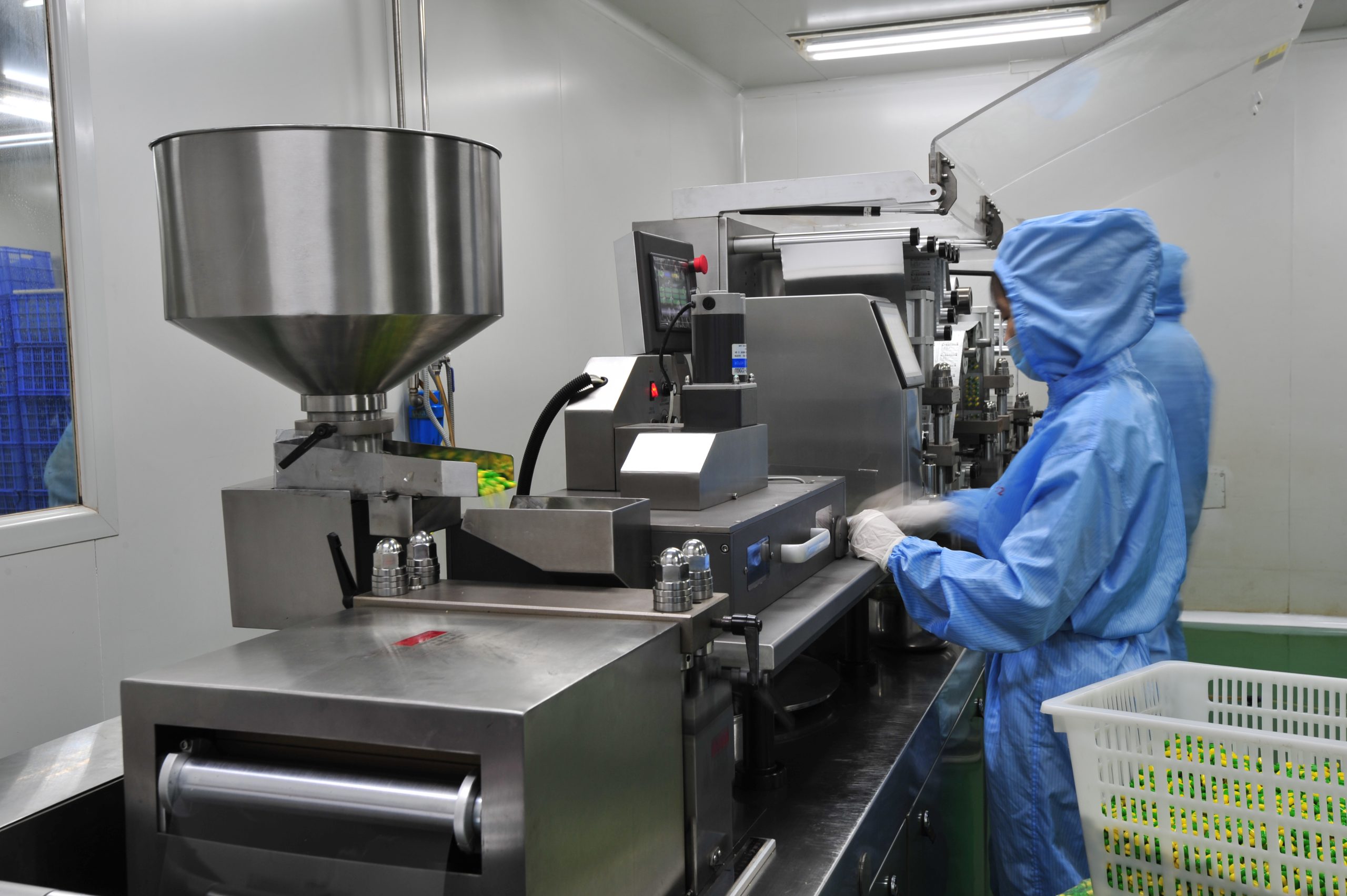
On r/specializedtools, user Wilsonsonone showed off their factory’s AF90T automatic capsule filling machine. Someone asked about equipment costs. Industry insider radix- gave cold, hard numbers:
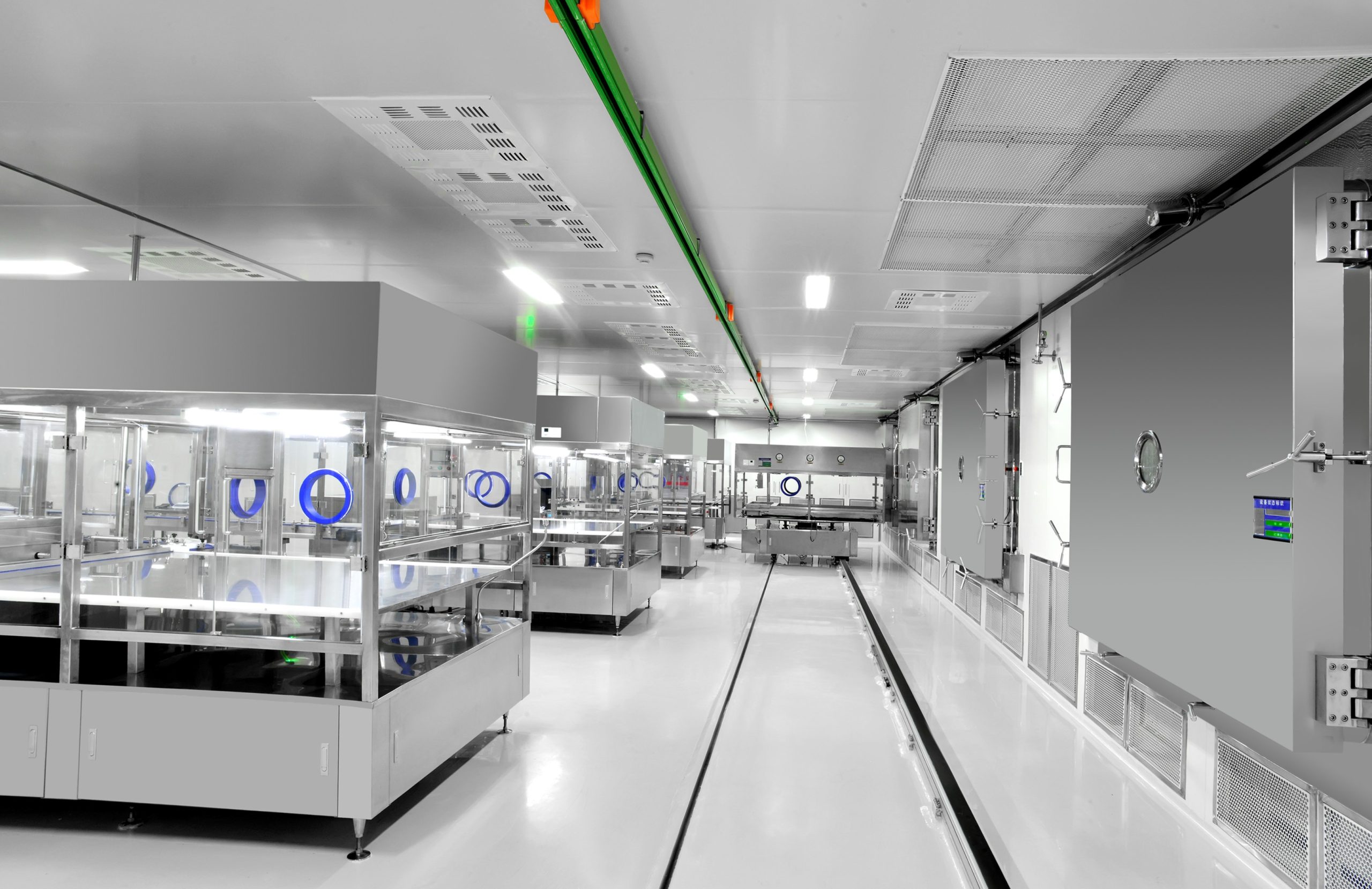
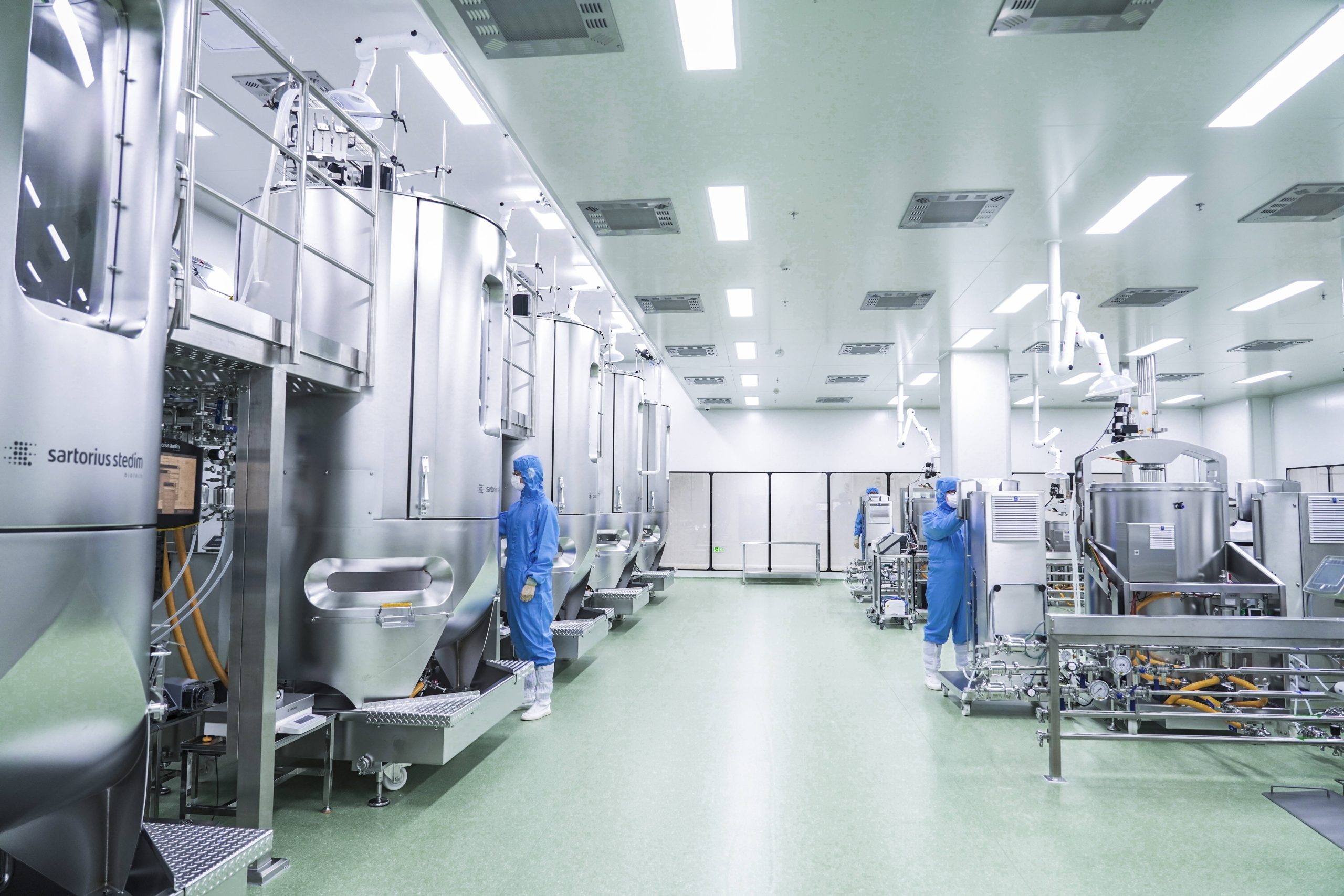
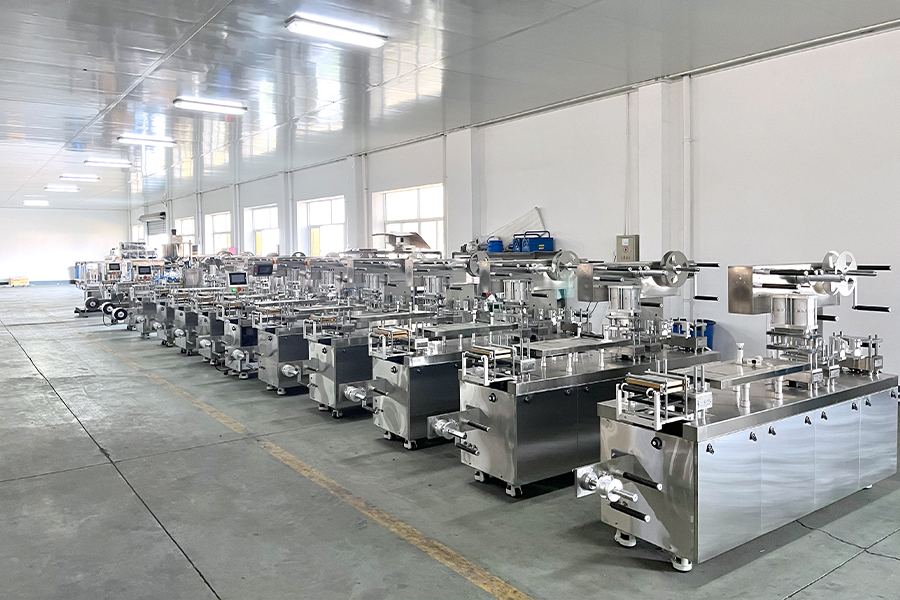
“Chinese-made automatic machines start around $20k. American brands exceed $200k. But that’s just the filling machine itself. You also need mixers, capsule counters, metal detectors, induction sealers, conveyors, polishers… A fully loaded capsule filling machine production line costs about $400k-$500k in equipment alone. Add installation labor and facility modifications, total investment approaches a million dollars.”
One million dollars.
This figure alone makes most small to medium business owners abandon the idea of “building their own production line.” No wonder so many eventually choose contract manufacturers, even if profit margins get eaten away.
However, some found a “survival strategy.” Wilsonsonone revealed their entire second-hand production line cost only £300k (about $380k), including polisher, capsule inspection system, two ADUs, and that AF90T.
“Second-hand industrial equipment is an art,” user paulgrant999 said. “Many companies going bankrupt must sell equipment cheap. You can find bargains at auctions.”
This gave me a new perspective: for budget-limited companies wanting to build production capacity, the used equipment market might be an underestimated option. Of course, you need a technical team to verify equipment condition.
2. The Semi-Automatic Awkwardness: Is It Worth It?
Since fully automatic is too expensive and manual too slow, what about semi-automatic?
Under that r/smallbusiness post, user CooooolBro shared their decision process:
“We started with a 400-hole manual machine. Later upgraded to 800 holes. Then realized—either contract out or make a big upgrade. Checked contract quotes. We decided to buy our own machine.”
They ultimately chose a semi-automatic machine called Pro-Op 300, about $6,000 with accessories.
“It helps separate capsule shells. Way faster than manually splitting empty capsules one by one. Now with orientation trays, we do 300 capsules in 5 minutes.”
Three hundred capsules in five minutes. That efficiency sounds decent, right?
But another user, everlyafterhappy, bluntly criticized: “That price is a ripoff.”
CooooolBro countered that after extensive research, factoring in DEA registration, shipping, and tariffs, this was the best deal he could find.
This reminded me of something: many solid dosage equipment manufacturers have pretty “tricky” pricing strategies. Basic models look cheap, but truly useful accessories (like auto-orientators, multi-size molds) cost extra. You think $2,000 gets you started. End up spending two or three times that for a complete set.
3. Powder “Temperaments”: Some Ingredients Will Drive You Crazy
After discussing machines, we need to talk about something more mystical—the powder itself.
CooooolBro mentioned an often-overlooked issue:
“Some ingredients are impossible to work with. Static, clumping, stickiness… Unless you add tons of anti-caking agents and flow agents, automatic machines can’t handle them. That’s why big manufacturers’ capsules are full of ‘junk additives’—not because they want to, but because the machines force them.”
Indeed.
In LFA Capsule Fillers’ official guide, they specifically list “seven common mistakes.” Number three: formulation characteristics don’t match the machine.
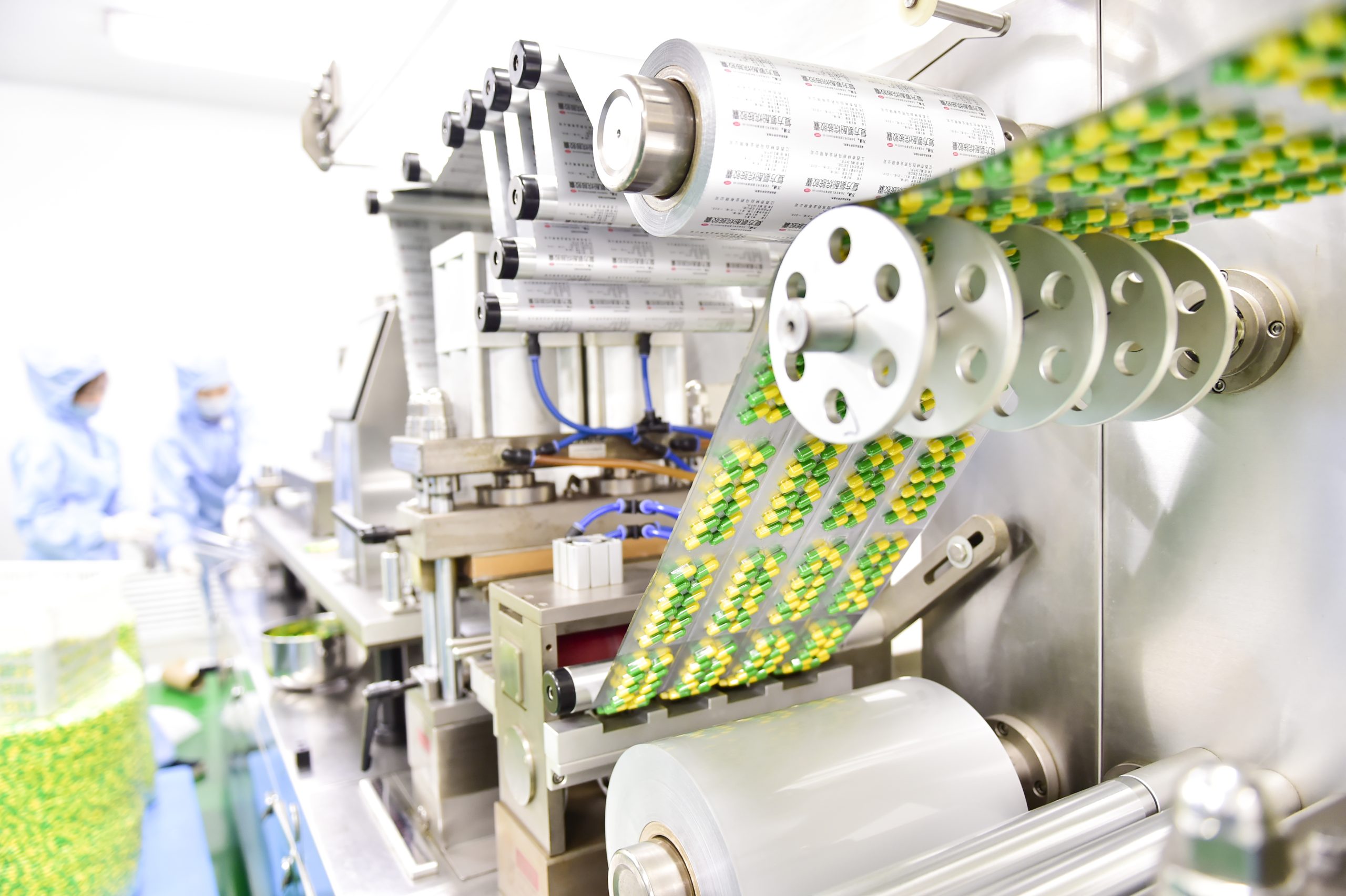
Automatic capsule fillers mainly have two filling mechanisms: “dosator and piston” or “tamping pins and dosing disc.”
The former requires powder with good compressibility and lubrication (usually adding magnesium stearate), otherwise the piston can’t push it out. The latter demands better powder flowability (usually adding dicalcium phosphate), otherwise the powder height in the dosing disc varies, making each capsule fill inconsistently.
This means—you can’t just take a formula and randomly pick a machine. You must first understand the machine’s “temperament,” then adjust the formula to accommodate it. Or, like CooooolBro, choose a semi-automatic machine more tolerant of powder properties, sacrificing some efficiency for formula “purity.”
There’s another memorable case. On r/specializedtools, someone mentioned that making curcumin/turmeric capsules turned their entire workshop yellow:
“Turmeric is basically yellow dye. I made 6 batches four years ago. Machine’s still yellow. I wore gloves. My hands stayed yellow for three weeks.”
Another user said making cayenne pepper capsules required full protective gear plus respirator:
“Without it, you’ll cough until you question existence.”
So don’t think capsule filling sounds all “industrial.” Actual operation is full of unexpected challenges.
4. Why Did Amazon Stop Selling Capsule Filling Machines?
This question sparked heated discussion on r/Supplements.
In July 2024, user JarlBallnuts posted: “Why did capsule filling machines disappear from Amazon??”
Comments gave the answer—
“Because of DEA regulations.”
Here’s what happened: in February 2024, eBay was fined $59 million for violating the Controlled Substances Act by selling tablet presses. Subsequently, the DEA sent notices to major e-commerce platforms reminding them: selling tablet presses and capsule filling machines is regulated activity requiring recording and reporting purchaser information.
Amazon and eBay clearly didn’t want this trouble. They simply delisted related products.
Some complained: “Government overreach.”
Others went conspiratorial: “They don’t let regular people make capsules so big pharma can maintain their monopoly.”
But objectively, this regulation has its logic—after all, tablet presses and capsule fillers can be used to manufacture illegal drugs. The problem is it also hurt many people who just want to make legal supplements for themselves or small customers.
Now buying capsule filling machines basically requires going to professional supplier websites. Users recommended brands like Blated, Herb Affair, All-In-Capsule, but some reported “mediocre customer service” and “difficult returns.”
Miss Amazon’s convenience and protection? That’s ancient history now.
5. Those Overlooked “Small Details”
While browsing these discussions, I found several easily overlooked but critical points:
1. Capsule type selection
Gelatin capsules are cheap and common. But if your formula contains moisture or hygroscopic ingredients, gelatin becomes brittle or sticky. In this case, vegetarian capsules (HPMC) are better, though pricier.
2. Storage environment requirements
Empty capsules need storage at 45%-55% humidity and 18-24°C. Too humid causes sticking. Too dry causes cracking. One user suggested putting desiccants in capsule bags. Works remarkably well.
3. Electrical certification pitfalls
Many machines imported from Asia only have CE certification. May not be accepted in the US. Before buying, confirm if UL or CSA certification is needed.
4. Cleaning is a real nightmare
Multiple users complained that deep cleaning when switching products “makes you want to quit.” Especially for strongly pigmenting or irritating ingredients like turmeric or cayenne.
6. The Power of Product Design: A Successful Tray Improvement Case
Finally, I’ll share a story that caught my eye.
On r/Entrepreneur, user Alwaysprototyping described helping a client improve a capsule filling tray:
“Original tray was too thin. Capsules wouldn’t sit stable, wobbled around. High return rate. We thickened the base, adjusted slot tolerances, added a top cap making it easier to cap 25 at once.”
The result? New tray sold over $600,000 in its first year. Reviews went from “terrible” to “finally works well.”
This case illustrates something: in the capsule filling field, user experience improvement potential is actually huge. Many “outdated designs” have been used for decades. Nobody wants to touch them. But if someone genuinely listens to user pain points and makes even small improvements, the market rewards you.
Conclusion: Do You Really Need An Automatic Capsule Filling Machine?
After writing this article, I have one feeling:
Choosing a capsule filling machine has never been just about “which machine to buy.”
It involves your production scale, formulation characteristics, budget ceiling, technical capabilities, even regulatory compliance—every link can become a bottleneck.
If you’re a DIY individual user, a $50 hundred-hole manual filling board might suffice. Though a bit time-consuming.
If you’re a startup, a $3,000-$10,000 semi-automatic machine might be a more pragmatic starting point. More efficient than manual. Won’t crush your cash flow.
If you have stable orders with daily production needs of tens or hundreds of thousands of capsules, then seriously consider fully automatic lines. At that point, consulting with a reliable solid dosage equipment manufacturer beats scraping forum posts yourself.
One last thing: whatever equipment you choose, get your formulation right first. Powder density, flowability, hygroscopicity… these “hidden parameters” often determine whether you can start production smoothly.