
How Did Capsule Sorting Machines Evolve into Intelligent “Quality Guardians” for Pharmaceutical Companies?
The Hidden Battleground in Pharma Tech—Can Small Players Beat the Giants?
A quiet revolution is happening on capsule production lines. Capsule Sorters sound boring. So why are pharma executives suddenly obsessed with them?
On the surface, it’s just a machine. It dusts, polishes, and rejects defects. Some handle 300,000 capsules per hour. But dig deeper. You’ll find it targets pharma’s biggest nightmare: zero tolerance for defects.
Picture this. One cracked or overfilled capsule reaches a patient. Disaster. Manual sorting is slow and misses too much. Modern Capsule Sorters use automated vision, precision weight sensors, and pneumatic curtains. They catch empty shells, fragments, and weight variations instantly.
Here’s the contradiction. The tech isn’t rocket science. Yet 80% of small-to-mid pharma companies still use outdated equipment. Their yield rates hover around 95%. Meanwhile, giants like Pfizer upgraded years ago. Still hesitating?
I used to think this was just a “support” machine. Then I read the industry reports. It’s not a tool. It’s a strategic moat. The global capsule drug market exceeds $100 billion. FDA and NMPA regulations keep tightening. Any tiny flaw can trigger massive fines.
This article explores how Capsule Sorters evolved from dust cleaners into intelligent sentinels. And how your company can break through.
From Dust Fighter to Smart Guardian
Every capsule line has awkward moments. Freshly filled capsules covered in powder. Static makes them clump together. Worse, 5-10% are defective—empty shells, overfills, cracks, contaminants. Human eyes can’t catch them all.
The old way? Workers wiped and sorted by hand. Speed? A few thousand capsules per hour, max. Cost? High labor plus high error rates. Result? Packaging bottlenecks. Rework nightmares. Failed GMP audits.
Capsule Sorters changed everything. Here’s the core workflow:
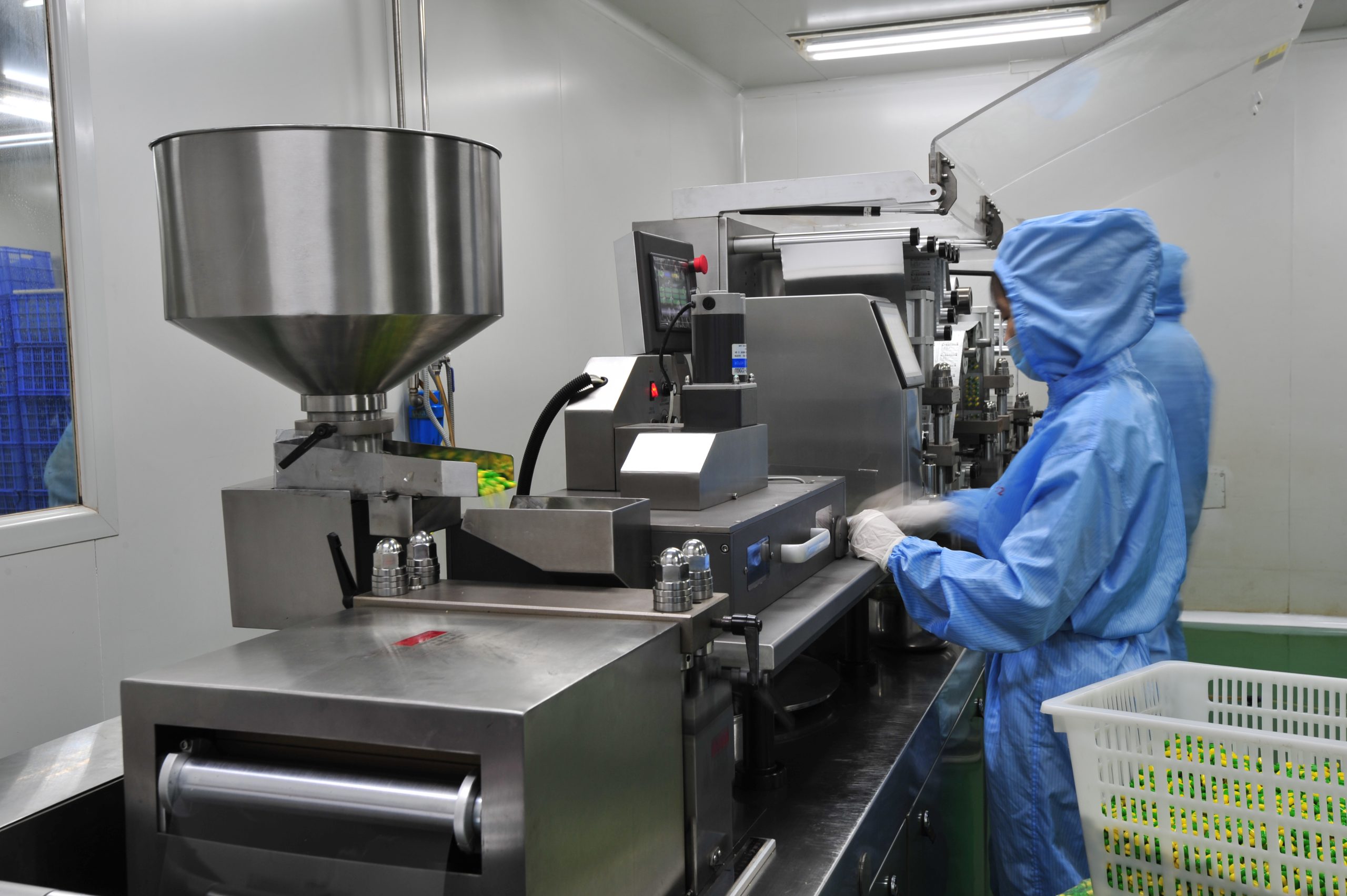
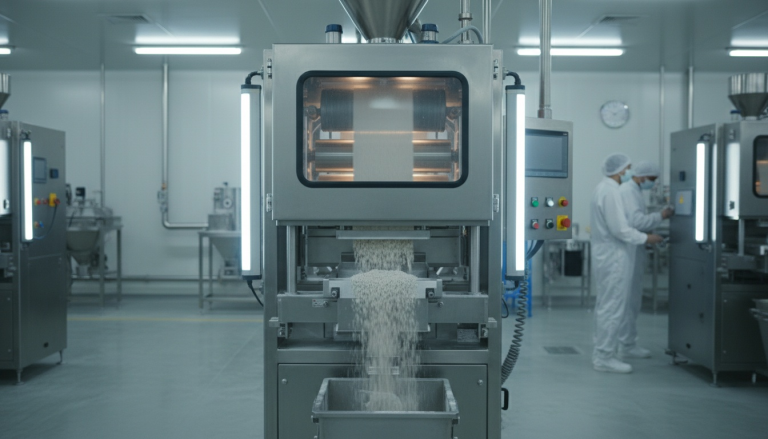
Filled capsules enter hopper → Rotating brushes polish and dust → Vacuum removes debris → Vision/weight sensors scan → Pneumatic curtains reject defects → Good capsules exit orderly.
These machines are compact—roughly 900×600×1100mm. Motor power? Just 0.18kW. Speed? Up to 7,000 capsules per minute. Premium models from SaintyCo hit 300,000 per hour. They handle any capsule size. No mold changes needed. Plug into any filler and go.
Don’t be fooled by basic specs. This isn’t simple machinery. Multiple modules work together. Inlet chutes with calibration holes feed capsules. Retention plates and selection discs spin and sort. Expansion air curtains blast away defects with precision.
The logic matters: polish first, then sort. Clean capsules ensure accurate weighing and measuring.
The market has split. Pure polishers handle dust and static. Pure sorters reject shells and fragments. But combo Polisher-Sorters dominate now. Watch Lodha’s demo videos. Empty shells and tiny cracks get “sentenced” and ejected in milliseconds.
This machine evolved from dirty-work handler to quality control headquarters.
AI and Sensors Are the Real Revolution—Small Players Will Fall 3 Years Behind
Strip away the surface. Capsule Sorters aren’t about dust removal. They’re intelligent defect hunters.
The process feels sci-fi. Capsules drop onto a tilted selection disc. Scrapers push them into tapered calibration holes. The machine scans diameter and weight in real-time. Good ones pass through. Bad ones—whether jammed from poor assembly or off-weight—get blasted into reject bins by precision air jets.
The numbers speak. Manual sorting accuracy? Under 98%. Huge safety risk. Machine accuracy? Over 99.9%. Total cost drops 80%.
Advanced models now integrate AI vision. They log defect types in real-time. Too many cracks? Feed that data upstream. Adjust filler pressure. Too many empties? Call your shell supplier.
Bold prediction: By 2028, AI-powered Capsule Sorters will hit 70% market penetration. Up from 30% today.
Why? Regulatory pressure. EU REACH. China’s new GMP rules. Everyone demands zero-defect traceability.
But here’s the tension: technology democratization versus barrier creation. Equipment costs $10,000 to $50,000. ROI? Usually 3-6 months. Small companies hesitating now might miss their survival window.
Giants like Hengrui already customize integrated production lines. They’re cutting costs another 20%. My prediction: companies that don’t upgrade will exit mainstream supply chains within 3 years.
Quality Control Is Cash—Life or Death for Pharma Companies
For pharma executives, this isn’t buying equipment. It’s rebuilding your entire value chain.
- Revenue side: Yield jumps from 95% to 99.5%. For companies producing tens of millions of capsules yearly, that’s $70,000-$280,000 saved annually in waste alone.
- Operations side: Packaging runs smooth. No more static jams. GMP audits? Export machine data with one click. Regulators love digital dashboards.
- Market side: Upgrading your Capsule Sorter screams “premium.” Command 10-20% price premiums. For EU/US exports, zero defects are non-negotiable.
Consumers benefit too. That fish oil bottle might have hidden micro-cracks before. Now smart sentinels catch everything. Safety jumps.
Pharma is shifting from mass production to intelligent precision. Those who don’t adapt become spectators.
What Should You Do?
- Choose combo machines immediately. Skip single-function units. Go straight for branded Polisher-Sorters. Target: 50,000+ capsules/hour with basic vision or weighing.
- Build data feedback loops. Use machine reject logs. Create a defect dashboard. Cracks over 20%? Adjust filler pressure. Too many empties? Call your shell supplier.
- Pilot small first. Start with one supplement line. Run 3 months of data. Hit yield targets, then scale. Tight budget? Consider leasing.
- Form supplier alliances. Bulk-purchase with peers. Negotiate better prices, service, and AI software upgrades.
- Invest in talent and certification. Hire equipment engineers. Integrate machine monitoring into your QMS. Turn data into competitive advantage.
Conclusion
Capsule Sorters evolved from dust-busting sidekicks into intelligent command centers. The industry inflection point is here.
Whoever controls quality data controls the market.