
Future of Thermoforming Blister Machines: Market Analysis and Procurement Guide in 2026
A Quiet Power Shift in an Unsexy Industry
Thermoforming blister machines sound boring. But their products are everywhere.
Your daily pills. Vitamins. Toothbrushes. Electronics accessories at the store. All made by these machines.
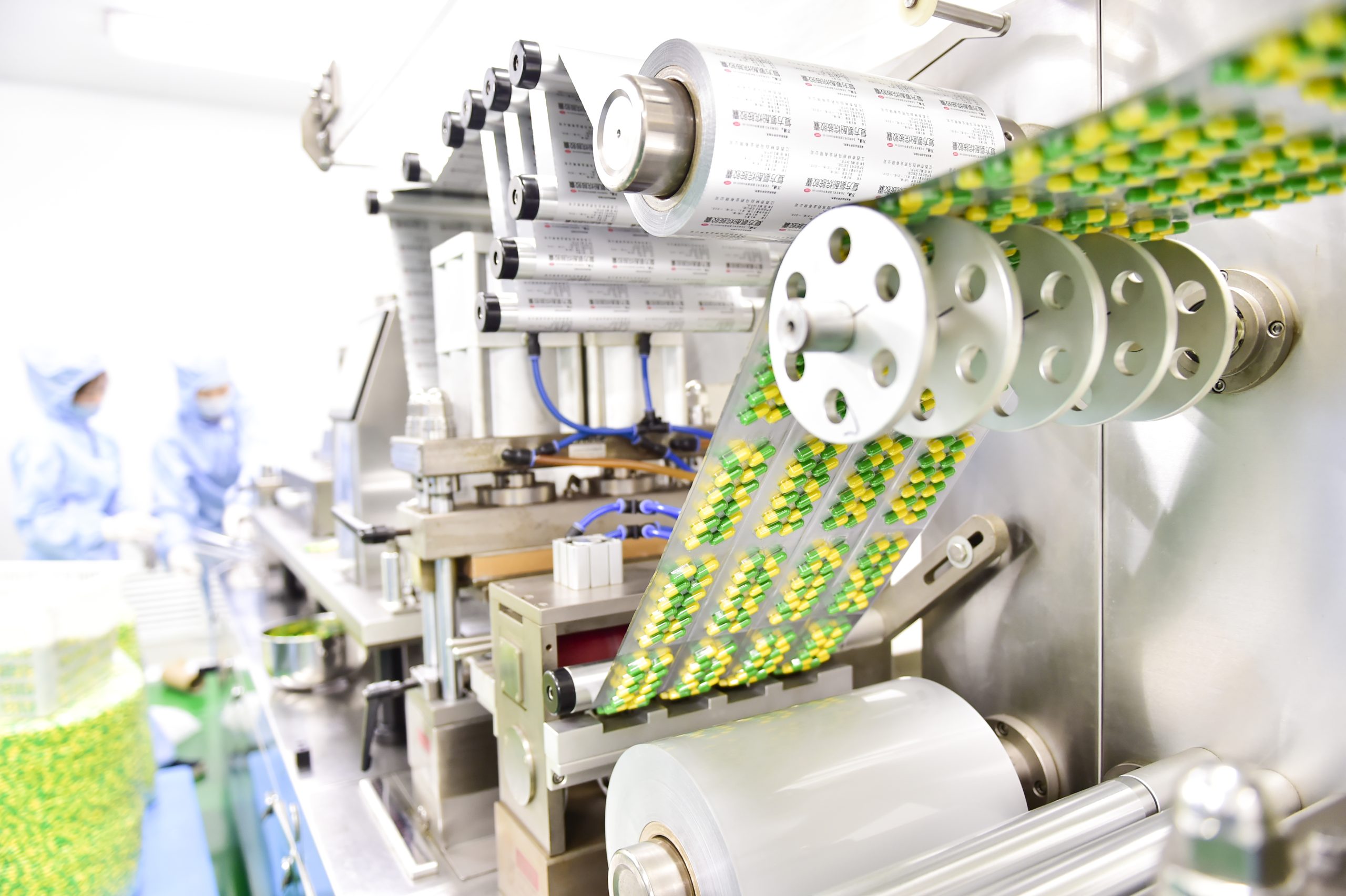
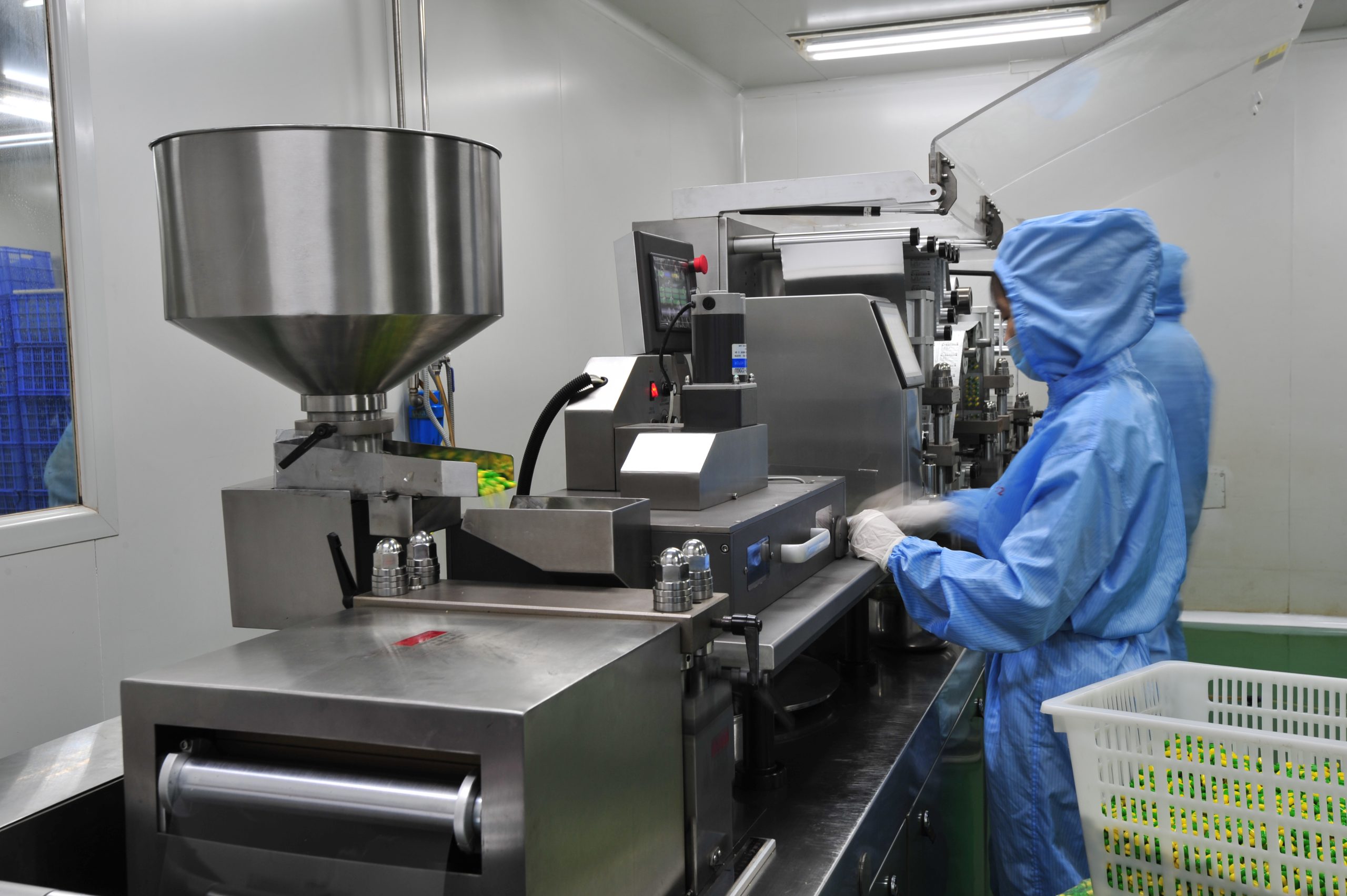
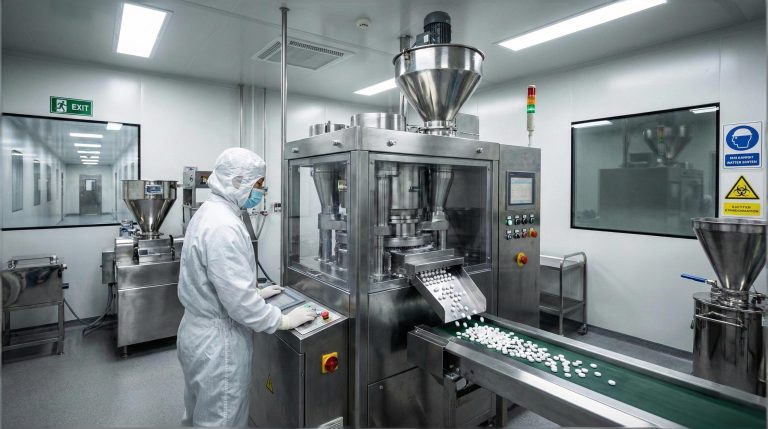
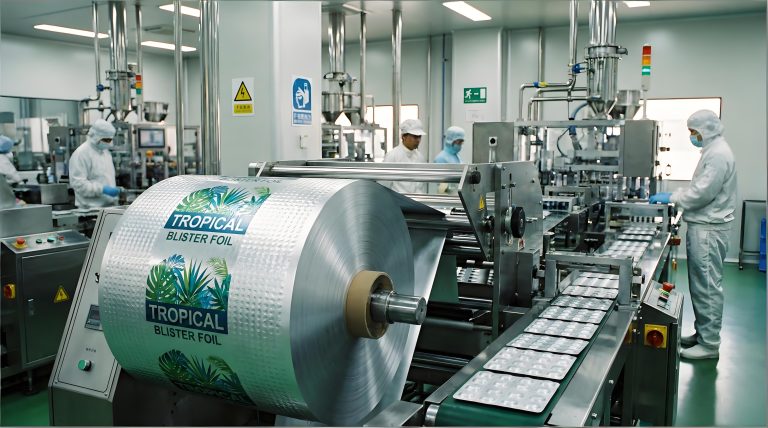
The process is simple. Heat plastic sheets. Mold them into “blisters.” Fill with product. Seal with foil. Done.
This industry looks old. Belco Packaging Systems started in 1959. Ascend Packaging Systems launched in 1967. Visual Packaging has been around since 1970.
So why is this 60-year-old “sunset industry” hotter than ever in 2026?
The answer isn’t about the machines. It’s about production logic and global supply chains. Both have fundamentally changed.
The Global Power Reshuffle
1. Europe Still Leads—But No Longer Alone
Latest 2026 market data shows traditional giants still dominate.
Germany’s Uhlmann Packaging Group holds about 11% market share. Engineering excellence is their edge. Syntegon Technology (spun off from Bosch Packaging in 2020) claims 10.5%. They’re pushing hard on digital transformation. Italy’s IMA Group leads with 12.8%. Aggressive global acquisitions got them there.
European companies still control technical standards and brand premiums.
Take Marchesini Group. Founded in 1974. They pioneered modular, scalable systems. Their famous MB series uses “Balcony Design.” It separates mechanical drives from packaging zones. This boosts transparency and cleaning efficiency. Meets strict GMP standards.
European manufacturers don’t just sell hardware. They sell integrated solutions—industrial aesthetics, precision engineering, and compliance built in.
2. American Players Win by Going Niche
U.S. companies skip the full-chain game. They dominate specific segments instead.
PharmaWorks in Odessa, Florida holds just 2.5% market share. But they spotted a trend early: personalized medicine. Their TF1e and TF2 machines use full servo-drive technology. They switch between thermoformed (plastic) and cold-formed (alu/alu) blisters easily.
American companies are exiting high-volume, high-energy competition. They’re doubling down on precision, flexibility, and small-batch clinical manufacturing.
SED Pharma in Tampa (2.9% share) focuses on turnkey solutions. They don’t just sell machines. They offer end-to-end lifecycle services. De-blistering. Inline inspection. Smart cartoning.
In 2026, this “service-as-product” model makes U.S. firms irreplaceable in high-end integration.
3. China: From Quantity to Quality
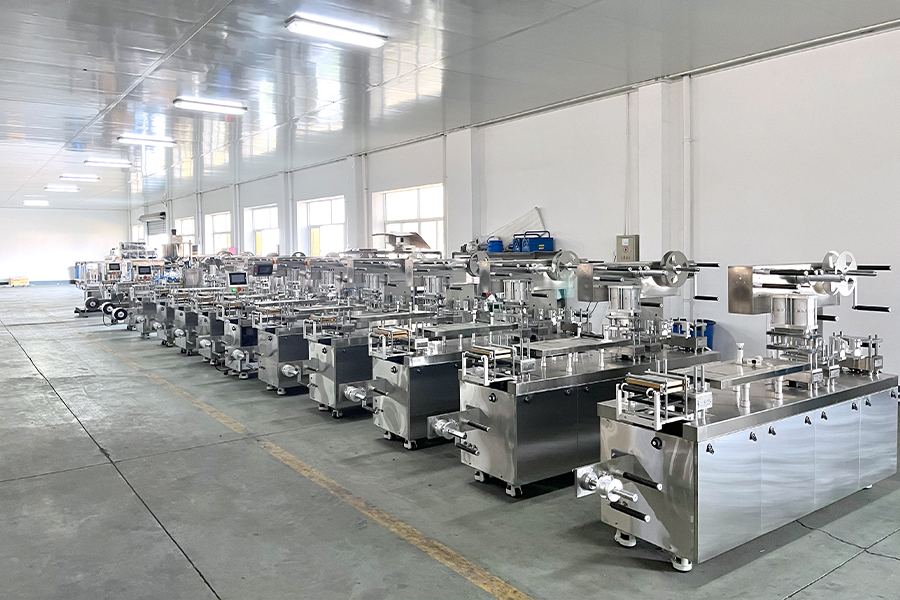
Zhejiang-based SaintyCo now holds about 4.4% global share. They offer over 100 machine models. Main markets: Asia and emerging economies.
China’s playbook: trade scale for market access.
Chinese machines used to mean “cheap.” That’s changing fast. Asian pharma is booming. Local suppliers win on delivery speed, after-sales support, and specialized knowledge of TCM and supplement packaging.
China is building industry standards. Using its massive domestic market as a testing ground. Then exporting “China Smart Manufacturing” to Southeast Asia and the Middle East.
What This Means for Everyone
For Pharma Companies: Rethink Your Buying Logic
If you’re a pharma decision-maker, stop thinking “cost-first.” Think “value-chain-first.”
- Big Pharma (Pfizer, Novartis): Still prefer Uhlmann or IMA. They need global service consistency, high OEE, and cold-chain expertise for biologics.
- Mid-sized Pharma and CMOs: Shifting to SaintyCo or SED Pharma. Faster ROI. Good enough for standard production. Cost-sensitive markets love them.
- Innovative R&D Labs: PharmaWorks-style “compact powerhouses” are ideal. Frequent mold changes. Tiny clinical batches. Speed to market wins.
For Machine Makers: Adapt or Die
Natural selection is brutal right now.
- European Giants: Growth ceiling is real. IMA’s 12.8% is near saturation. Future path: “hardware plus software.” AI predictive maintenance. Digital twins. Sell “production uptime,” not just machines.
- U.S. and Boutique Players: Stay ahead in niches like cell and gene therapy packaging. Avoid price wars at all costs.
- Asian Companies: The window is closing. Fail to move from “copying” to “standard-setting” in five years? You’ll get sidelined by automation and decarbonization waves.
2026 Action Plan
For Pharma Procurement Leaders:
- Redefine your capacity model. Stop chasing peak output. In a multi-SKU, small-batch world, changeover time beats “strokes per minute.”
- Build a resilient supplier matrix. Don’t put all eggs in one basket. Use European equipment for core lines. Add U.S. or Asian machines for flexibility and sudden demand spikes.
- Focus on compliance software, not just hardware. Audit trails and 21 CFR Part 11 compliance are non-negotiable. Evaluate software architecture and data integration before buying.
For Machine Manufacturers:
- Embrace sustainable packaging. Environmental regulations are tightening globally. Machines handling mono-material or biodegradable films will command premiums.
- Go deep, not wide. Forget full-line ambitions if you’re mid-sized. Become the “hidden champion” in clinical trial machines or ultra-fast changeover systems.
- Accelerate digital capabilities. Hardware has hit physical limits. The future battle is in the cloud. Remote diagnostics. AR-guided repairs. Save customers one hour of downtime. Win the order.
Conclusion
Thermoforming blister machines tell a bigger story. They mirror global manufacturing’s evolution.
Globalization once meant “one standard, winner takes all.” Now it means “regional coexistence, niche competition, localized supply chains.”
This isn’t a zero-sum game anymore. It’s a marathon about finding your precise ecological niche.
In this new era, scale doesn’t guarantee safety. Specialization and flexibility are your only tickets to the future.