
The Real Story Behind 360-Degree Capsule Inspection
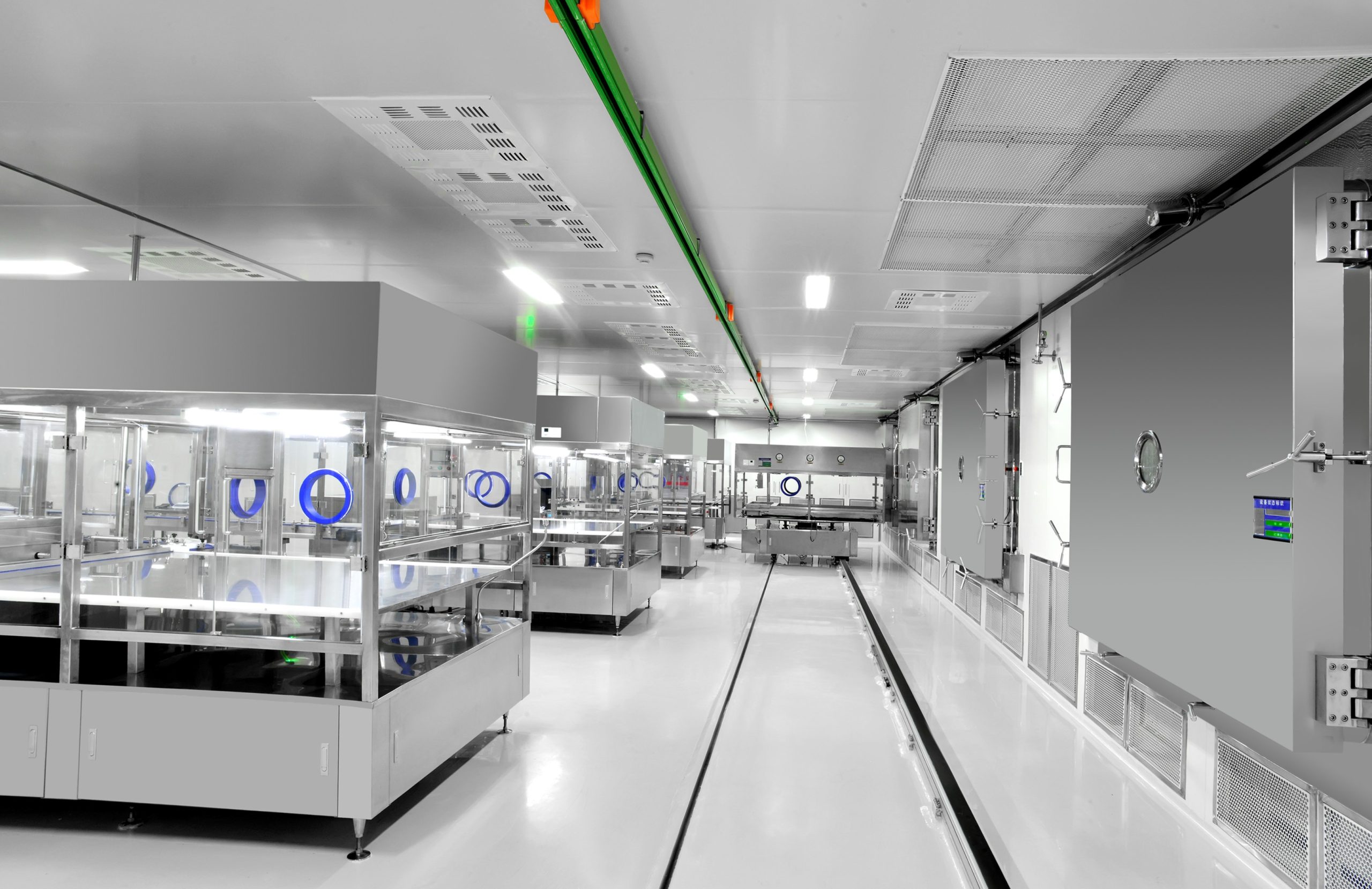
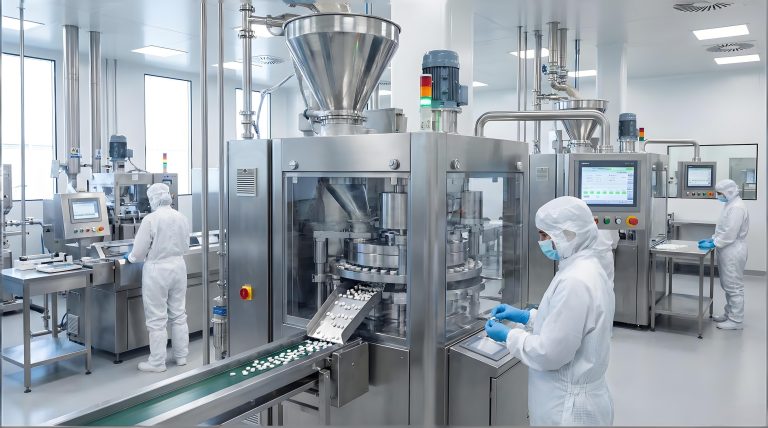
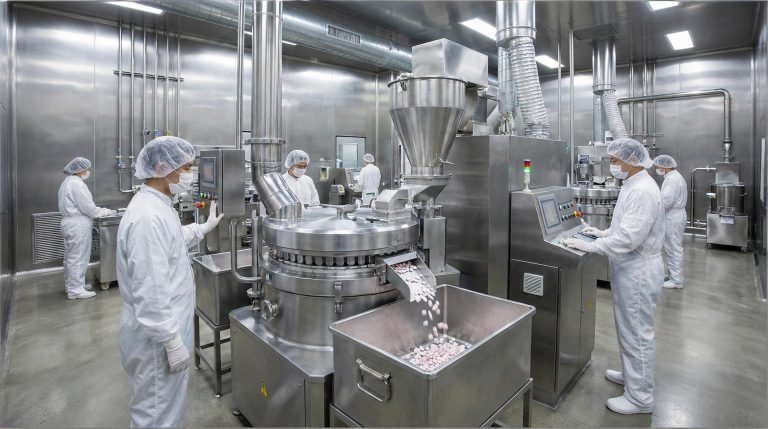
It’s 2 AM. A pharmaceutical factory’s production line is still running at full speed.
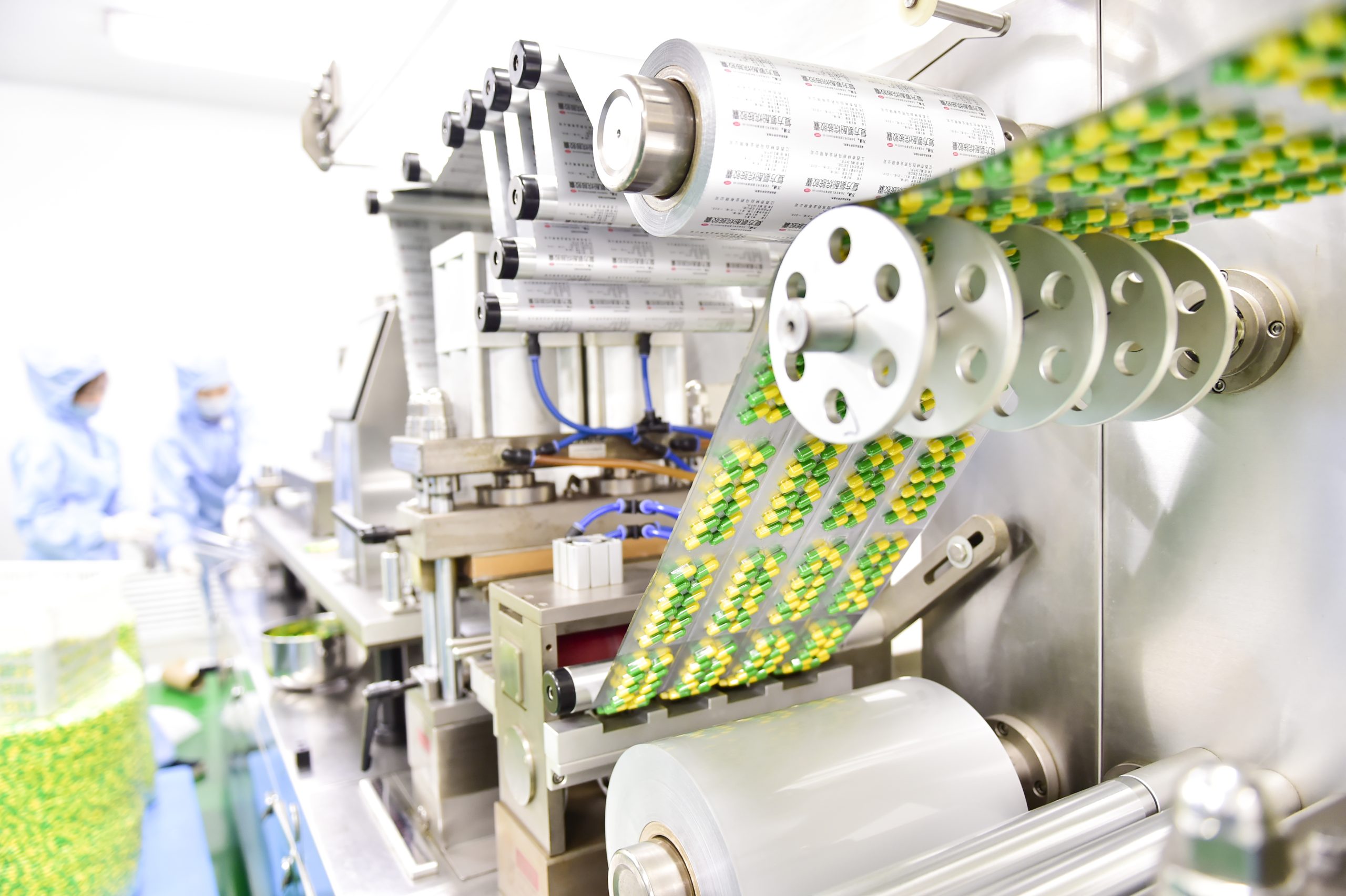
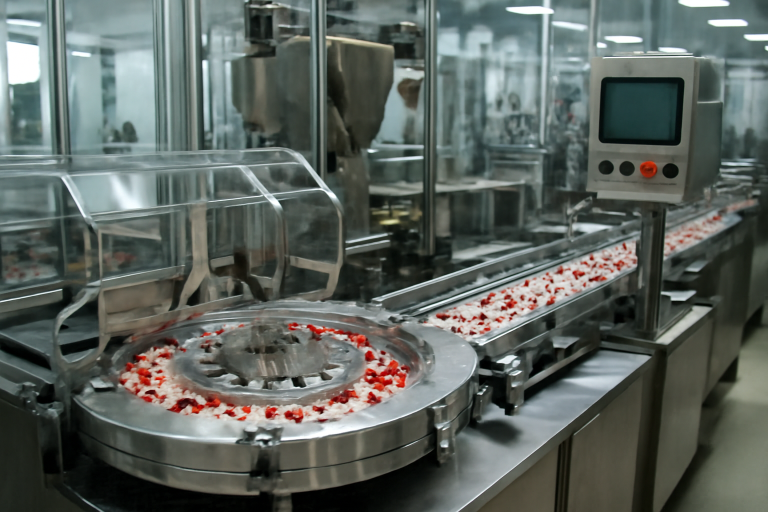
Thousands of capsules pass through an unassuming machine every minute. It has over a dozen high-speed cameras. Each capsule gets a complete “360-degree photoshoot.” Cracked ones? Wrong color? Blurry print? They all get kicked off the line.
This is the 360-Degree Capsule Inspection system. It’s becoming standard in pharma manufacturing.
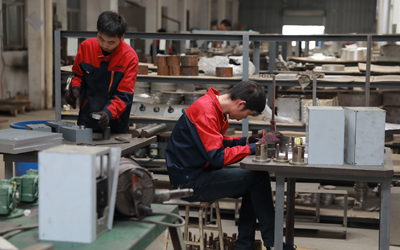
Sounds high-tech, right? But here’s the thing. Ten years ago, humans did this job with their eyes.
Human Eyes VS Machines: A One-Sided Fight
I used to think human eyes were good enough for this. After all, they evolved over millions of years.
Reality hit different.
According to FMEA data, manual visual inspection is only about 80% reliable. Why? Viewing time varies. Angles change. Personal judgment kicks in. Eyes get tired. Even the most diligent inspector can’t catch everything.
Worse, some defects are invisible to humans. Tiny air bubbles inside capsules. Microscopic scratches on soft gel surfaces. We just can’t see them.
Automated systems? Fast. Consistent. Tireless. And here’s the kicker: They won’t misjudge good capsules because they slept badly last night.
What Does 360-Degree Inspection Actually “See”?
Curious how it works?
Simple version: capsules spin while moving on a conveyor belt. Multiple cameras snap photos from every angle. AI algorithms analyze these images in real-time.
Mechanical Defects
- Chipping and capping: Edges crumbling or tops peeling off
- Lamination: Tablets splitting into layers (usually from uneven compression)
- Sticking: Powder clinging to dies, causing uneven surfaces
Visual Defects
- Spots and color variation: Uneven coloring from poor dye mixing
- Contamination: Dust, fibers, or foreign particles on surfaces
- Print quality issues: Blurry logos or misaligned text
Functional Defects
- Weight problems: May cause dosage inaccuracies
- Coating issues: Protective layers cracking, peeling, or uneven thickness
These seem like small problems. But they often signal formula issues or process drift. Miss them, and you might face a full batch recall. That’s expensive.
False Positives and False Negatives: A Tricky Balance
Automated detection isn’t perfect. It has weaknesses too.
Two terms matter here: False Rejection and False Acceptance.
- False Rejection: Good capsules wrongly flagged as defective. Direct money loss. Imagine a capsule costing $1.50. A 5% false positive rate. Ten million capsules yearly. That’s $750,000 wasted.
- False Acceptance: Defective capsules slipping through. Indirect costs, but scarier consequences. Recalls. Reputation damage. Patient safety risks.
Traditional vision systems have false positive rates between 1% and 45%. That’s why many factories add manual re-inspection. They buy expensive machines, then still need humans watching over them.
Pretty awkward, honestly.
AI Changes Everything: From “Pattern Matching” to “Understanding Defects”
AI has been a game-changer lately.
Traditional machine vision runs on rules. You tell it: “Cracks look like this.” “Color variance falls within this range.” But real-world defects are wild and unpredictable.
Deep learning works differently. Feed it thousands of “defective” and “good” capsule images. It learns the patterns itself. It catches those “hard to describe but obviously wrong” situations. Tiny bubbles in soft gels. Subtle coating texture anomalies.
Sensum’s SPINE system is a good example. It combines standard lighting with 3D surface imaging. Regular light catches colors and contamination. 3D imaging catches structural defects. Together, they slash miss rates.
Better yet, AI systems get smarter over time. More samples processed means higher accuracy. Some systems now achieve 99%+ detection rates while cutting false positives by 90%.
The Bigger Picture: A Complete Tablet Counting Line
360-degree inspection is just one piece of the automation puzzle.
A full Tablet Counting Line typically includes:
- Weight sorters: Precise weighing and rejection of out-of-spec products
- Print verification: Checking lot numbers and expiry dates
- Counting and bottling: Accurately filling each container (sounds simple, but at tens of thousands per minute, margins are razor-thin)
These machines come from specialized Pharmaceutical Equipment Manufacturers like Cognex, Syntegon, and Sensum. They don’t just sell hardware. They offer full system integration and validation services. GMP regulations demand it.
Here’s something interesting from Reddit’s pharma forums. Quality managers complain: “Buying machines is easy. Tuning parameters is hard.” Different products need different settings. Round tablets. Oval capsules. Clear soft gels. Each product switch means recalibration. That’s why “quick changeover” matters so much in equipment selection.
The Money Question: Expensive, But Worth It
Will pharma companies invest in automated inspection? It comes down to economics.
Upfront costs are steep. A high-end 360-degree system with sorting and data infrastructure runs hundreds of thousands to millions of dollars.
But look at operating costs.
Sensum’s white paper breaks it down:
- Manual inspection: 80% reliability. Multiple shifts. Fatigue errors. Slow.
- Automated inspection: 99%+ reliability. 24/7 operation. Dozens of times faster.
For a mid-sized factory producing 10 million capsules yearly, AI inspection saves:
- 5% false positive reduction: $750,000/year
- Eliminated secondary inspection equipment: $940,000/year
- Faster time-to-market and higher yields: Priceless
ROI typically hits within one year.
That doesn’t count brand reputation and compliance risk. One recall can cripple a company for years.
But Technology Has Limits
Automated inspection isn’t a magic bullet.
Industry discussions keep raising these issues:
1. Complex defect judgment is still limited
Can a tablet develop lamination over time? That needs historical batch data analysis. Current AI can’t do this.
2. Data security and compliance
AI needs training data. Pharma companies guard production data fiercely. Balancing AI benefits with trade secrets is tricky.
3. Equipment reliability and maintenance
High-speed cameras and precision sensors running in pharma environments? High humidity. Lots of dust. Maintenance costs add up.
4. Staff training
Operating automated equipment requires technical skills. Some smaller factories say finding qualified technicians is harder than buying equipment.
What’s Next?
Industry trends point toward wider adoption. But machines won’t fully replace humans.
More likely: Human-machine collaboration.
Machines handle high-speed standardized screening. Humans make final calls on complex cases and optimize systems. This keeps automation’s efficiency while leveraging human flexibility.
Another emerging direction: Predictive quality control. Current systems detect problems. Future systems might predict them. Analyze temperature, humidity, compression force during production. Adjust processes before defects appear.
That’s not just “inspection.” That’s true smart manufacturing.
Final Thoughts
Back to that opening scene.
That machine runs 24/7. It processes dozens, sometimes hundreds of capsules per second. It never gets tired. It doesn’t slack off near shift end. It won’t let a “close enough” capsule slide.
But honestly? I sometimes miss the warmth of manual inspection. Real human eyes. Watching over every pill we swallow. Taking responsibility.