
VFFS vs HFFS: Which Packaging Solution is Right for Your Product? (With 2026 Latest Selection Guide)
The “Efficiency Black Hole” Behind One Machine
VFFS stands for Vertical Form Fill Seal. It starts with a film roll. Pulls it through. Forms it. Fills it. Seals it. Done. One smooth motion spits out finished bags.
Sounds basic, right? Here’s the weird part. This tech was invented in 1936. Yet in 2026, the packaging world is still obsessing over upgrades.
Big players use servo motors and MAP gas injection for freshness. Meanwhile, small food factories still seal bags by hand. Or they buy secondhand HFFS machines. Their costs? Through the roof.
I thought this was just a “film-rolling machine.” Nothing special. Then I checked the industry data. Reality hit hard.
Global packaging is shifting from rigid containers to flexible stand-up pouches. VFFS sits right at that sweet spot.
By 2026, food and beverage packaging demand will exceed $500 billion. VFFS captures over 30% of that market.
The core conflict? Labor shortages plus environmental pressure. Manual packaging is slow and unsanitary. Plastic reduction is now mandatory.
VFFS saves materials. It syncs with multi-head weighers. Speeds hit 200 bags per minute. But small businesses think it’s “too expensive, too complex.” They’re getting crushed.
Breaking It Down
Let’s dig into the mechanics. The workflow is straightforward.
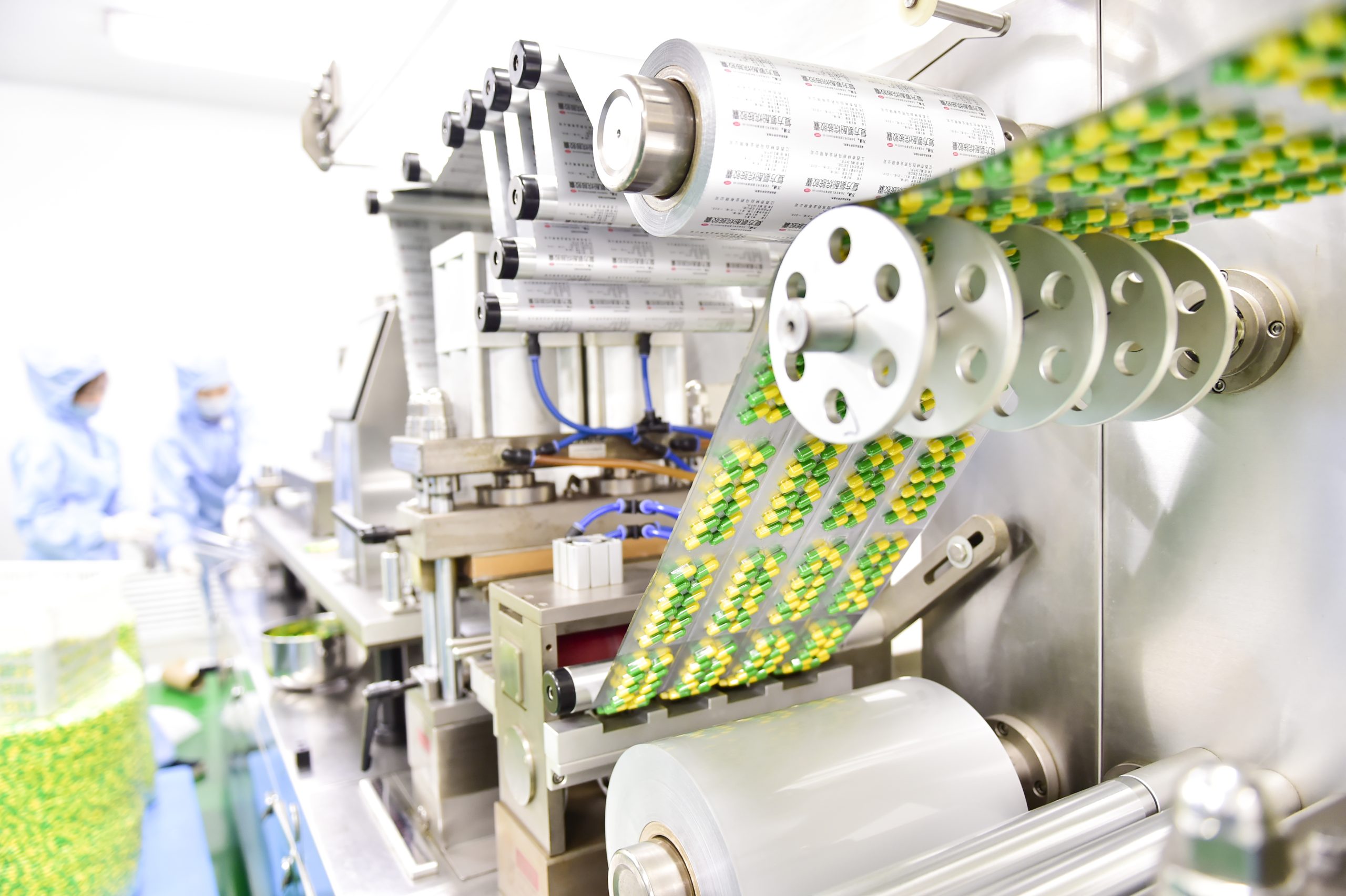
Film rolls over a forming tube. Edges heat-seal into a tube shape. Bottom cross-seals create the bag base. Product drops through and fills. Top cross-seals while cutting. Next bag base? Ready.
This is a continuous cycle. No stuttering like intermittent machines.
Key tech? Servo-driven film pulling plus sealing jaws. Precision high enough for auto-correction. Seal fault detection. End-of-film alerts.
But don’t get fooled by basic models. Today’s VFFS has become a “smart beast.”
Take Tight-Bag™ systems. They vacuum-optimize bag volume. No punctures, less air. Contamination drops. Shelf life doubles.
MAP gas injection. Zipper attachments. Easy-tear cuts. Ultrasonic sealing. These modules expand VFFS from candy and powder to liquids and cold chain.
Compared to HFFS, VFFS has a smaller footprint. Format changes take 10 minutes. Perfect for high-mix, low-batch production.
My Prediction
Here’s my bold call: By 2026-2028, VFFS will dominate 80% of snack lines.
Why?
First, AI plus IoT upgrades. Industrial touchscreens program 100 products. MODEM diagnostics cut failure rates to 0.5%.
Second, the eco wave. Film usage drops 20-30% versus premade bags. Pair with recyclable PE. Perfect for EU plastic taxes.
Third, China’s market explosion. Under dual-carbon goals, food exporters must adopt VFFS. Otherwise? Customs blocks them. Stainless steel versions plus vacuum splicing tables. Dual-roll auto-changeover. Downtime cut in half.
One mystery remains. Why hasn’t VFFS fully replaced HFFS?
The answer: application boundaries. VFFS excels at dry goods bags—nuts, chips, pet food. HFFS handles liquids and sauces better.
But vacuum belt feeding plus special PE jaws? VFFS is eating into HFFS territory.
The future? Integrated ecosystems. FFS plus multi-head weighers plus palletizing robots. One line produces 100,000 bags daily. Costs drop to $0.007 per bag.
Giants like Harpak-ULMA already offer dual-machine setups. Small businesses that can’t keep up? Acquisition targets.
Think about it. This reminds me of the 1990s injection molding revolution. Expensive at first. Now everyone uses them.
VFFS follows the same path. Entry machines start at $14,000. ROI hits in 6-12 months.
The contradiction? Tech is mature. The barrier is psychological. Fear of learning. Fear of maintenance costs.
Wrong! Modern machines have multi-level permissions. Operators train in half a day.
What This Means For You
Let’s hit the pain points directly.
If you’re a food processor, contract manufacturer, or e-commerce brand, VFFS means supply chain reconstruction.
The upside: Traditional packaging eats 15% of gross margin. Premade bag purchases plus manual sealing. VFFS uses roll film directly. Save 30% on materials. Cut 50% of labor. Customize bag styles—flat bottom, euro holes, handles. Shelf appeal skyrockets.
Real example: A nut factory producing 5,000 bags daily. Manual line costs $0.17 per bag. VFFS drops it to $0.08. Payback in six months.
The downside: This accelerates elimination rounds.
Companies that don’t upgrade face labor shortages. China’s packaging worker gap exceeds 2 million by 2025. Hygiene incidents spike.
Environmental compliance hits harder. EU’s CBAM carbon tariff lands in 2026. Traditional packaging has high carbon footprints. Food exports get hammered first.
VFFS with MAP gas preservation? Chip shelf life jumps from 6 months to 12. E-commerce repurchase rates climb 20%.
For consumers? Tighter bags. Less air. Fresher products. Prices might even drop slightly.
Here’s the irony. Big brands play with premium VFFS bags. Your snacks still look deflated?
Deeper impact: industry consolidation. VFFS has low barriers but strong scale effects. Small factories double capacity post-purchase. Handcraft workshops get squeezed.
2026 data shows VFFS penetration rose from 45% in 2020 to 68%. Next year breaks 75%.
What happens to non-adopters? Business shrinks 30%. Forced into price wars or pivots.
I’ve watched many cases. One pet food company adopted VFFS. Daily output jumped from 10 tons to 50. They landed Walmart orders.
The flip side? A sauce factory delayed. Competitors stole orders with VFFS. Cash flow collapsed. Bankruptcy.
Your competitive moat is being erased by one machine. Don’t think it’s far off. 2026 is the watershed.
What Should You Do?
Action guide time. No empty talk. Step-by-step breakdown. Budget from low to high.
Step 1: Assess Your Situation, Pick the Right Entry Machine
Do the math first. Daily output over 2,000 bags? Get VFFS.
Don’t worship imported full sets. Domestic brands like VTOPS or Makwell run $11,000-21,000 for servo basics.
Focus on integrated forming tubes plus auto-correction. Avoid old mechanical film pullers.
Visit demos in person. Test your chips or powder. Fill rate above 98%? Buy it.
Tight budget? Rent one. Trial run for a week.
Step 2: Modular Upgrades, Don’t Go All-In Immediately
Run the basic machine first. Add MAP gas, zippers, and print heads after profits roll in.
Dual-roll auto-changeover plus vacuum tables cut annual downtime by 80%.
My recommendation: prioritize Tight-Bag or similar vacuum optimization. Freshness plus weight reduction. Double win.
Find distributors that include training. Operators learn in one day.
Step 3: Connect Upstream, Build Smart Lines
FFS doesn’t work alone. Link multi-head weighers with 0.1g precision. Daily speeds hit 150 bags per minute.
Add palletizing arms. Full automation achieved.
Software? Choose B&R touchscreens supporting 100 recipes with one click.
E-commerce sellers? Integrate ERP. Cloud-monitor output. Inventory predictions become scary accurate.
Step 4: Environmental Compliance, Grab Policy Incentives
Use biodegradable film plus low-carbon VFFS. Apply for local subsidies. Many Chinese regions offer $2,800-7,000.
Exporting? Get stainless steel sanitary versions plus puncture-free preservation. HACCP certification becomes easy.
Transform before 2026. Avoid carbon tax traps. Keep pricing power.
Step 5: Talent Plus Maintenance, Prevent Aftershocks
Hire one mechatronics technician. $11,000 annual salary covers maintenance.
Remote MODEM diagnostics locate faults in 5 minutes.
Build WeChat groups. Manufacturers plus users help each other.
Long-term? Create a small team. Customize bag designs. Build brand barriers through differentiation.
Execute these steps. See results in 3 months. ROI exceeds expectations.
Still hesitating? Ask yourself: Save $14,000 on materials? Or spend $21,000 to gain 30% gross margin?
Final Thoughts
VFFS isn’t just a machine. It’s your “second production line.”
Its charm? Quiet disruption of packaging logic. From roll film to finished product. One machine handles everything. Speed, cost, sustainability—triple kill.
The contradiction resolved: old technology, new playbook.
Small and medium businesses, wake up. Don’t wait for giants to crush you.