
Thermoforming Machines: The Quiet Disrupter of the Global Packaging Supply Chain
A Simple Machine Hiding Industry Pain Points
Thermoforming machines? Just heat plastic and stretch it into shape. Nothing fancy, right?
Wrong.
This “simple” equipment now controls the global packaging industry’s lifeline. Think about it. Those clear trays at supermarkets. Medical device shells. Automotive interior parts. Most come from thermoforming machines.
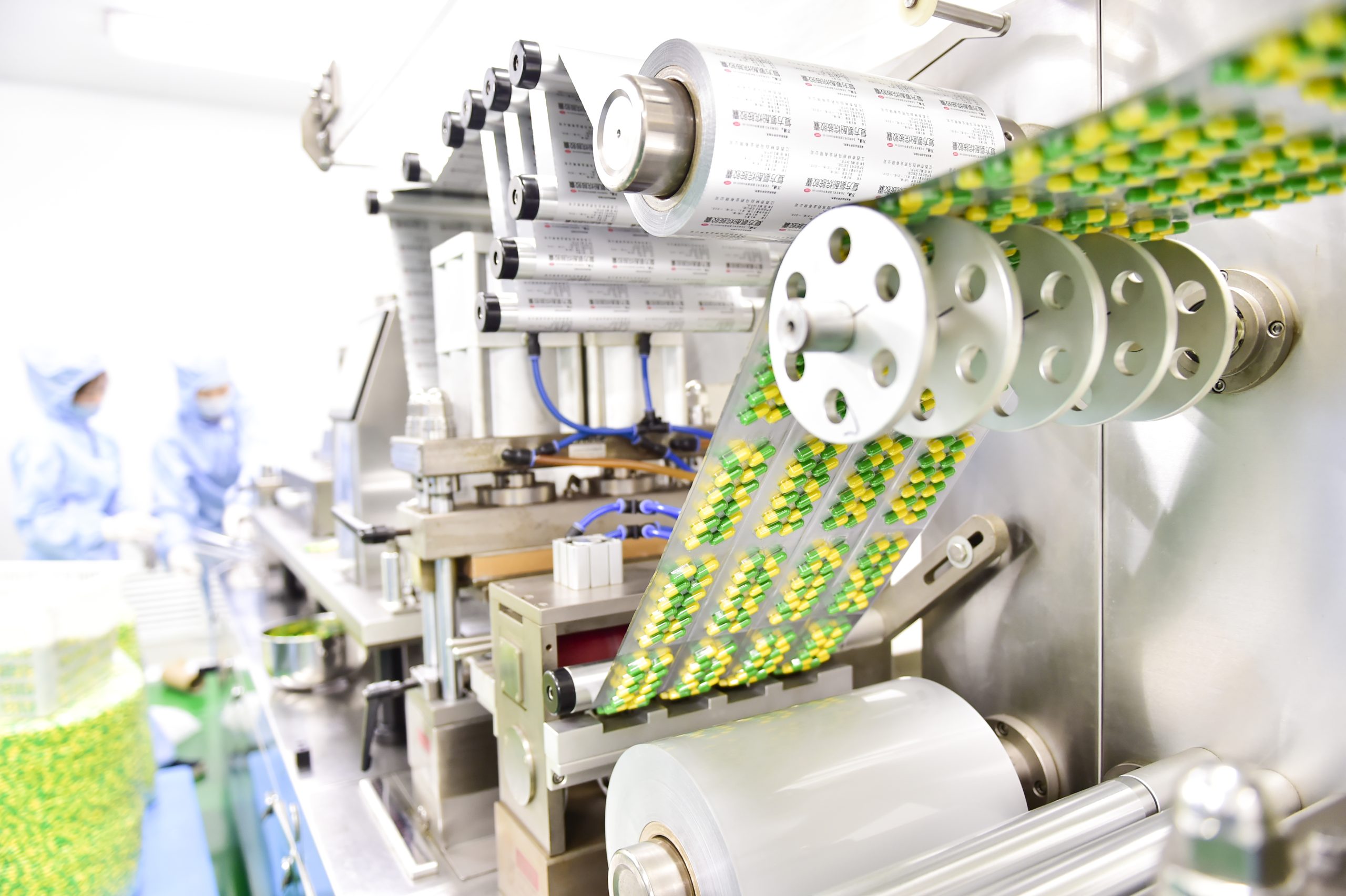
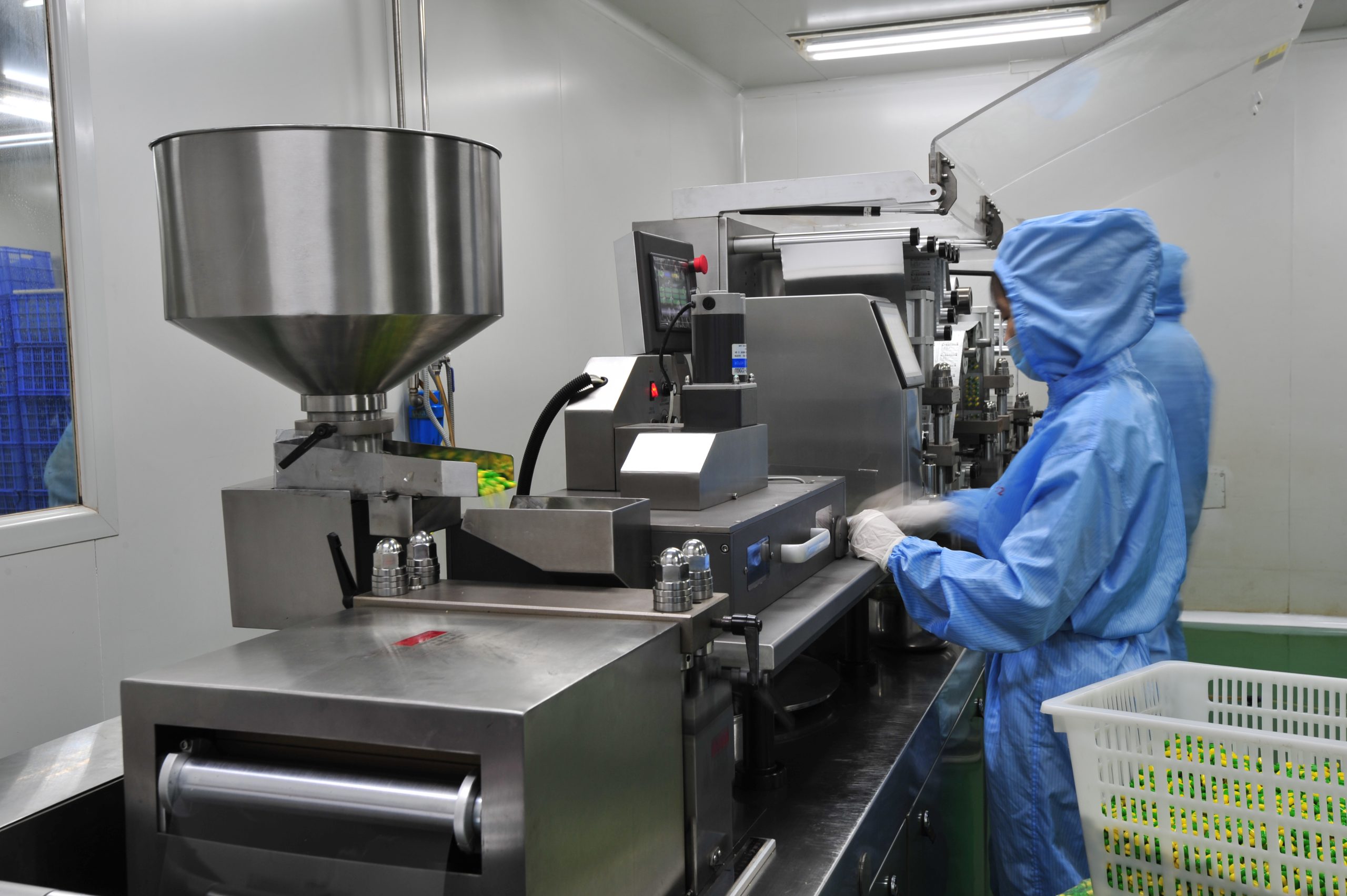
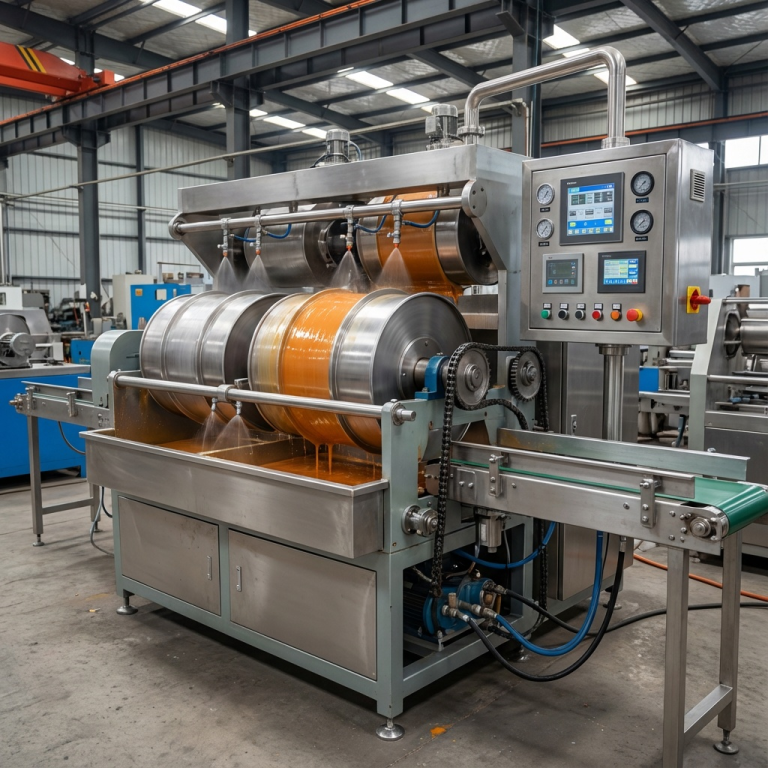
The process flows smoothly. Two film rolls feed into the frame. Auto-forming, filling, vacuum sealing, cutting. All in one shot.
Sounds efficient. But here’s the problem.
Traditional packaging lines cost a fortune. Flexibility? Nonexistent. Meanwhile, e-commerce explodes. Custom demands skyrocket. Giants master automation. Small players still struggle with manual labor.
This is the core conflict. Thermoforming machines—savior or ticking time bomb?
Post-2025 supply chain chaos made it clear. Whoever grabs this tech first eats the meat.
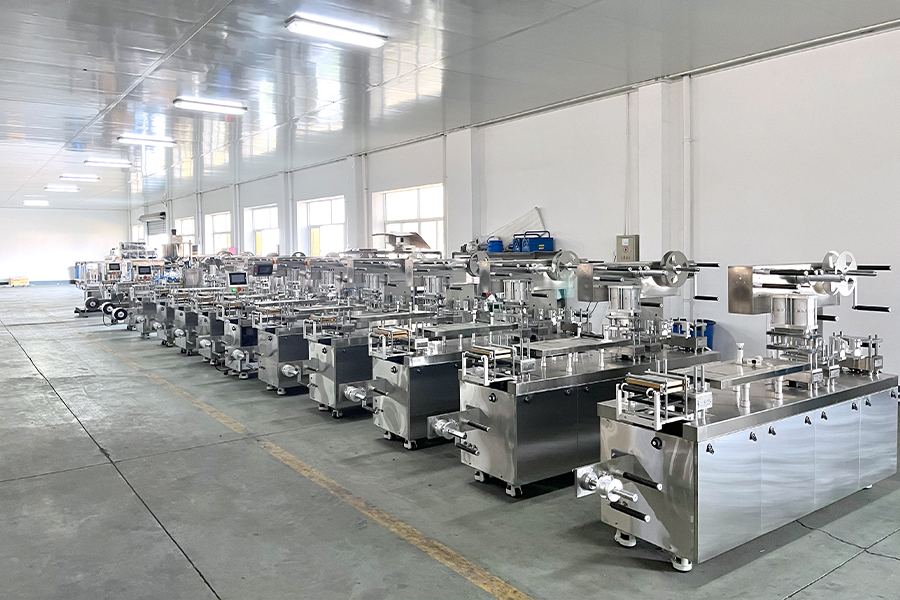
I thought thermoforming was outdated at first. Wikipedia says it evolved from vacuum forming. Lab-scale machines handle prototypes easily. Then I discovered industrial-grade monsters like Harpak-Ulma’s TFS 500. IP67 waterproofing. Stainless steel frames. Allen-Bradley controls.
A killer weapon for food and medical packaging.
The contradiction? Low technical barriers. Yet few players dominate. Small factories watch profits vanish. They don’t know where to start.
From Film Forming to AI Smart Factories
Let’s break down the essentials.
The core process works like this:
- Heat plastic sheets (PVC, PE, PP, PET) to softening point
- Use radiant or convection heaters for even temperature
- Pull to forming station
- Apply vacuum, pressure, or mechanical force against molds
- Cool and set the shape
- Trim and cut
Think of it as plastic 3D printing. But faster—thousands per hour. Costs? Jaw-droppingly low.
Why the disruption potential?
The data tells a scary story. Packaging faces a double squeeze. Environmental regulations kill single-use plastics. Recyclable films become mandatory. Labor shortages make automation non-negotiable.
Mid-speed machines like TFS 500 handle flexible and rigid films up to 700 microns. MAP (Modified Atmosphere Packaging) extends shelf life. Food spoilage problems? Solved.
Automotive and construction love it too. Lightweight parts form fast. Efficiency crushes injection molding.
But don’t celebrate yet.
| Feature | Thermoforming | Injection Molding |
| Tooling Cost | Low ($5k-$50k) | High ($20k-$150k+) |
| Lead Time | Fast (1-8 weeks) | Slow (12-16 weeks) |
| Wall Thickness | Uniform thin-gauge | Varying thickness |
| Energy Usage | 40% Lower | Higher |
| Ideal Volume | Mid-to-High | Ultra-High |
The unsolved industry mystery: the scale trap
Big factories run continuous roll-fed machines. Daily output hits tens of thousands. Small factories can’t afford million-dollar equipment. They rely on secondhand or low-end machines. Poor yield rates. High waste.
My prediction: By 2027, thermoforming machine markets will grow 15% annually. AI integration becomes standard.
Why so confident? Simple logic.
E-commerce packaging demand doubles from 2025. Thin-gauge thermoforming dominates. Machines embed sensors monitoring temperature and mold wear in real-time. Predictive maintenance eliminates downtime.
Giants like Multivac already push smart versions. Small players who don’t follow? They get crushed.
Remember the injection molding revolution? Everyone thought it was stable. Then laser cutting emerged. Chaos everywhere.
Thermoforming faces the same fate. Roll-stock mode now feeds film directly to machine heads. No pre-cutting needed. Efficiency jumps 30%.
But risks remain. Raw material volatility is brutal. Oil prices spike? PET film costs explode.
The winning direction is clear—flexible manufacturing wins.
Five-minute mold changes. Small-batch customization. That’s the formula.
Chinese factories, stop OEM work. Pivot to modular machines. Export to Europe and America. Can’t go wrong.
Technology iteration accelerates. Traditional air forming is obsolete. High-pressure forming plus mechanical assistance handles complex curves. Medical tray precision hits 0.1mm.
Cooling systems upgraded from air to water channels plus fans. Setting time cut in half. Trimming stations automated with laser or steel-rule dies. Waste recovery hits 95%.
This isn’t science fiction. Gefran and Vacuubrand already mass-produce these.
Bold prediction: By 2026, thermoforming machines merge with 3D-printed molds. Cloud-based design sharing. Design cycles shrink from weeks to hours.
Industry shakeout coming. EU regulations kill low-end machines. FDA medical certification becomes the new barrier.
Impacts Beyond Imagination
So what? Don’t underestimate this machine. It’s reshaping entire supply chain ecosystems.
Food industry first. MAP-packaged trays extend shelf life from 3 days to 10. Supermarket inventory costs drop 20%. For store owners? Less rotten fruit. Higher margins.
For suppliers? Traditional cardboard makers are done. Pivot to thermoforming or die.
E-commerce players hit harder. Custom packaging costs drop from $1 to $0.30. Profit margins explode.
Daily life impacts you too. Medical trays stay hygienic and efficient. Post-pandemic demand is permanent. Automotive lightweighting cuts fuel consumption 5%. Environmentalists cheer.
Bad news? Plastic waste problems worsen. Recyclable films exist. But recycling rates stay under 30%.
For small business owners, this is life or death. If you’re in packaging, plastics, or hardware—thermoforming is your entry ticket. Without it, you’re cutting off your own arm.
Giants like Nestlé and Coca-Cola already automated everything. Still doing manual work? Prepare for price wars you can’t win.
Macro view: Under 2025 global inflation, thermoforming’s low energy consumption (40% less than injection molding) becomes irresistible.
Vietnam and India factories rise. Low-cost machines flood markets. Chinese export pressure mounts.
But opportunities exist. Secondhand markets are hot. Refurbished TFS-level equipment offers killer value.
For investors: Industry valuations will double. Watch modular suppliers closely.
In daily life, cheap durable containers become everywhere. Picnics get simpler.
But ask yourself: Will you pay 10% more for green packaging? The market is forcing you to choose sides.
After years of observation, I noticed a pattern. Surface-level tech upgrades mask demand explosions underneath.
Thermoforming machines are like EV batteries. Once niche. Now indispensable.
If your business touches upstream (plastic films), midstream (forming), or downstream (branded packaging)—adapt or get disrupted.
Even real estate agents: building interiors use thermoformed panels. Renovation costs drop 15%. Your next home project will probably use them.
5 Ground-Level Strategies
Now what? Watching without action is useless. Here are 5 moves for different players.
- Evaluate equipment ROI first. Start modular.
Don’t impulse-buy million-dollar machines. Do the math. TFS 500 producing 5,000 pieces daily. 700µ film thickness. Payback period: 18 months. Small factories: start with secondhand roll-stock machines. Add 40m³/h vacuum pumps. Test food orders first. Contact Harpak-Ulma for quotes this week. - Ride raw material trends. Go thin-gauge plus recycled films.
PET/PP prices are stable. Stock thin films (<500µ) for e-commerce customization. Negotiate annual contracts with suppliers. Push for 10% discounts. Test MAP gas formulas. Chase medical orders. Flexible film machines switch molds fast. Small-batch goldmine. - AI upgrades turn old machines into new stars.
Don’t trash old equipment. Add 10-inch HMI screens plus sensors. Remote temperature monitoring. Cost: $50,000. Efficiency jumps 25%. Partner with Allen-Bradley distributors for IPC controls. Factory owners: pilot one machine next month. Use data to manage waste rates. - Cross-industry alliances dodge price wars.
Packaging factories team with auto parts makers. Share mold design platforms. Build WeChat groups with 5 partners. Split mold costs. Target FDA certification for medical exports. 2025 hot spot: pet food trays. Demand doubles. - Talent plus sustainability builds your moat.
Hire 2 technicians. Train them on heating and forming processes. Push recycled plastics. Apply for green subsidies. Extreme move: develop a mini-app. Let customers upload designs. Deliver samples in 3 days. Execute this and triple revenue in three years.
These aren’t empty words. I saw a small Dongguan factory use strategies 1 and 3. Monthly losses of 100,000 yuan became 2 million profit.
Key rule: validate with small orders. Don’t go all in.
Final Thoughts
The thermoforming revolution is here. Hidden behind supermarket trays lies a battle for efficiency, cost, and the future.
It’s not just shaping plastic. It’s shaping your competitiveness.
Ignore it? You’re next to get swept away. Grab it? Overtaking giants becomes possible.
Act now. Don’t wait for another supply chain break.
This era punishes hesitation. Remember the old saying: When machines stop moving, people must.