
Alu-PVC vs. Alu-Alu: The Strategic Logic of Tablet Blister Packaging in 2026
The Surface Choice, The Deeper Truth
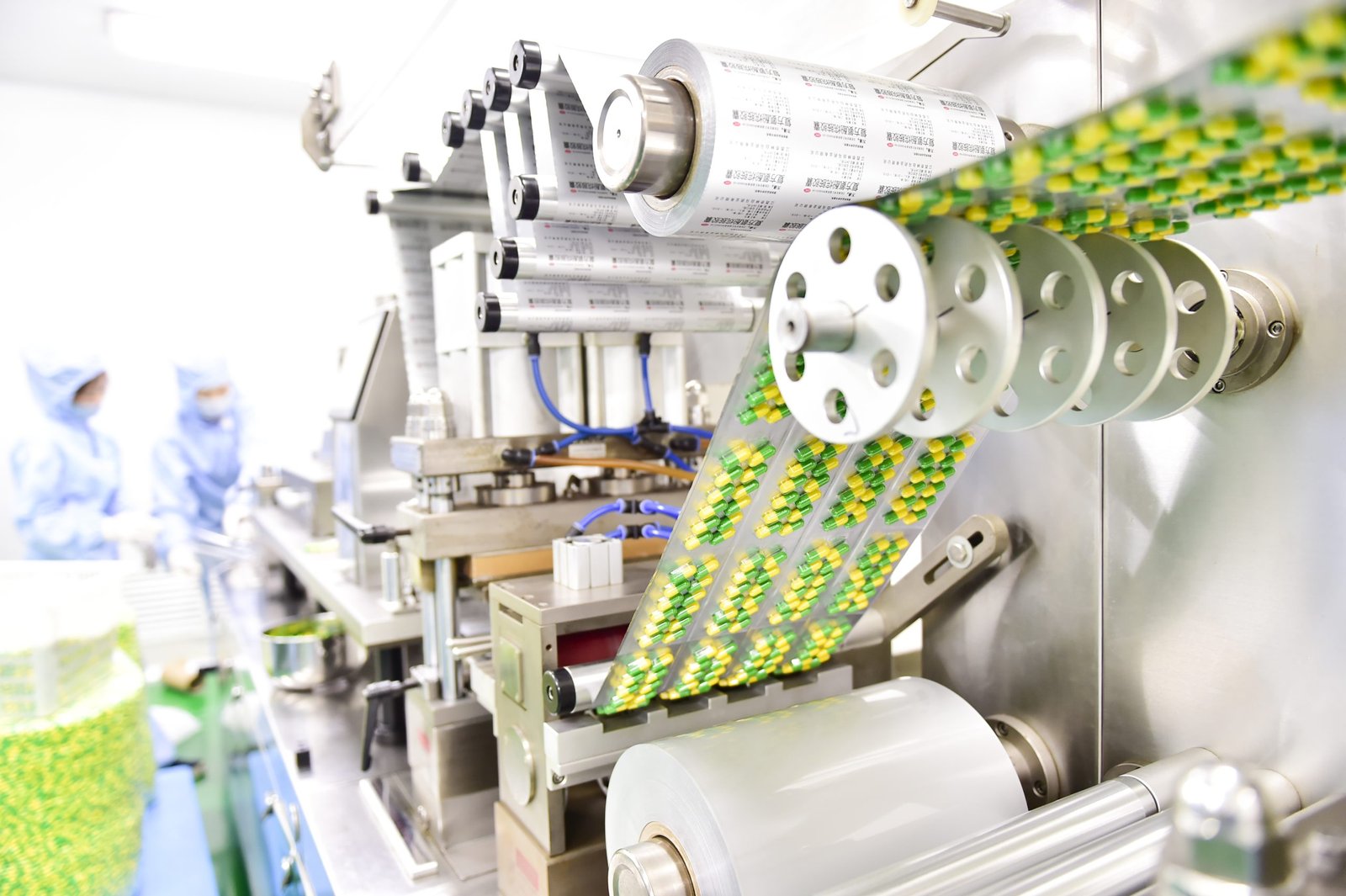
Alu-PVC looks simple. PVC on the bottom, aluminum foil on top. But this “simple” design exposes pharma’s biggest tension: balancing product quality against cost control.
Alu-Alu is the luxury option. Two aluminum layers create near-perfect barriers. Moisture, light, oxygen—nothing gets through. Sensitive drugs like high-end antibiotics or biologics stay stable for years.
But perfection costs money. Alu-Alu is expensive. Cold-forming tech demands high pressure. Alu-PVC uses thermoforming instead. The transparent PVC trades some protection for speed and savings.
Why Pharma Companies Pick Alu-PVC
Let me be blunt: Alu-PVC’s popularity means economics beat perfectionism.
For most ordinary meds, Alu-PVC protection is “good enough.” Cold medicine, painkillers, vitamins—these don’t need extreme stability. PVC isn’t bulletproof like aluminum. But it blocks enough moisture and oxygen. These products stay safe for 2-3 years at room temperature.
Cost savings translate directly into market competitiveness. Alu-Alu might add 2-3 yuan per box. In fierce market competition, that gap loses price-sensitive customers. Pharma companies must cut costs without sacrificing quality. Alu-PVC becomes the smart choice.
Here’s one advantage people overlook: visibility. PVC is transparent. Consumers see the pill’s shape, color, condition. This builds brand recognition and trust. Alu-Alu’s opaque design? Some consumers wonder “what’s actually inside?” This matters hugely for supplements and cosmetics.
Who Uses What
Calling Alu-Alu “aristocratic” and Alu-PVC “common” sounds simplistic. But it’s kind of true.
Premium pharma and imports prefer Alu-Alu because:
- High profit margins absorb the cost
- Potent but unstable drugs need maximum protection
- Brand positioning demands perfection
Domestic generics and standard meds use Alu-PVC because:
- Tight margins make cost control essential
- Products are stable enough without premium barriers
- Price advantages drive sales volume
This split reflects pharma’s class structure.
The Sustainability Paradox
Here’s the ironic part. Alu-PVC is cheap but harder to recycle than Alu-Alu.
Why? Alu-PVC mixes two materials. Separation is tough. Alu-Alu uses only aluminum—easier to process. As sustainability pressure grows, this problem surfaces. Our cost-saving choice creates bigger environmental headaches.
Some companies explore PVDC coatings to boost barrier performance and recyclability. But that raises costs. Welcome to pharma packaging’s endless loop.
Practical Recommendations
For pharma procurement or product managers:
- Honestly assess your product’s needs. Don’t chase Alu-Alu blindly. How moisture-sensitive is your formula? Light-sensitive? What’s the expected shelf life? If answers are “ordinary,” Alu-PVC works fine. Don’t overspend for prestige.
- Consider market positioning and consumer psychology. Need visual appeal for premium supplements? Leverage Alu-PVC’s transparency. Going the “serious medical” route? Alu-Alu’s opacity signals professionalism.
- Plan for sustainable alternatives now. Don’t wait for regulations to force your hand. Early adoption becomes competitive advantage.
For consumers and healthcare professionals:
Don’t obsess over packaging. Properly stored Alu-PVC meds stay perfectly safe. Avoid heat, humidity, direct sunlight. Standard cold medicine and anti-inflammatories use Alu-PVC industry-wide. Actually, beware overpriced products claiming “imported Alu-Alu packaging.” That might just be markup.
For industry watchers:
Track cold-forming Alu-Alu technology developments. If costs drop, market dynamics shift. More products get better packaging. This isn’t distant future stuff. It’s happening now.
Final Thoughts
Alu-PVC isn’t perfect. But it’s realistic, smart, and practical. In an ROI-driven industry, perfection is luxury.
Pharma’s core question isn’t “use the best packaging.” It’s “use the right packaging.” Alu-PVC’s dominance proves “right” beats “best” most of the time.
But the balance point is shifting. Consumers demand higher quality. Sustainability concerns grow. Future pharma packaging won’t be pure Alu-Alu or simple Alu-PVC. New materials and technologies will create fresh options. Looking back, today’s trade-offs will seem like a necessary evolutionary phase.