
Blister Feeding Equipment: The “Heart” of Pharma Packaging—How Much Do You Really Know?
Behind One Tiny Pill Lies an Entire Invisible Production Line
Ever thought about this—
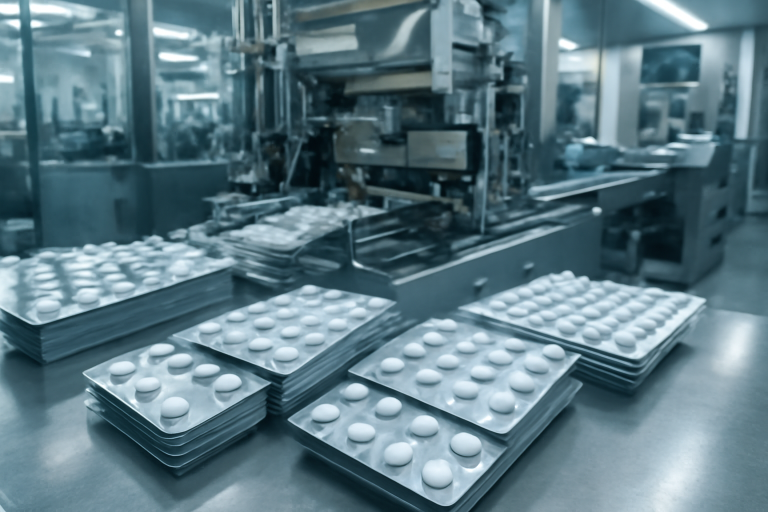
You open a medicine box. Seven small pills lie in a “jumbo-sized” aluminum-plastic sheet. The spacing is so wide you could land a plane. Honestly, I initially thought pharma companies were just doing “excessive packaging.” Pretty wasteful. But after diving deep into Blister Feeding Equipment, I realized things aren’t that simple.
On Reddit’s r/mildlyinfuriating, pharmacy technician Bjork-BjorkII gave an answer that made me see the light:
“There’s a reason blister packs need to be this big. Seven pills arranged 3+3+1 is because human brains can only quickly count five items or fewer. This layout lets you confirm dosage at a glance while keeping each pill in proper storage conditions.”
Wait, this involves cognitive psychology now?
It sure does.
Feeding Systems: The Production Line’s “Heart”
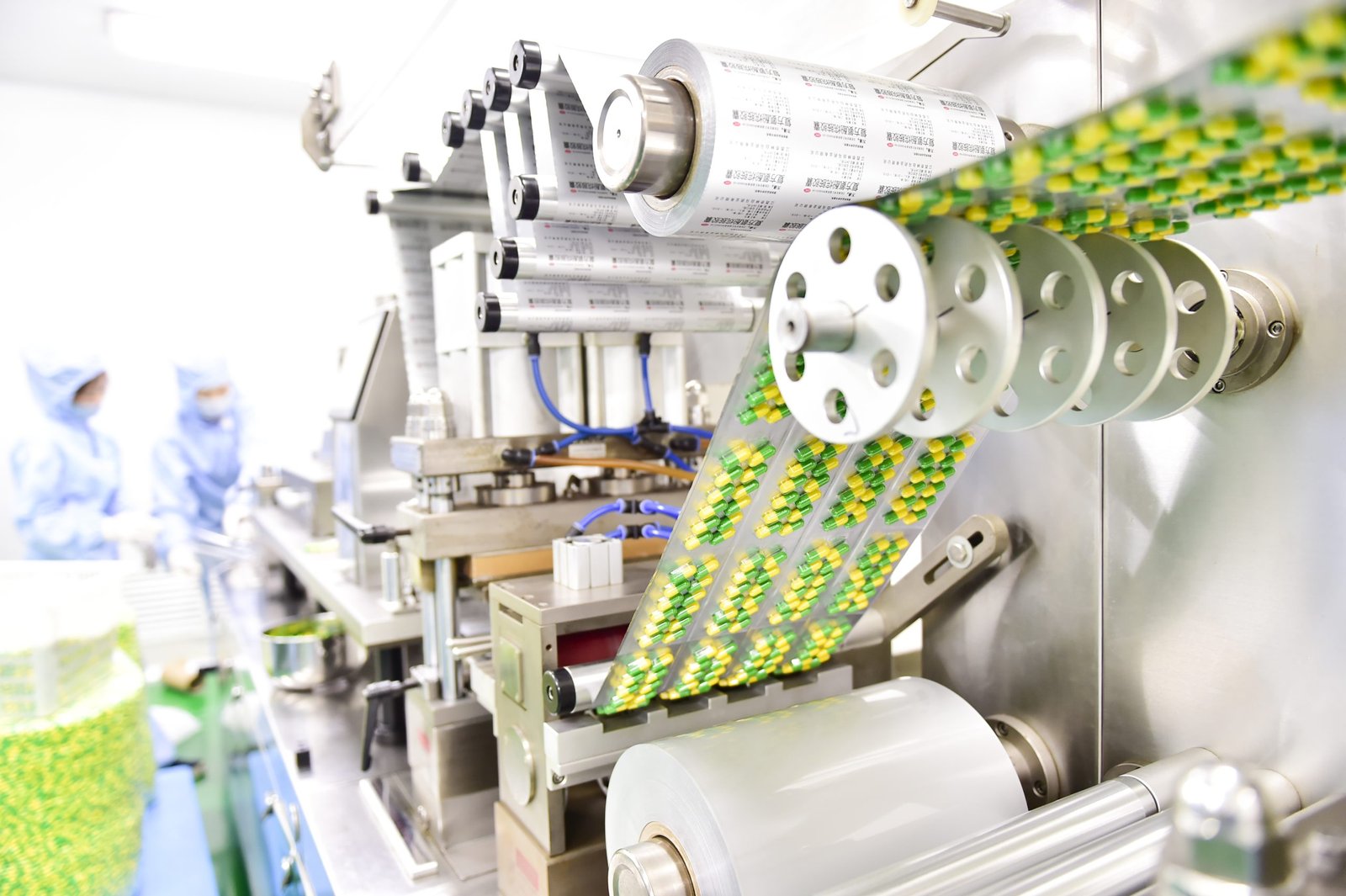
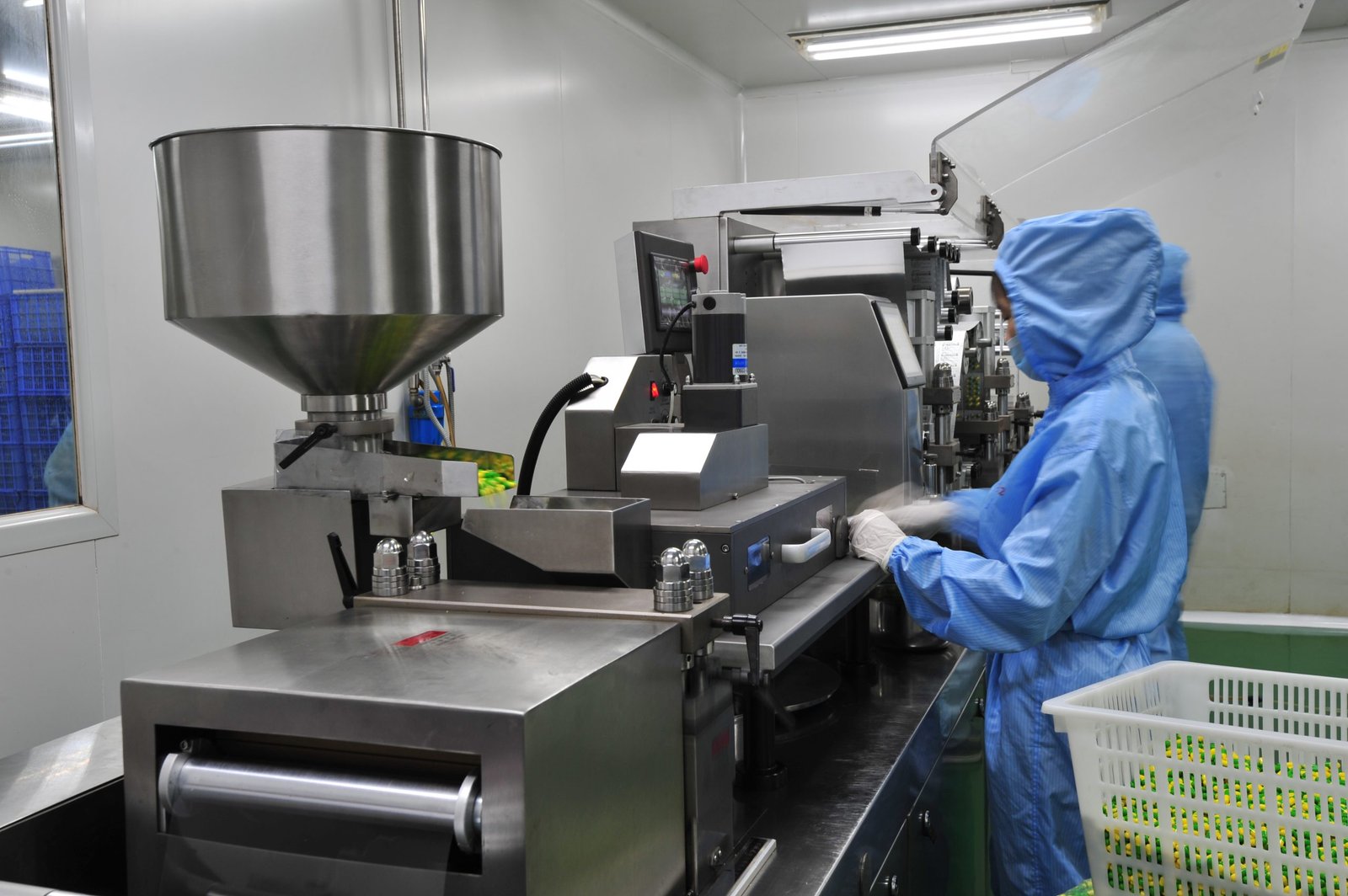
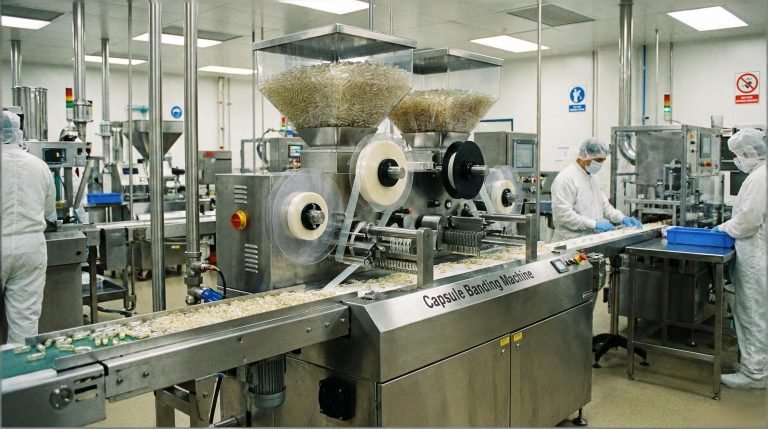
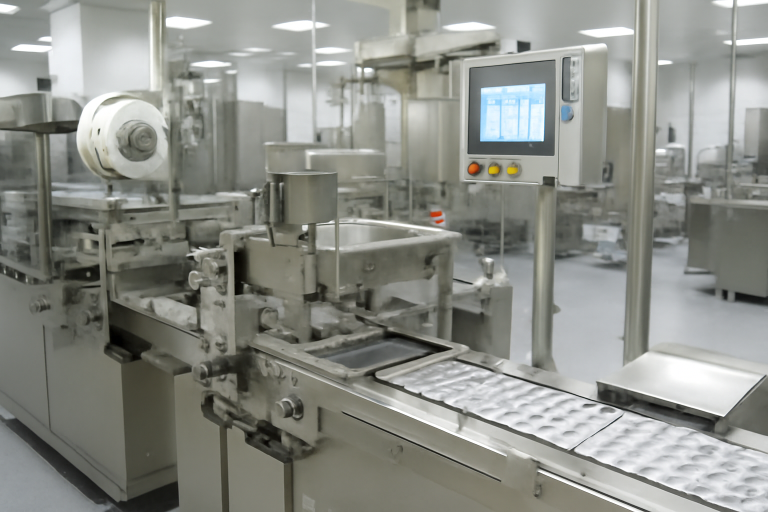
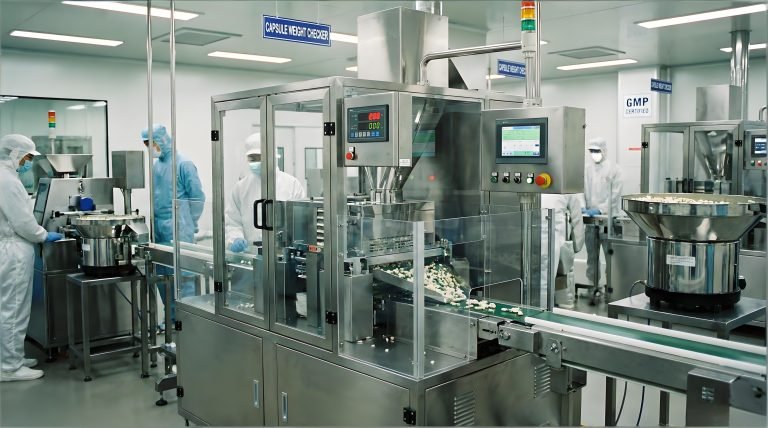
Talking blister packaging means discussing Blister Packing Machines. But most people overlook a crucial link—the feeding system.
How important is this thing? In a Packaging Digest report, Visiotec’s Technical Director Christoph Lehmann said something that stuck with me:
“The feeding system is the most critical process step besides forming.”
Put simply, if feeding fails, everything else is wasted.
Current mainstream feeding equipment roughly breaks down into these categories:
1. Pick & Place Feeders: Use rotating baffles to align tablets, then servo robotic arms vacuum-pick them, precisely placing them into blister cavities. This method is “gentle,” suitable for tablets with surface requirements.
2. Flood Feeders: Use planetary stirring devices and brushes to “sweep” tablets into cavities. High output, but picky about irregularly shaped tablets.
3. Vibration Feeders: Rely on vibration to let tablets “walk” into position. Simple and crude, but not friendly to softgels.
I asked several practitioners—they said the biggest headache during selection is softgels. Slippery things. Vibration feeding makes them roll around. Pick & Place struggles to grip them. A Pharmaceutical Equipment Manufacturer salesperson told me they specially developed a Belt Blister Feeder for softgels, solving the feeding challenge for “unfillable products.”
Pretty interesting.
“Change a Mold, Lose Millions”
Getting here, I have to mention that legendary Reddit comment.
Someone asked: Why are there so many “empty spots” in pill packaging?
A user claiming to work on pharma production lines replied:
“Changing a mold set costs thousands of dollars. But modifying packaging design triggers validation studies costing millions. In pharma, there’s an old saying: ‘If you can avoid changing it, don’t.’”
This reminded me of a case I once read. Somewhere in South America, aluminum foil on medicine started peeling. Eventually traced to a barely visible flaw on the heat-sealing plate. To fix this issue, the entire production line stopped for days.
Pharma packaging’s error tolerance is literally zero.
So you’ll find many pharma factories prefer “one mold rules all.” Whether packing 7 pills or 10, they use the same blister size. At most, they adjust the layout. Saving money is one aspect. More importantly, it avoids risks and costs from re-validation.
American Pharmacists and German Pharmacists’ “Existential Collision”
Reddit has a fascinating thread: A German pharmacist went to r/pharmacy asking American colleagues why US pharmacies count pills one by one into bottles.
“Counting pills feels so inefficient… Plus, bottle sealing can’t really compare to aluminum/aluminum blisters, right?”
American pharmacists gave varied answers, but several points stood out:
About regulations: The US has the Poison Prevention Packaging Act requiring prescription drugs use child-resistant packaging. Regular blisters don’t qualify. Bottles with interchangeable caps are more flexible—elderly folks can switch to easy-open lids.
About cost: US pharmacies buy 500-pill or 1000-pill bulk bottles from wholesalers. Then they dispense based on insurance-covered 30-day or 90-day supplies. Blister packaging unit price is much higher.
About habits: Americans are used to weekly pill organizers. Family members helping elderly organize medications is very common. Blister packaging is actually more common in nursing facilities.
A German pharmacist’s follow-up made me laugh:
“Don’t you guys mix them up? Several identical orange bottles…”
American colleagues said: Bottles have labels, plus pills look different. We also have the “tall man lettering” rule—like hydrALAzine and hydrOXYzine, easily confused drug names get capitalized letters for distinction.
The Feeding System’s “Nightmare” List
After chatting with several production line engineers, I compiled a “most headache-inducing feeding problems” list:
1. Aluminum Foil Jam
Improper tension control, misaligned guide wheels, defective foil rolls… all can halt the entire line.
2. Product Misplacement or Missing
Feeding system and main machine out of sync. Pills don’t drop into position before getting conveyed away.
3. Formed Cavity Deformation
Temperature, pressure, cooling time—these three parameters are like a love triangle. Touch one, all move.
4. Softgels’ “Comedy Show”
Rolling around on vibration plates, slipping off suction nozzles… An engineer described this as “dressing an eel.”
Pharmaworks technical documentation mentions their FormChecker system can detect cavity thickness distribution after forming but before filling. Catching problems early. If a cavity fails inspection, the feeding system gets a signal and skips that position entirely.
What does this mean?
Pills aren’t wasted. Only a small empty foil segment gets discarded.
This “smart factory” concept is slowly changing the industry.
An Overlooked Angle: The Materials Revolution
There’s another rarely discussed topic—packaging materials are “upgrading.”
Many companies, for environmental reasons, are phasing out PVC for PET. But here’s the problem: PVC forms easily, PET is difficult. This directly impacts feeding system design—forming stability drops, feeding must adjust accordingly.
Lehmann mentioned in an interview:
“New packaging materials are harder to control, like PET. More and more companies have sustainability goals, but substitute films are sometimes really difficult to control.”
This raises a question: Why do we always discuss equipment but rarely discuss “compatibility” between materials and equipment?
Maybe the next breakthrough lies here.
Conclusion: Small Equipment, Big Knowledge
Before writing this article, I thought blister packaging was just “stuffing pills into plastic bubbles.”
After finishing, I discovered this involves materials science, mechanical engineering, cognitive psychology, regulatory compliance, cost control… even cross-cultural differences.
So next time you complain “this packaging is so wasteful,” think about that invisible production line. Someone’s adjusting feeding tension. Someone’s detecting micrometer-level wall thickness deviation. Someone’s holding a two-hour meeting over one mold parameter.
For one tiny pill to safely reach your hands, an entire industrial system operates behind the scenes.