
Capsule Banding Machines: Industry Secrets Pharma People Won’t Easily Tell You
You know what? Every capsule you swallow might hide a detail you’ve never noticed. That “belt” wrapped around the middle of the capsule. Looks pretty insignificant, right?
I didn’t think much of it either. Then I saw a post on Reddit’s r/manufacturing. An entrepreneur named Rob, making anti-aging supplements, asked a seemingly simple question. “I want to build my own capsule production line, where should I start?” The comments exploded. People talked equipment selection, certification pitfalls. Someone said outright: cleaning this stuff is a nightmare.
But what really made me stop and think? Someone mentioned the capsule banding machine.
1. A Poisoning Case 40 Years Ago Changed the Entire Industry
In 1982, Chicago witnessed the shocking “Tylenol poisoning case.” Someone injected cyanide into Tylenol capsules on drugstore shelves. Seven people died. The case remains unsolved to this day. But it completely changed the game rules for pharma.
The FDA immediately issued strict tamper-evident packaging requirements. Over-the-counter drugs must have at least two tamper-evident features.
“Most manufacturers don’t realize capsule banding itself counts as one tamper-evident feature.” That’s what Pete DeLuca, Qualicaps Technical Services Director, wrote in an industry article. This means if your capsules are banded, the bottle only needs one foil seal. Not foil plus shrink wrap plus safety ring.
This reminded me of a Quora question. “Why do some capsules have a different-colored strip around the middle?” The top answer was direct. That’s banding. Three main functions—leak prevention, tamper evidence, brand identification.
Three simple words. Behind them lies 40 years of industry safety anxiety.
2. Why Liquid Capsules “Must” Be Banded
This topic gets heated discussion on Reddit’s r/Nootropics. One user shared their DIY capsule filling experience. They mentioned a detail many overlook. Empty capsules have tiny ventilation holes by design.
Why leave vent holes? Because air gets trapped inside during filling. If completely sealed, internal pressure would pop the capsule open. So manufacturers intentionally leave gaps for air to escape.
But here’s the problem—what if you’re filling liquids or oils?
“Liquid capsules without banding have extremely high leakage probability.” CapsCanada’s technical blog states this clearly. Their data is even more striking. 98% of gas entering unbanded capsules penetrates from the overlap between cap and body.
So for liquid filling, capsule banding machines aren’t “optional accessories.” They’re production line necessities. This is why choosing a reliable solid dosage equipment manufacturer matters so much. They usually provide complete solutions from filling to banding.
3. How Exactly Does the Band Get “Wrapped” On?
Technically speaking, the banding process is actually quite elegant.
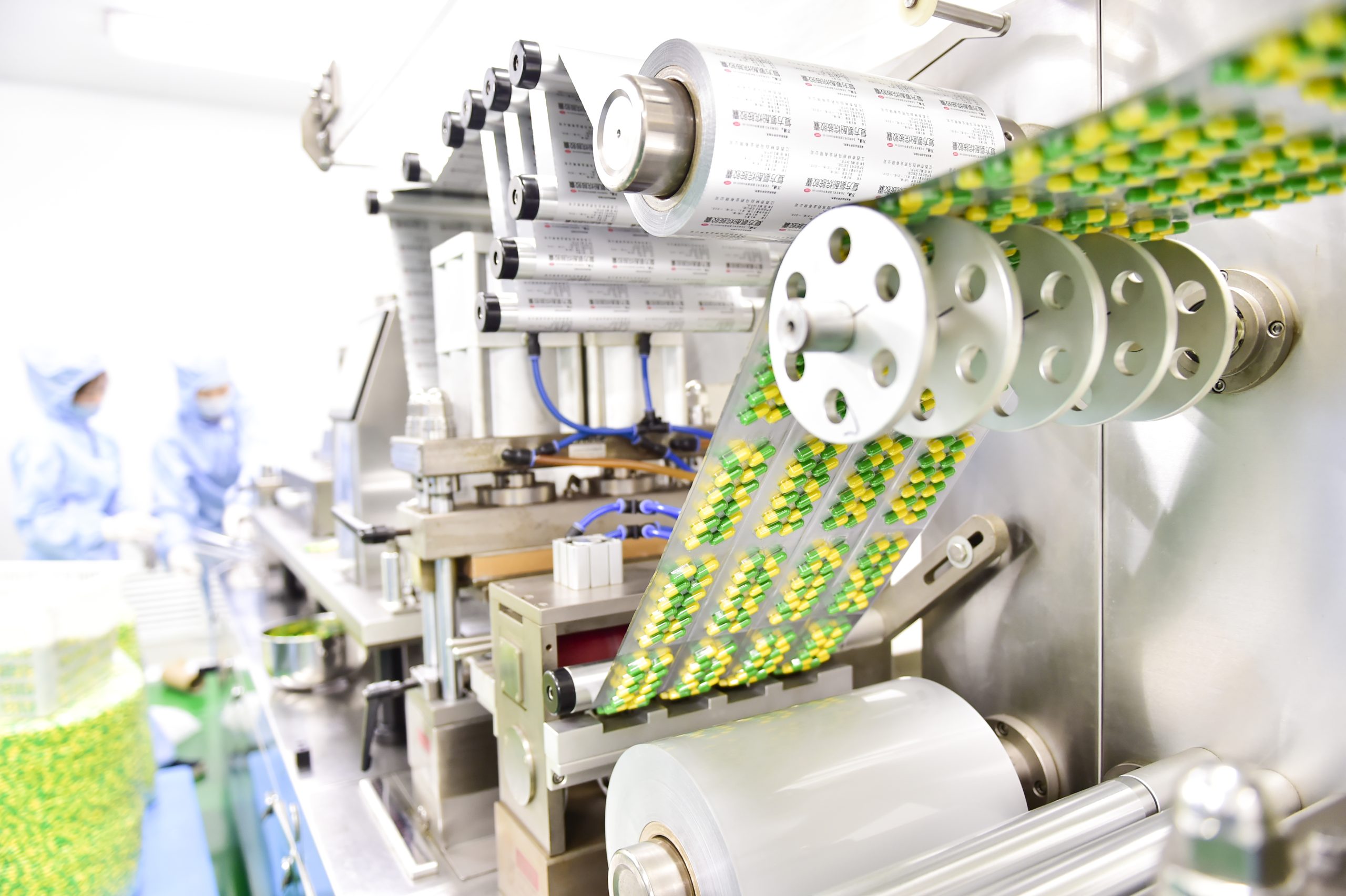
The machine applies a thin layer of gelatin or HPMC liquid strip. It wraps 360 degrees around the capsule’s joint. This forms a sealed ring. After drying, this “belt” is firmly fixed in place.
Someone on Quora asked a very practical question. Is this stuff expensive?
Answer: depends on scale. According to industry data, every million capsules need about 10kg of banding solution. For large pharma companies, this is a tiny fraction of production costs. But for small-batch producers, buying a capsule banding machine is a hurdle. Cheap ones cost tens of thousands. Expensive ones hit hundreds of thousands.
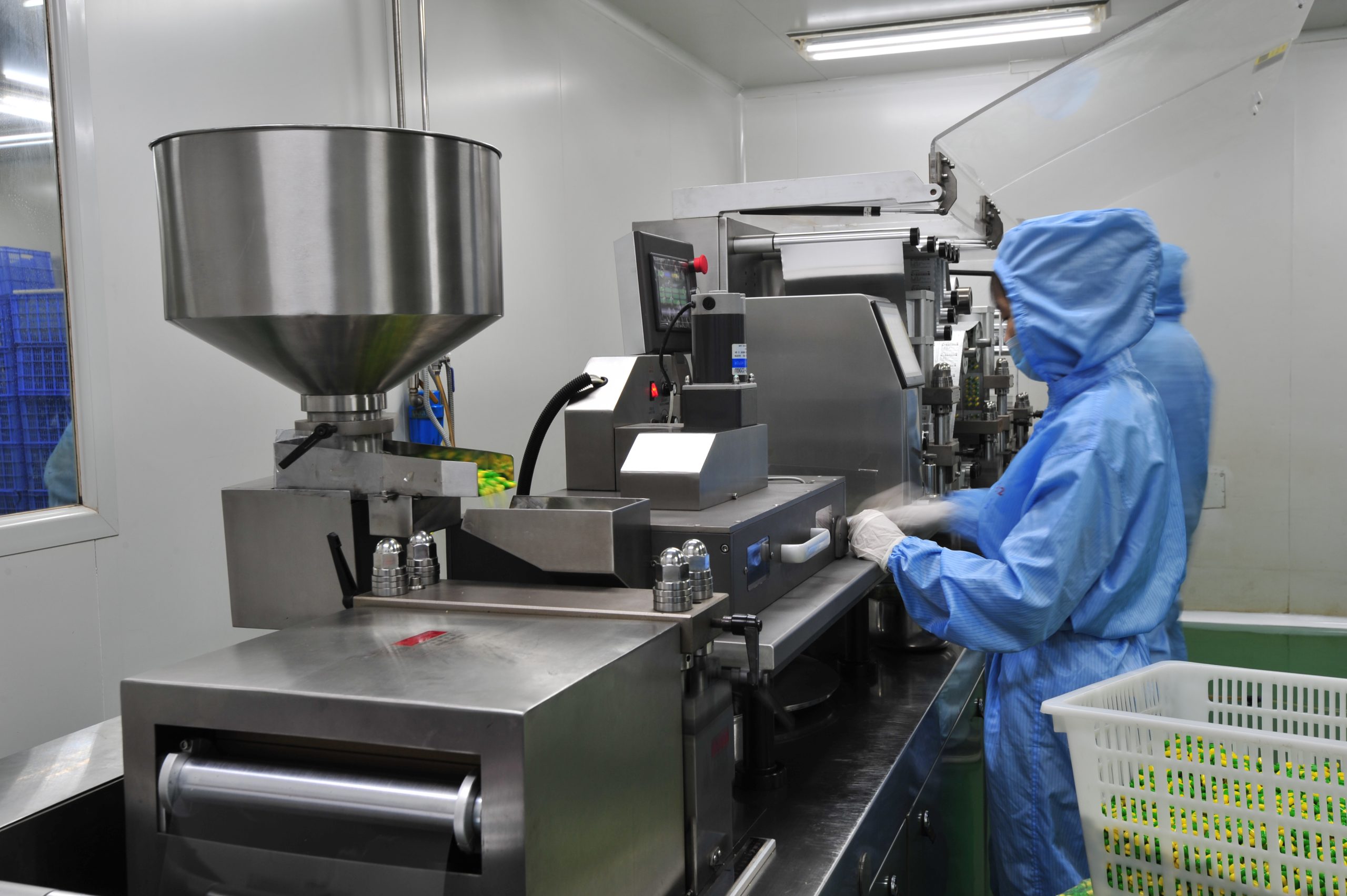
A Reddit r/manufacturing user shared his experience. “Our whole production line cost about £300,000, all used equipment.” His list included: capsule filling machine, mixer, counter, metal detector, induction sealer, polisher, conveyor…
“Capsule filling is just the beginning,” he said. “There’s a whole bunch of supporting equipment waiting for you.”
4. Real Reddit User Complaints: What Textbooks Won’t Tell You
Browsing through Reddit discussions, I noticed something interesting. Professional forums talk about “banding benefits.” But people who actually use it talk about “how painful cleaning is.”
A user sharing AF90T automatic filler photos on r/specializedtools wrote: “Great equipment, but deep cleaning is a nightmare.”
Another guy making multivitamins added: “We occasionally switch product lines. But each switch requires complete teardown and cleaning. Too exhausting.”
Someone shared experience handling special materials. “Curcumin is basically yellow dye. I filled a batch four years ago. The equipment is still yellow.”
Others mentioned capsaicin extract. “You must wear full protective gear and respirator for this. That smell…”
These real experiences made me realize something. When choosing equipment, besides capacity and precision, you need to ask: Is this thing easy to clean?
5. Hidden Value of Banding: Not Just “Safety”
A LinkedIn article summarized five application scenarios for capsule banding machines. I found it pretty enlightening:
- Tamper-evident sealing—Most basic function. But one pharma company reported tampering complaints dropped 30% after banding.
- Brand differentiation—Colored banding can become part of product visual identity. One supplement company switched to colored bands. Consumer brand recall increased 15%.
- Product segmentation—For different formulas under the same brand, different colored bands help consumers (especially elderly) quickly distinguish products.
- Anti-counterfeiting—Premium banding can integrate holograms, QR codes, even NFC chips. One drug distributor adopted security banding. Counterfeit complaints decreased 25%.
- Compliance—In some regions, tamper-evident features are legally mandatory. Planning ahead for banding capability avoids future regulatory fines and recall costs.
This reminds me of that r/Entrepreneur case about redesigning capsule filling trays. The founder said they made two small changes. Made capsules sit more stably, made trays more solid. First year sales: $600,000.
“The coolest part wasn’t the revenue,” he wrote. “It was those tiny details completely transforming user experience. Used to be complaints. Now they’re loyal fans.”
Banding is the same. It might just be a thin ring on a capsule. But it represents quality, safety, and respect for consumers.
6. Looking Forward from 2025: How Will Banding Technology Evolve?
Industry forecasts show capsule banding machines will develop in several directions:
- Smarter: AI-driven quality control, real-time data tracking
- Greener: Development of biodegradable banding materials
- More personalized: Small-batch custom banding meeting personalized supplement market needs
- More integrated: Seamless connection with filling, inspection, packaging equipment
Of course, challenges exist. High initial investment costs. Unclear regulations in some regions. Stability of eco-friendly materials needs verification…
But the trend is clear. Banding is shifting from “optional” to “standard.”
Conclusion: That Unassuming “Belt”
After writing this article, I looked at my bottle of fish oil capsules again. Examined each one carefully. There really is a faint ring mark.
Never noticed it before.
But now I know. Behind that mark is a warning from a tragedy 40 years ago. It’s countless engineers obsessed with “how to prevent capsule leakage.” It’s an entire industry’s balance point between “safety” and “efficiency.”
Next time you swallow a capsule, maybe take a closer look.
That tiny belt carries more than you imagine.