
Capsule Counting Machines: The AI-Driven “Nuclear Weapon” Reshaping Pharma Supply Chains
Manual Counting vs. Smart Machine Bloodbath
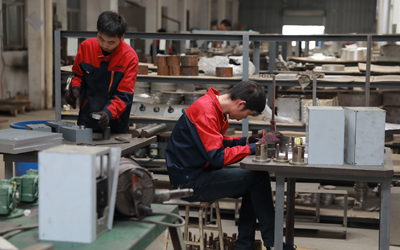
Picture this: You’re a small pharma boss. Every day watching workers hand-count capsules. One hand tremor? Thousands wasted. Or health supplement factory—orders exploding but counting speed choking you out.
This is capsule counting machines’ core conflict: One side shows traditional manual or semi-automatic inefficiency and low accuracy. Other side? Fully automatic digital machines unleashing precision storms.
Past? Pharma packaging lines crawled like old oxen. Thousands of capsules per hour—barely managed. Still worried about contamination and errors.
Now? One machine handles tens of thousands per minute. Includes dust removal and self-cleaning functions.
Here’s the contradiction—why in 2026 do so many companies still cling to old machines? Because they haven’t seen this thing isn’t just a counting tool. It’s the supply chain’s “nuclear weapon.”
I initially thought it was just a “pill counting machine.” But later discovered it’s reshaping the entire pharmaceutical and supplement ecosystem. From Indian small factories to European-American giants. None escape.
Analysis & Forecast
Capsule counting machines, plainly speaking, are pharma packaging lines’ “eyes and hands.”
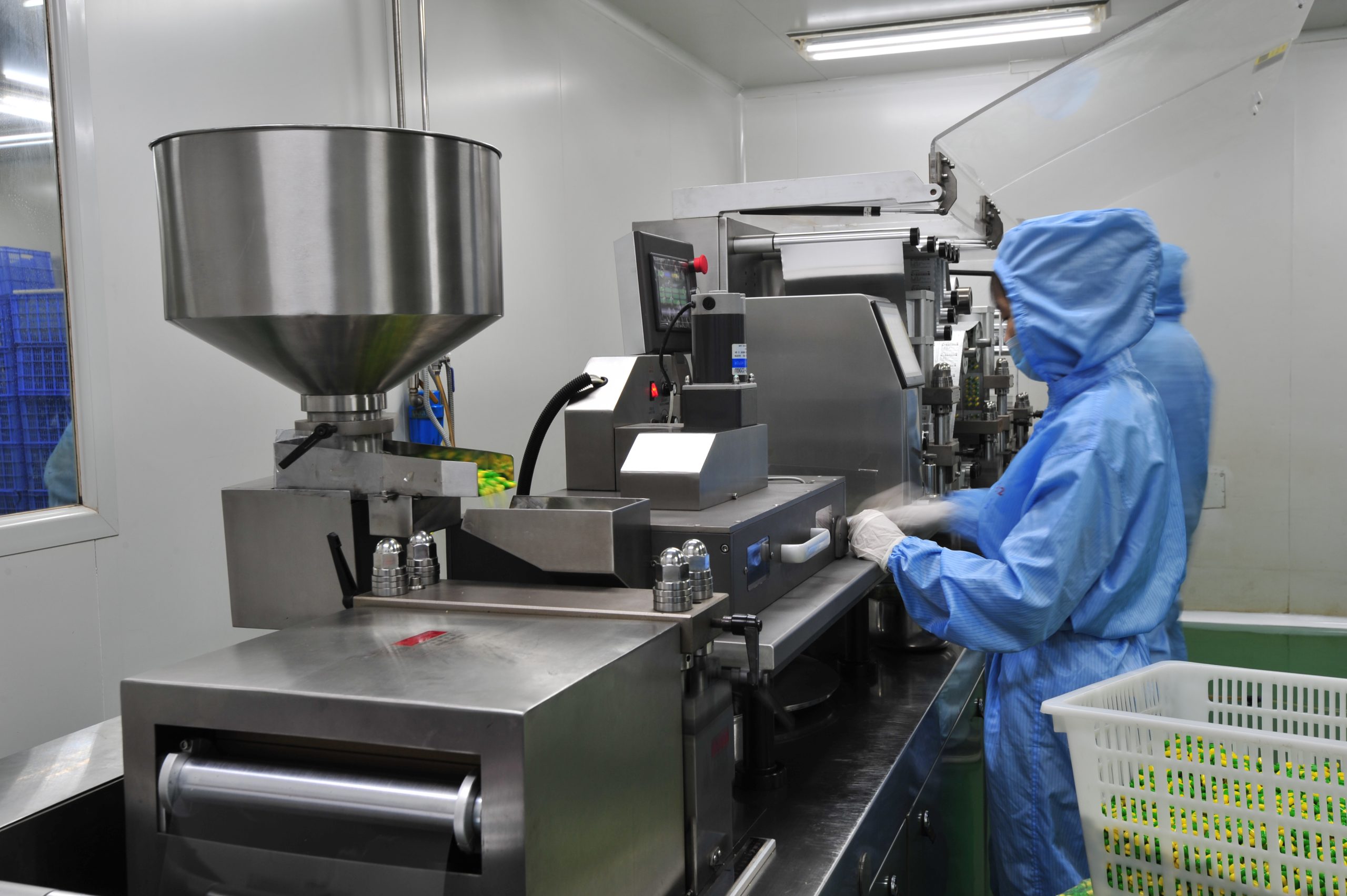
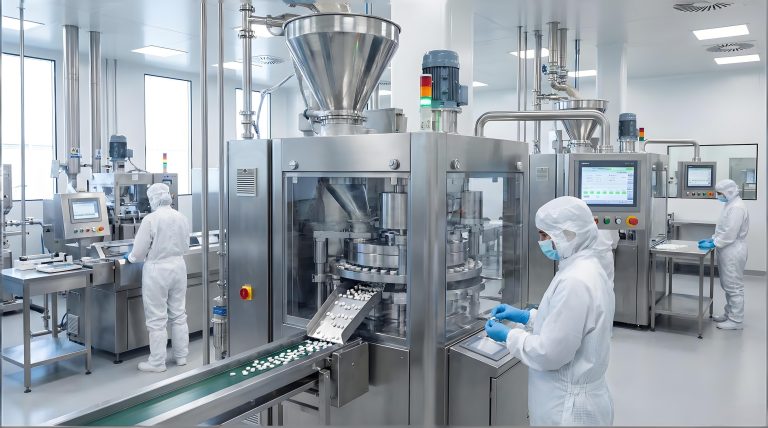
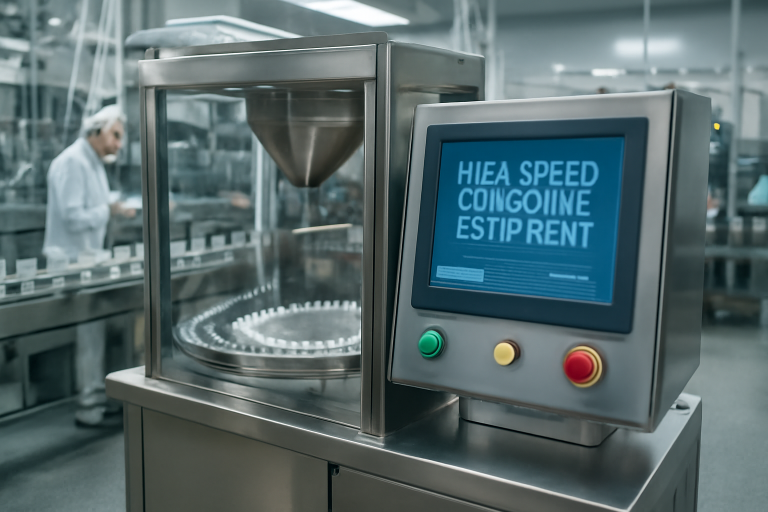
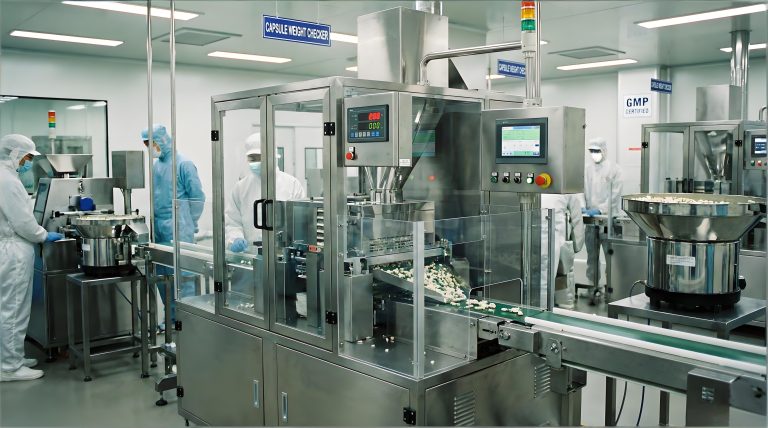
Core components? Feeding unit (hopper plus vibration platform), counting unit (infrared/laser sensors or cameras), dust removal system. Capsules pour from hopper. Vibration plate shakes apart tangles. Single file slides into sensor track—each one “seen through” by light beam. Computer records real-time.
Reaches set number—say 500 or 1,000 capsules. Gate closes. Nozzle drops into bottle. Simple? But fierce.
Type Breakdown—don’t get fooled:
- Manual type: Tray shake-hole counting. Like childhood marbles. Suits labs or small pharmacies. But turtle-slow. Few hundred capsules per hour. Relies on human hands. Error rate? Depends entirely on worker mood. Forget it. By 2026 this thing’s a living fossil.
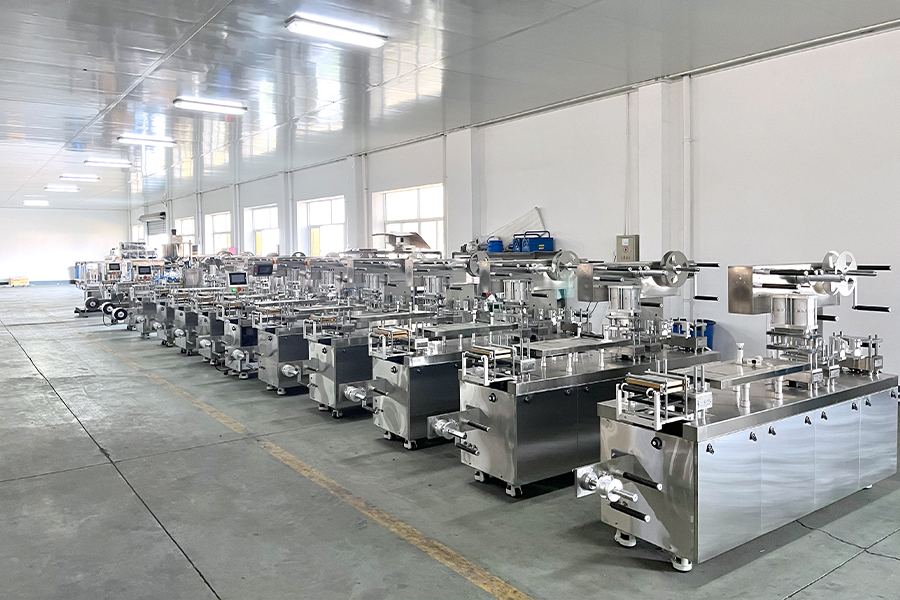
- Semi-automatic type: Turntable plus sensors. People place bottles, machine counts. Small-to-mid factory standard. Handles thousands capsules/minute. Cheap and durable. But adjusting specs troublesome. Changing capsule sizes requires manual tuning.
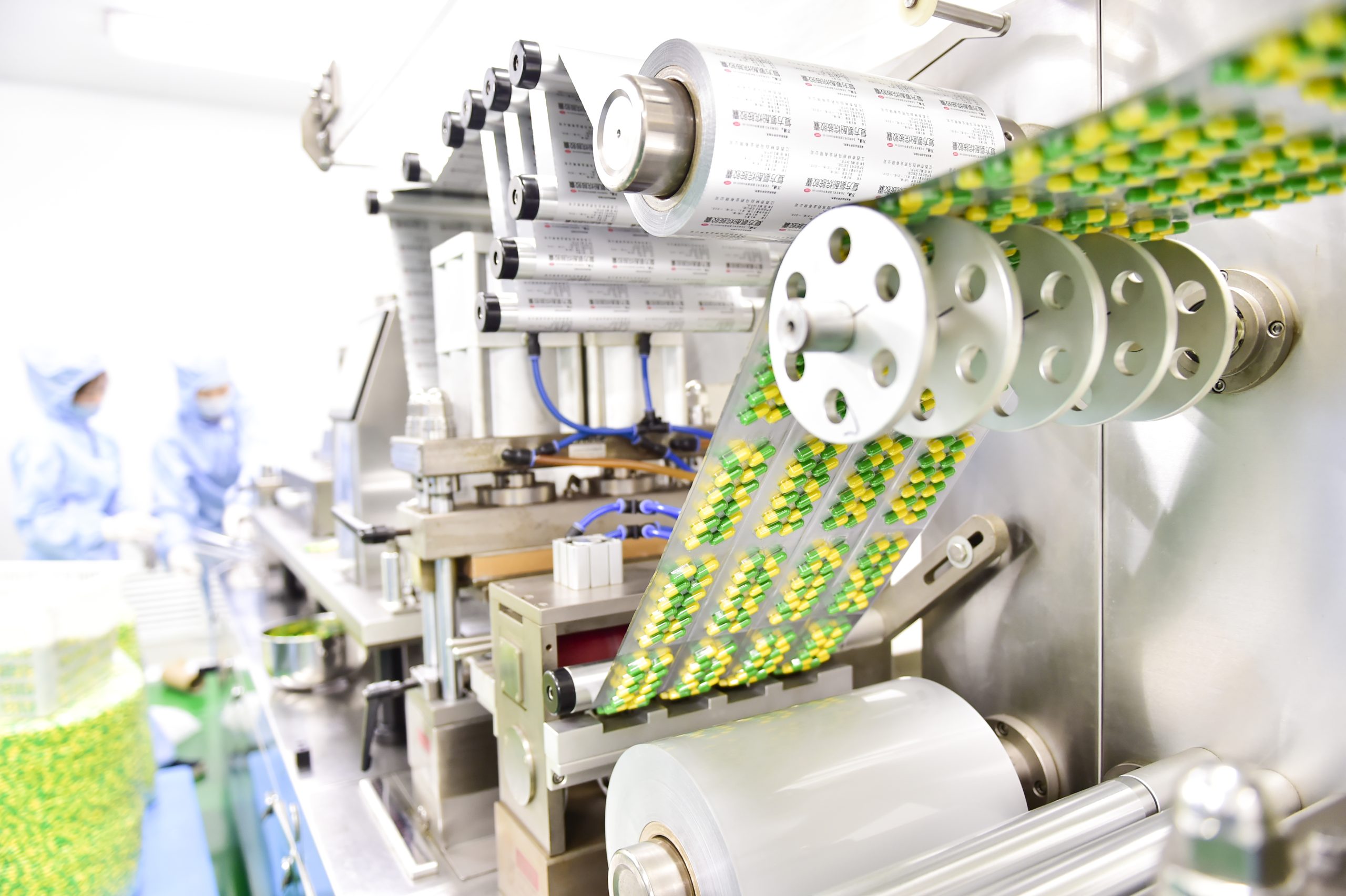
- Fully automatic type: PLC touchscreen plus multi-track sensors. Tens of thousands per minute. Includes dust prevention, self-cleaning, even vision AI identifying broken pieces. India’s Adinath digital counting machines—handle various shapes and sizes without changing parts. This is king.
I’m quite surprised. Early machines relied on mechanical plates for counting. Changing specs meant half-day disassembly.
Now? Vision systems burst onto scene. Like Data Technologies’ AI counters—100% accurate, dust-resistant, production line changes take seconds.
Working principle upgraded: No longer purely photoelectric. Fuses optics plus algorithms. Counts while eliminating foreign objects. Pharma factories use this—GMP standards easily passed. Supplement lines use this—orders double no problem.
Forecast: By 2027, fully automatic plus AI vision machines will occupy 80% market share.
Why? Labor costs skyrocketing. Strict regulations (FDA accountability for counting errors). Plus e-commerce supplement explosion—think Amazon, eBay “one daily dose” soft capsules. Packaging speed determines survival.
China and India dumping low prices. Europe-America pivoting toward premium customization.
Contradiction escalates: Small-to-mid enterprises not upgrading machines face supply chain breaks. Large factories use them to slash prices. Shakeout imminent.
One painful truth: Low-end manual will be eliminated. But “desktop” small machines will explode—targeting hospitals and small labs. Portable as iPads.
This reminds me of last century’s textile machine revolution. Hand-loom worker unemployment wave. Capsule machines are pharma’s “steam engine”—whoever adopts first eats meat.
What Does This Mean? Small-to-Mid Pharma’s Profit Black Hole & Giant Celebration
So What? Don’t rush. This isn’t just about machines. It hits your wallet and business lifeline.
First, cost killer: Manual counting—labor occupies 30-40% packaging costs. One fully automatic machine costs 100-500k yuan investment. Payback cycle 6-12 months. Tens of thousands capsules per hour. Error rate drops below 0.1%—saves hundreds of thousands in labor annually. Avoids contamination fines.
India’s Adinath type—sturdy construction, low cost, high output. Proves Asian supply chain already leading.
For pharmaceutical industry: Precise counting is compliance lifeline. Capsules fragile, sticky. Traditional plate machines struggle with spec changes. New digital machines switch painlessly.
Means big pharma like Pfizer batch-reduce cost per capsule (CPC). Small-to-mid enterprises falling behind lose all orders.
Supplement market even fiercer: 2026 global nutritional supplements exceed $200B. China takes big share. Capsules pack vitamins, fish oil. Slow counting means slow shipping means return wave.
After machine popularization, supply chain flattens. Small brands also produce 100k bottles daily. E-commerce livestream sales explode.
Bad news? Price wars arrive. Low-end machines flood market. Profit margins compressed from 20% to 5%.
Life aspect: For pharmacy owners, desktop machines free hands. Counting transforms from hours to minutes. Customers don’t leave while waiting for medicine. Repurchase rates up.
For entrepreneurs? Means barriers lowered. But competition white-hot—you don’t go smart, AI machine “cold-blooded efficiency” crushes you.
Honestly, quite ironic. Machines meant to save labor force people to chase technology. Giants celebrate. Small-to-mid enterprises? Either upgrade or exit.
Think about those still using tray shakers. Capsule inventory piles mountain-high. Yet counting bottleneck causes tens of thousands monthly losses… Wake up. This is the real “black hole.”
What Should I Do? 5 Actionable Steps—Avoid Pitfalls, Seize Opportunities
Now What? Just watching won’t help. Here’s actionable content. Don’t wait for 2026 regulation tightening. Act now.
- Quick inventory assessment, categorize machine replacement: Review capacity. Daily production under 5,000? Get desktop semi-automatic, under 50k yuan investment. Daily production 10k+ bottles? Go straight to fully automatic vision type. Prioritize Indian/Chinese brands like Adinath or similar—value explodes. Action: Test machines within one week. Measure accuracy rate and changeover time. Don’t trust sales BS. Verify at factories yourself.
- Lock in AI upgrade, don’t buy outdated goods: 2026 is vision plus dust removal year. Avoid pure photoelectric old machines. Choose those with self-cleaning PLC. Budget table:
| Scale | Recommended Type | Investment (10k yuan) | Payback Period | Capacity Boost |
|---|---|---|---|---|
| Small pharmacy | Desktop manual/semi-auto | 3-8 | 3 months | 5x |
| Mid factory | Automatic track | 15-30 | 6 months | 10x |
| Large line | AI vision | 40+ | 9 months | 20x+ |
Before choosing, confirm sensor precision (>99.9%) and compatibility (capsules/tablets/gummies all work).
- Supply chain restructuring, leverage cost reduction: After machines arrive, negotiate suppliers. Post-high-efficiency, bulk purchase capsule raw materials—slash prices 10-20%. Partner with e-commerce platforms. Promise “24h shipping”—orders snowball. Pro tip: Use machine data tracking errors, optimize formulas. Less breakage means more profit.
- Avoid pitfalls: training plus maintenance: Machine powerful, but stupid people waste it. New machine requires one-week training. Focus: sensor cleaning. Sign warranty. Dust-free environment mandatory. One point: Semi-automatic don’t cheap out on knockoffs. Broken sensors cost fortune to repair.
- Amplify leverage, cross-industry play: Not just pharma—supplements, food (candy counting) all work. Entrepreneurship? Start with secondhand fully automatic machines. Hunt Taobao/Xianyu. After refurbishing, earn over 10k monthly. Future watch policies. EU’s new GMP pushes mandatory AI. You deploy first, you win orders.
Execute these. See results in 3 months. Delay? Competitors already upgraded new lines. You’re still shaking trays…
Conclusion
Capsule counting machines—from manual toys to AI brains—now tearing off pharma packaging’s old skin. Contradiction crystal clear: Efficiency gap determines survival.
Stop lamenting “times change.” Take action. This isn’t just one machine. It’s your business comeback leverage.
2026—whoever masters this laughs last. Think about peers still manually counting… Bit pitiful, but also bit funny.
The market never waits. You? Move now!