
Cold-Formed Aluminum vs. Tropical Aluminum: Which is the “Optimal Solution” for Pharmaceutical Packaging in Tropical Markets?
From PVC Bottlenecks to the Rise of Tropical Foil
Pharmaceutical packaging evolution is a tug-of-war. Active ingredients battle harsh storage conditions. Traditional PVC blister packs are cheap and easy to produce. But they struggle in tropical and subtropical climates.
Humidity, heat, and UV rays are a drug’s worst enemies. When packaging fails, medications absorb moisture. They oxidize. They can even become toxic. For exporters targeting Southeast Asia, Africa, and Latin America, recalls from packaging failures are a constant nightmare.
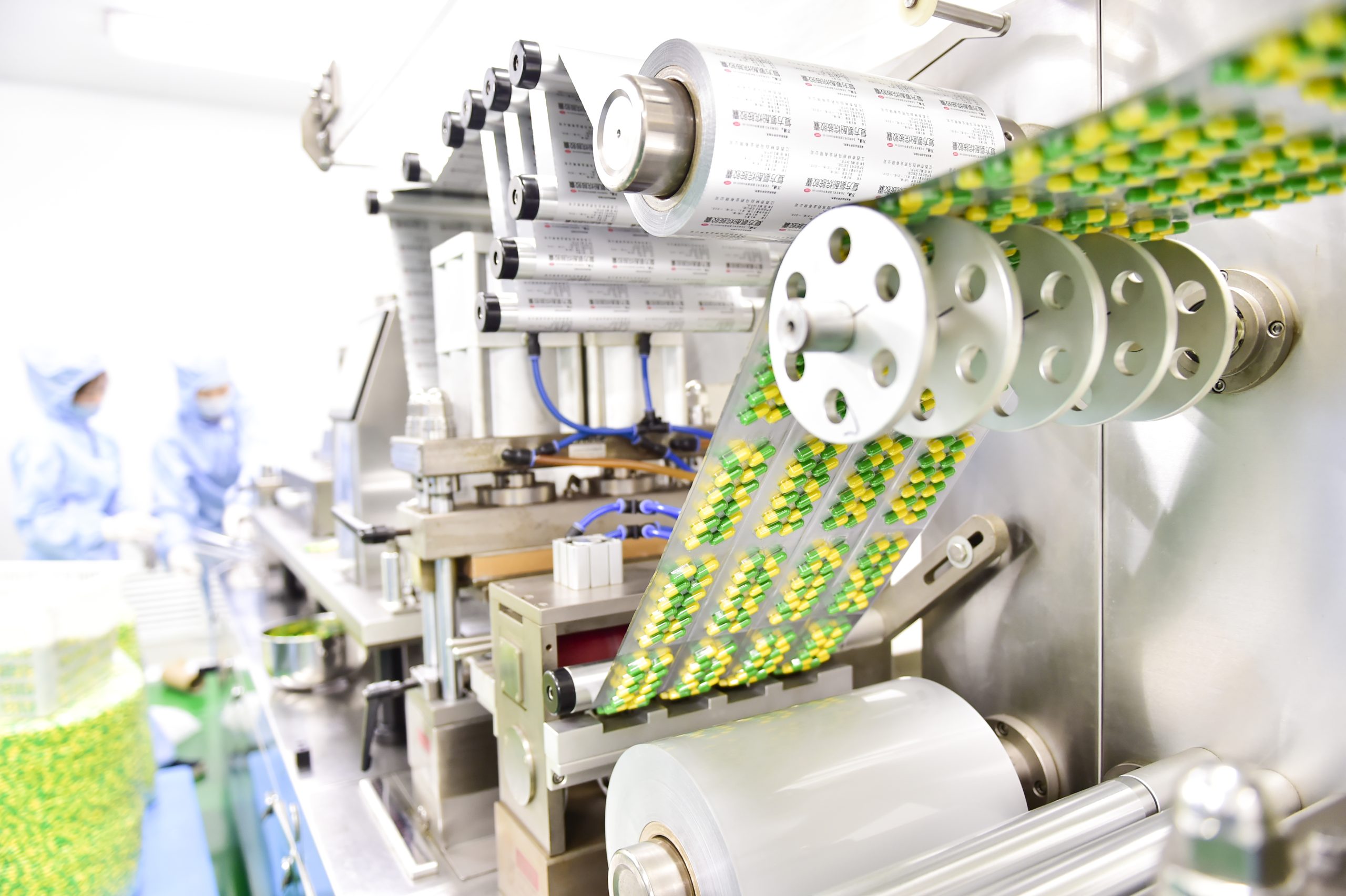
Tropical Blister Foil offers a near-perfect solution. It’s not just stacked layers. It uses a precision “sandwich” composite structure. OPA (biaxially oriented polyamide nylon), AL (aluminum foil), and VC (heat-seal lacquer) bond together with high-performance adhesive. Total thickness runs 70-110 microns.
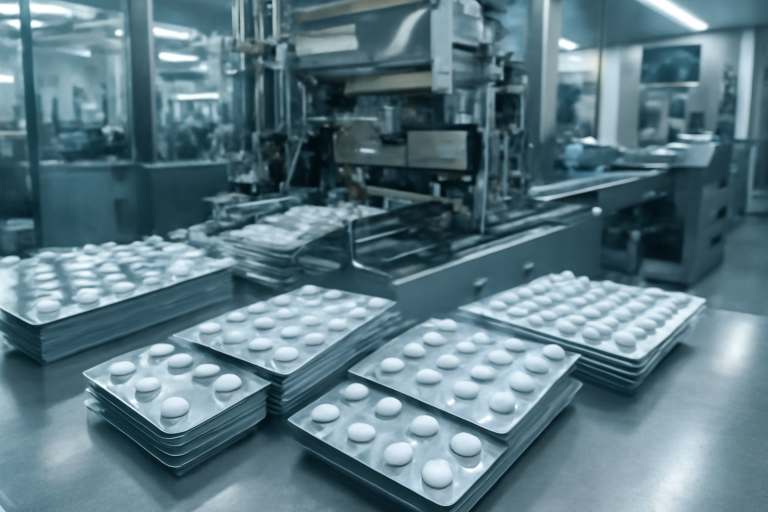
Here’s the clever part. A cold-formed aluminum composite film covers the back of standard PVC blisters. This “protective shell” completely blocks moisture, oxygen, and light. It outperforms traditional alu-plastic packaging by miles. Compared to full cold-form foil, it stays compact and costs way less.
But here’s the industry paradox. Why do many domestic pharma companies still hesitate? Fear of technical hurdles? Locked into existing production lines? Global tropical foil markets are growing at double digits annually. Post-pandemic regulations demand rock-solid drug stability. Companies stuck in “good enough” thinking will lose the international race.
The Technical Truth: Market Shakeup in Three Years
Many assume tropical blister foil is just “thicker aluminum.” Wrong. Its edge lies in complex inter-layer lamination.
Precision laminators control temperature and pressure precisely. They fuse a 25-30 micron OPA nylon layer (mechanical strength and puncture resistance), a 45-75 micron soft aluminum layer (absolute zero-permeation barrier), and a 3-8 gsm VC heat-seal layer. Seal pressure exceeds 120kPa. Peel strength stays above 9.5N/15mm. Under extreme conditions, shelf life extends 2-3 years easily.
The Performance Showdown:
- Vs. Cold-Form Foil: Cold-form offers ultimate protection. But bulky blisters mean fewer pills per sheet. Slower packaging. Material costs jump 20%-30%.
- Vs. Standard PVC/Alu: Standard alu-plastic blocks only one-tenth as much in tropical climates. Blister micro-environments shift fast.
- Tropical Foil’s Sweet Spot: It combines hot-form PVC’s speed with cold-form’s protection. High mechanical strength. Excellent formability. Runs seamlessly on existing high-speed machines. The flat aluminum surface supports precision color printing. Logos and anti-counterfeit marks go right on the pack. Brand value jumps.
Looking toward 2026, global pharma supply chains are restructuring. China exports over 40% of its pharmaceuticals to Southeast Asia and Latin America. Local regulators now mandate stability requirements. Tropical foil demand is exploding. Pfizer, AstraZeneca, and other multinationals have already switched their tropical-region products from PVC.
Bold prediction: Tropical blister foil will capture 30%+ of the cold-form market within three years.
- Regulatory Push: FDA and EMA raised standards for Climate Zone IV stability studies. Single-layer PVC compliance risks are skyrocketing.
- Cost Advantage: Domestic production cuts tropical foil costs 30%-40% below cold-form. Equipment upgrades cost far less than full cold-form line replacements.
- Domestic Substitution: Leading Chinese manufacturers (like Luoyang Dilante) now own core formulations. Import dependency dropped below 10%.
Risks remain, though. Aluminum ingot price swings hit margins directly. OPA nylon still depends on international supply chains. Geopolitical tensions create vulnerabilities.
What Does This Mean? A Pharma Ecosystem Shift
Tropical foil adoption isn’t just a packaging swap. It’s an industry earthquake.
- For Pharma Companies: Focus on TCM granules, biologics, or high-potency small molecules? Tropical foil means doubled shelf life and halved return rates. Southeast Asian packaging failures once caused 15% product loss. Tropical foil extends “freshness” from 18 to 36 months. You save money and protect your reputation.
- For Supply Chain Players: Aluminum foil suppliers face survival pressure. Markets demand standardized specs (widths 60-660mm, 76mm core diameter) and uniform coatings. Small processors get shut out. High-speed heat-sealers and laminators now hit ROI within 18 months.
- For End Consumers: Safer medications. Antibiotics, vaccine adjuvants, and chronic disease drugs stay effective in sub-Saharan or Southeast Asian heat and humidity. This isn’t just packaging progress. It’s a global public health win.
How Should Pharma Companies Position Themselves?
- Launch ROI Assessments Now Run accelerated aging tests on key products (40°C±2°C, 75%±5% humidity). If activity retention improves significantly and material premiums stay manageable, pull the trigger.
- Lock Down Core Suppliers Skip the import worship. Prioritize domestic suppliers with full OPA/AL/VC process capabilities. Negotiate annual contracts to hedge raw material swings. Audit their material sources for supply chain resilience.
- Upgrade Equipment Incrementally Don’t replace entire lines. Add tropical foil forming modules and heat-seal stations to existing high-speed PVC lines. Modular upgrades deliver compliance at minimal cost.
- Turn Packaging Into Marketing While pursuing international certifications, use that flat foil surface. Print “Tropical Shield” or “36-Month Freshness” badges. Convert technical upgrades into competitive differentiation.
Conclusion
Tropical blister foil is no longer optional. It’s the answer to climate change and global trade realities. By 2026, whoever masters advanced packaging technology controls their drugs’ path to world markets.