
Do Enteric Coatings Really Work? What Pharmacists and Users Actually Say
Ever wonder what happens to a pill after you swallow it? Those tablets marked “enteric coating” wear a special “protective suit.” But what exactly does it protect?
Surviving the Stomach Acid
On Quora, someone compared enteric coating to a “bulletproof vest” for drugs. Your stomach is like a pot of strong acid. The pH drops to 2.0. That’s acidic enough to corrode metal. Regular pills dissolve instantly there. It’s like paper meeting sulfuric acid.
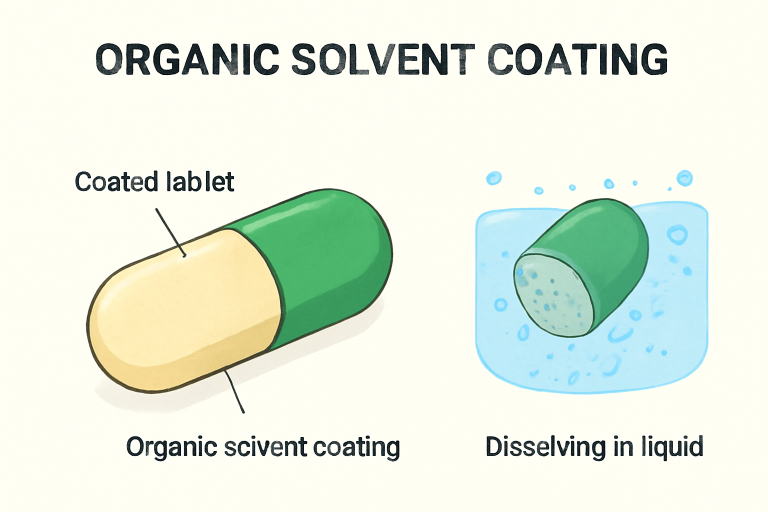
Enteric coating works differently. A Reddit pharmacist explained it well. “It’s like a raincoat for medicine. The drug stays safe through the acid storm. Then it ‘undresses’ in the gentler small intestine.”
I thought this sounded simple at first. Digging deeper revealed far more complexity.
Aspirin’s Double Life
A pharmacy forum discussion surprised me most. Enteric-coated aspirin wasn’t designed just to reduce stomach upset. That common belief is only half right.
The real reason is more interesting. Regular aspirin doesn’t fully dissolve in stomach acid. It breaks into small non-ionized chunks. These pieces stick directly to the stomach lining. They cause intensely localized acid irritation. It’s worse than pouring salt on a wound.
A senior pharmacist noted something key. “Enteric coating isn’t simple protection. It changes the entire drug release process. It forces ionization at high pH. This avoids those deadly fragment attacks.”
Here’s the frustrating part. Even enteric-coated aspirin can’t fully prevent stomach bleeding. Aspirin damages the stomach through systemic effects too. It’s not just local irritation. You try to escape the rain outside. Then you find the roof leaking inside.
Fish Oil’s Awkward Moments
Supplement communities constantly debate fish oil coatings. One Reddit user shared honestly. “I take enteric-coated fish oil. Supposedly no fishy burps. But sometimes I still get them fifteen minutes later. Maybe my body chemistry works too fast. Or maybe it doesn’t work at all?”
This simple question exposes a core problem. Timing control is tricky. Consumer Lab research shows coating can release too early. It might break down in the stomach. Or it releases too late. Then it misses the optimal absorption window.
This reminds me of modern “perfect solutions.” They look great on paper. Real use brings unexpected hiccups. Like phones claiming they “never lag.” They still develop quirks over time.
The Precision Dance of Manufacturing
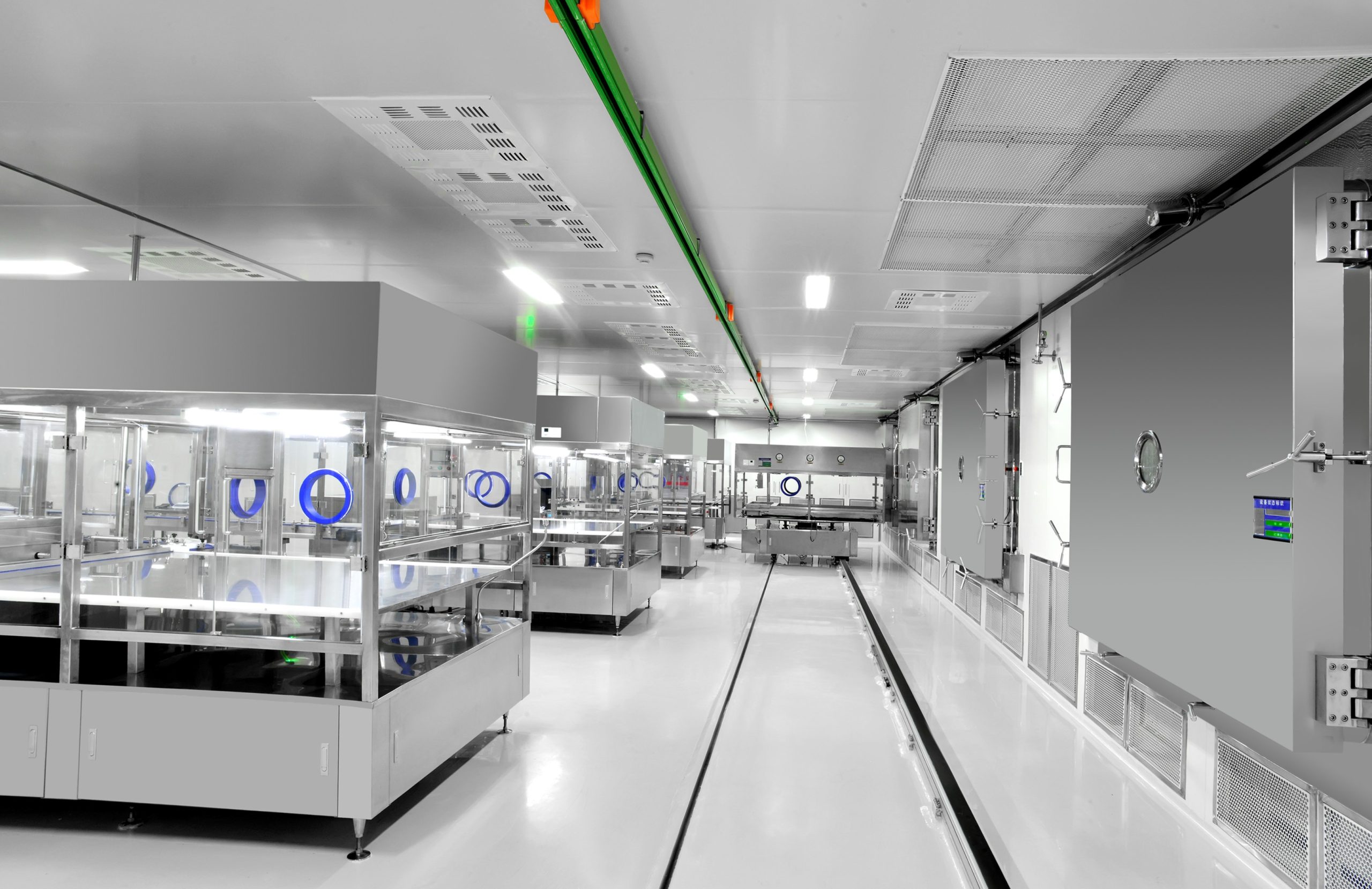
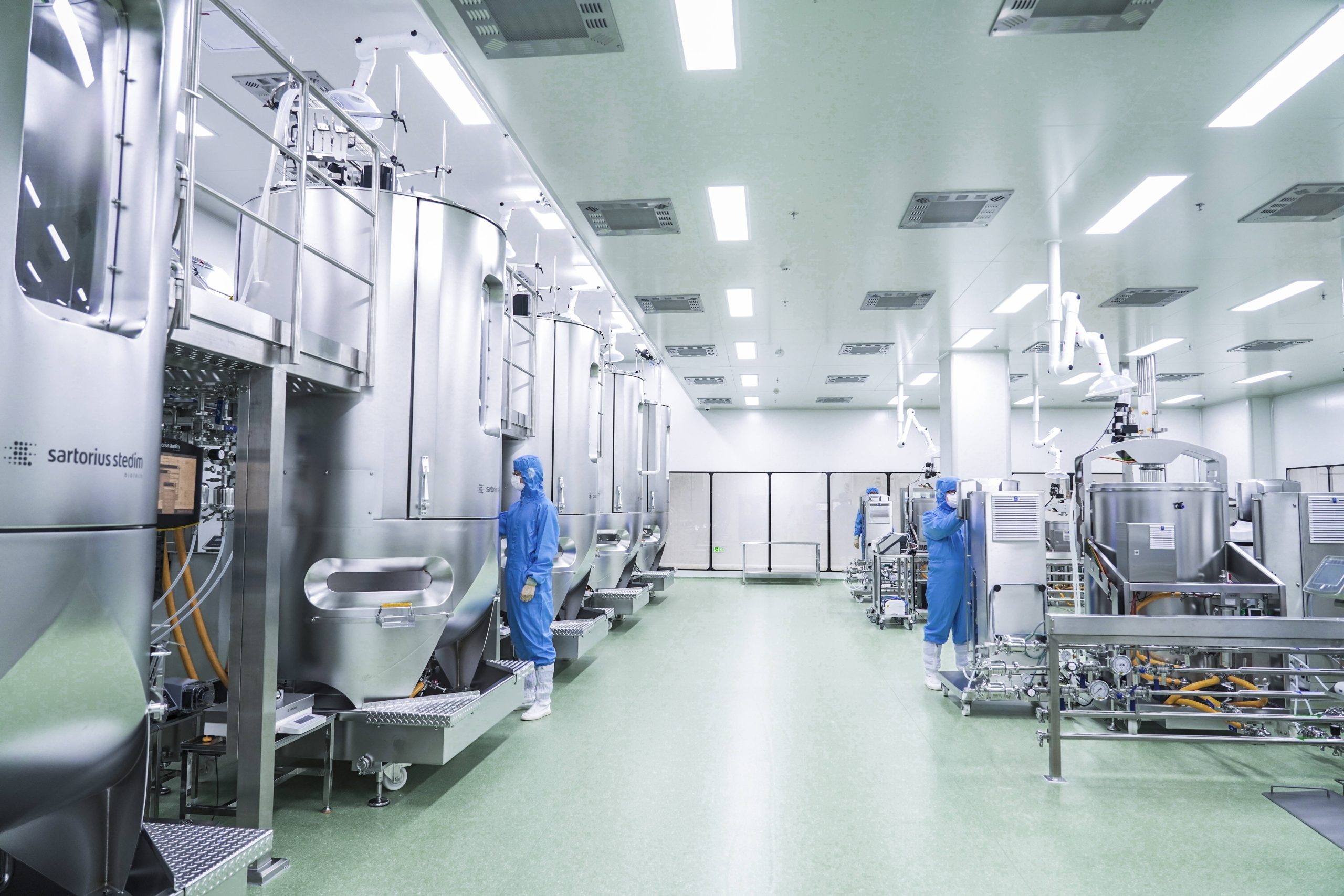
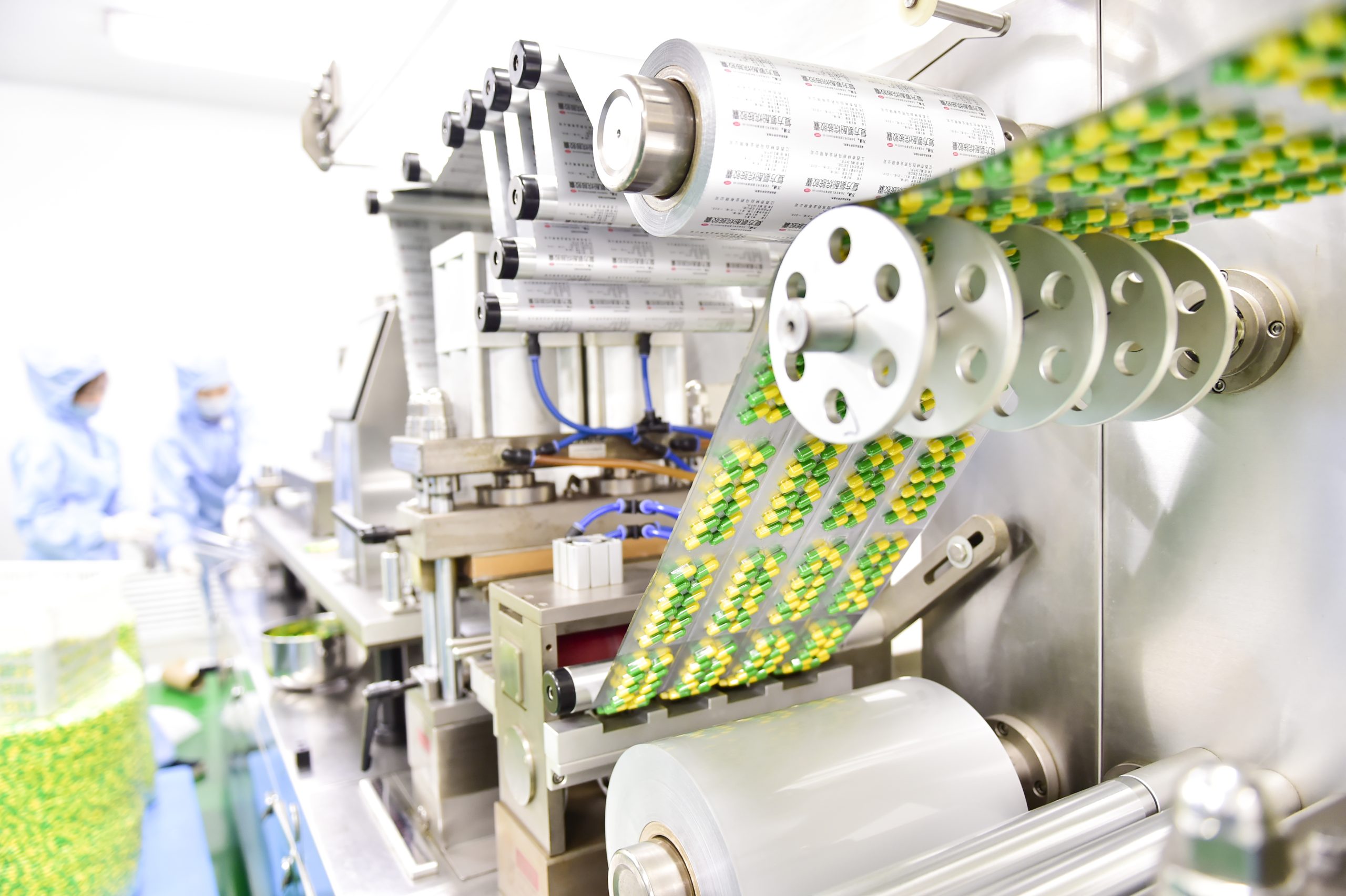
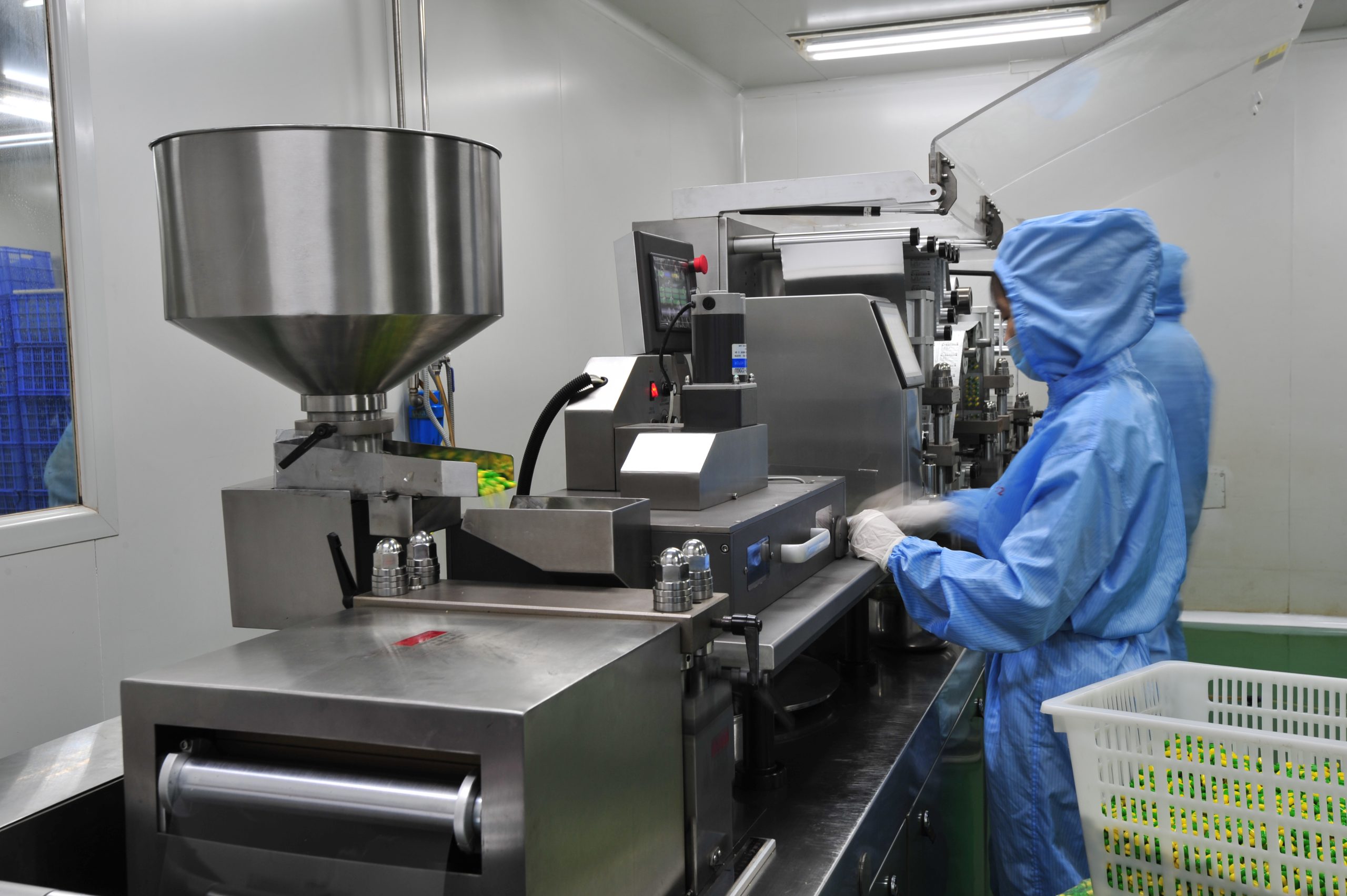
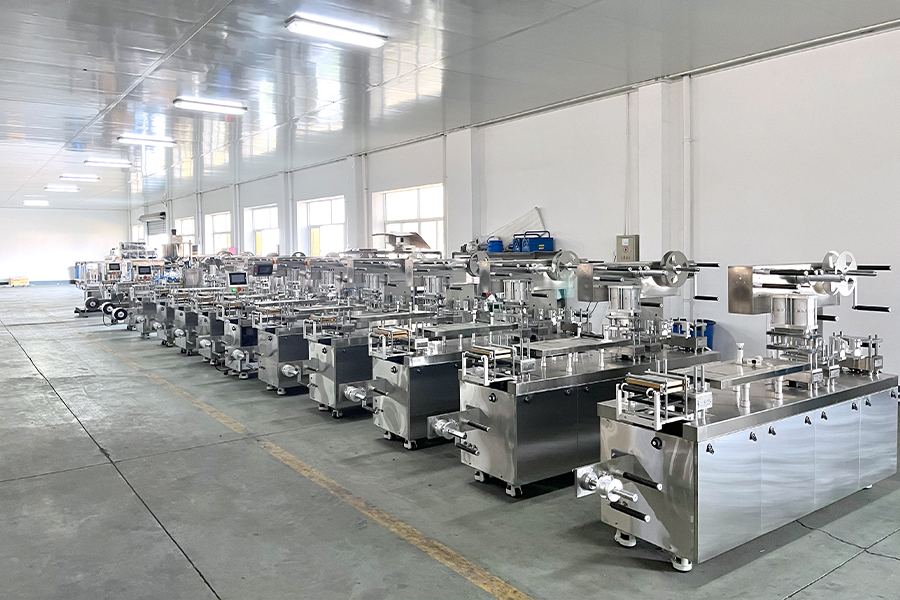
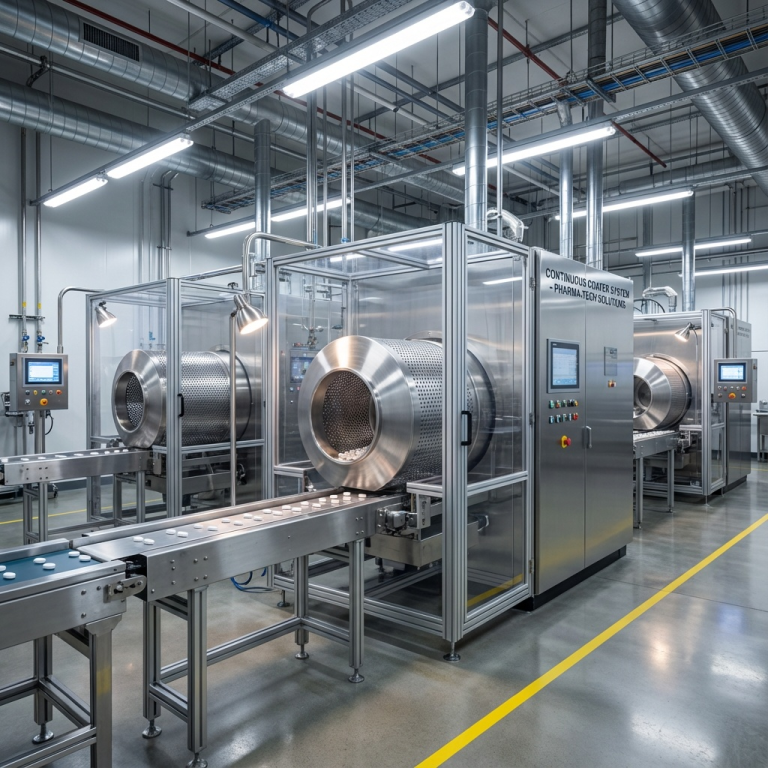
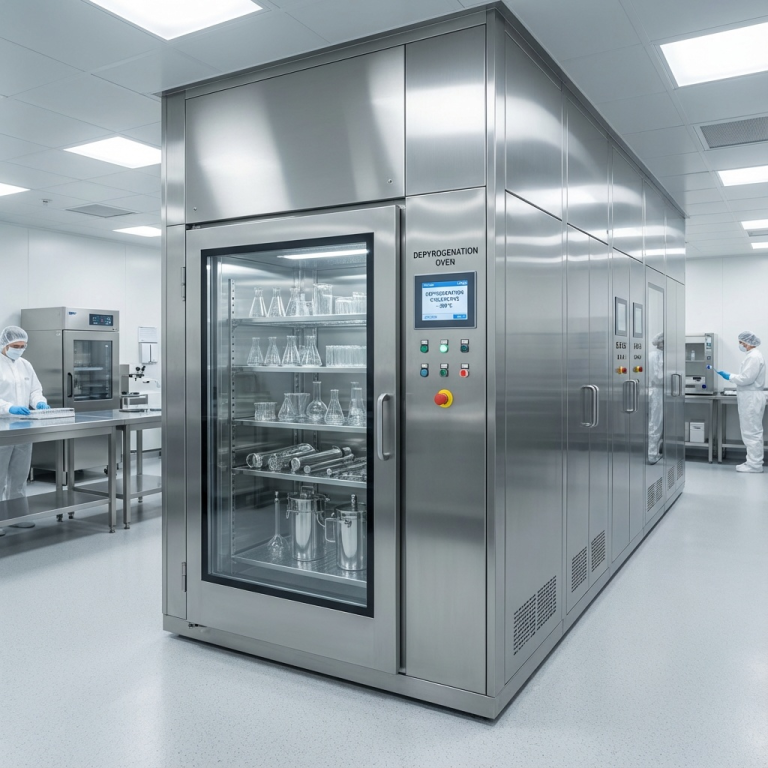
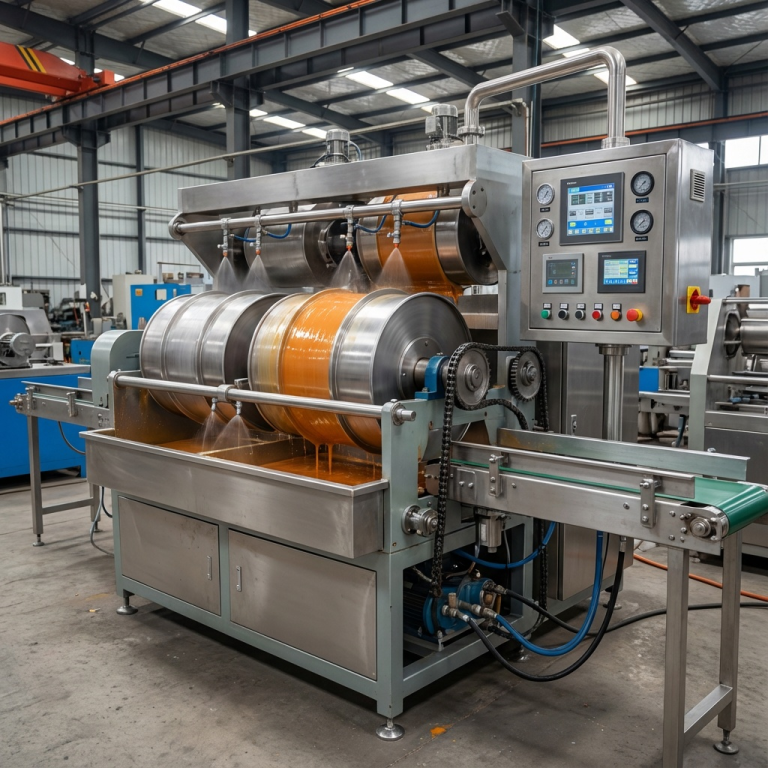
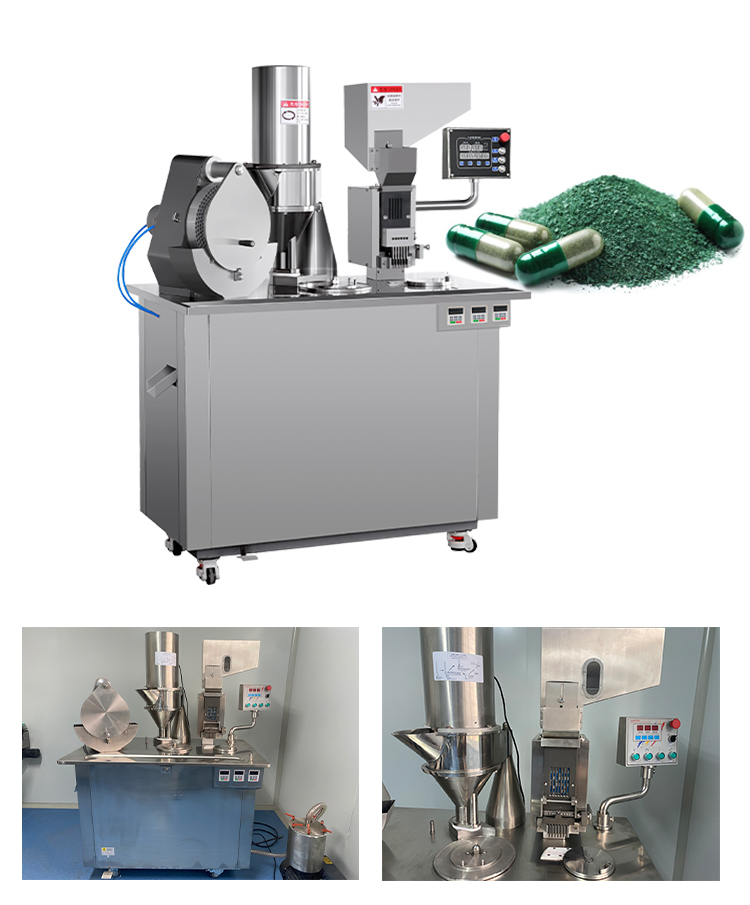
Understanding coating machines changed my perspective. Why does enteric coating cost so much? In pharmaceutical plants, these machines work like precision artists. They control temperature, humidity, and spray speed exactly. Even drum rotation speed matters critically.
An engineer from a solid dosage equipment manufacturer shared details. Coating thickness errors beyond a few micrometers ruin entire batches. This precision exceeds Swiss watchmaking standards.
What’s most surprising? Even with strict process control, coating effectiveness varies between individuals. Some people have fast gastric emptying. Others are slow. Some produce concentrated stomach acid. Others don’t. The same drug performs completely differently in different bodies.
DIY Culture’s Unexpected Invasion
The biohacker community revealed a surprising trend. People make homemade enteric coatings. They use shellac, a food-grade coating material. They “upgrade” regular capsules. The goal is improving bioavailability of supplements.
A nootropics enthusiast shared his experiment. “I coated regular tablets with shellac. The effect definitely felt different. But I can’t tell if it’s psychological or physiological.”
This DIY spirit is interesting but concerning. Industrial enteric coating needs extremely precise parameters. Home environments can’t replicate this. You can make coffee at home. But duplicating Starbucks’ standardized taste is hard.
Future Questions and Thoughts
Looking back at enteric coating technology development, I notice something interesting. As technology advances, individual needs become more obvious.
Current enteric coatings use one-size-fits-all design. They assume everyone’s digestive system works similarly. But stomach acid secretion varies greatly between people. So does digestion speed and gut microbiome. Will personalized enteric coatings emerge? Could we customize drug release curves based on genotype and metabolism?
There’s a more practical question too. Are we over-engineering while pursuing “protection”? Sometimes simple solutions work better than complex technology. Some people prefer taking smaller divided doses. They avoid depending on complicated release systems.
Final Thoughts
Enteric coating technology shows modern pharmaceutical precision and complexity. But it also reminds us something important. No technology is perfect. In this era chasing perfect solutions, maybe we need something different. Not more complex technology. Better understanding of individual differences. Finding the right balance for each person.
After all, the best medicine isn’t the most advanced. It’s the most suitable one.