
Fluidized Bed Coaters: Real Challenges Behind Pharma’s “Precision Artists”
Ever wondered why some pills have different colored shells? Why some medications require swallowing 12 tiny pills while others need just one large capsule? Behind this lies crucial equipment you’ve probably never heard of—fluidized bed coaters.
The “Dressing Room” for Small Pills
A Reddit user shared an interesting discovery about their antidepressant. Opening the capsule revealed 12 neatly arranged tiny tablets inside. This seemingly simple design hides pharmaceutical engineers’ clever thinking.
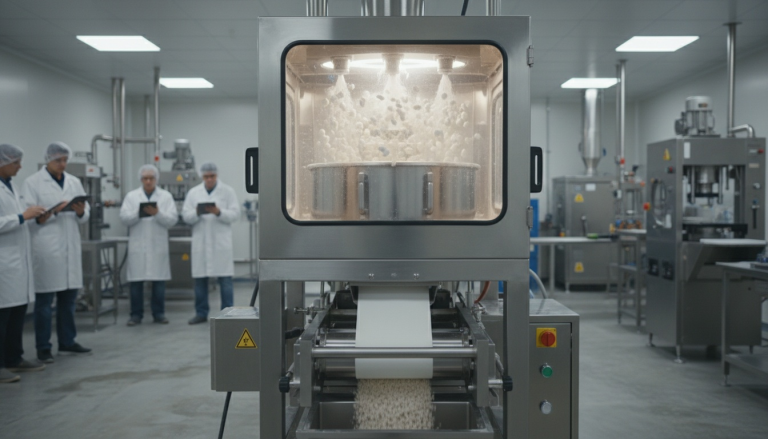
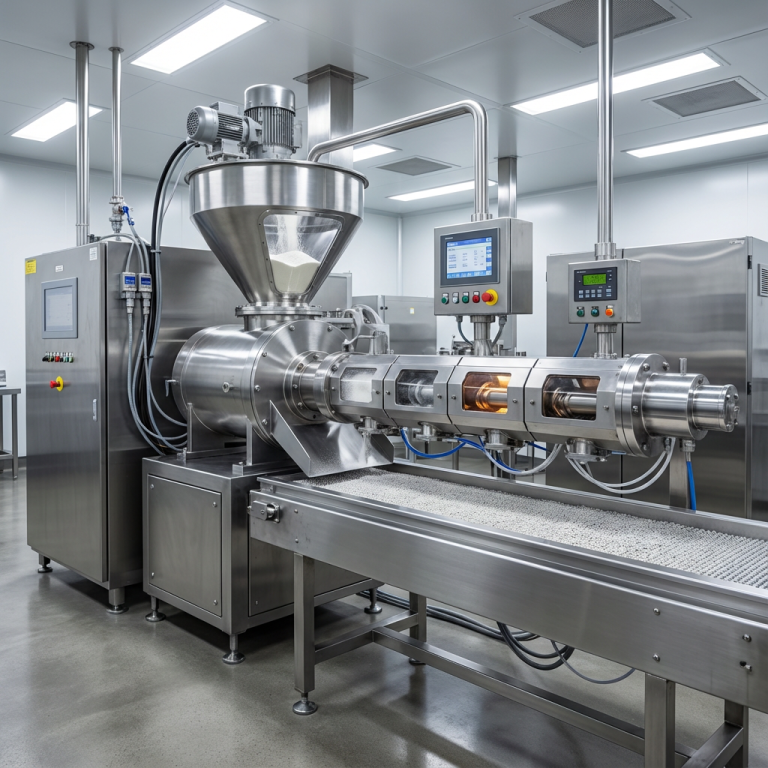
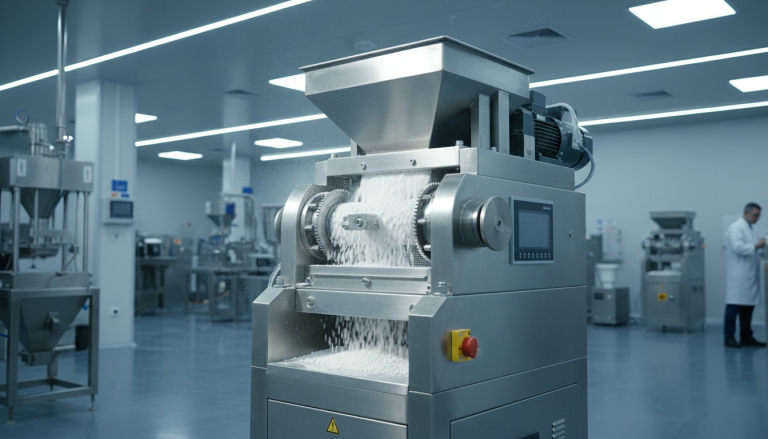
A quality assurance expert formerly at Wyeth pharma detailed this “magic” process. Drug ingredients first get formed into pasta-like thin strands. Then they’re cut into tiny spheres through rotating stainless steel plates. Next comes the key step—these spheres enter the fluidized bed coater.
“Like hail in thunderclouds,” this expert vividly compared. “Drug spheres tumble up and down in warm airflow. Simultaneously they’re wrapped by sprayed coating solution layers.” Different coating thicknesses create different dissolution rates. These spheres get mixed by dissolution time, achieving controlled drug release.
Seemingly Perfect Tech, Reality Is “Skinny”
But diving deeper reveals fluidized bed coating isn’t flawless.
Sticking Problems: The Most Annoying “Clingy One”
In professional pharma discussions, sticking gets repeatedly mentioned as the biggest pain point. When coating small tablets (≤3mm diameter mini-tablets) in fluid beds, available airflow maxes out at 25 cubic meters/hour per kilogram. This technical-sounding limitation basically means: “Insufficient airflow makes tablets clump together.”
Imagine roasting peanuts in your kitchen. Insufficient heat makes peanuts stick to the pan. Fluidized bed coating works similarly—weak airflow causes wet tablets to stick together. This ultimately scraps entire batches.
Invisible “Blind Spot” Maintenance
Equipment maintenance frustrates operators more. In fluidized bed systems, spray guns sit in bottom spray zones. Once clogging or “bearding” occurs, operators can’t see or reach them. They must shut down for repairs.
Interestingly, a chemistry subreddit user mentioned: “If equipment fails and the manufacturer is a small company, you might find no after-sales service a year later.” This reflects a pharma equipment industry reality—the importance of reliability and ongoing support.
Traditional Coating Pans “Strike Back”
Facing fluid bed limitations, some pharma companies are reconsidering traditional coating pan technology. Especially perforated coating pans, which show unexpected advantages when processing mini-tablets.
IMA company engineers found through comparative research that perforated coating pans achieve 30 cubic meters/hour per kilogram airflow. That’s 20% higher than fluid beds. More importantly, spray guns in coating pans sit in more accessible areas. Maintenance is much easier.
But here’s an interesting detail: pharma industry conservatism makes many companies skeptical about “returning to traditional technology.” Like one Reddit user joked: “Big companies always choose famous brands, even if pricier. Because ‘buying big brands won’t go wrong, but choosing cheap stuff might cause trouble’.”
Small Batch Production’s Awkward Position
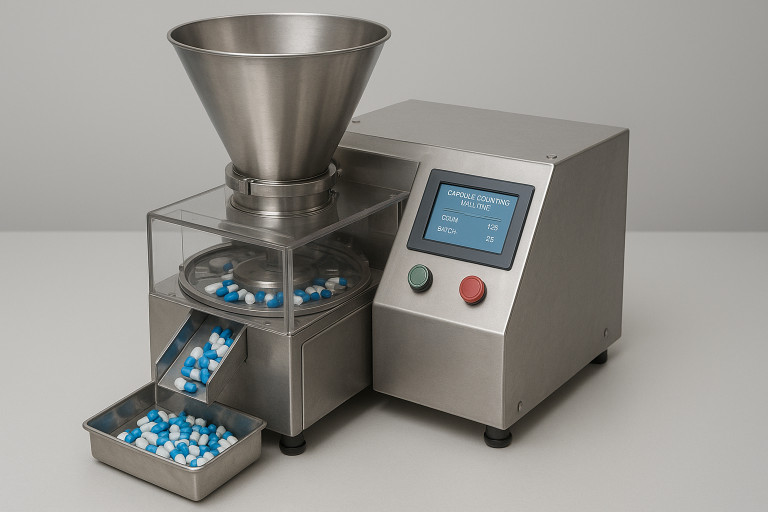
For startup pharma companies or R&D labs, equipment selection gets more tangled. In Reddit lab equipment discussions, users mentioned: “A desktop capsule coating device, like a small Wurster coater version, would be a hot product if properly validated.”
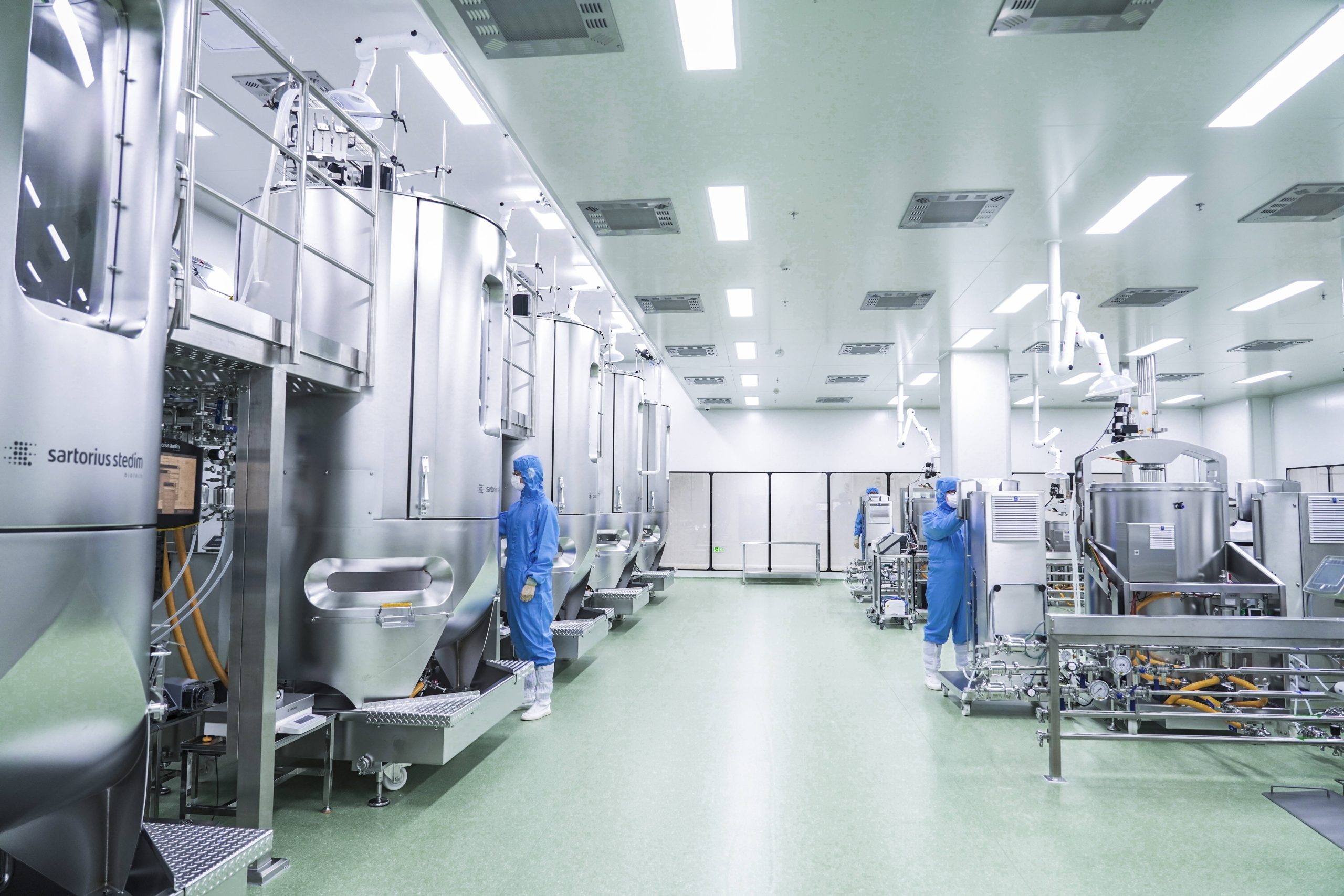
But reality shows most coating machines are designed for large-scale production. Fluid bed maximum working loads typically reach 200 kilograms. For small businesses needing to process just a few kilograms of samples, this seems overly huge and expensive.
An insider helplessly stated: “Small labs can’t afford big equipment. Big equipment manufacturers won’t customize products for small markets.” This creates an awkward market gap.
Equipment Manufacturers’ “Hidden Thresholds”
As solid dosage equipment manufacturers, challenges are more complex than outsiders imagine.
First, safety certification’s high threshold. One equipment manufacturer mentioned: “Required testing types for safe equipment sales exceed imagination, including RF testing. These certification costs are substantial.” Especially for centrifuge equipment. Improper balance might make it “jump off the workbench”—this isn’t exaggeration but real safety risk.
More critical is market acceptance. Pharma industry is extremely cautious about new suppliers. Especially under GMP (Good Manufacturing Practice) environments, “risk control” often overrides all considerations. Even if new equipment performs better and costs less, most companies choose existing suppliers. Because “switching suppliers risks too much.”
Technology Development’s “Double-Edged Sword”
Interestingly, as pharma industry demands personalized dosing, mini-tablet dosage forms are becoming increasingly popular. They’re easy to swallow. They distribute more evenly in gastrointestinal tracts. They reduce drug concentration fluctuations.
But this brings new challenges to fluidized bed coating technology. How to process smaller, more precise drug carriers while ensuring coating uniformity?
Some cutting-edge solutions are emerging. Like wedge-wire screen drum designs. They can handle small particles more gently while maintaining high airflow. But these innovative technologies’ popularization faces market acceptance problems we mentioned earlier.
Final Thoughts
Fluidized bed coating technology’s development actually reflects the entire pharma equipment industry’s status. Technical innovation versus market conservatism. Mass production needs versus personalized treatment trends. Equipment reliability versus cost control balance.
Perhaps next time you swallow a seemingly ordinary pill, think about its “dressing” process. Tumbling in airflow gusts. Receiving layer-by-layer wrapping in spray. Finally arriving before you in the most suitable form.
This isn’t just a technical issue. It’s the crystallization of countless pharmaceutical engineers, equipment manufacturers, and quality control experts’ wisdom and experience. Behind this seemingly cold industrial process lies responsibility and care for patient health.