
Fluidized Bed Coating: How It’s Reshaping Pharma and Industrial Coating Landscapes
Fluidized Bed Coater: sounds fancy, right? The principle is simple. Circulating air turns powder or particles into a “fluidized” state. They float like quicksand. This creates uniform coating layers.
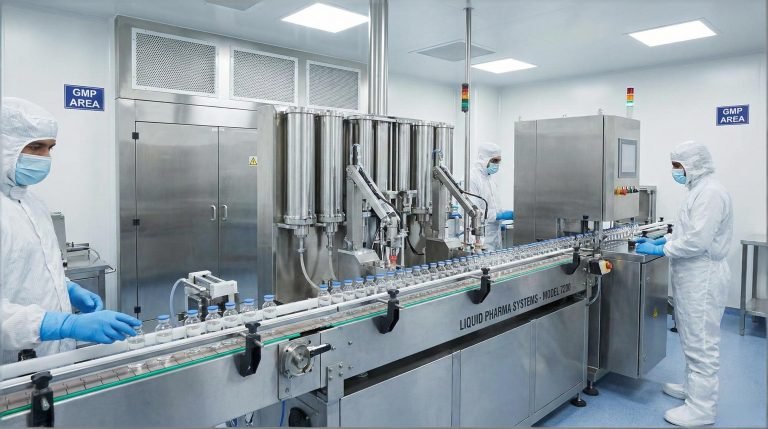
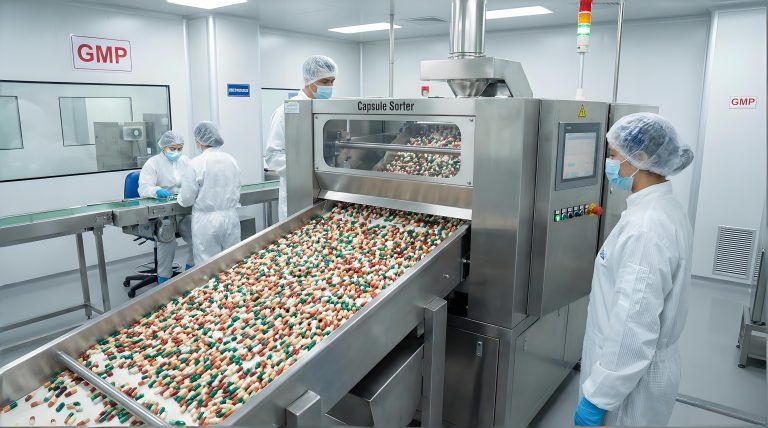
Pharma plants use it to coat pills. The goal? Controlled release and moisture protection. In industrial powder coating, people apply thick films to metal parts. This boosts wear resistance and corrosion protection. In short, it’s a multi-tasker. Granulation, drying, coating—all in one go.
But here’s the weird part that confused me at first. If the tech is so advanced, why is the market still brutally polarized? Big players like Glatt and Bhagwati Pharma pour millions into continuous production lines. Yet many small factories still cling to old spray machines. They face low output, uneven coatings, and scary rework rates. Standing at the 2026 threshold, supply chain chaos erupts everywhere. Raw materials spike. Environmental pressure mounts. Will this thing save companies or become another money pit?
Think about it. Traditional coating relies on drums or spray guns. Clumping and uneven thickness are common problems. Fluidized beds combine centrifugal force and hot air. They control coating thickness at the micron level. Plus, they skip post-drying. Data doesn’t lie. Coating thickness depends on precise temperature control. Atomized droplets are tiny and stick firmly. They rarely cause agglomeration. But here’s the catch. Why do many companies see poor results after buying equipment? The answer hides in operational details. Spray rate, air pressure, particle size—any slight deviation ruins everything. That’s the “unsolved mystery.” High technical barrier. Hard to implement.
From Pharma to Industrial: Why the Cross-Industry Dark Horse Will Explode
Let’s dig into the principle. The core of fluidized beds is “fluidization.” Air blows from the bottom. Powder boils like liquid. Top Spray suits granulation. It sprays binder downward to form particles. Bottom Spray targets coating. Particles circulate up and down through a draft tube. The nozzle sprays upward, ensuring continuous and uniform coating. Electrostatic versions are even wilder. They use electric fields to make powder “auto-adhere” to preheated parts. Dip for a few seconds. Thick film forms instantly. Thickness depends entirely on preheat temperature and dip time. 20-30 mil thickness? Easy.
At first, I thought this was pharma’s “patent.” Later, I discovered its huge cross-industry potential. In pharma, it coats pellets for controlled release, taste masking, and moisture protection. High output, low waste. In food, it applies lipid nutrients. In powder metallurgy, it coats epoxy layers to protect metal parts. Electrostatic fluidized beds work great for large items. Preheat parts above the powder’s melting point. Dip into “liquid powder.” Heat fuses it. No secondary sintering needed. This avoids coating shrinkage and deformation. It saves about 30% material compared to traditional powder spraying. Plus, it’s more scratch-resistant.
Bold prediction: 2026-2028, this market will triple. Why? Because the environmental storm has swept the globe. Under the dual pressure of EU REACH regulations and carbon neutrality policies, old spray machines with high emissions and high solvent use must go. Fluidized bed processes use air and water-based solutions. VOC (volatile organic compounds) emissions are extremely low. Material recovery rates exceed 90%. As pharma GMP standards upgrade, continuous fluidized beds are becoming standard. They run 24/7 non-stop. Output doubles directly. On the industrial side, EV battery casings and wind turbine blades urgently need high-performance weatherproof coatings. Fluidized beds hit the spot.
But don’t get too excited. Pain points remain obvious. Equipment is expensive. Entry-level machines start at 500K. Custom production lines reach millions. Parameter adjustment is almost “mystical.” Newbies mess up spray rates. Particles scatter. Scrap rates skyrocket. Also, there’s a scale bottleneck. Small and medium enterprises struggle to produce one ton daily. Big factories use economies of scale to undercut prices and grab orders. Future polarization will intensify. Top players will integrate AI temperature control and precision sensors. Coating precision will reach ±1 micron. Bottom players who don’t upgrade face exit or transformation.
This reminds me of the 3D printing craze years ago. Tech was great. But supply chain “bottlenecks” killed many companies before dawn. Today’s fluidized bed industry is very similar. Optimize spray and airflow through algorithms. Combine with 5G remote monitoring. Continuous coating will gradually replace batch production. First movers eat the meat.
What Does This Mean?
Dear reader, if you’re a pharma factory owner, coating engineer, or supply chain veteran, this directly affects your livelihood.
- Pharma and Health Supplement Circle: Fluidized beds are no longer a “bonus.” They’re a “must-have.” The sustained-release tablet market grows 15% annually. Uneven traditional coating causes poor patient experience. It can even trigger recalls. Use advanced equipment. Drug efficacy becomes more stable. Exporting to Europe and the US becomes barrier-free. This means: If your competitor still uses old drum machines, you win the price war. Costs drop 20%. Quality soars. But note: upstream resin and film-forming agent prices rose 10-15%. Stock up early.
- Powder Coating Factories: Electrostatic fluidized beds are reshaping the game. For high-volume coating of auto parts and pipes, thickness controls between 0.5-2mm. Salt spray tests reach 2000 hours. Far exceeds traditional spraying. This means: Your customer orders may surge from thousands to tens of thousands daily. Profit margins could rise from 8% to 18%. But bad news: technical barriers rise. Skilled worker shortages. Training costs will double.
- Crisis for Small and Medium Enterprises: Equipment payback period reaches 2-3 years. Small orders aren’t worth it. Outsource? Big factories’ monopoly position will kill your bargaining power. Long-term, the industry faces a big shakeout: 80% of tail-end players may collapse. The rest will consolidate into specialized platforms offering “coating as a service.”
- Personal Level: If you’re an engineer, this is an excellent springboard. Master both bottom spray and electrostatic skills. Job-hopping salary starts at 300K annually. If you’re an entrepreneur, don’t blindly go all-in. Target niche markets: like food-grade specialty coatings or battery anode material coating. Demand in these areas is just exploding.
In short, this isn’t just tech upgrade. It’s industry foundation restructuring. Big players feast. Small players survive. So what? Your position determines whether you’re sharing the cake or licking the plate.
What Should I Do?
- Take small, fast steps. Don’t go all-in. Start with lab-scale pilot machines. Process 5-10kg per batch. Refine parameters repeatedly: spray rate 1-2ml/min, air pressure 0.2-0.4bar, temperature control 50-80℃. This trial costs under 100K. About 3 months to figure it out. After validation, scale up production lines.
- Lock onto niche markets. Avoid red ocean competition. Big pharma grabs generic drug coating. You can pivot to battery anode coating or food particle lipid coating. These areas see exploding demand. Competition is relatively low.
- Build supply chain alliances. Share operating costs. Going solo gets narrower. Partner with resin factories and downstream application manufacturers to build platforms together. Share equipment resources. Rent out during idle time for extra revenue. Reference Germany’s “equipment + service” model. That’s the sustainable path.
- Embrace digitalization. Automate parameters. Still manually adjusting spray based on experience? That’s outdated. Introduce PLC + AI control systems. Monitor humidity and airflow in real-time. Achieve automatic deviation adjustment. Though it requires an extra 50K investment, production efficiency can rise over 30%.
Conclusion
Fluidized bed technology stands on the eve of explosion. It’s both an efficiency tool and a competitive barrier. Facing the coming industry shakeout, only by precisely mastering parameters and locking onto high-value tracks can you stand firm in this transformation.
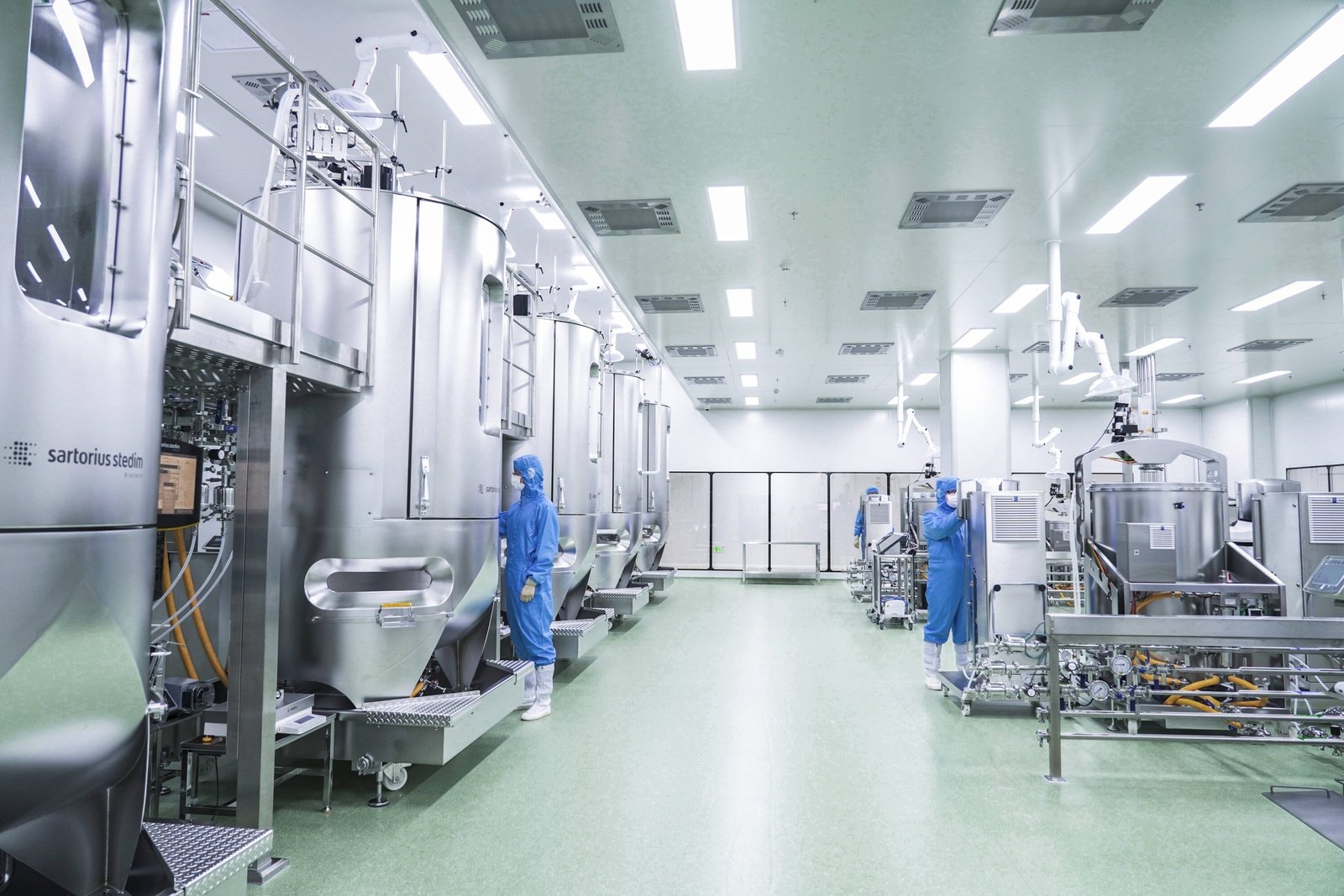
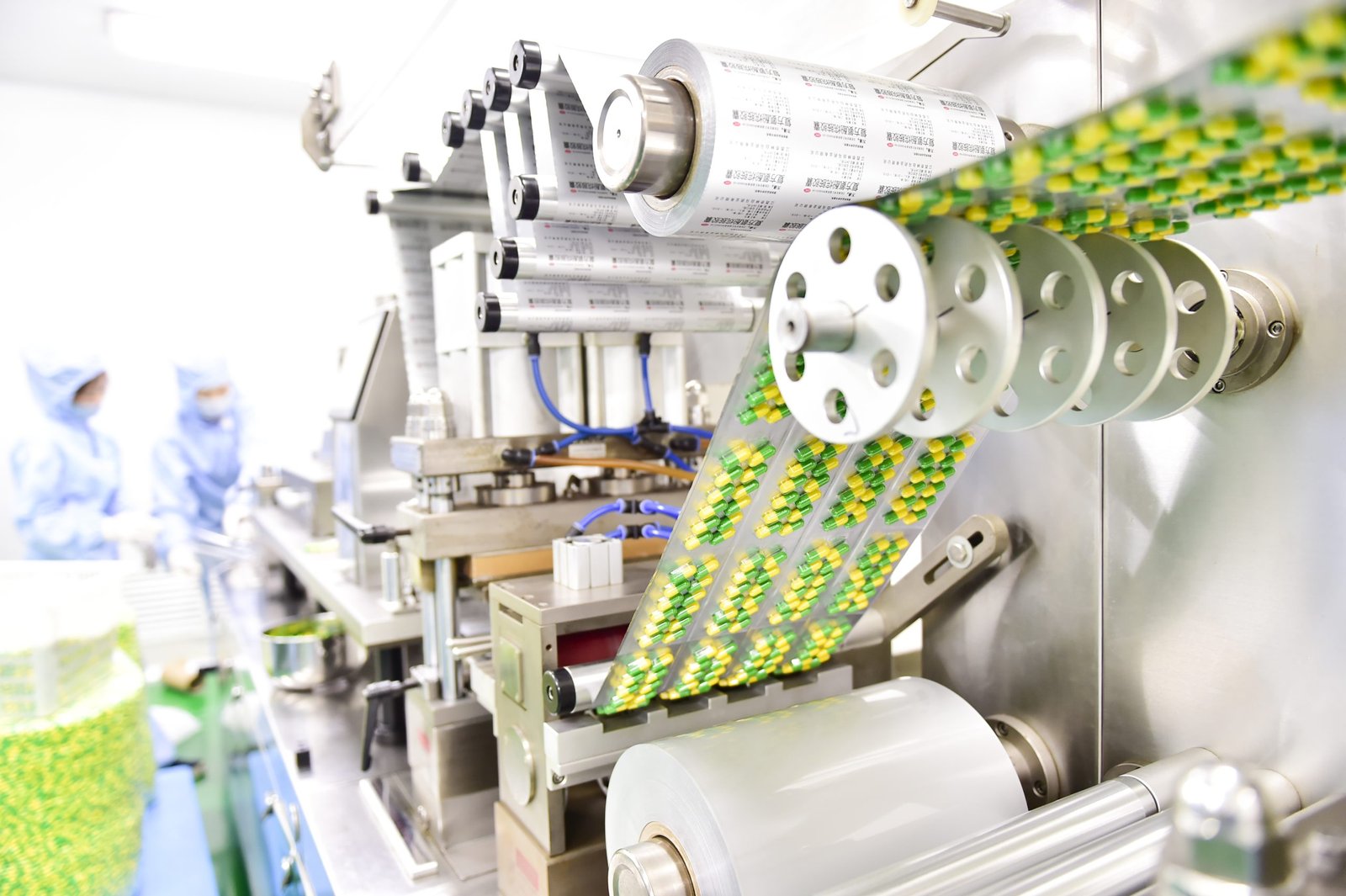
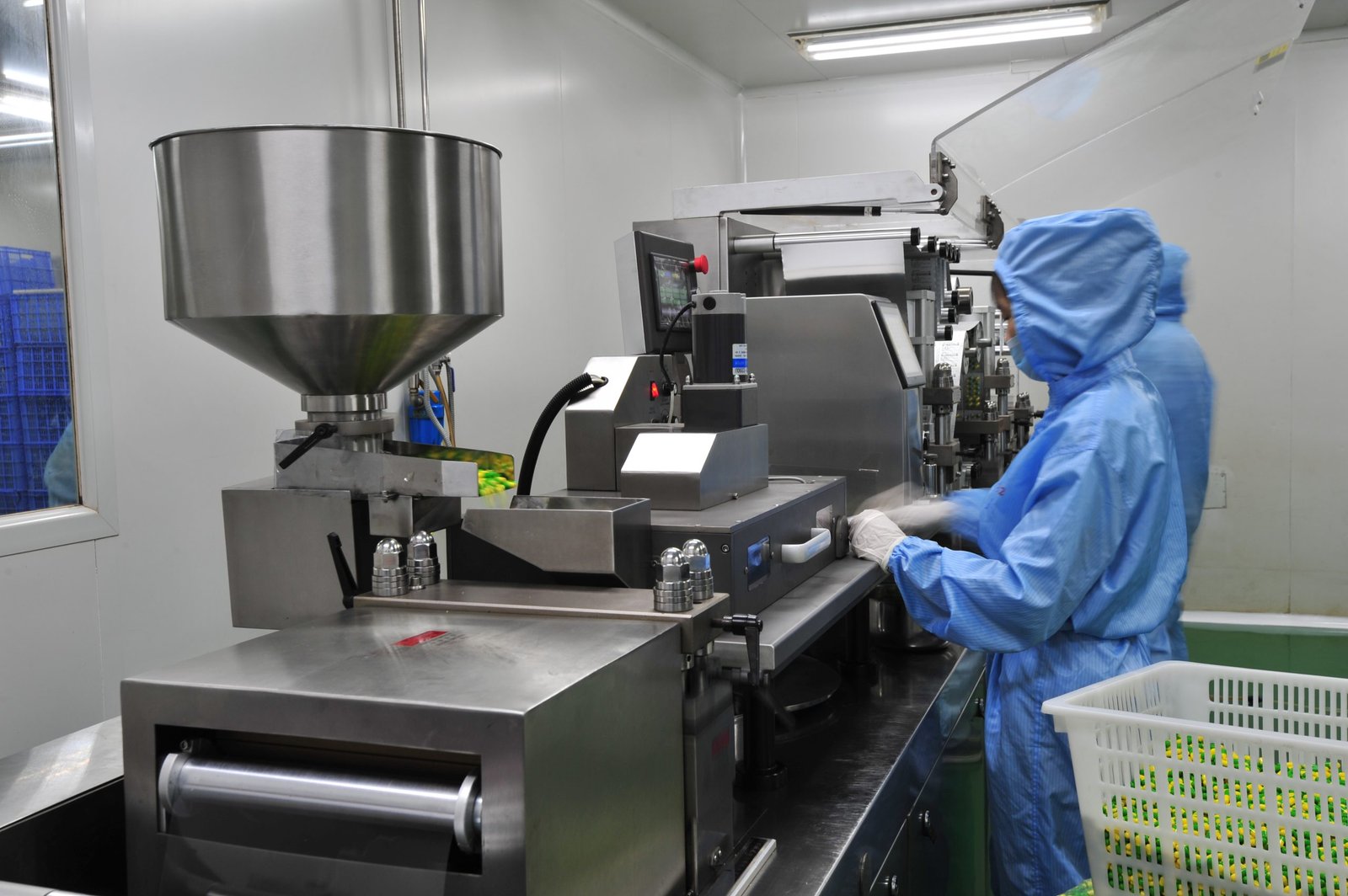
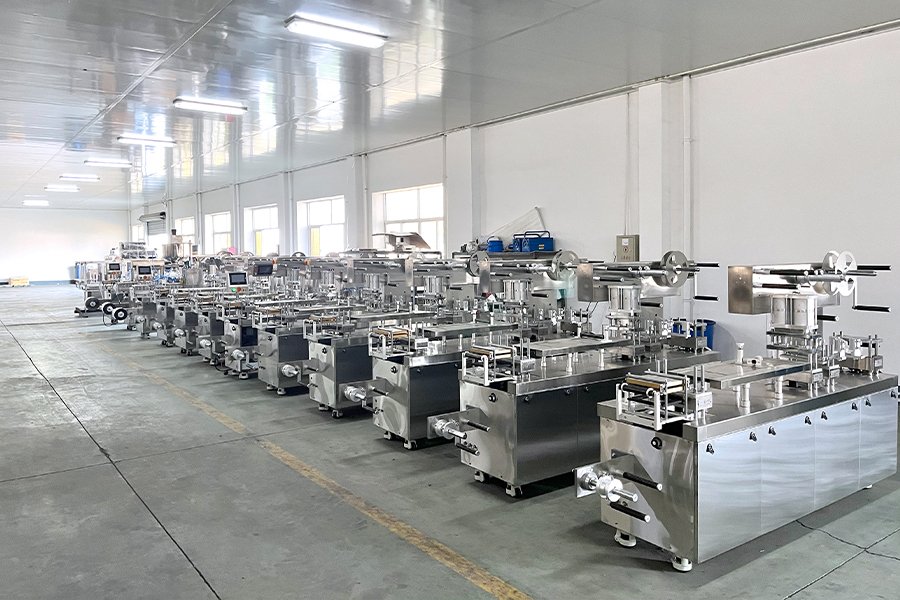
Welcome To Our Pharmaceutical Equipment Line Factory!

Why Choose Us
Specialized Factory
Economical Pricing Options
On-Time Delivery
Perfect Customer Service
Custom Solutions Available
Our technical experts are always ready to assist you in finding the perfect customized solution for your needs.