
From “Black Box Technology” to AI-Driven: Technical Analysis of Vibratory Bowl Counting Systems and Market Trend Outlook for 2028
The “Ticking Time Bomb” of Manual Counting vs. The Silent Robot Takeover
Picture your packaging floor. Workers huddle around scattered screws, caps, and tiny parts. They count each batch by hand.
How’s efficiency? Barely passable. Accuracy? Forget it.
Fatigue kicks in. Someone stuffs one extra. Someone misses one. Returns pile up. Complaints explode.
This is reality for most small packaging plants. Manual counting looks cheap. It’s actually a disaster waiting to happen.
But something’s quietly changing the game: Vibratory Counting Systems.
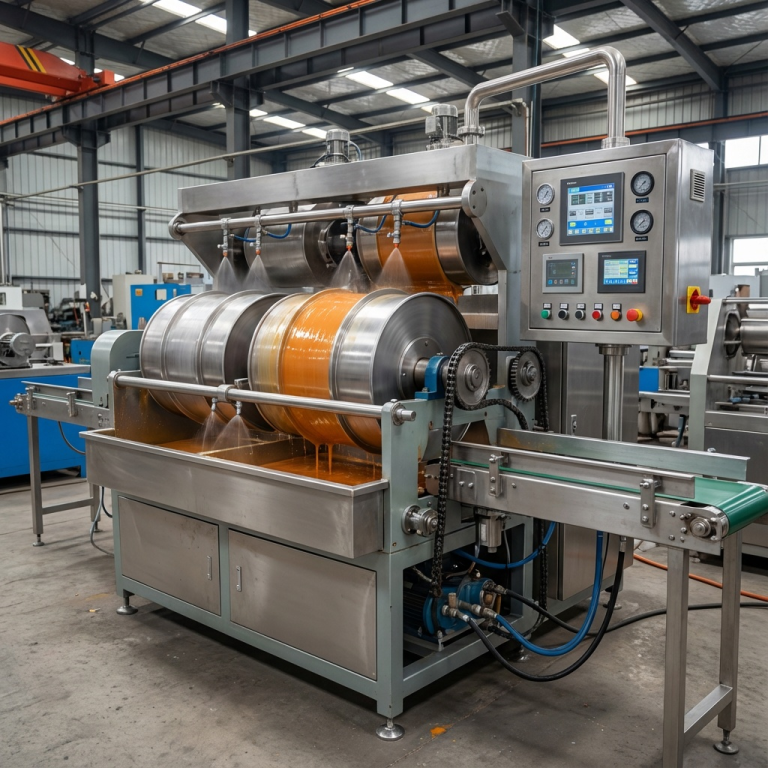
Here’s the deal. These systems combine vibratory bowl feeders with precision sensors. Parts line up like soldiers. They climb, get counted, and exit in perfect batches.
Watch it work. Parts spiral up the bowl’s track. Sensors scan them. Hit 10 pieces? System slows down to prevent double-drops. Hit 12? Full stop. Wait for reset.
Hoosier Feeder’s dual-gate design is a beast. It accumulates and dispenses simultaneously. Speed? 100 parts per minute. It even kicks out bad batches automatically.
This isn’t sci-fi. It’s available now.
So why are small manufacturers hesitating?
Manual counting seems “cheap.” But hidden costs are eating your profits alive. High error rates. Worker turnover. It’s slow poison.
Meanwhile, vibratory systems have gotten stupid-simple. Built-in controls. No external PLC needed.
Labor costs are skyrocketing in 2026. E-commerce packaging demand is exploding. This tension is becoming a survival battle.
I thought this was big-factory stuff. I was wrong. It’s the secret weapon for smaller players.
From “Black Art” to AI-Powered: Vibratory Systems Will Devour 50% of the Manual Market
Let’s go deeper.
Vibratory counting isn’t just a shaking bowl. It’s a three-way fusion: mechanics, sensors, and control systems.
The core principle? Electromagnetic drives vibrate the bowl at 60-120Hz. Parts ride the combo of gravity and vibration. They climb spiral tracks. They self-orient. Screw heads face up automatically.
Counting uses light curtain sensors or precision timers. Accuracy hits single-digit precision. Anti-double-drop logic kicks in near target counts. Track locks when you hit the number.
Here’s the interesting part. Tuning these machines is called “black art” in the industry.
You balance springs and counterweights to hit resonant frequency. US standard: 60Hz. Europe: 50Hz. Variable frequency drives fine-tune amplitude and waveforms.
Hoosier’s dual-gate keeps output continuous. Olympic’s multi-head design connects directly to bagging machines. Elscint turned traditional bowl feeders into counting wizards.
But why isn’t everyone using this?
Traditional systems are picky about parts. Fragile plastics need gateless soft tracks. Cylinders need V-grooves or specific radius paths. Small factories fear long payback periods. Big factories hate integration headaches.
Here’s my bold prediction: By 2028, vibratory counting will eat 50% of the manual market.
Three reasons:
- Tech upgrades are coming. Embedded vision AI (think Tesla FSD logic) will correct errors in real-time. Accuracy will jump to 99.9%+.
- Modular explosion. Companies like Feeding Concepts offer custom tooling kits. KMG’s vibratory conveyor chains snap together like LEGO.
- Cost curves are bending. Systems that cost $100K now run under $30K. Chinese alternatives and open-source controls made it happen. E-commerce small parts demand is exploding. Manual speed can’t keep up.
Remember palletizing robots? Big-factory toys first. Then small-factory standard equipment. Vibratory counting will repeat this pattern. Faster. Because it delivers precision built-in. No downstream reweighing needed.
Your Shop Floor, Your Wallet, and Your Edge Are About to Get Reshuffled
This isn’t tech gossip. This is a survival line for your business.
Cost killer effect. Manual counting has 5-10% error rates. That’s 500-1000 defects per 10,000 batches. Returns and rework? At least ¥100,000 lost.
Vibratory systems hit zero shortage.
I ran the numbers. At 100 parts/minute, daily output hits 70,000 pieces. That replaces 3 workers. Annual labor savings: ¥500,000. ROI payback: 6-12 months.
Competitive leap. E-commerce customers demand “on-time, exact quantity.”
When your delivery accuracy hits 99%, competitors are still counting fingers. Total domination.
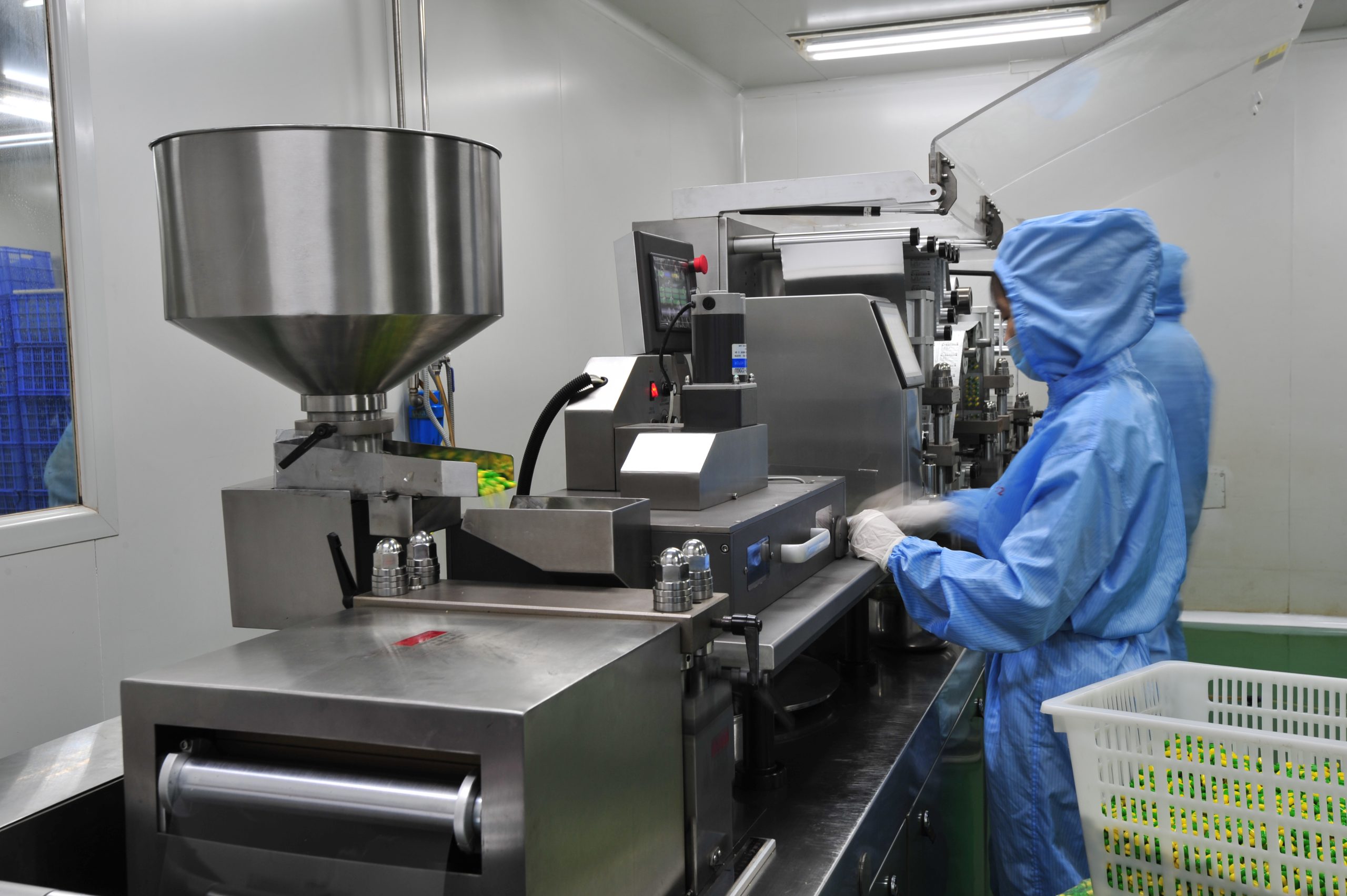
Capsule packaging example: manual bagging was slow and contamination-prone. Vibratory bowl counting plus auto-bagging? Output doubles instantly.
Real life impact? Bosses stress less. Workers escape mind-numbing counting jobs. They become equipment techs. Turnover drops 30%.
The flip side: labor disruption.
Small factories depending on skilled counters? Transform too slow and e-commerce supply chains will drop you.
Big picture: China’s manufacturing automation rate passed 60% in 2026. Vibratory systems are the “poor man’s Industry 4.0” for SMEs.
What does this mean? No upgrade = not just falling behind. You’re getting kicked out.
What Should You Do?
1. Calculate ROI fast. Pick the right starter model.
Run this math: Daily parts × Error rate × Unit price = Your hidden cost
Choose models with built-in controls. FCI’s timed counting system. Hoosier’s dual-gate series.
Budget: ¥30,000-50,000. Request sample testing. Critical: Test with YOUR actual parts. Orientation rate must hit 95%+.
2. Start modular. Don’t replace everything at once.
Begin with one vibratory bowl counter. Chain it to KMG vibratory conveyors. Connect to your existing bagger.
Add level sensors to prevent empty-bowl runs. Install amplitude controllers.
Pilot one line. Watch it for a week. Let data talk.
3. Go custom. Bring in AI on a budget.
Skip expensive imports. Try open-source PLCs (Siemens Logo series) plus Raspberry Pi vision modules.
For tricky parts, order custom negative-angle or radius tracks.
Pro tip: Start at 60Hz frequency. Best compatibility for common parts.
4. Lock in supply chain advantages.
Find upstream pre-hopper suppliers. Sign exclusive vibratory bowl customization deals.
Downstream: pitch your “zero-error counting” to e-commerce packaging lines.
Worker training takes one day. Reset buttons and alarm handling. That’s it.
5. Hedge risks. Test multiple scenarios.
Worried about part spec changes? Keep a “quick dump” small-batch mode ready.
For labor transition, train workers as equipment monitors. Offer skill bonuses.
Ultimate move: Join industry automation communities. Share cases. Crowdsource parameter optimization.
Execute this, and you’re not buying machines. You’re buying future time and market share.
Start small. Nail one line. See the numbers. Then snowball.
Conclusion
Remember that “ticking time bomb” workshop from the beginning? It’s now a high-efficiency fortress.
Vibratory counting systems prove one thing: when tech gets democratized, small players win big games.
In 2026’s labor shortage and precision war, this is your ace card.