
From “Exploding Pills” to Turret Cleaning: The Untold Stories Behind Pharmaceutical Turrets
A Little Pill’s “Explosive” Scene
A few days ago on Reddit, I saw a post that made me stop scrolling instantly. Someone posted a photo of their pill split open from the middle. It puffed up like a little bread roll. The post went viral immediately. Over 20,000 upvotes. The comments section exploded.
Some said it looked like mini Milano cookies. Others worried if it was moldy. Then pharmaceutical industry professionals jumped in to explain. This was a typical “capping” defect. One user claiming to work at a pharma company said: “We 100% need to know our tablets turned out like this. Likely a manufacturing defect—maybe air got mixed in during granulation. Or compression parameters weren’t optimized. Or maybe the die had issues.”
That reply got over 20,000 likes. What struck me most was this. Regular users’ first reaction was “looks like food.” Professionals’ reaction was “this is dangerous.”
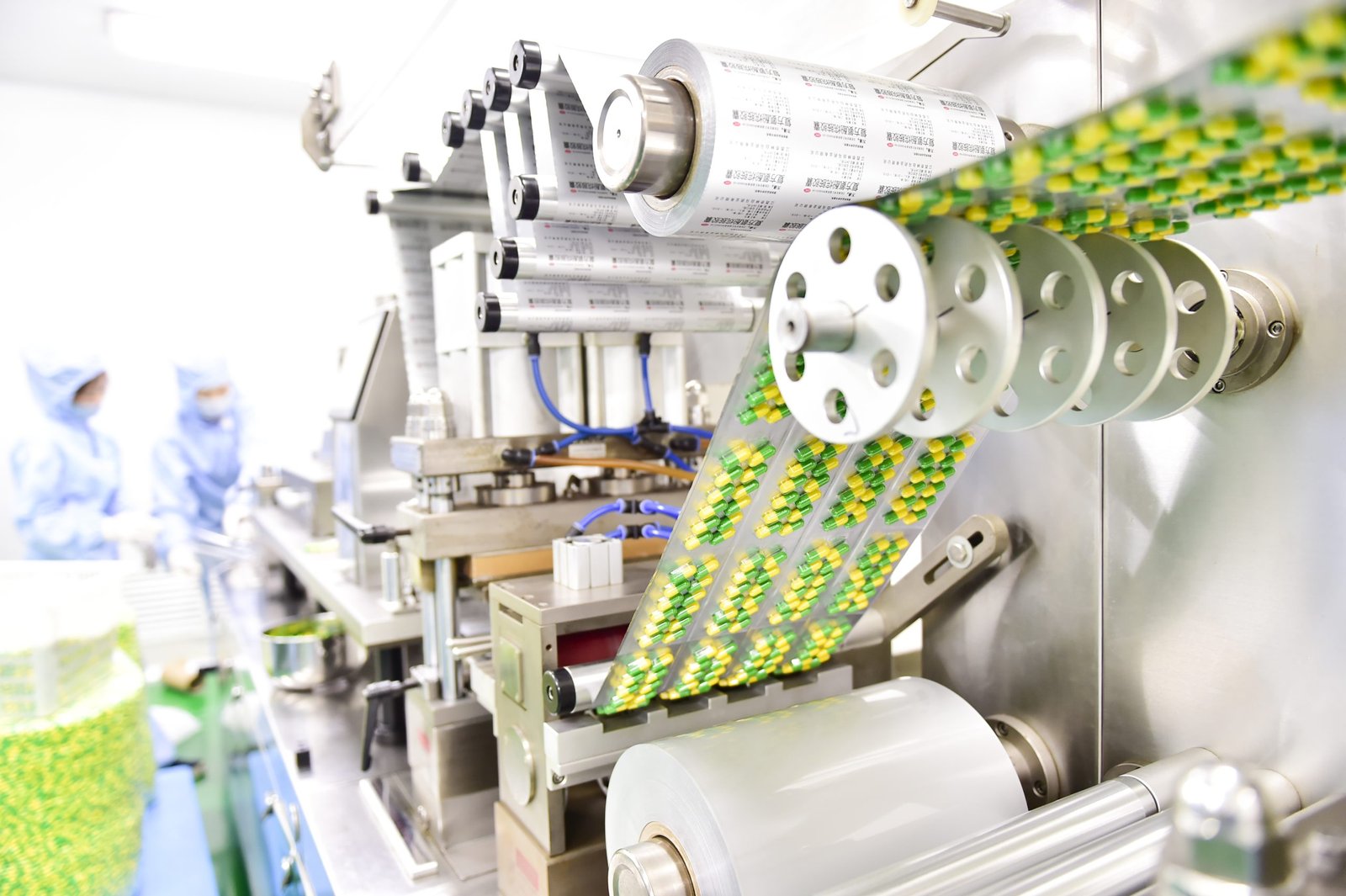
This little incident made me curious. Behind those seemingly simple pills, how much technical complexity is hidden? Especially the Tablet Press Turret, this crucial component. Its story is way more fascinating than we imagine.
The Subtle Divide Between Theorists and Practitioners
Driven by curiosity, I started “excavating” various forums. Quora discussions were indeed more technical. But I noticed something interesting—many theoretical answers were clearly copied from textbooks. They lacked practical operation experience.
The truly valuable discussions came from frontline engineers. Someone mentioned “dwell time” is especially critical on rotary tablet presses. It directly affects air evacuation. Another person detailed the importance of pre-compression—it removes 90% of air from granules. This greatly improves tablet plasticity.
But Quora has an obvious “idealistic” tendency. Everyone discusses optimal parameters and perfect processes. Few mention those headache-inducing real-world problems.
This reminded me of a chemistry student on Reddit seeking help. Preparing for a pharma company internship interview. The replies unexpectedly revealed the industry’s real situation. An engineer at a large pharma company admitted: oral solid dosage manufacturing involves multiple steps. Blending lubrication, granulation, compression, coating. “Common quality issues include environmental deviations, not following batch records, mid-production equipment failures, analytical testing problems.”
See, textbooks tell you standard granulation processes. But they won’t tell you what to do when humidity control fails. They won’t tell you how to salvage an entire batch when equipment stops at midnight.
Turret Cleaning: An Engineer’s “Nightmare”
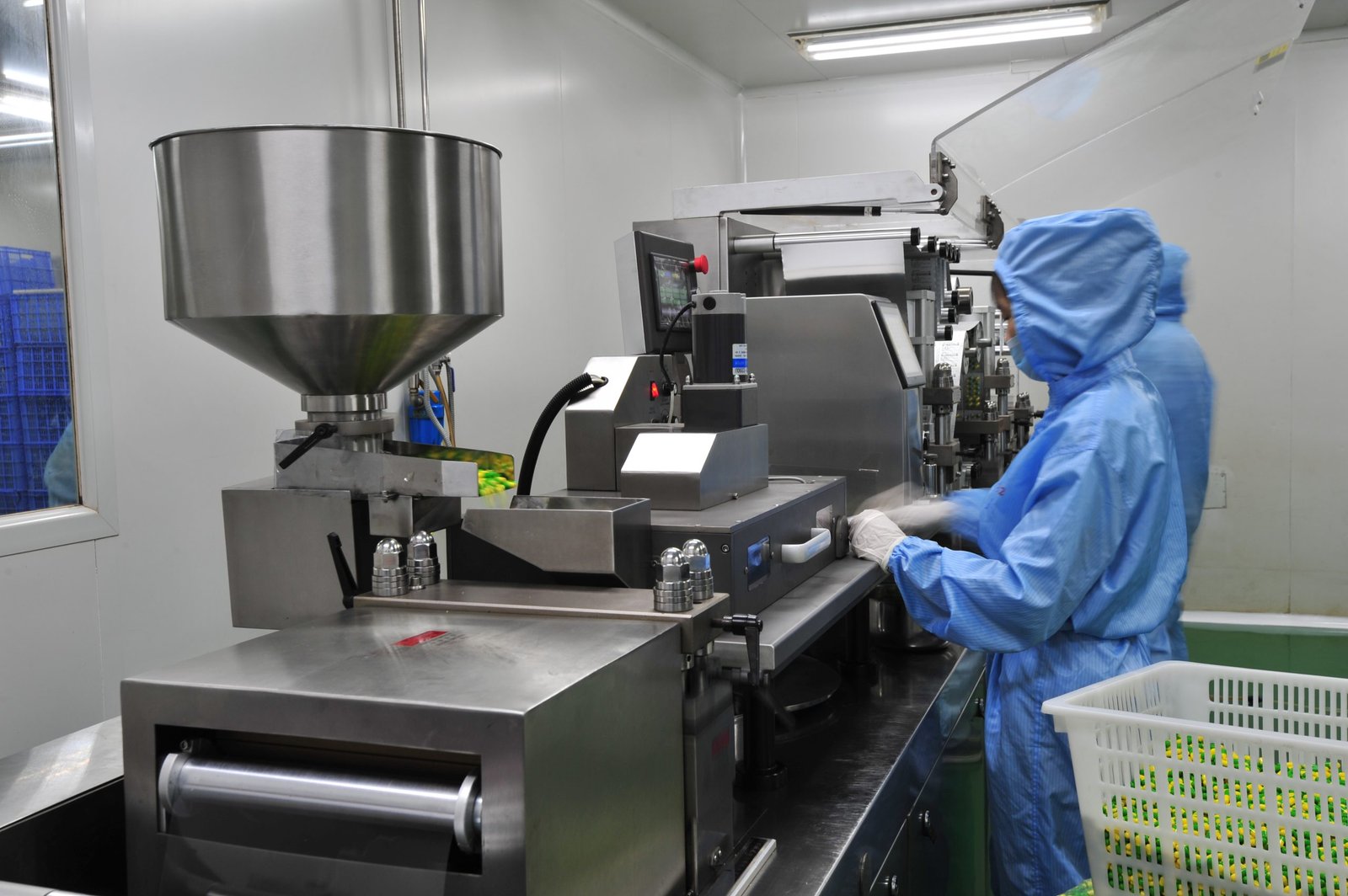
On Reddit, one particularly real help post impressed me deeply. A process manager at a pharma company posted seeking turret cleaning solutions. Their rotary tablet press has dozens of die cavities. Traditional cleaning method is “one person with a brush and alcohol bottle, scrubbing hole by hole.” The time consumption was desperately long.
The discussion under that post was quite interesting. Some suggested dry ice blasting. Others recommended vibrating cleaners. An experienced engineer shared their homemade U-shaped cleaning device. Using replaceable non-woven fabric heads. Combined with manual pressure canisters. He said this solution didn’t completely solve the problem. But it cut cleaning time by three-quarters.
This reminded me of that saying: laymen watch the excitement, experts see the doorway. Regular people see magical pharmaceutical technology. Insiders see countless engineering problems needing solutions.
Due to complex product portfolios, they had to clean the turret every two days. Because each setup required turret cleaning. So any improvement in setup time was huge for them.
Overlooked Human-Centered Design
A particularly interesting finding was this. Many equipment manufacturers over-pursue technical specs when designing. But they ignore operators’ feelings.
Pharma engineers complained that changing dies requires hammer tapping. It takes over 2 hours. It also damages precision dies. Advanced equipment has achieved “tool-free die change.” Can be completed in 30 minutes. Saves hundreds of hours of downtime annually.
There’s also the example of intelligent lubrication systems. Traditional manual lubrication struggles with precise quantity control. Slight deviations create black spots on tablets. Intelligent systems adjust in real-time based on press speed. Micro-liter level precision control not only avoids defects. It also reduces lubricant consumption by 30%.
These improvements seem insignificant. But for frontline operators, it’s night and day different.
Modern Pharmaceutical Equipment Manufacturers face more complex challenges than outsiders imagine. They need to balance high output and quality assurance. Must be simple to operate yet meet strict GMP requirements. A high-end tablet press machine might have dozens of monitoring points. Any parameter deviation could scrap an entire batch.
Quality Control’s “Impossible Triangle”
From collected discussions, I can see this. The pharma industry faces an “impossible triangle”: high quality, high efficiency, low cost. Achieving all three optimally is very difficult.
That cracked pill case on Reddit is a typical example. To control costs, manufacturers might compromise on formulation optimization. Or environmental control or quality inspection. The result? Consumers became “quality inspectors.”
On Quora and professional forums, people often discuss process parameters under “ideal conditions.” But reality always has budget constraints. Time pressures. Personnel skill limitations. Various restrictions.
One pharma engineer’s words were very apt: “Our job is finding the best balance point under various constraints. This requires extensive practical operation experience. Not something you can solve just by memorizing books.”
Another detail was particularly real. That engineer mentioned “strain rate sensitivity of powder properties.” Simply put, some formulations are fine at slow pressing. But problems appear once turret speed increases. These formulations are called “strain rate sensitive.” Though they can produce qualified tablets, production capacity is limited.
Isn’t this the pharmaceutical version of “ideals are full, reality is skinny”?
Thoughts Beyond Technology
Organizing these discussions made me ponder a question. When we talk about technological progress, are we over-focusing on technology itself? Are we ignoring the people behind the technology?
Whether it’s regular Reddit users encountering problem pills. Or engineers with equipment cleaning headaches. Or manufacturers struggling to balance quality and cost—everyone plays their role in this complex system.
Technology’s ultimate purpose shouldn’t just be solving technical problems. It should help every participant better complete their work. Provide end users with safer, more effective products.
I initially thought higher technical specs for pharma equipment were always better. But I later discovered this. Really good equipment isn’t just about impressive parameters. More importantly, operators find it easy to use. Maintenance personnel find it convenient to fix. Quality personnel feel confident inspecting it.
This reminded me of a small story. An engineer from an equipment manufacturer told me this. They spent two years optimizing a seemingly insignificant function: automatic turret drying after cleaning. Just this one improvement cut pharma factory changeover time by 40 minutes.
“What’s 40 minutes?” you might think. But for 24-hour non-stop pharmaceutical production lines, 40 minutes means producing several thousand more tablets. Means patients getting life-saving medicine sooner.
Small Pills, Big World
Ultimately, those seemingly simple small pills carry everyone’s efforts throughout the entire industry chain. Next time you pick up a pill, maybe you can think about the story behind it—though most of the time, we all hope we never need to think about these things.
But at least now we know this. When pharma engineers get woken by production line alarm calls at 2 AM. When they stay up late for “insignificant” parameter adjustments. They’re not thinking about how cool the technology is. They’re thinking about how to let more people safely take these tiny pills.
That’s technology’s warmest side, isn’t it?