
From Finger Counting to Industrial Overdrive: How High-Speed Pill Counters Are Rewriting Pharma Rules in 2026
From “Counting Until Your Eyes Blur” to “Thousands in a Blink”
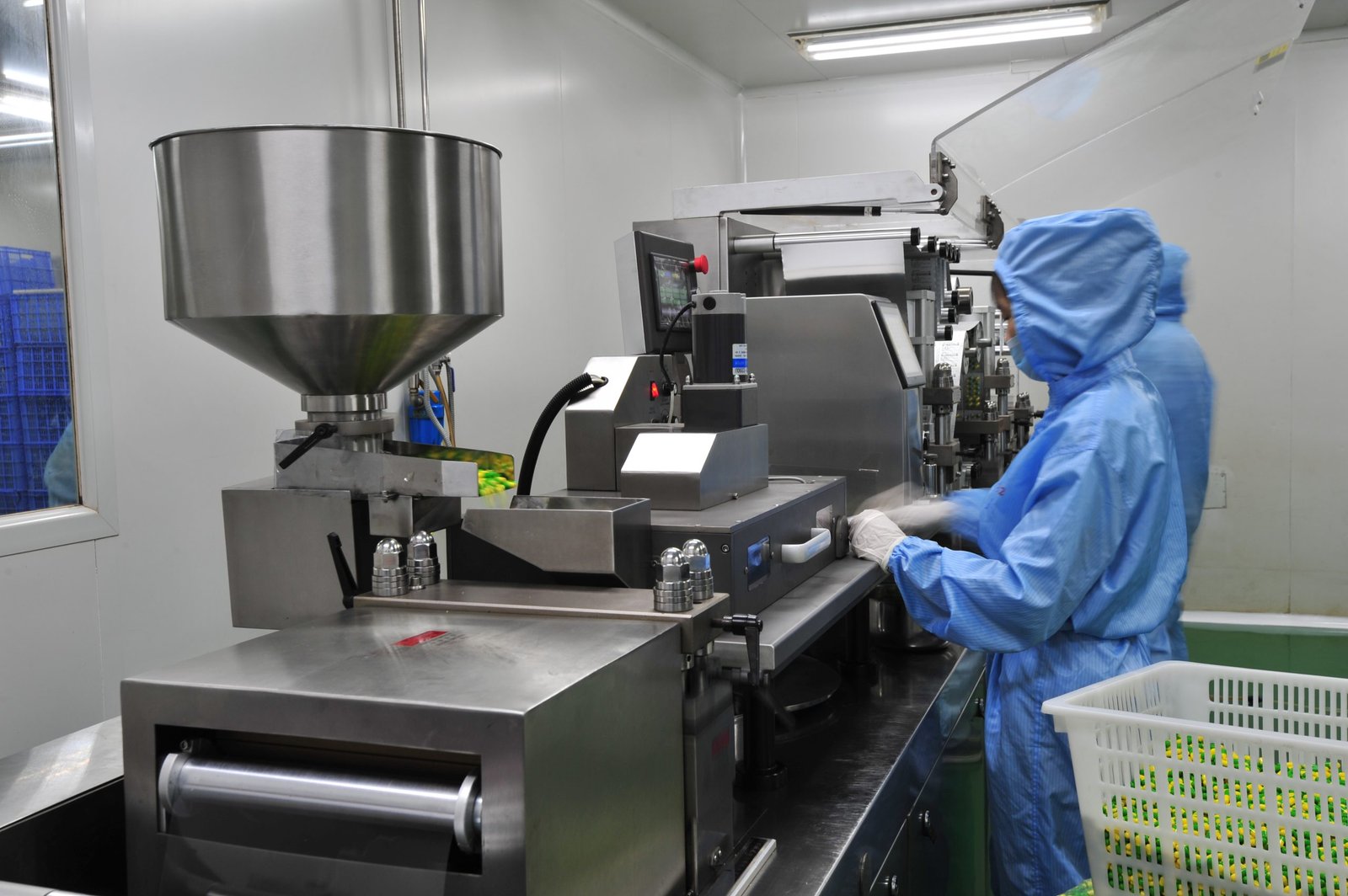
Picture old-school pharma factories. Workers sat in rows inside cleanrooms. Fingers flew across trays, mechanically sorting pills. Even the fastest veterans maxed out at a few thousand pills daily. Their eyes burned. Error rates haunted every batch.
Fast forward to 2026. High-Speed Pill Counters killed that primitive workflow. Sensors flash. Machines blast through tens of thousands of pills per minute. Accuracy hits 99.99%. This isn’t sci-fi. It’s modern pharma’s backbone.
But here’s the contradiction. Big factories throw money at upgrades. Small pharmacies hesitate on the sidelines. Why?
On the surface, it’s an efficiency revolution. Underneath, it’s a tug-of-war between operational costs and compliance risks. Manual counting is slow. Errors spark medical disputes. Automation is fast but intimidating. Is the equipment too expensive? Too complex to maintain? Will odd-shaped pills jam the machine? These pain points unlock the industry’s transformation.
Deep Dive: Tech Secrets Revealed and 2028 Market Predictions
1. Core Tech: Vibration, Vision, and Smart Algorithms
The magic formula? Vibration + sensors.
- Feeding System: Pills dump from large hoppers. Electromagnetic gates control flow precisely. Multi-stage vibration plates spread pills evenly. They line up single-file like soldiers on parade.
- Detection System: Premium machines ditch basic infrared sensors. They use AI visual recognition instead. Cameras capture pills from every angle. Dust compensation keeps records accurate even in messy environments.
- Protection Mechanism: “No bottle, no count” detection kicks in automatically. Pneumatic pushers eject defective bottles instantly. Broken pills, overlaps, foreign objects—gone.
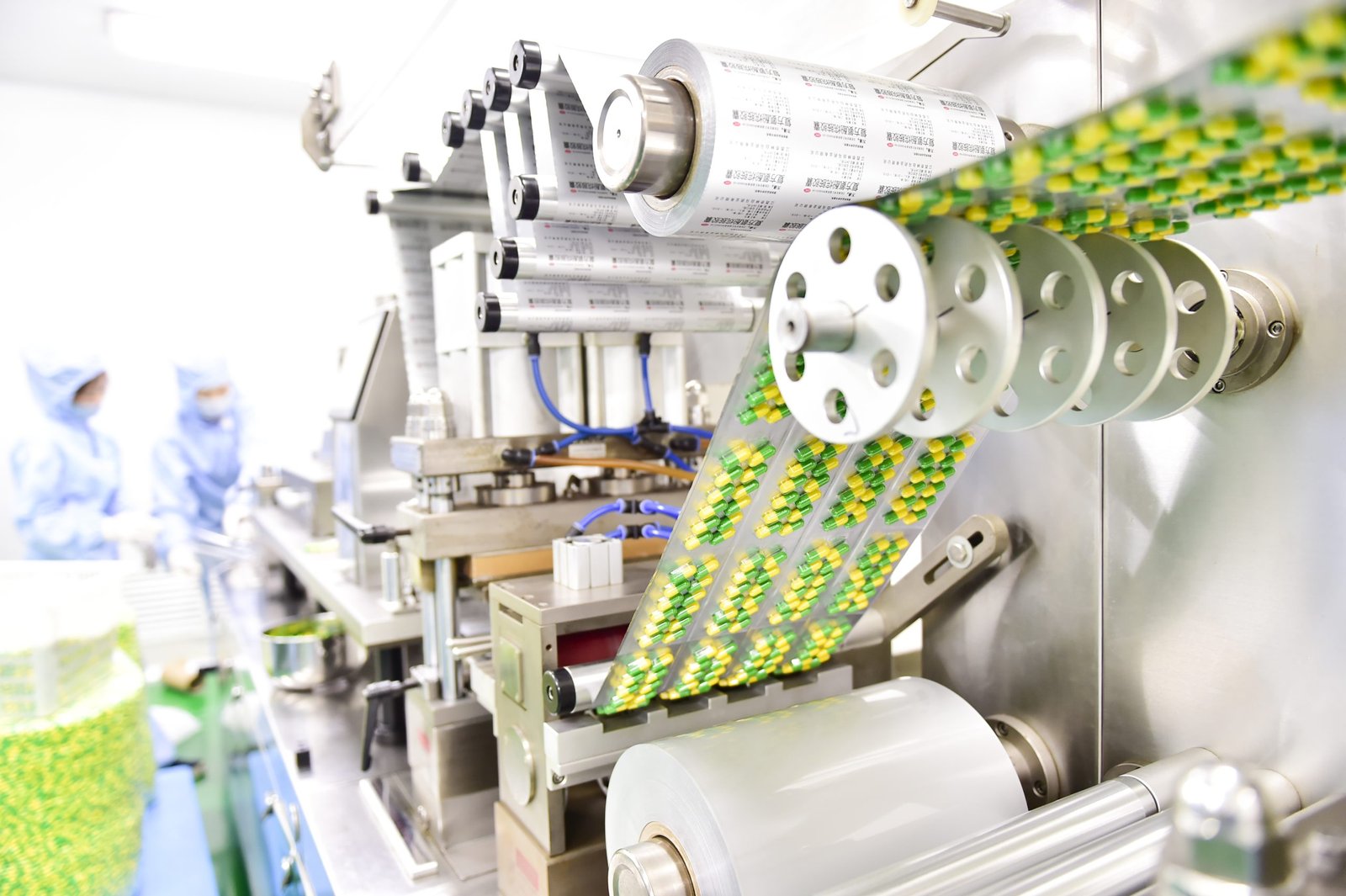
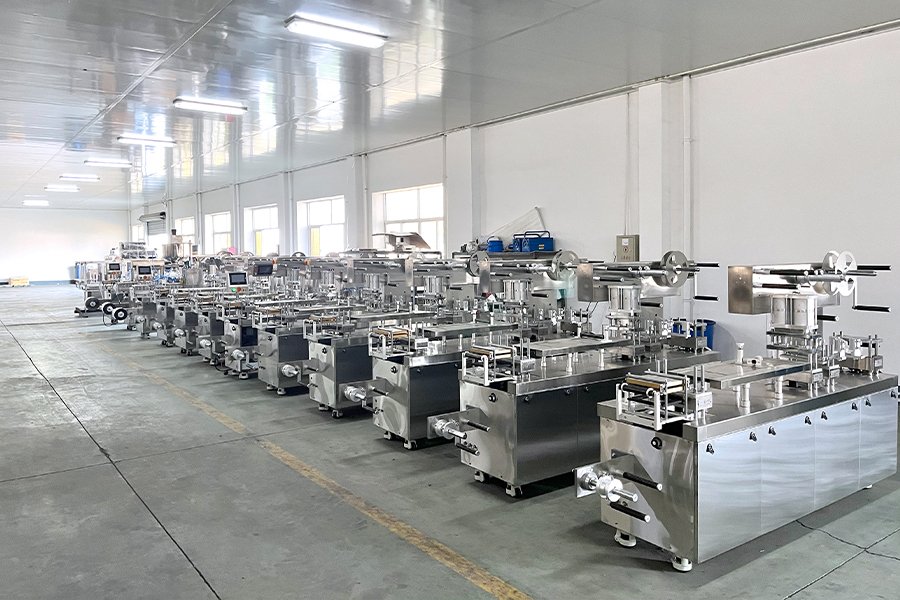
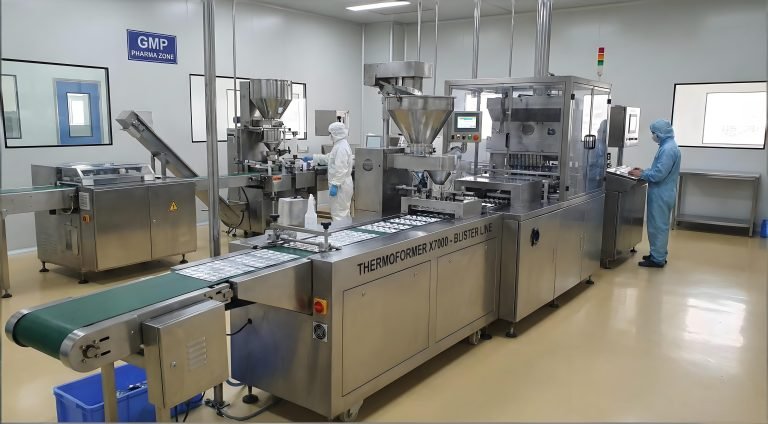
Take the GDS-8 multi-channel model. Eight independent tracks run parallel. It crushes 1,000 pills per minute at the filling endpoint. Industrial beasts like the King Tablet Counter hit 20,000 pills per minute. They integrate seamlessly into fully automated packaging lines.
2. Performance Showdown: Speed and Precision Dominate
- Speed: Manual counting takes 3-5 minutes per 90-pill bottle. Interruptions happen constantly. Machines finish in 15-45 seconds. Advanced “pre-count” features prep the next batch while the current bottle fills.
- Compatibility: Tiny tablets. Clear capsules. Coated pills with weird shapes. Semi-transparent softgels. Modern counters handle them all. Just adjust the sensitivity.
- Compliance: Desktop units like VIVID pack barcode scanners and 10-inch touchscreens. Every action gets photographed and logged. Audit trails become your legal shield against disputes.
3. Market Forecast: The 2028 Landscape
By 2028, the high-speed pill counter market will triple. Two forces drive this surge.
First, labor costs keep climbing. Pharmacist wages in the US and Europe exceed $60 per hour. Second, regulations tighten relentlessly. FDA fines for counting errors reach millions.
Future machines will evolve from simple counters into quality inspection terminals. Chinese suppliers like Jinlu are capturing budget markets with killer value. Western giants build moats through modular designs and cloud-based remote maintenance.
Miss this automation wave? Amazon Pharmacy and other e-commerce giants will crush you.
The Ripple Effect: Bosses Celebrate, Pharmacists Pivot
For pharma factories, productivity explodes. Counting used to bottleneck entire packaging lines. That bottleneck is gone. Single-line capacity jumps 100%+. Workers escape mind-numbing counting. They shift to higher-value QC or R&D roles. Labor costs drop 30%-50%. ERP integration shrinks delivery cycles. Under inflation pressure, that translates directly to fatter margins.
For retail pharmacies, it’s a double-edged sword. The upside is obvious. Customer wait times shrink from 10 minutes to 2. Satisfaction soars. Daily prescription volume grows 20%. But challenges loom large. Budget pharmacies clinging to manual counting will bleed customers to digital chains. Pharmacists must transform from “pill counters” to “health consultants.” Otherwise, unemployment knocks.
Action Plan: How Should You Decide?
Factory Owners: Prioritize System Integration. Reject Isolated Equipment.
Producing over 100,000 pills daily? Go straight for multi-channel industrial machines. Demand HMI touchscreens and standard data ports. Scrutinize vibration system patents to prevent jams. Target ROI within 12 months.
Pharmacy Owners: Start with Desktop Units. Lock in Barcode + Audit Features.
Processing 50+ prescriptions daily? A VIVID or Outcomes Pill desktop machine pays off fast. Use photo archiving to build digital prescription files. Year-end audits and compliance checks become painless.
Buyers: Dodge These Three Traps
- Real-World Speed Tests: Ignore spec sheets. Bring your trickiest pills to the demo. Run them live.
- Service Radius: Choose brands with local spare parts. One day of downtime costs more than six months of wages.
- AI Expandability: Pick machines with upgradeable software. Leave room for future visual AI modules.
Conclusion
High-speed pill counters aren’t just cold machines. They’re the “nuclear button” of pharma ecosystems. They’re crushing the inefficient manual era. Every industry player must pick a side. Embrace innovation and win. Cling to old ways and vanish.
In this efficiency-obsessed business jungle, your counting speed increasingly determines your survival span.