
From Syntegon to Canaan: How Pharma Bosses Pick the Right Capsule Filler and Double Their ROI
The Hidden Battlefield Behind Surface Prosperity
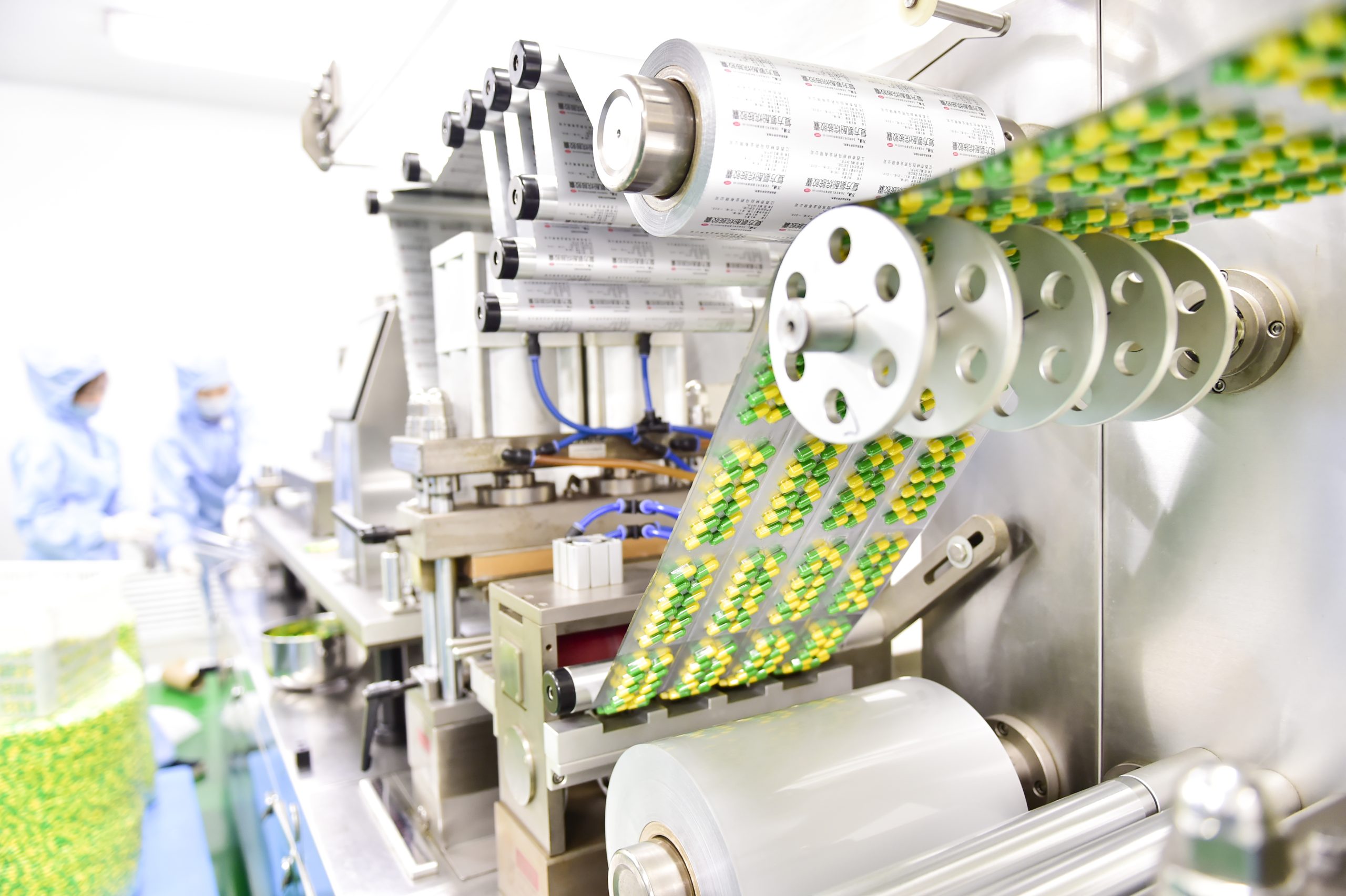
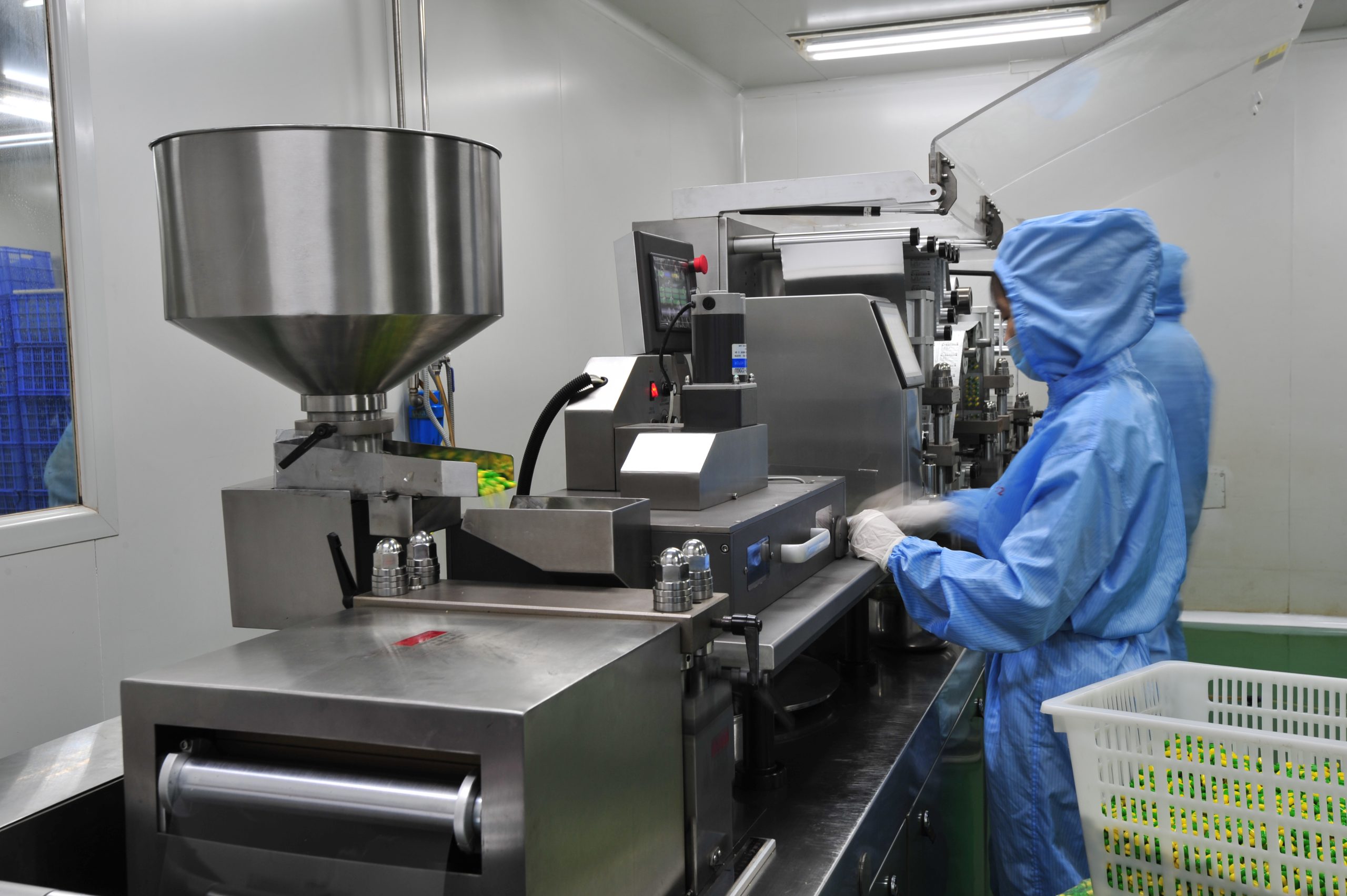
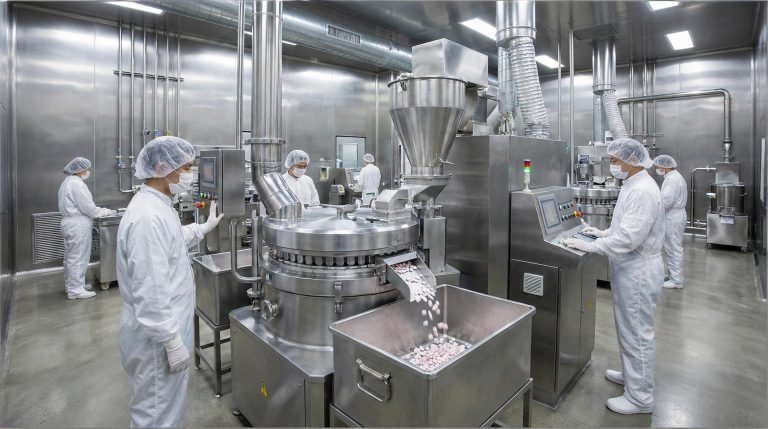
Capsule filling machines sound futuristic. But they’re really just the “assembly line heart” of pharma and supplement industries. They stuff powder, granules, or liquids into capsule shells with precision.
The global market just crossed $10 billion. Annual growth sits above 10%. Don’t let these shiny numbers fool you. Beneath the tech hype, a brutal war rages: China’s “low-cost army” vs. Europe-America’s “tech fortress”.
Consider this. Syntegon (formerly Bosch Packaging), a German giant with 160 years of history, flaunts NWDS sensors, PAT real-time monitoring, and OEB5-level containment protection. It looks like sci-fi. India’s ACG offers the SECUREFILL series, hitting 400,000 capsules per hour. It dominates high-risk dust environments.
Now look at China’s forces. Canaan Technology started in 2000. It’s the first A-share stock in this sector. After 20 years of R&D, it grabbed GMP/FDA dual certification. Price? Half of Western equivalents. SaintyCo and Senieer from Chongqing and Shanghai push “high efficiency + user-friendly interfaces” to the max.
Here’s the tension. European-American machines win on precision and customization. US brands like Index and LFA Machines nail local after-sales service. Schaefer even crossed into cannabis extraction. China competes through ruthless price wars and scale. Indian players like Adinath barely survive in the gaps. But by 2025, China’s manufacturing counterattack is locked and loaded.
Post-pandemic, global drugmakers crave supply chain stability. Whoever balances cost and reliability wins.
China Chases Precision, West Guards Service Moat, 2026 Is the Turning Point
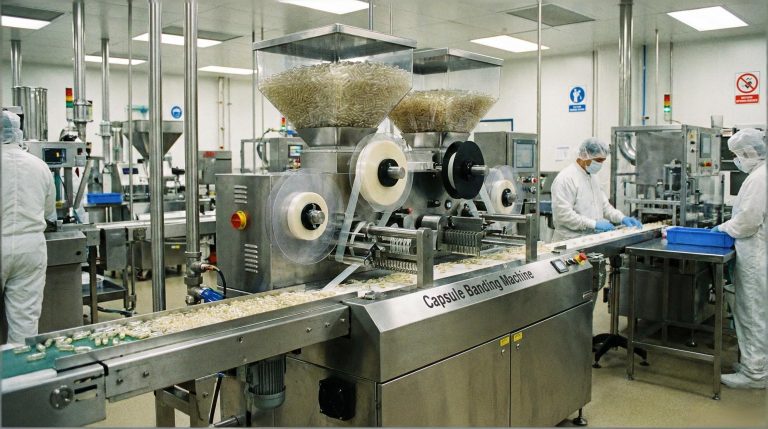
Strip away the surface. Capsule filling boils down to four steps: separation, filling, locking, polishing. The challenge? Precision control at extreme speeds. Plus adapting to gelatin, HPMC (plant cellulose), and Pullulan materials.
Western giants lean on legacy moats. Syntegon has 50 years in pharma. Its modular design covers lab R&D to industrial-scale production. Its IPC (in-line weighing) and tablet counting systems are built for multinationals. Italy’s IMA Group pursues artistic engineering. Japan’s Qualicap focuses on finesse and customization. US Index promises “global trust” with 24/7 local response. Indiana’s Schaefer factory even offers machine rebuilds and refurbished units. It nails cost savings and sustainability.
Chinese manufacturers iterate fast:
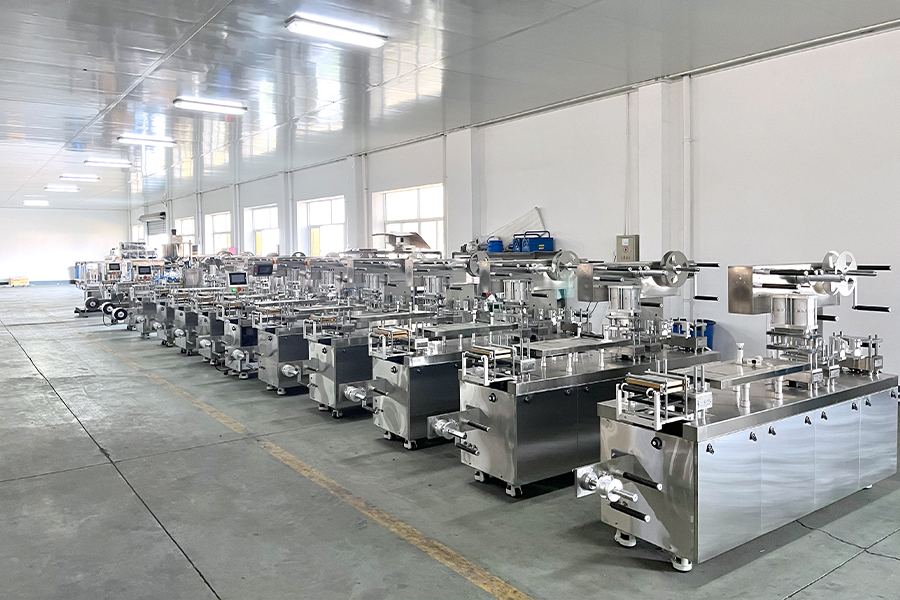
- Canaan’s Wenzhou base offers OSD (oral solid dosage) integrated solutions. Machines span lab to industrial grade. They handle powder, tablets, and liquids seamlessly.
- SaintyCo’s Ruian headquarters provides full cGMP validation services. It’s turnkey all the way.
- Senieer’s Chongqing base focuses on fully automated high-precision operations.
Data shows Chinese manufacturers own 60% of global output. But in the high-end market (300,000+ capsules/hour), the West still holds 70%.
Bold prediction: By 2026, Chinese precision will match the West. Global market share will surge from 45% to 65%.
Three reasons back this claim:
- R&D investment explosion: Canaan’s 20-year foundation and SaintyCo’s “empty capsule detection” push yield rates to 99.9%.
- Geopolitics and supply chain pressure: International friction inflates Western supply costs 30-50%. China’s direct supply to Southeast Asia and Latin America dominates.
- AI + IoT integration: Syntegon has PAT. Chinese makers catch up fast. Senieer’s UI now rivals LFA’s.
Short-term, Western brands hold North American premium territory through after-sales (Index training, Schaefer GMP consulting). Long-term, Chinese companies’ scale warfare will force mergers on small players like Adinath.
This echoes Japanese cameras overtaking German Leica last century. Start low-end, then leap technologically. The capsule machine industry follows the same script. Don’t dismiss the secondhand market. Wohl Associates and Surplus Solutions warehouses overflow with old Bosch and Macofar machines. Chinese manufacturers buy these to absorb core tech. The only risk? Chinese standards occasionally slip. Under FDA’s harsh audits, Western machines perform better. But the trend is set. “Cost killers” are redrawing the global pharma equipment map.
For supplement giants, switching to Chinese machines saves millions. But downtime worries remain. That’s the dilemma. Yet data proves: 2026 global capsule demand will double. Chinese machines cut delivery time in half. The pandemic proved “local supply” trumps everything.
Your Business Stands at the Cliff Edge
For pharma factory owners and supplement ODM manufacturers, this isn’t just about switching machines. It’s a supply chain earthquake.
- Cost accounting: A high-end Syntegon starts at $2 million. A comparable Canaan model? Just $800,000, installation included. Western annual maintenance costs 5x more. Savings cover two senior engineers.
- Market opportunity: Capsules are exploding. Especially in functional foods, cannabis CBD, and personalized medicine. Schaefer already diversified. ACG FLUIDOCAP hits 70,000 capsules/hour for liquid filling. These tech barriers are dropping. China’s SaintyCo bites hard. Translation? Western machines lock in Pfizer-level giants. Chinese machines liberate mid-small players. You shift from “contract maker” to “own-brand owner”.
- Procurement risk: Index’s local service is solid. But under geopolitical supply disruption, Canaan’s Shanghai factory responds to Southeast Asia in 24 hours. Chinese machines hit ROI in 18 months. Western ones need 24+ months.
The bad news: The market is chaotic. Secondhand platforms like Surplus sell cheap machines with hidden defects. Wrong machine choice means downtime that kills big orders. Industry shakeout is imminent. Players relying on low-end Western secondhand machines will get eliminated. Chinese low-end assemblers without tech reserves can’t compete with listed companies like Canaan.
What Should You Do?
Don’t just watch. For small-to-mid pharma/supplement manufacturers, here are five actionable tips:
- Tiered procurement, hybrid config: Invest in Syntegon or ACG for core high-growth product lines (ensures precision and stability). Choose Canaan or SaintyCo for auxiliary lines. Save 50% of budget.
- Lock service contracts, dodge “quality traps”: When buying Chinese machines, demand “GMP validation + local engineer on-site for 3 months“. Don’t trust “lifetime free”. Calculate annual cost: Chinese machines run $0.50/thousand capsules. Western ones need $2.
- Embrace quality secondhand and refurbished: Wohl Associates’ old Bosch machines at 90% condition cost 30% of new price. When testing emerging industries like cannabis, refurbished machines protect cash flow.
- Digital upgrade, introduce AI predictive maintenance: For any machine origin, install PAT-like sensors. Chinese makers now offer ready modules. Cut downtime 70%. Boost yield to 99.5%.
- Localize supply chain layout: Don’t bet everything on mainland China. 2026 tariff walls may rise. Route through Adinath in India. Or partner with SaintyCo to build pilot lines in Southeast Asia. Stay ahead.
Conclusion
In the capsule filling machine war, China evolves from follower to frontrunner. Western brands guard their moat. But they can’t stop the cost globalization wave. Will your company keep paying premium for “brand peace of mind”? Or smartly switch tracks and grab market share?
The answer lives in your next purchase order.