
High-Speed Tablet Press: The “Pitfalls” Technical Manuals Won’t Tell You
Introduction: A Machine’s “Little Temper”
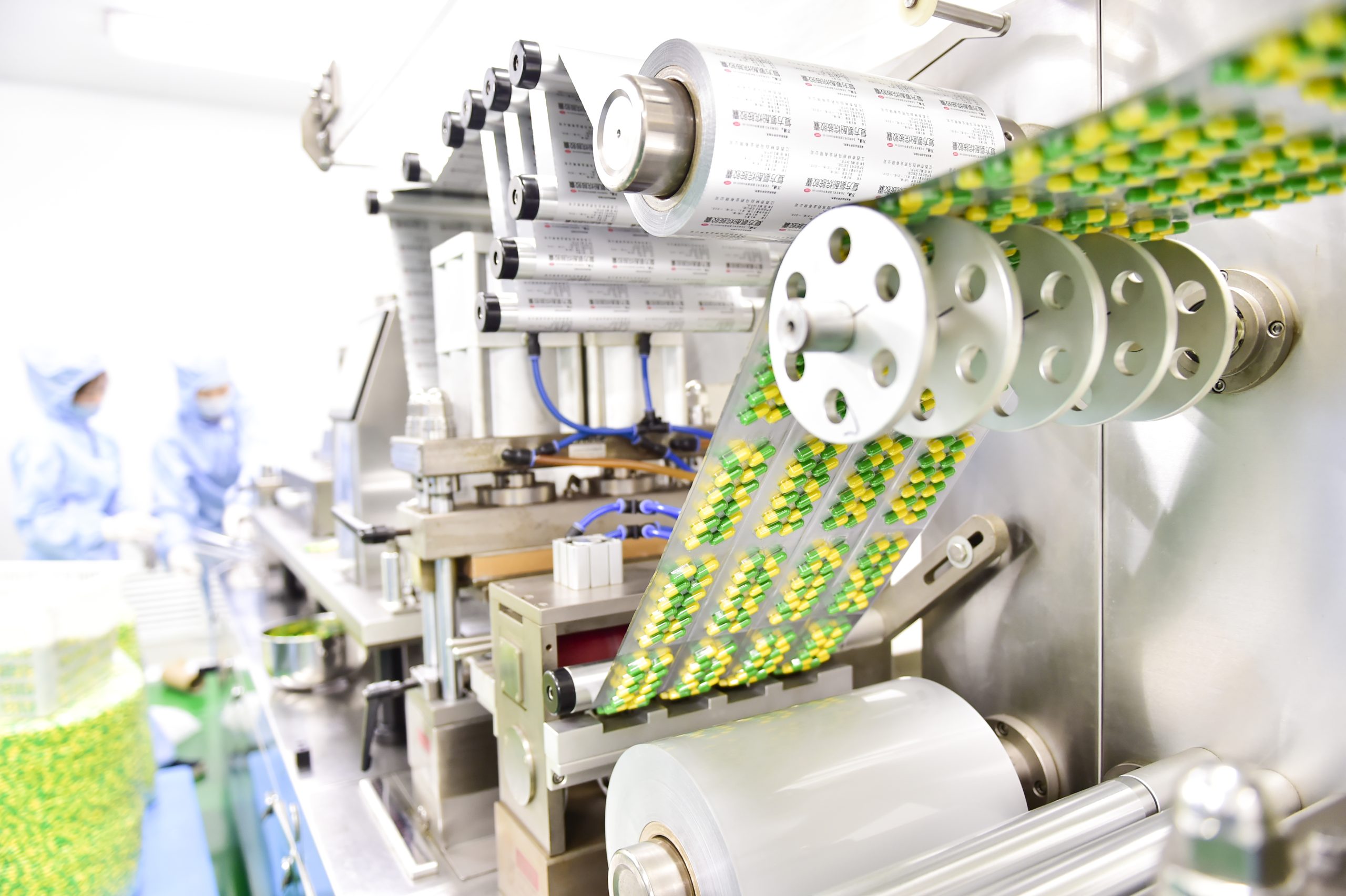
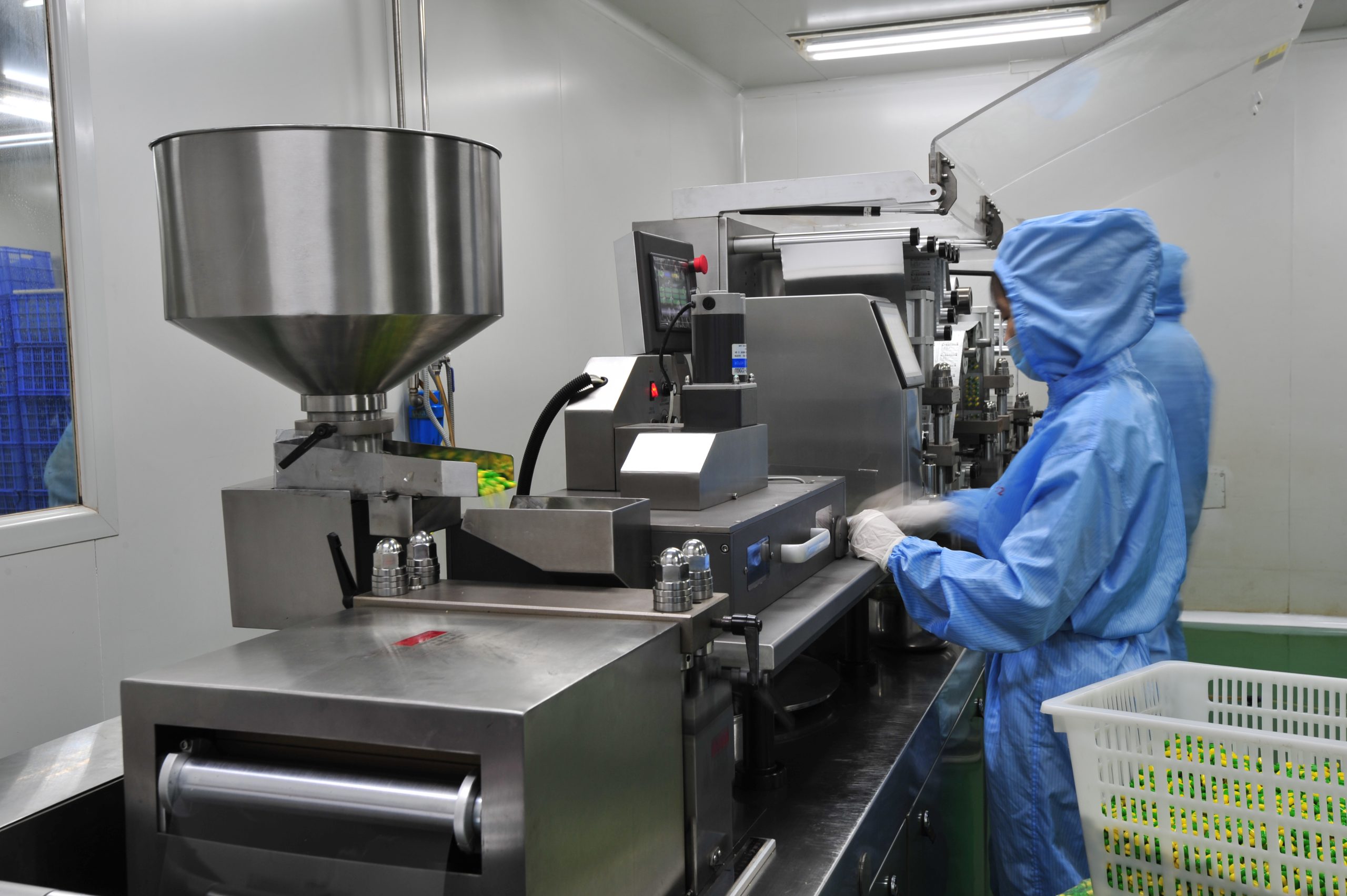
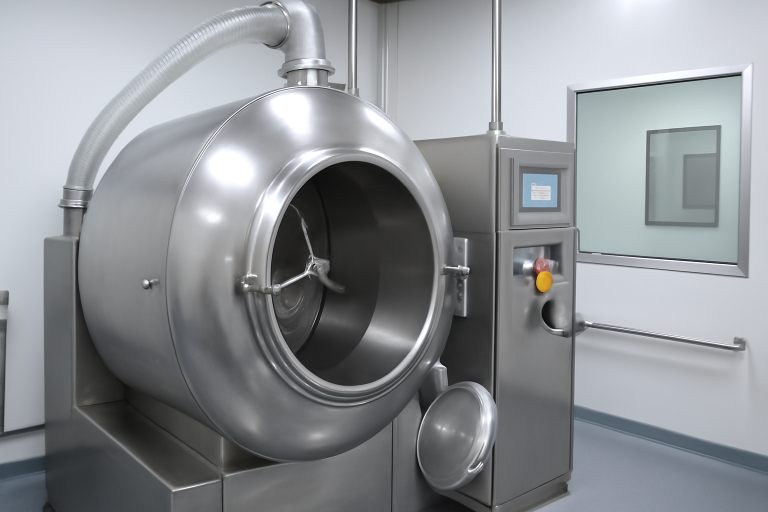
3 AM. The pharmaceutical factory workshop is brightly lit. Production Manager Zhang stares at the multi-million dollar high-speed tablet press. His feelings are mixed. This “steel beast” that produces 260,000 tablets per hour has been shut down for 4 hours due to cleaning issues.
“Cleaning again!” Zhang can’t help complaining. This is the third production halt this month from inadequate turret cleaning.
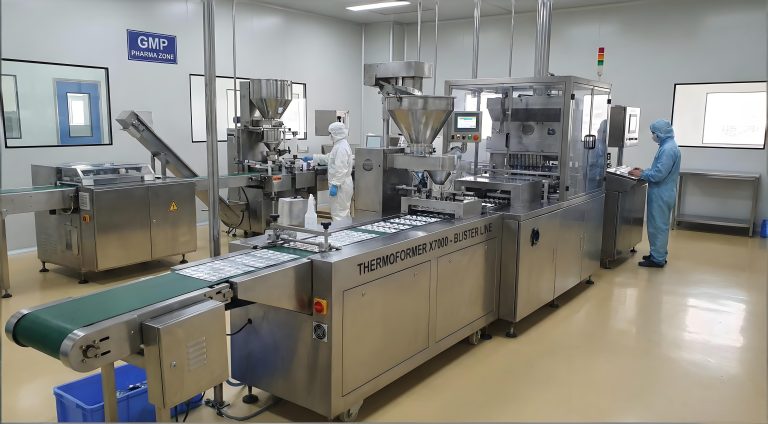
Such scenes play out daily in pharmaceutical factories worldwide. The high-speed tablet press, as core equipment in modern pharmaceutical manufacturing, guarantees production efficiency. But it’s also a love-hate “technical job.”
Real Community Voices: Those “Overlooked” Pain Points
Reddit Engineer’s Midnight Venting
On Reddit’s r/engineering board, a pharmaceutical process manager named Barbiroto123 posted. The title was direct. “Help with turret tablet press cleaning problems.” His frustration was real.
“Our current cleaning method is too primitive. One person with a brush and alcohol bottle. Brushing hole by hole. Too time-consuming.”
Replies under this post were interesting. Some suggested dry ice blasting systems. Some recommended vibrating cleaners. An engineer called Mechatronicsish shared their homemade solution. A U-shaped device with custom nozzles and replaceable non-woven heads.
Honestly, I was shocked seeing these discussions. Behind those polished pharmaceutical ads, engineers still rack their brains over these seemingly “small” issues.
Quora Technical Analyst Perspective
In contrast, Quora discussions lean more technical depth. A Fluidpack company expert detailed high-speed tablet press evolution history.
From single punch presses to double rotary high-speed presses. From manual operation to PLC control systems. These improvements address “increasingly strict cGMP standards” and “growing production demands.”
But one detail impressed me. Even the most advanced high-speed presses still require significant cleaning and maintenance time daily. Experts mentioned a high-end tablet press machine needs thorough cleaning every two days. Because of “diverse product varieties.”
The Forgotten “Human-Centered” Needs
Small Business’s Awkward Position
On Reddit’s r/foodscience board, a supplement manufacturer raised a very practical question. He wanted to produce sublingual tablets (better bioavailability). But he found tablet presses strictly regulated. “Very hard to buy.”
This reminded me of an interesting contrast. Large pharma companies worry about high-speed press cleaning efficiency. Small businesses struggle to obtain basic tablet pressing equipment. One user said helplessly, “Budget under $1000. Daily output 1000 tablets. But everything found is Chinese-made and needs DEA registration.”
There’s a point many overlook here. The balance between regulation and cost. High-speed presses aren’t just technical problems. They’re comprehensive challenges involving compliance, cost control and market access.
Maintenance Engineer’s “Invisible Pressure”
From collected information, Pharmaceutical Equipment Manufacturers designing often focus more on production efficiency. But “human-centered” considerations for daily maintenance seem insufficient.
Like the manual brushing problem that Reddit engineer mentioned. Thorough cleaning every two days means operators spend hours repeating the same actions. Not only inefficient but long-term harmful to worker health.
Interestingly, a user called H0SS_AGAINST mentioned, “Getting rotary presses isn’t that hard. Single punch presses are basically modified tools from Harbor Freight.” But he also pointed out this “simplified thinking” ignores pharmaceutical industry complexity.
Those “Imperfect” Solutions
Technology Progress vs Practical Application Gap
After all these discussions, I have a feeling. There’s always a “last mile” problem between technology progress and practical application.
For example, today’s high-speed presses achieve 260,000 tablets per hour output. Equipped with intelligent monitoring systems, automatic reject functions, even die pressure monitoring. But in actual use, the most frustrating issue is the most basic cleaning problem.
This reminds me what a friend once said. “Sometimes the highest-tech solutions lose to the most basic needs.”
The “Twisted” Logic of Cost and Efficiency
There’s also a contradictory phenomenon. To improve efficiency, pharma companies invest millions in high-speed equipment. But to reduce costs, they’re reluctant to spend on maintenance and training.
A Reddit user shared their factory finally chose outsourced maintenance services. “Cost is higher but professional personnel’s efficiency is really different.” This actually reflects a deeper problem. While pursuing automation, are we ignoring the “human” factor?
Some Future Thoughts
From “High-Speed” to “Smart”
The industry now talks about intelligent manufacturing. But I think true intelligence isn’t faster speed. It’s better “care for people.”
For example, can future high-speed presses consider cleaning convenience in design? Can AI predict maintenance needs through prediction rather than waiting for problems?
An engineer mentioned “preventive maintenance” in comments. I find this direction interesting. Rather than waiting for problems to “treat symptoms,” let machines learn “self-maintenance.”
Where’s the Opportunity for Small Businesses?
For small businesses with limited budgets, maybe the answer isn’t buying the most advanced equipment. It’s finding suitable cooperation models. Like equipment leasing, contract manufacturing, or modular solutions.
After all, not everyone needs 260,000 tablets per hour capacity. Sometimes “good enough” is more practical than “high-end.”
Some Immature Suggestions
Based on this “online research,” I have some immature ideas.
- Equipment manufacturers could consider “maintenance-friendly” designs. Not faster but easier to maintain.
- Industry training should be more practical. Not just teaching operation but daily maintenance tips.
- Regulators could consider differentiated policies for small businesses. Innovation often comes from small companies.
- Technical community value is underestimated. Reddit and Quora discussions are sometimes more useful than official manuals.
Final Words
The high-speed tablet press story is actually manufacturing industry’s microcosm. While pursuing efficiency and scale, we often overlook seemingly “unimportant” details. But these details determine whether technology truly lands and truly serves people.
Perhaps next time we swallow a small tablet, we can think about that machine roaring in the deep night. Think about those engineers working hard to keep it running. Technology’s warmth often hides in these unnoticed corners.