
How Can Single Punch Tablet Presses Help Startups Gain Outsized Impact in the Personalized Nutrition Market?
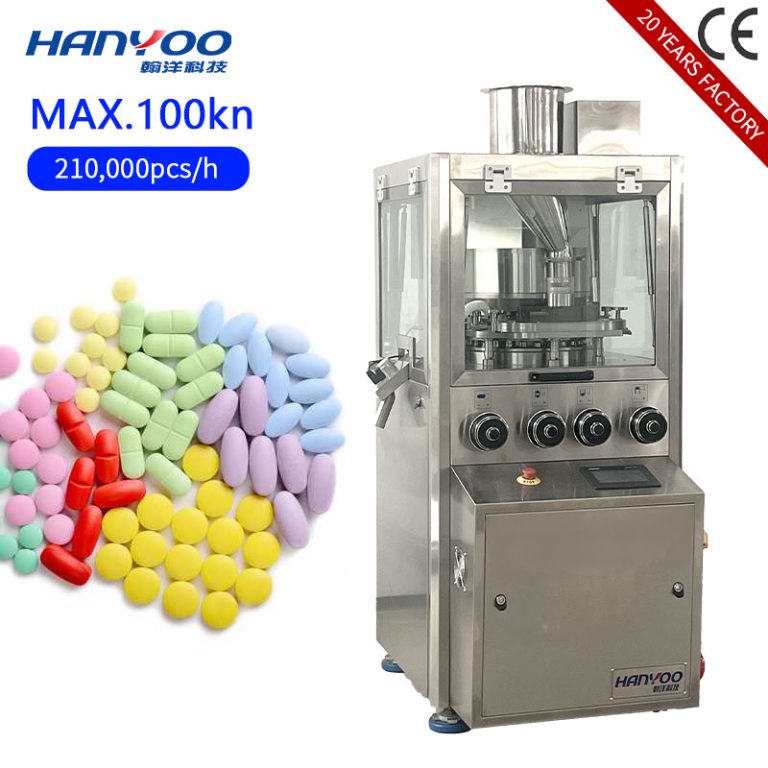
Single Punch Tablet Press sounds old-school, like a vintage sewing machine. But in pharma, nutraceuticals, and health supplements, it’s the unsung “Swiss Army knife.” One machine, one punch set hammering up and down, compresses powder into 25mm diameter, 8mm thick tablets, spitting out 5,000 pieces hourly. Labs use it, small-batch production relies on it, even teaching depends on it.
But here’s the problem: Why in 2026, with rotary tablet presses everywhere, high-speed automation flying around, hasn’t this thing cooled down? The contradiction lies here—big factories chase tonnage, but small factories and R&D teams are stuck on “expensive” and “complex.” One rotary press costs millions, occupies huge space, wastes tons of powder. Small teams can’t afford it or master it. Single punch? Size of a fridge (750x400x750mm), costs a fraction, can customize bizarre-shaped tablets. Industry data doesn’t lie: pharma R&D, nutritional supplements, small drug companies—80% start with it. This isn’t backwardness, it’s reality’s awkwardness—high speed doesn’t equal high efficiency. Small-batch production is most people’s pain point.
I also thought this thing was too primitive, like steam engine era. But later discovered it precisely hits current hot spots: explosive demand for personalized medicines and functional nutrition. Think about it—custom vitamin tablets, pet pills, even beauty capsules. Who’s willing to fire up rotary production lines for a few thousand pieces?
Analysis & Prediction: Evolution from “Hammer” to Smart Dark Horse
Don’t be fooled by “single punch”—this machine’s essence is precision engineering. Three core components: upper punch, lower punch, die cavity. Filling stage: lower punch descends creating cavity, powder pours in. Dosing stage: lower punch micro-rises, scrapes level, ensuring precise weight. Compression stage: dual punches squeeze, adjustable pressure makes tablets hard as rocks. Finally, ejection cam pushes, cycle repeats. Simple? Yes. But this simplicity hides mysteries—pressure regulator controls hardness, weight adjuster manages dosage, diameter from few millimeters to 20mm, freely adjustable. Can make shaped tablets—round, square, heart-shaped, anything.
Advantages are obvious: small footprint, foolproof operation, low powder consumption (friendly to expensive APIs), maintenance like wiping tables. Compared to rotary presses, it’s not picky about powders, doesn’t fear clogging, 5-year warranty isn’t bragging. LTPM China-type manufacturers support custom punches, durable for ten years.
But weaknesses are clear: low output—5,000 tablets/hour max, only for small batches. Rotary presses do tens of thousands/hour, high-end models have PLC auto-pressure adjustment, quality inspection. But wait, this weakness is changing. By 2026, single punch machines started getting smart—adding touchscreens, auto-feeding, real-time weight monitoring. Prediction: within 3 years, with 3D-printed punches and AI formulation optimization, single punch machines will upgrade from “lab toys” to “flexible production stations.” Why? Because pharma is shifting from “standardized bulk drugs” to “personalized small drugs.” Think post-mRNA vaccine custom therapies, or constitution-tailored nutrition tablets. Small batches, multiple varieties are king. Big factory R&D departments won’t throw millions on rotary presses for testing. Small startups can only afford this price point.
Bold claim: By 2028, single punch machine market share won’t drop—it’ll rise 20%. Reason? Supply chain localization. Chinese manufacturers like LI Machinery, SED Pharma already hold half global single punch exports, prices slashed. Rotary presses are fast but powder waste rates 10x higher—who can handle that in expensive API era? Post-pandemic, supply chain fractures made small-batch localization mandatory. Single punch machines are that “Swiss Army knife”—not flashy, but can do everything. Reminds me of early electric vehicles: Tesla was cool, but masses used BYD to get by.
Deeper logic: industry’s unsolved mystery is “flexibility vs. rigidity.” Rotary presses are rigid mass production kings, single punch is flexible small-batch king. But now, AI formulation software + single punch combos can simulate large production testing, costs down 90%. If prediction holds, by 2026, single punch machines will embed into “micro-factory” concepts: labs directly connect to e-commerce, one-click tablet production sells on Taobao. First movers eat meat.
So What? Small Teams’ Comeback, Big Factories’ Hidden Concerns
What does this mean for you, the reader? Start with small pharma companies, nutraceutical startups, lab directors: single punch machines aren’t equipment—they’re your moat. Stop envying big factory output. Your battlefield is niche markets—pet nutrition, beauty collagen, traditional Chinese medicine tablets. These fields have fragmented demand, even hit products start at tens of thousands of tablets. Single punch machines let you sample in a week, produce in a month, trial-and-error costs negligible. Check the numbers: one single punch machine, investment $7-15k, cost $0.001/tablet, resell as vitamin C tablets, monthly income easily exceeds thousands. Compared to manual pressing or outsourcing, precision up 30%, hygiene compliant.
But more brutal is impact on big factories. Big pharma R&D budgets are tight, single punch machines become “inside threats.” Surface-level rotary presses roar, but secretly labs depend entirely on single punch formulations. What does this mean? Supply chain descends, small factories use single punch to nibble low-end markets, big factories forced to cut costs. Think functional food craze: protein bars, immunity tablets favor customization. Your big production lines can’t turn quickly, single punch operators exploit gaps.
Industry logic is self-consistent: powder compression core is “uniform pressure + precise volume.” Single punch achieves this mechanically via cams, rotary relies on multi-station rotation, but failure rates 5x higher. By 2026 raw material price increases, API costs double, low-consumption single punch directly levels the playing field. Means your business shifts from “competing on output” to “competing on flexibility.” Ignore it, you’re out. Grab it, you coast in niche tracks. Absolutely true.
Also life-level implications: if you’re social media influencer or cross-border e-commerce seller, this machine is a goldmine. “DIY tablets” on Amazon are selling like crazy, Chinese manufacturers direct supply, 50% profit margins. Post-pandemic, home health consciousness exploded—who says single punch can’t enter household micro-factories?
Now What?
1. Choose Machine Without Stepping on Mines—Test with Lab-Grade First
Budget under $7k, pick LTPM or LI Machinery entry models: support 25mm large tablets, shaped customization. Focus on pressure adjustment (at least 5 tons) and precision (±2%). I suggest renting one first, press 1,000 tablets to test your powder formulation. Don’t be greedy—small size is king. Labs put on desks, home factories squeeze in corners.
2. Formula Optimization—Master Low-Consumption Black Tech
After purchase, first thing: learn dosing stage powder scraping technique. Lower punch rises 0.5mm, saves 20% powder. Use free software to simulate pressure curves, avoid tablet cracking. For nutritional products, add microcrystalline cellulose for binding, single punch-pressed tablets’ hardness rivals rotary output. Cost? Master in a week, saved API pays for second machine.
3. Small-Batch Monetization—Bind E-commerce Closed Loop
Press tablets, head straight to Taobao, Douyin shop, or Shopify. Start with “custom vitamin B complex,” MOQ 100 boxes. Pricing strategy: cost $0.01/tablet, sell for $0.15, monthly output 100k tablets pure profit $12k. Follow trends: winter push immunity tablets, summer beauty capsules. Cross-border? “Pill press kit” trending on eBay, single punch machine + powder sets, monthly sales over thousands.
4. Upgrade to Smart—Prevent Policy Chokehold
Don’t stop at mechanical—add $300 touchscreen module: real-time monitoring weight, hardness, tablet output rate 99.9%. Future layout AI: connect ChatGPT-style formulation assistant, input “weight loss tablet high fiber,” auto-adjusts parameters. Compliance barrier becomes competitive advantage.
5. Risk Hedging—Multi-Scenario Replication
Don’t let one machine sit idle: morning pharma, afternoon nutritional products, evening teaching rentals. Swap shaped punches around—heart-shaped pet calcium tablets for cuteness appeal, profit doubles. What if policy tightens? Pivot to industrial pellets or cosmetic pressed powders, same machine universal. Remember: single punch’s lifeline is flexibility—5 scenarios rotating, annual ROI exceeds 300%.
Summary
Single punch tablet press isn’t outdated cargo—it’s 2026’s strategic weapon. It punctures the “bigger is better” myth, tells us pharma’s core was never speed, but adaptation. Industry is changing, small-batch and personalization waves surge. If you’re still staring at rotary presses, you’ve lost at the starting line.
Think about those dark horses starting with single punch: climbing from labs to annual sales of millions in nutrition brands, all thanks to this “small hammer.” Now, your turn.
Act now, don’t let opportunities slip. The future belongs to the agile—one single punch press, leverage infinite possibilities.