
How Do Overseas Pharmacists and Engineers Rate Automated Blister Packaging Lines?
Intro: A “Waste” That Sparked Global Complaints
Saw a photo on Reddit the other day. Pretty interesting.
One blister pack. Seven pills. But the pack size looked like it could hold 14. Pills arranged like Tetris—3, 3, 1—with huge aluminum gaps between them. The poster captioned it: “This packaging drives me a bit crazy.”
The post exploded. Over 4,000 upvotes. More than 200 comments.
I initially thought it was just another “overpackaging” case. But the deeper I scrolled through comments, the more I realized it wasn’t that simple.
One: Why Do Blister Packs “Dominate” the Pharma Market?
Here’s a stat that might surprise you: The global blister packing machine market is projected to hit $3.2 billion by 2035. Annual growth rate around 2.8%. This seemingly traditional packaging format isn’t dying. It’s steadily growing.
Why?
A pharma industry veteran on Quora put it well: “Blister packaging isn’t about looking good. It’s about survival.”
Sounds dramatic. But think about it—it’s actually true. Blister packaging offers way more protection than just preventing drops:
- Moisture protection: Pills hate moisture, especially hygroscopic ingredients.
- Light protection: Many drugs degrade when exposed to light.
- Tamper-evidence: You know immediately if someone messed with it.
- Precise dosing: One cavity, one pill. Easy to see if you took it.
A Reddit pharmacist shared a real case: An elderly patient took 25 different drugs daily. If all were bottled, just weekly pill sorting would be a nightmare. But after switching to blister packs, “he just glances and knows if he finished today’s meds.”
This reminded me of my grandpa. He’s the type with a table full of pill bottles. Always asking me: “Did I take this one today?”
See, packaging isn’t just a technical issue.
Two: That “Space-Wasting” Design Actually Has Hidden Logic
Back to that photo’s question—why make the blister pack so big?
A Reddit user claiming to be a pharmacy tech explained. Mind-blowing:
“The human eye can instantly count about 5 objects max. So those 7 pills are split into three groups: 3+3+1. It’s not random. It helps you quickly verify the count.”
There are more practical reasons too. Someone who worked on production lines said: “Changing molds costs more time and money than you’d think. Using the same mold for 7-pill, 10-pill, 14-pill packs—you just adjust the program to seal certain cavities. New molds? At least several thousand dollars minimum.”
That’s the real logic behind automated blister packaging lines. Not that they don’t want to make it “just right.” The economics don’t add up.
And do you think those “empty spots” are actually wasted?
They actually help you avoid accidentally pressing adjacent pills. They distribute force more evenly during transport. A European pharmacist added that they’ve standardized blister packs in multiples of 7—one week per pack, four weeks per box. Seniors get it instantly.
Three: Why Do Americans Still Use Orange Bottles? A Cross-Border Debate
This topic sparked over 1,200 comments on Reddit’s r/NoStupidQuestions. Massive engagement.
Started with a German user’s soul-searching question: “Why do American pharmacists manually count pills one by one into bottles? In Germany we just grab pre-packaged blister boxes and leave.”
The answer… headache-inducing complex.
Some said it’s legacy issues—American pharmacies used to compound drugs themselves. Bottles became habit. Others said it’s regulatory—FDA has strict child-resistant packaging requirements. Blister packs once got recalled for “not being child-proof enough.”
But what struck me most was an American pharmacist’s complaint:
“In America, every CVS pharmacy is packed with prescriptions waiting for pickup. Dozens of shelves, floor to ceiling, all filled with orange bottles. Switch to blister boxes? Physically can’t fit them.”
In Europe? Pharmacies basically don’t “pre-fill and wait for you.” You show up. The pharmacist grabs a box from the shelf. Takes less than a minute.
This reminded me of something: Behind packaging formats, entire systems make choices.
But some Americans pushed back: “Your European blisters are convenient, but I need a 90-day supply. A 360-pill bottle saves way more space than a bunch of boxes.”
Fair point.
Four: When Robots Meet GMP—An Unfinished Revolution
Can’t talk about this without mentioning automation.
On Reddit’s r/biotech, someone asked a blunt question: “Will robots replace pharma operators within 5 years?”
Comments were nearly unanimous: No. At least not complete replacement.
An engineer who spent years installing automation equipment put it this way:
“You think connecting two tubes is simple for a robot? But can it tell if a silicone gasket is clean or dirty? If something’s misaligned can it self-adjust? If something goes wrong does it know how to react?”
More crucial is compliance.
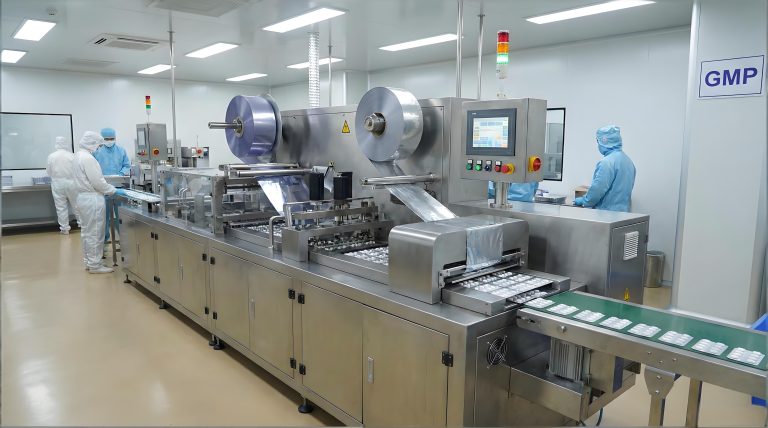
Pharma has something called GMP (Good Manufacturing Practice). Basically “every step must be traceable and verifiable.” One user said: “Validating a robot works properly in a GMP environment? That’s nightmare-level work. Documentation alone drives people insane.”
But automation is happening.
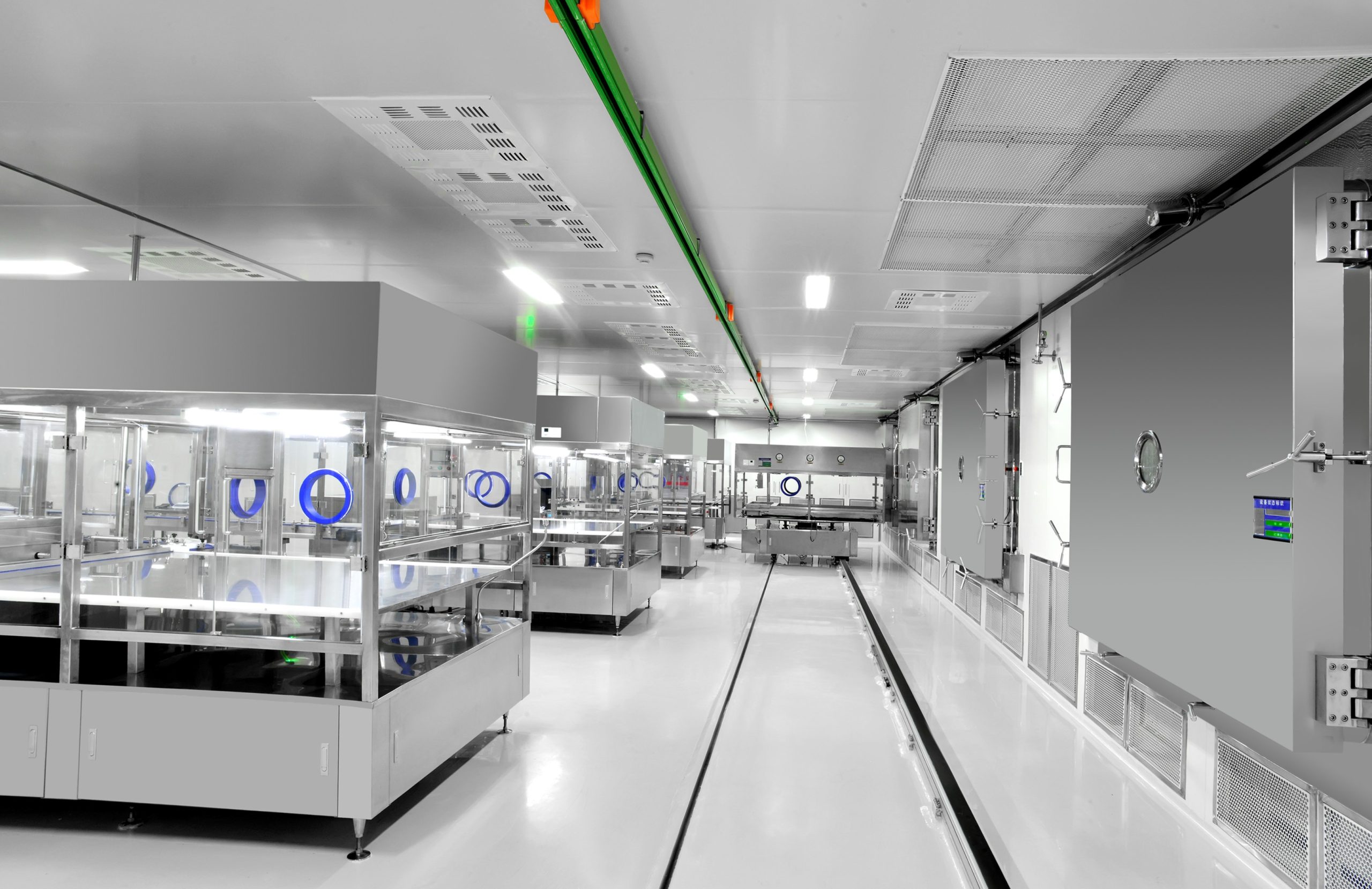
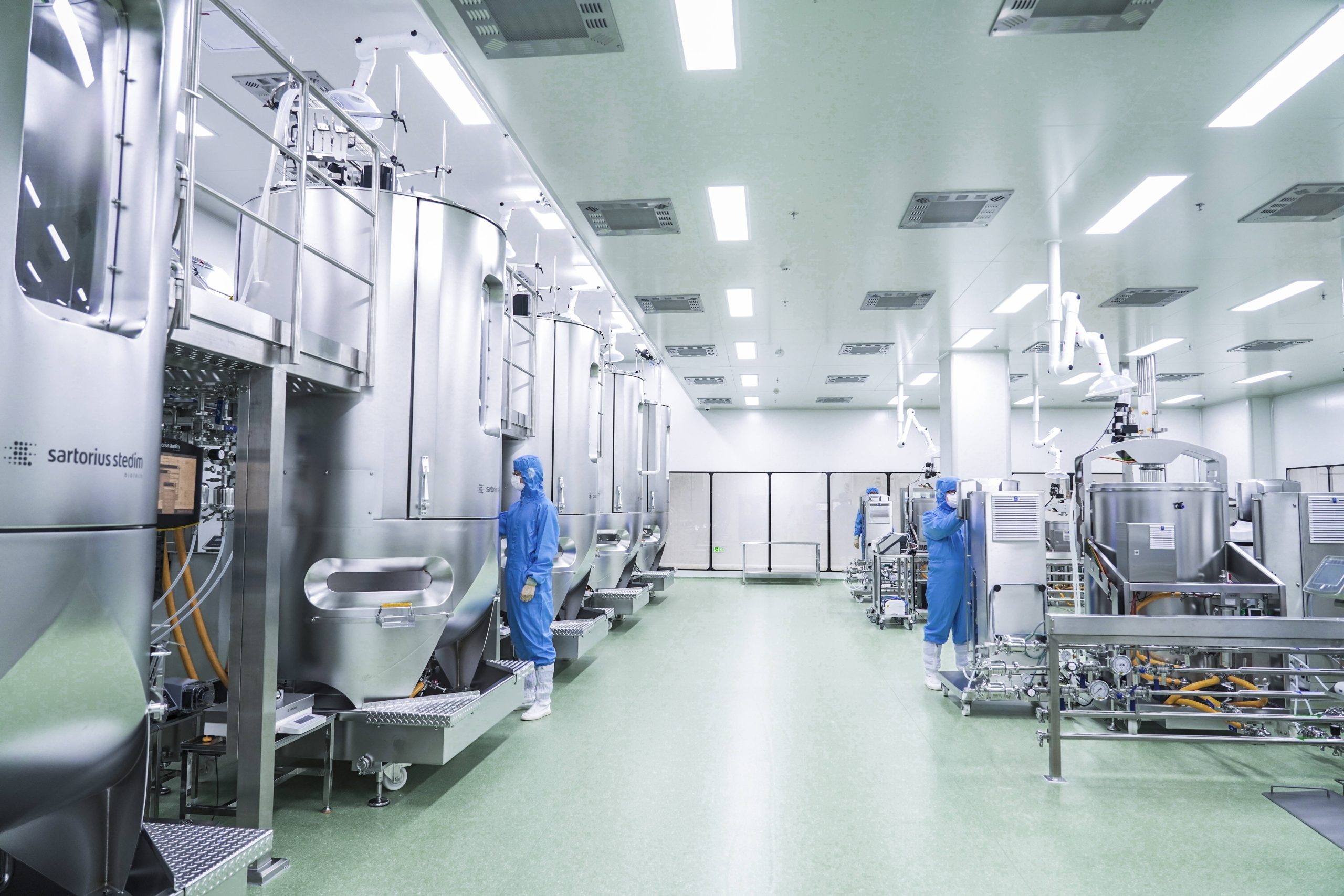
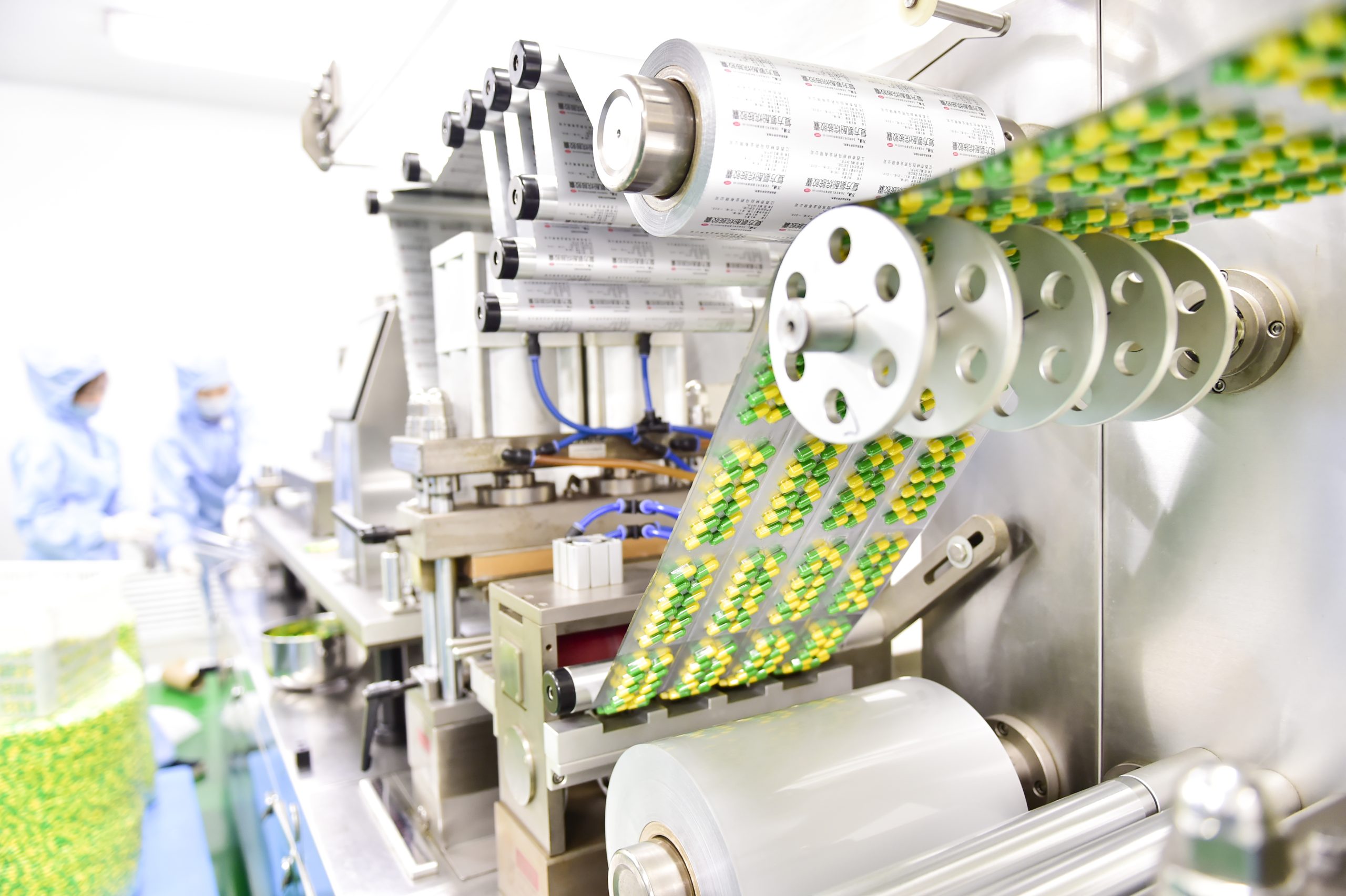
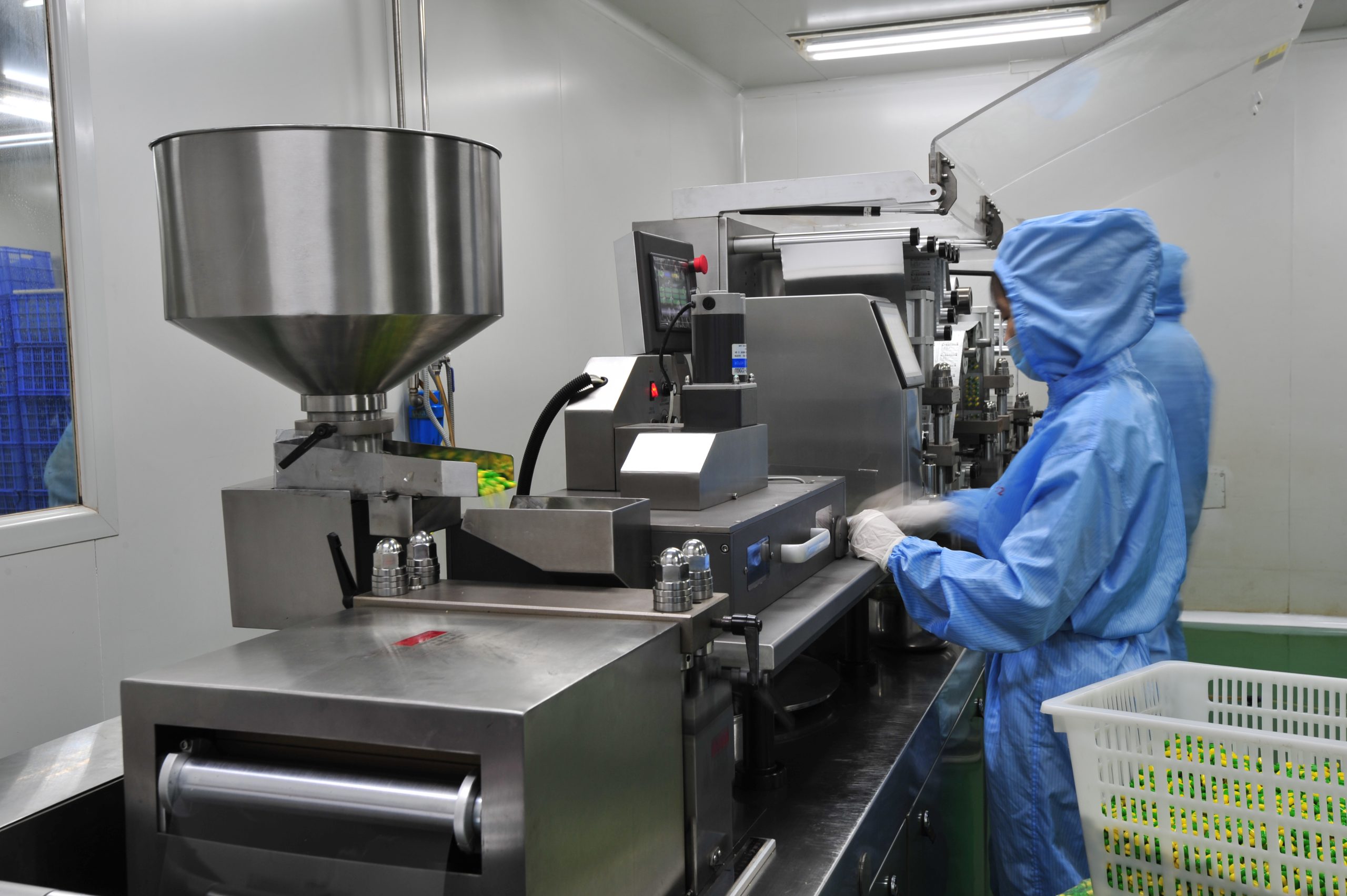
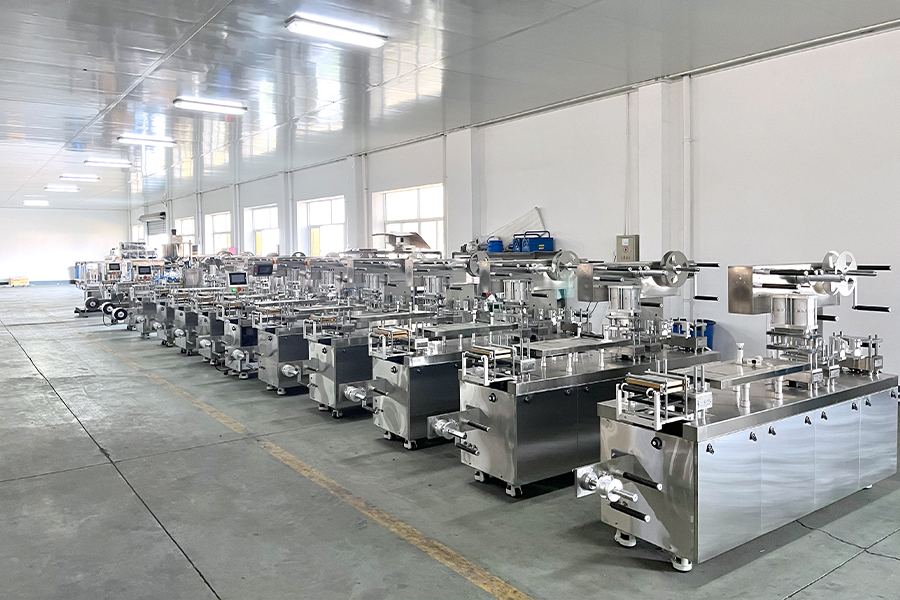
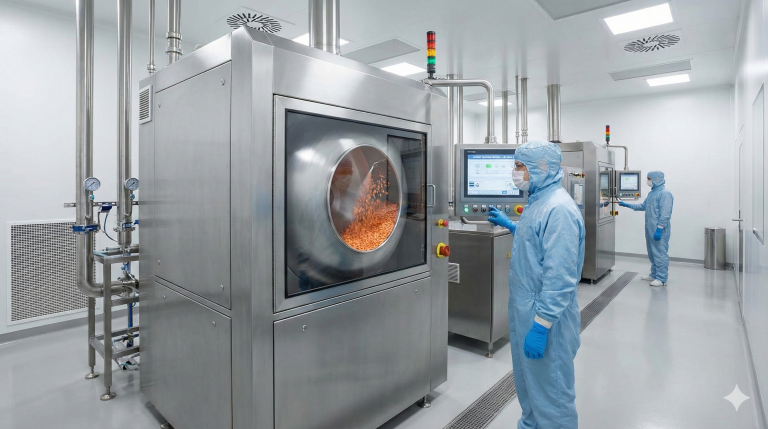
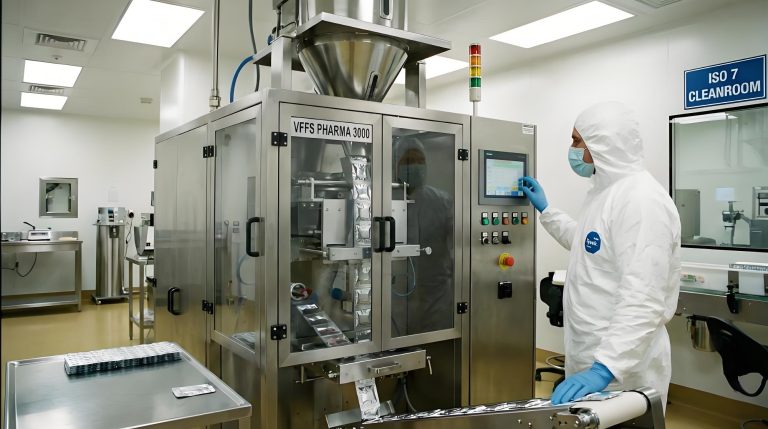
Pharmaceutical equipment manufacturers worldwide have launched automated blister packaging lines in recent years. They can achieve sealing speeds over 450 boxes per minute. Paired with AI vision inspection, missing or incorrect fills are nearly eliminated. Some lines even print batch numbers, expiration dates, even QR codes in real-time during packaging.
An anonymous Reddit user admitted he helped develop an automation system that directly eliminated 250 operator jobs. $100 million investment. But productivity gains covered costs within two years.
“I’m not proud of it, but that’s the trend,” he wrote.