
How Precision Pill Counting is Redefining Supply Chain Accuracy
The Hidden Danger Behind Manual Counting
Picture this. A busy pharmacy. A pharmacist hunched over piles of pills. Fingers flying. One or two tablets slip through uncounted.
Or imagine a production line. Workers squinting. Eyes strained. One extra pill here. One missing there. Minor cases trigger patient complaints. Major ones? Product recalls. Thousands of boxes pulled. Fines piling up.
This isn’t fiction. This was pharma’s reality for a decade.
The pill counter changed everything. This unassuming machine quietly revolutionized the industry. It evolved from optical sensors and vibration trays to AI-powered vision systems. Step by step, it replaced manual counting.
On the surface, it’s just a “counting machine.” But here’s the real conflict: Manual-era labor costs and error rates are getting crushed by automation. Yet Chinese pharma companies and pharmacies remain stuck in semi-automatic limbo.
2026 brought a global automation wave. Still counting by hand? That’s risky.
I used to think this was niche equipment. High-end factory stuff. Then I dug into industry reports. The numbers shocked me:
- Accuracy rates hitting 99.9%
- Thousands of pills counted per minute
- Cross-contamination risks dropping 90%
This isn’t just a tool upgrade. It’s a supply chain lifeline.
From Vibration Trays to AI Vision: Three-Stage Evolution
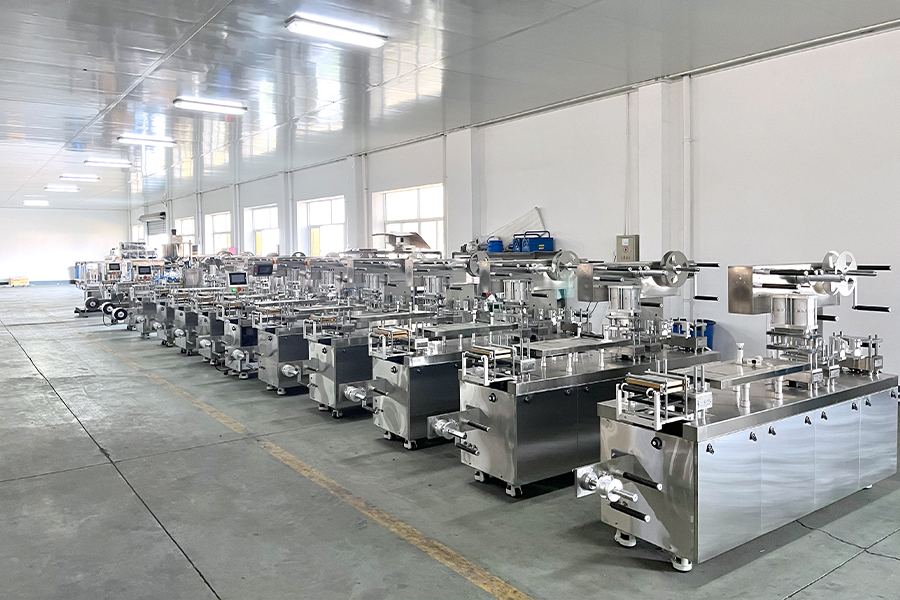
A pill counter is essentially a precision counting device. It handles tablets, capsules, and softgels. Any shape. Any size.
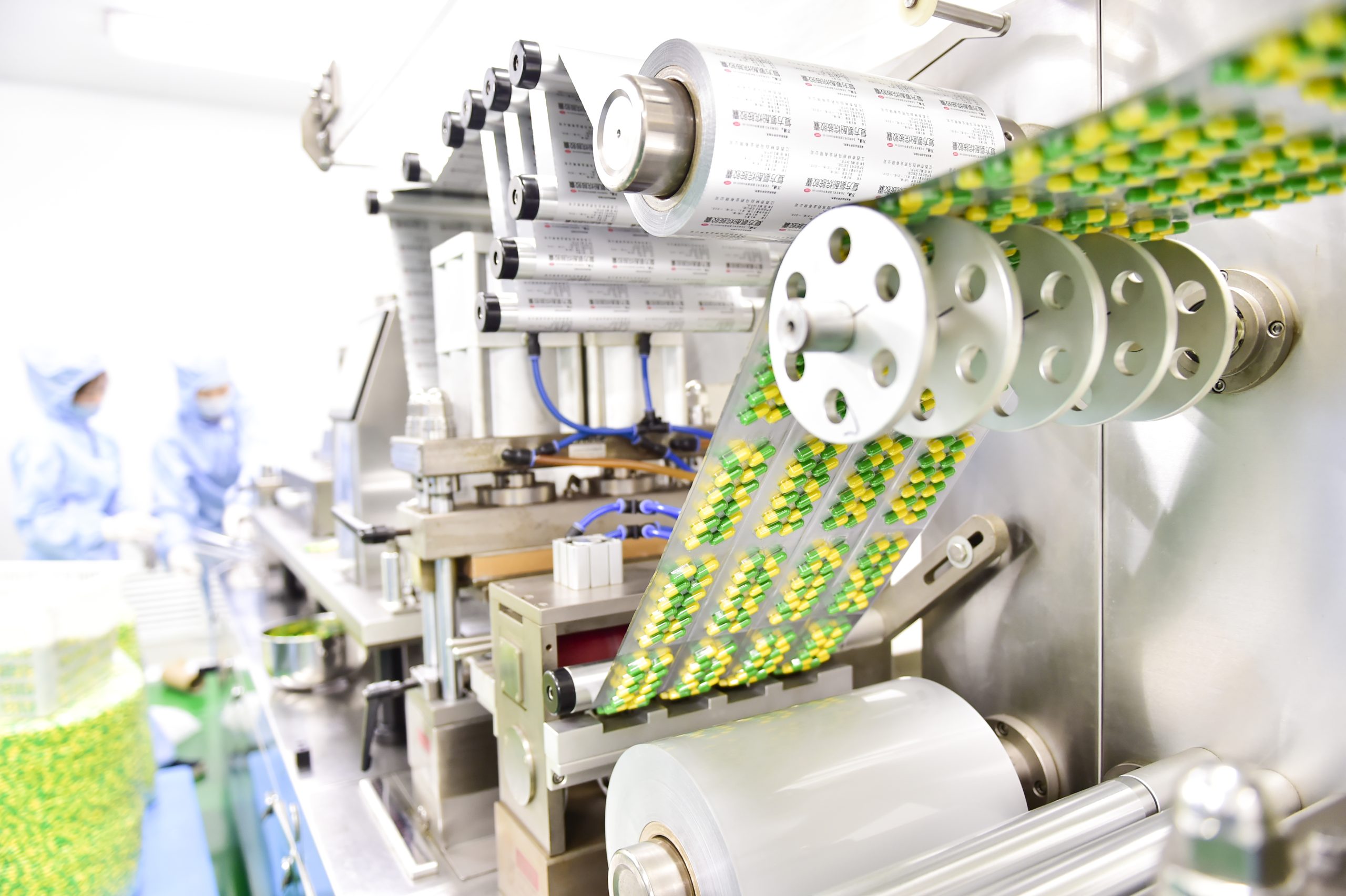
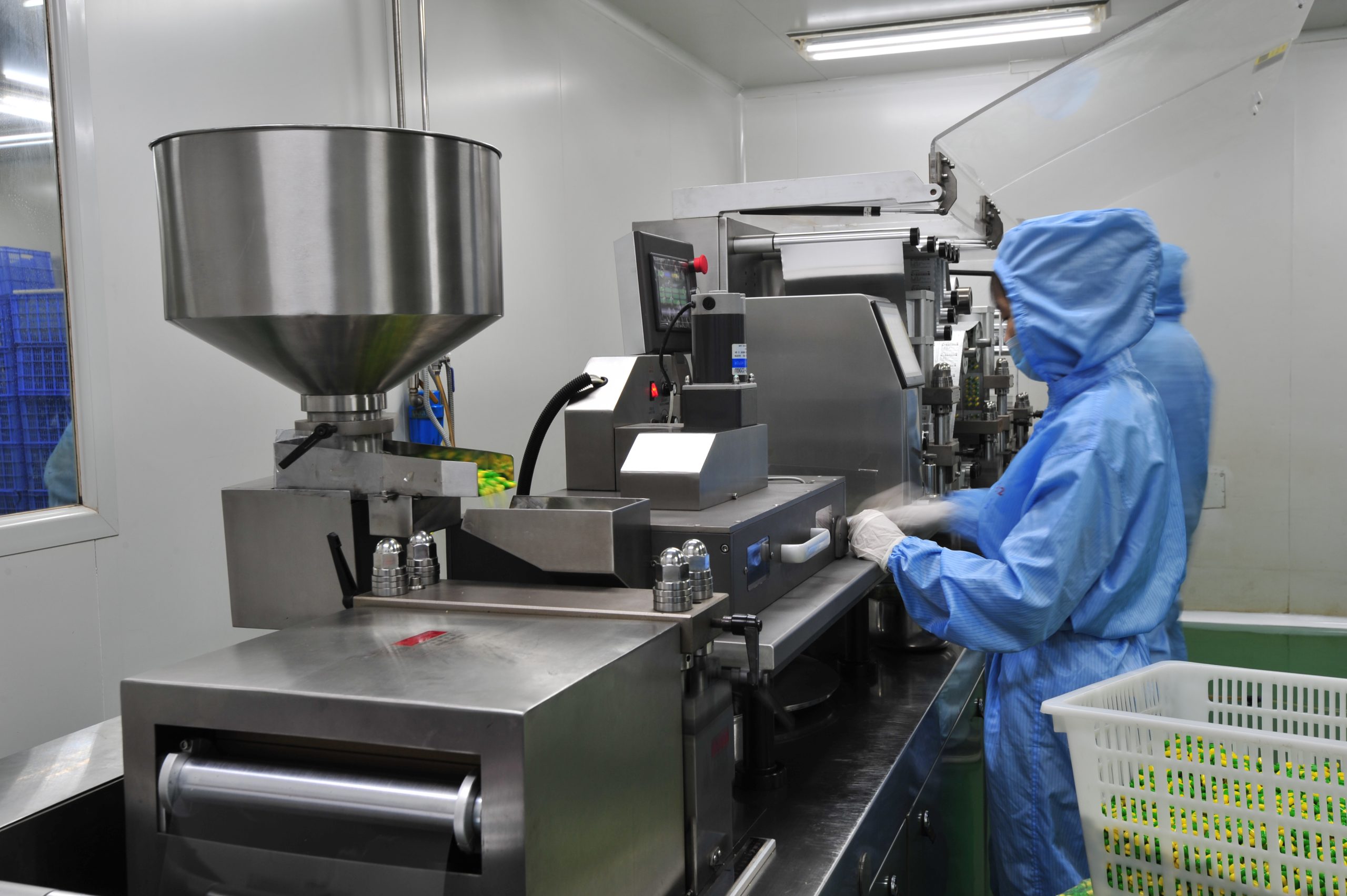
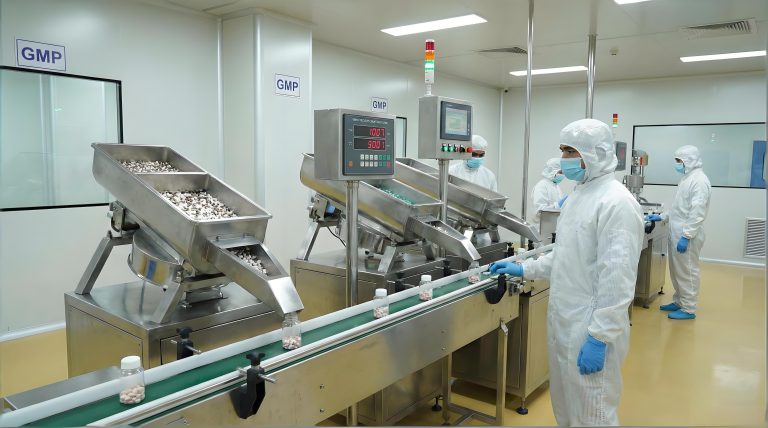
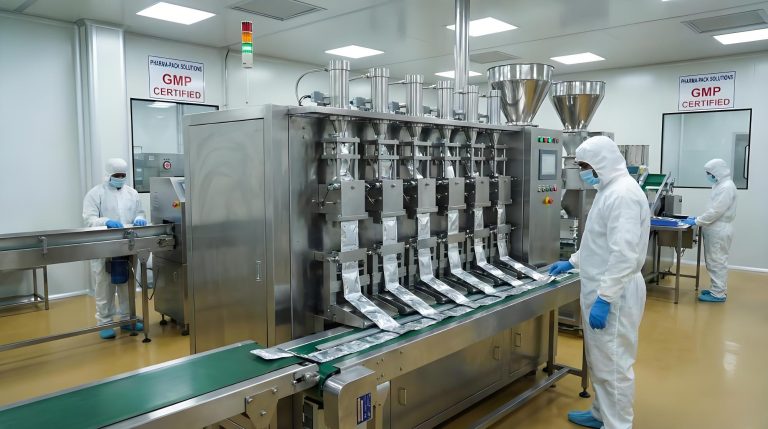
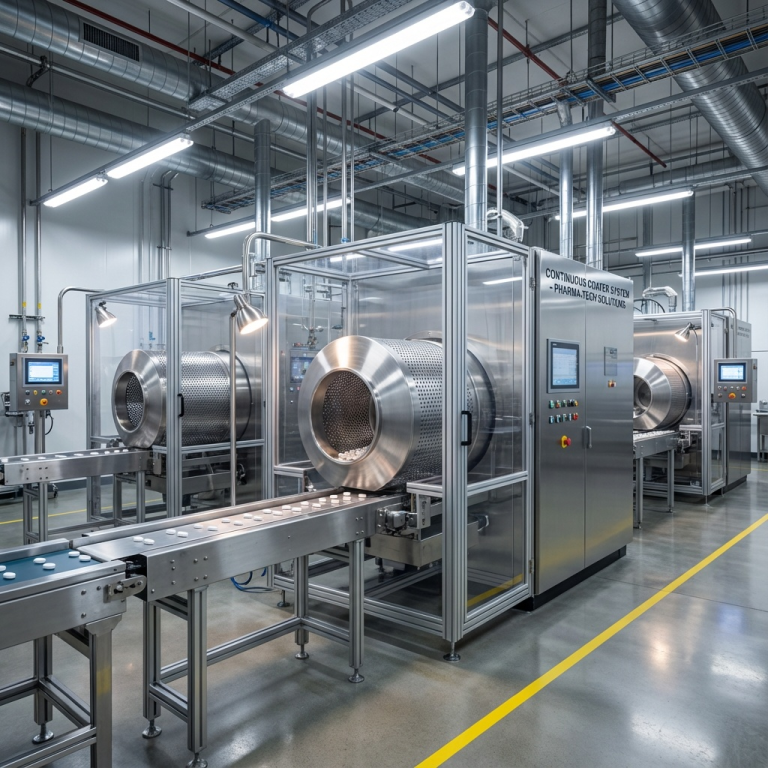
The working principle is straightforward. Vibration trays or rotating wheels separate pills one by one. Optical sensors, infrared beams, or cameras instantly identify and count them.
Early models were semi-automatic. You had to pour pills manually. Modern full-auto lines connect directly to packaging machines. One seamless flow.
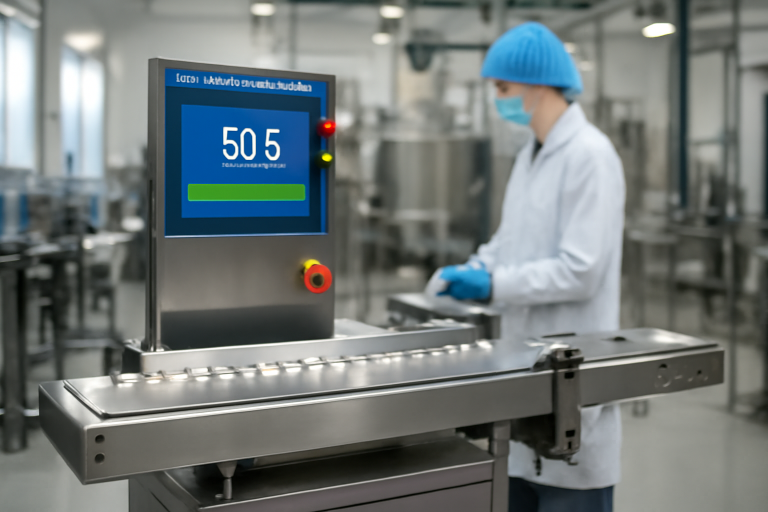
Take SED Pharma’s machines. They process various pill shapes. Thousands per minute. Built-in barcode scanning. Green light flashes on screen. Count confirmed.
Outcomes’ PillCount goes further. High-definition cameras photograph pill piles. Simultaneous identification and counting. Automatic audit log storage. If something goes wrong, the evidence chain is complete.
Advanced models like Makwell’s combine microcontrollers with vibration channels. Designed specifically for high-volume manufacturing.
The evolution doesn’t stop there.
Manual counting meant 5-10% error rates. Massive time consumption. Maybe a few thousand pills per hour, tops.
Now? Full-auto machines hit tens of thousands per minute. Manufacturing plants transformed from “bottleneck killers” to “flow accelerators.”
Pharmacies benefit too. Pharmacists freed from counting. More time for patient consultations.
Remember pandemic peaks? Pharmacies overwhelmed. Manual counting couldn’t keep pace. Patients waiting two hours. One counter machine doubled efficiency.
Bold prediction: 2026-2030 will see explosive pill counter market growth. Annual compound rate exceeding 15%.
Why?
- Tighter regulations. FDA and China’s NMPA show zero tolerance for dosage errors. Recent recall incidents forced companies to invest in equipment.
- AI upgrades. Future machines won’t just count. They’ll detect counterfeits. Identify damage. Predict inventory needs.
- Cost curves favor automation. Entry-level machines cost 100-200K RMB. Payback period: 6-12 months. Far less than manual counting fines.
Pharma giants like Pfizer and AstraZeneca already went full-auto. Small factories that don’t follow will get squeezed from supply chains.
But there’s a concern.
China’s market remains stuck in “semi-auto awkwardness.” Major players like Hengrui use full automation. Traditional Chinese medicine pharmacies and small drugstores still rely on manual counting or basic vibration trays.
Low labor costs let owners delay upgrades. But labor shortages are coming. Young people reject manual work. Pharmacist turnover rates are climbing.
Don’t underestimate this. It will trigger a merger wave. Small pharma companies get swallowed by counter-equipped giants.
This reminds me of automotive. Hand assembly to robot lines took 20 years. Pharma is behind.
The pill counter is that “robot arm” moment.
Upgrade or die.
What This Means for Your Business and Life
So what? This isn’t just about counting pills. It strikes at pharma’s core: Accuracy equals trust equals money.
For manufacturers:
Manual era meant one extra pill per bottle. Across billions of bottles nationwide. Billions in extra costs.
With counters, recalls drop 90%. Patient confidence soars. Brand premium goes up.
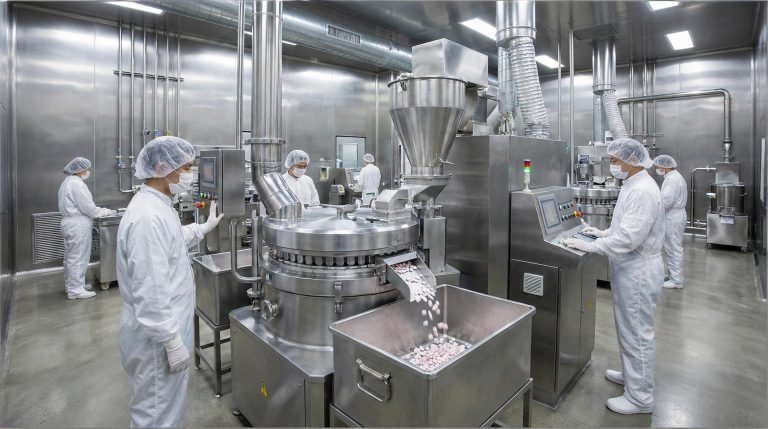
Think about tablet press manufacturers. They used to just make pills. Now, integrated counters boost entire line efficiency by 30%. Defect rates cut in half.
Market share? It starts with supply chain leverage. Small factories using counters can overtake big ones. Those without get squeezed on raw materials.
For pharmacies:
Patients hate waiting 30 minutes for pills. They’ll switch to online platforms like Dingdang or Alibaba Health.
Install a counter. Prescriptions ready in 5 minutes. Customer retention rises 20%.
Inventory management gets smarter too. Accurate counting means zero waste. Expired medicine disposal halved. Margins up 10%.
Pandemic lesson: When demand exploded, manual pharmacies closed. Automated ones survived.
For patients:
One extra aspirin. One missing blood pressure pill. Consequences can be severe.
Counters eliminate human error. Cross-contamination disappears. Chronic disease patients take medication with confidence. Compliance improves.
NIH research shows precise counting boosts medication adherence by 30%. Especially critical for opioid pain medications. Prevents abuse.
The macro view:
China’s 2025 pharma market is worth trillions. Automation penetration sits at only 40%. Far below Europe and America’s 70%.
This means trillion-level opportunities. Local equipment makers like Makwell-style players will eat into import market share.
Pharma bosses, take note. Skip the counter investment, and your competitiveness evaporates.
Pharmacy owners? Think about exhausted pharmacists in manual counting days. Free them up. Sell more supplements. Double your income.
Here’s the irony. Manual counting was once a “craftsmanship symbol.” Now it’s a “backward label.”
Your business model has reached an inflection point. Automation isn’t just cost savings. It’s the moat that keeps you alive.
What Should I Do? 5 Actionable Strategies
Now what? Watching from the sidelines is useless. Here’s the real stuff. Based on logic, I’ve outlined strategies from beginner to advanced. Ready to implement.
Don’t delay. 2025 equipment prices stabilized. Miss this window, and prices climb.
1. Assess Your Situation. Choose the Right Machine Tier.
Do the math first.
- Small pharmacy? Buy a semi-auto vibration tray machine. 50-100K RMB. Entry-level counting at thousands per minute handles 200 daily prescriptions.
- Small manufacturer? Go full-auto with AI vision. 200-500K RMB. Includes barcode auditing. Saves 20K monthly in labor.
Action step: List your inventory. Measure manual counting time multiplied by error rate. Calculate annual losses. Compare against machine ROI.
Order within one week. Don’t wait for labor costs to rise.
2. Integrate Your Supply Chain. Build a Closed Loop.
Counters don’t work in isolation.
- Manufacturers: Connect to tablet presses and capsule fillers.
- Pharmacies: Link to inventory software.
Find local agents like Ocelco. Get customized solutions.
Key point: Choose multi-shape compatible machines. Capsules are fragile. Vibration trays need frequency adjustments.
Testing period: Run samples for one week. Accuracy below 0.1% deviation passes.
3. Prioritize Compliance. Avoid Recall Disasters.
China’s NMPA requires full dosage audit records.
Pick machines with logging features. PillCount-style units photograph and store evidence.
Pharmacies should add patient education: “We use machine counting. Accurate to every single pill.”
Trust increases instantly.
Allocate 10% of budget to training. Pharmacists learn operation in three days.
4. Monetize Your Data. Leverage AI Upgrades.
High-end machines output counting data. Analyze bestsellers. Get expiration warnings.
Pharmacies can connect to mini-programs. Patients book pickup times. Traffic converts to revenue.
Manufacturers? Sell data to CROs. Boost R&D insights.
Starting point: Record data in Excel. Upgrade to ERP after six months.
Prediction: AI-powered counters go mainstream by 2027. Position yourself early.
5. Test at Low Cost. Scale After Proof.
Can’t afford full replacement? Start with one machine in a small store. Prove ROI. Then expand.
Watch secondhand markets or rental options. Monthly rent runs a few thousand.
Cross-industry thinking: Traditional Chinese medicine pharmacies benefit too. Counting herbal pills becomes far more accurate.
Don’t forget government subsidies. Pharma automation has dedicated funds. Apply and you’ll likely get approved.
These aren’t empty words. I’ve seen pharmacy owners use one machine. Saved 30K monthly in labor. Added premium services. Broke even in six months.
Execution determines everything.
Final Thoughts
The pill counter seems like a small device. In reality, it’s the spark igniting pharma’s revolution.
It pulls businesses from the manual swamp into a future of precision, efficiency, and safety.
Are you a pharma executive? A pharmacy owner? A supply chain player?
Your business faces reshuffling. Embrace automation or get eliminated.
Don’t ask “Is this for me?” Ask “How do I lead?”
Take action now. Look back in 2026. Today’s decision becomes your moat.
That’s the truth.