
In-Depth Analysis of Enteric Coating Technical Logic and Pharmaceutical Machinery Upgrade Pathways
The “Molecular Gatekeeper” on the Gastric Acid Battlefield
Enteric coating sounds fancy. But it’s really just wrapping a tablet or capsule in a pH-sensitive polymer film. It stays rock-solid in the stomach. Then it hits the alkaline small intestine and “pop”—releases the drug. Simple concept. Two iron-clad core missions: First, protect the drug from gastric acid degradation. Second, protect the stomach lining from harsh meds like aspirin causing ulcers. Think about it. Stomach pH sits at 1.5-3.5. Small intestine shoots up to 6-9. This thin film survives by playing the pH gap game.
But here’s a painful contradiction. This has been pharma standard tech since 1884 keratin pills. Shellac dominated in the 1930s. Now even fish oil supplements love it. So why is the market still debating? Pharma companies hype it up. They claim better bioavailability and fewer side effects. Yet research whispers that bioavailability improvements are “questionable.” Worse, if regular folks cut open enteric tablets, everything falls apart. Drug efficacy vanishes. Stomach gets damaged. Classic case of “great tech, awkward implementation.” Especially in today’s supplement boom. Enteric fish oil sells like crazy. But consumers complain: “No fishy taste, but effects seem weaker too.” I thought this was niche tech at first. Dig deeper? It’s quietly disrupting hundred-billion health markets and precision medicine.
Analysis and Prediction
Strip away the surface. Enteric coating is essentially polymer chemistry tricks. Common materials include cellulose derivatives and acrylic copolymers. These weak-acid polymers don’t ionize in gastric acid. Tough as iron plates. Hit the small intestine? They ionize instantly. Disintegration follows. Benefits are obvious. Acid-sensitive drugs (like certain enzymes or proton pump inhibitors) stay fresh. Stomach irritants (like NSAIDs) take the bypass route. Supplements like fish oil skip gastric digestion. No more “fishy reflux.”
The historical thread is more interesting. Early keratin coatings couldn’t handle gastric acid. Salol and shellac barely made it. Now? Tech has leaped to nano-level. Microcapsules or nano-encapsulation. pH-dependent polymers wrap sensitive proteins. Even chemo drugs. They head straight to colon cancer targets. Imagine oral anti-cancer meds not flooding the bloodstream. They explode directly in the intestine. Side effects cut in half. This isn’t sci-fi. It’s cutting-edge reality.
Bold prediction: By 2030, the enteric coating market will triple. It’ll smash through 50 billion USD. Why? First, precision medicine wave. Gut microbiome research is hot. Enteric coating is the perfect carrier for targeted release of probiotics or postbiotics. Second, supplement upgrades. Omega-3, CBD, even vitamin D all want enteric versions. Avoid losing half the effect in the stomach. Third, tighter regulations. FDA and national drug agencies scrutinize “delayed release” more strictly. Backward pharma companies will simply exit.
Risks? Coating too thick extends gastric emptying time (especially after big meals). Drug efficacy delays too much. Or pH sensitivity overreacts. Fails in Asian populations with greater individual variation (many with weaker gastric acid). Overall, benefits outweigh drawbacks. Chinese OEM factories (like certain coating equipment vendors) will catch the dividend. But European and American giants like DSM and BASF hold patent barriers. Domestic players will struggle to breathe. This reminds me of the enteric vitamin wars. Regular vitamin C oxidizes 50% in the stomach. Enteric version reaches bloodstream directly. Sales skyrocket 20%. Similar logic. Future “enteric + sustained release” combo tech will be standard. Supplements will transform from “placebo” to genuine “scientific weapons.”
What Does This Mean?
For pharma companies, this means a life-or-death dividing line. Traditional tablet factories still rely on film coating for “cosmetic cover-ups”? That’s already out. Enteric coating is the barrier. Can’t master it? Game over. Take aspirin as an example. Non-enteric versions sell hundreds of millions annually. But gastric ulcer complaints pile up like mountains. Enteric versions cost 30% more. Yet repurchase rates double. Result? Giants like Pfizer and Bayer lock down precision release. Small and mid-sized factories can only do OEM for fish oil. Profit margins thin as paper.
What about consumers? Pretty ironic. You pay premium for “enteric fish oil.” Think avoiding fishy taste means winning? Wrong. It does prevent reflux. But if it doesn’t disintegrate in the stomach, intestinal absorption rates vary by person. Elderly have slow gastric emptying. Young people “race through” fast. Efficacy fluctuates by 20%. Even worse is market chaos. Some “enteric” labels are pure scams. Dissolution rates don’t meet standards. Drug administration fines fly. This means your health budget needs recalculation. Don’t worship labels blindly. Enteric isn’t a cure-all. Choose wrong? Money down the drain.
Industry-wide impact is bigger. It exposes oral medication’s pain point—stomach is a natural barrier. Intestine is the goldmine. Result? Injectables and patches gradually decline. Enteric + nano oral formulations rise. Think colon cancer targeted drugs. Systemic toxicity drops 70%. Patient compliance explodes. Pharma valuations shoot up. Flip side? Supplement players who don’t upgrade face Gen Z’s “results-driven” scrutiny. Pure natural labels won’t hold up. Enteric versions will become new KOL blockbusters. Monthly sales breaking ten thousand is the norm.
Another hidden concern: over-reliance on enteric coating—will it breed “lazy stomachs”? Long-term use, will gastric mucosa adaptability worsen? Data is lacking. But logically, less “stomach exercise” might weaken digestive enzyme secretion. In short, this tech isn’t a savior. It’s a double-edged sword. It reshapes the entire chain from active ingredients to retail.
What Should I Do?
Enteric coating isn’t mystical. Grasp it. You can grab a slice of the health or pharma business pie.
- Consumer Self-Rescue: Three Selection Axes to Avoid Pitfalls and Spend Smart.
First, check labels for “EC” or “enteric-coated/enteric” wording. Don’t trust vague “sustained release.” Before buying, check third-party dissolution tests (like USP standards: no breakage in gastric fluid for 2 hours, 90% dissolution in intestinal fluid within 45 minutes). Fish oil is first choice. Prioritize products using DSM or BASF raw materials. Keep enteric aspirin on hand daily. Stomach-sensitive people must choose it. - Pharma Supply Chain Players: Deep-Dive Equipment and Raw Materials, Earn Passive Income.
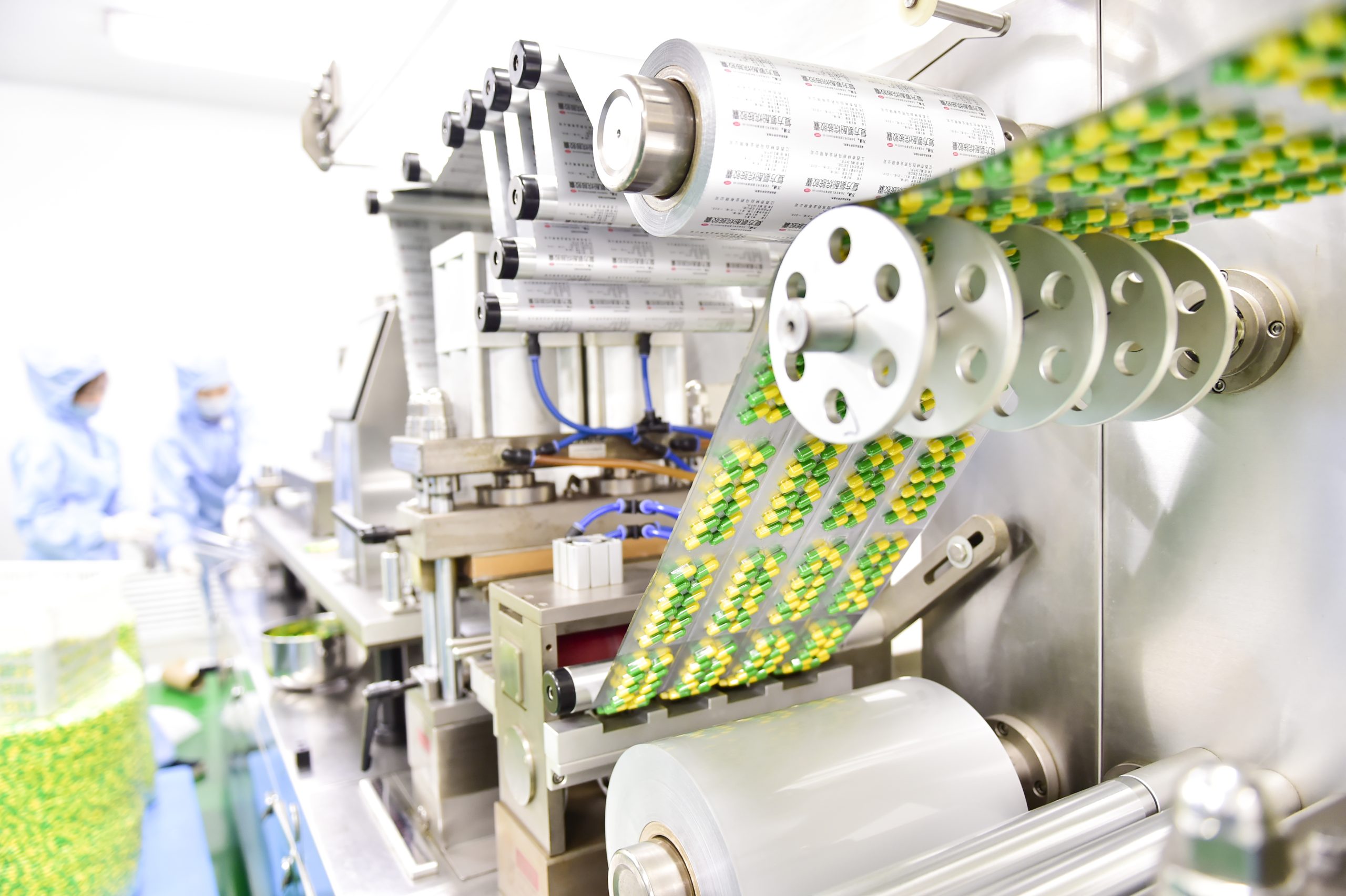
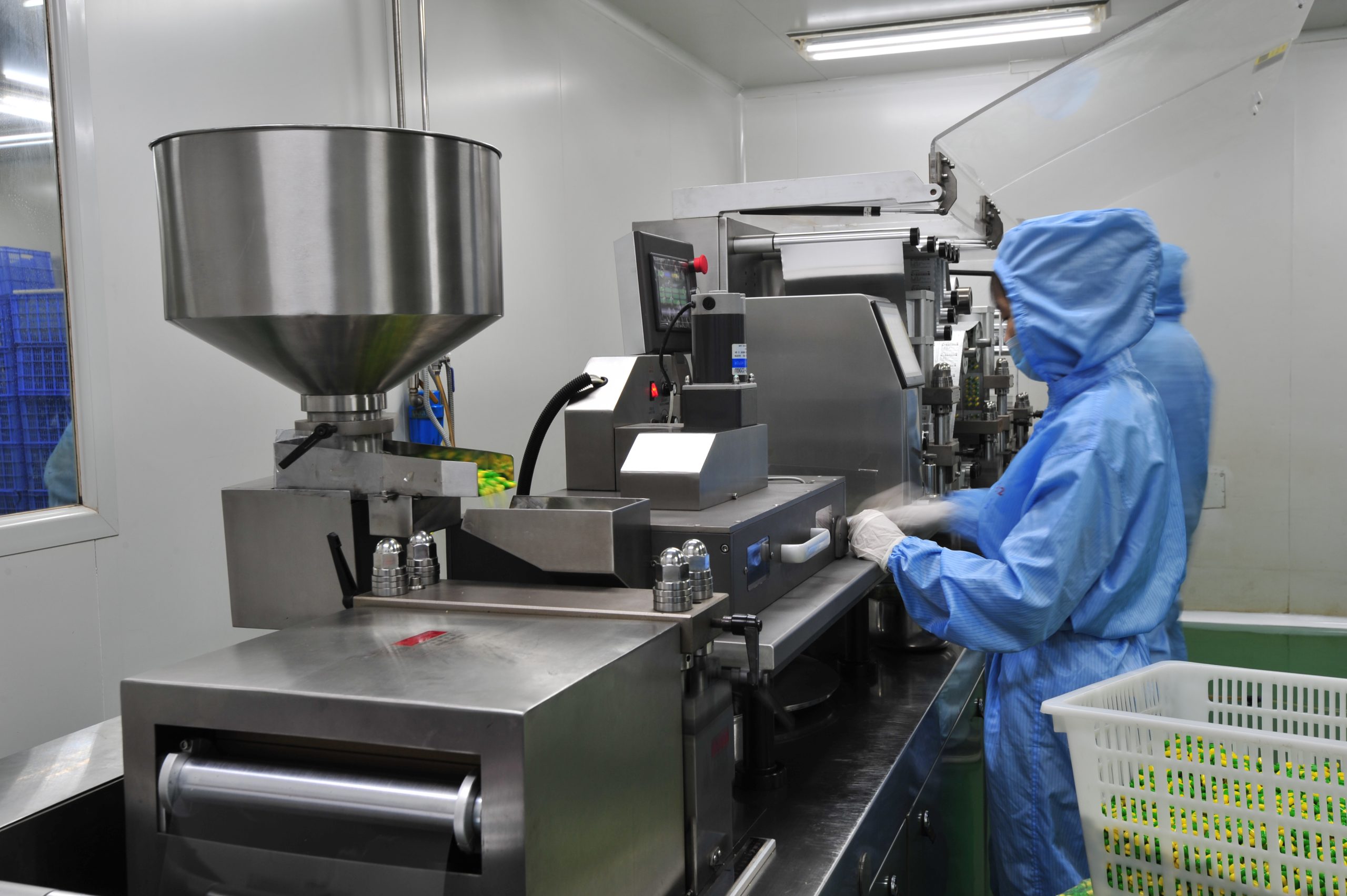
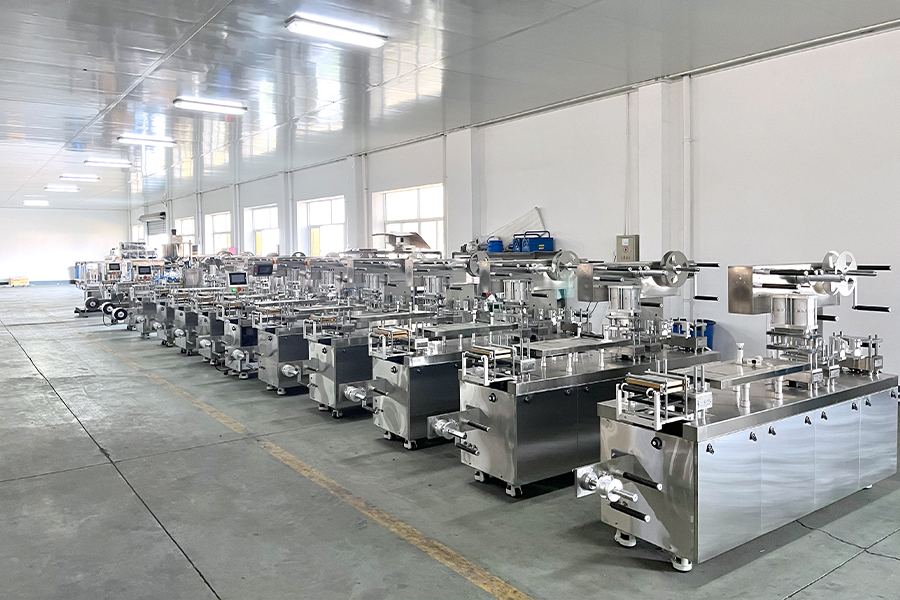
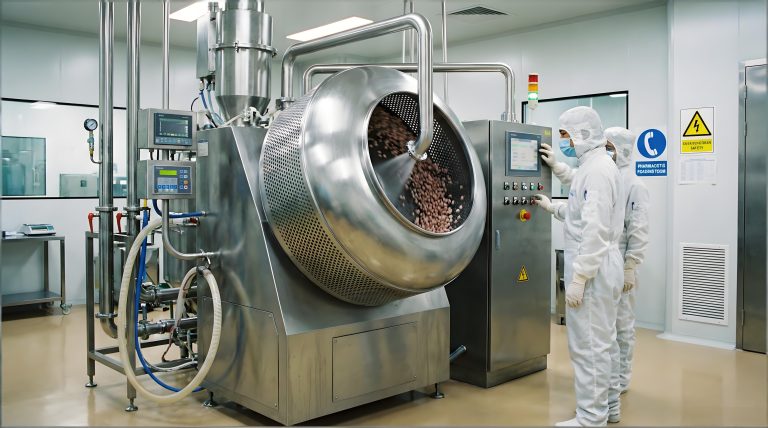
Coating machines are essential. Precision spray equipment annual sales break 100 million. Position as “nano enteric solutions” serving chemo drug factories. Low risk, high gross margin (about 40%). Personal suggestion: Target pH value differences in Asian populations. Develop “adaptive coatings.” File patents—make European and American giants unable to copy completely. - Investor Perspective: Bet on “Targeted + Health” Dual-Wheel Drive.
Short-term: Enteric fish oil related concepts. Stable growth trends. Long-term: Nano enteric companies, especially startups developing colon delivery technology. PE (private equity) investment could yield 5x returns. Warning: Avoid pure concept stocks. Look at actual dissolution data and Phase III clinical progress.
Conclusion
Enteric coating is no longer just a “supporting role” in pharma processes. It’s evolving into an “entry ticket” for precision medicine and premium supplements. This thin polymer layer separates acid-base conflicts. It connects absorption efficiency with patient experience. In the future hundred-billion market, whoever masters more precise release logic wins initiative on the “gastric acid battlefield.” Whether for consumers pursuing ultimate effects or pharma companies seeking tech breakthroughs, this “molecular gatekeeper” deserves fresh examination. It’s not just about how drugs get absorbed. It’s about how technology gently intervenes in life.