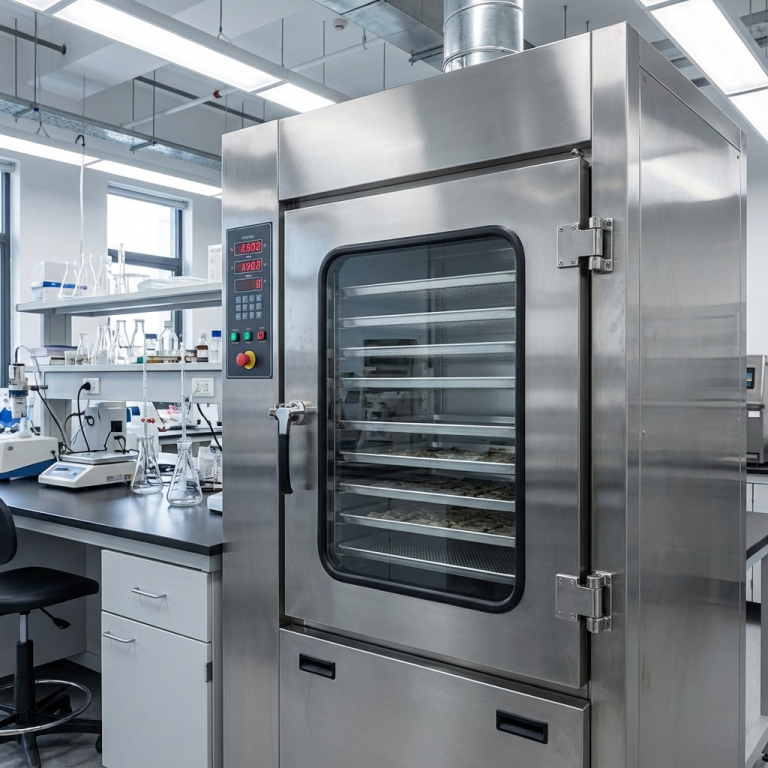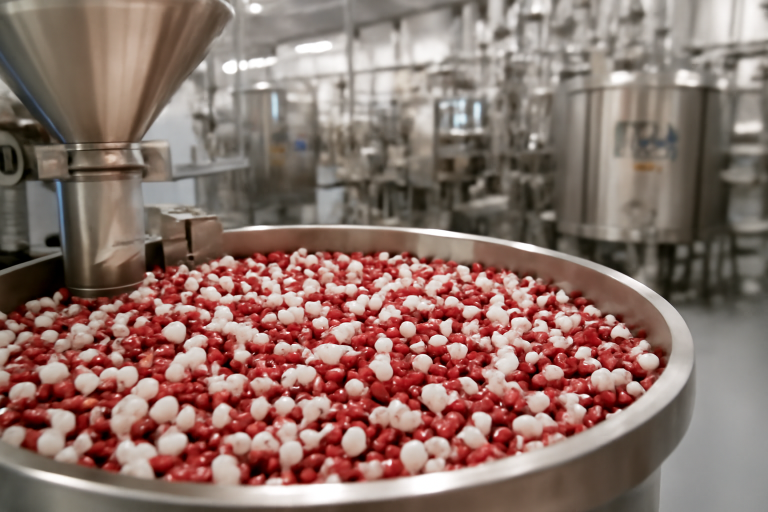

Industrial Drying Ovens: What Pharma Equipment Makers Won’t Tell You
You might think an oven is just a big hairdryer. What secrets could it hold?
But spend time on Reddit’s r/Manufacturing or Quora. You’ll see this truth. Pick the wrong drying gear. Watch your production line bleed money.
I’ve been digging through overseas forums lately. Looking at Industrial Drying Oven discussions. Found some wild stuff. Real engineers using this equipment daily? They hold nothing back. The gap between vendor marketing and actual use? Big enough to fit an entire workshop.
1. “Hot Air Circulation” Sounds Great, But Why Won’t Your Product Dry Right?
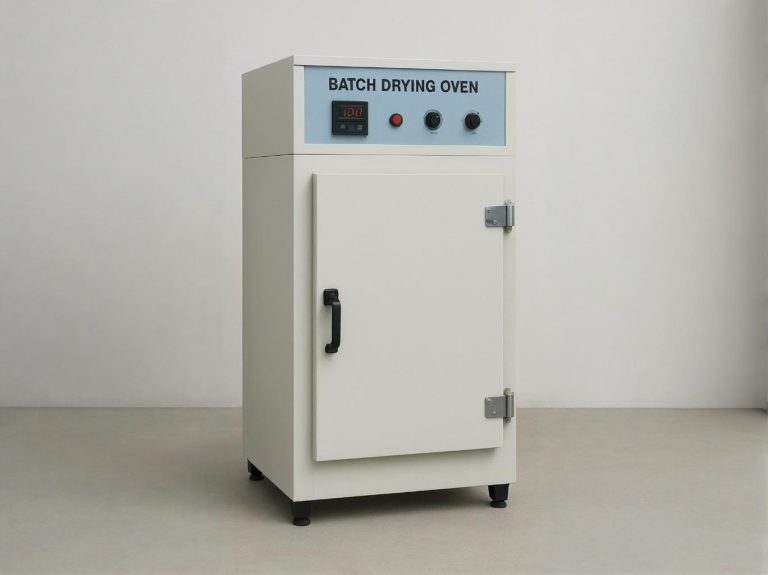
There’s a top question on Quora. “Why does my hot air circulation oven dry unevenly?”
Comments flooded in. Manual promises “360-degree circulation.” Reality? Totally different. A pharma quality inspector shared his story. Their Hot Air Circulation Oven dries tablets. Edge and center moisture content differs by 3-5%. They manually adjust tray positions now. Efficiency cut in half.
What’s the real problem?
Most think hot air circulation ovens are simple. Just “fan plus heating element.” Wrong. The core is airflow design and temperature distribution algorithms. A Reddit equipment tech put it plainly:
“Cheap ovens just blow hot air like a hairdryer. Good ones control airflow direction, speed, and humidity exhaust timing.”
I remember talking to a Solid Dosage Equipment Manufacturer tech director. They spent two years optimizing airflow. Goal? Make tablets “lie comfortably” in the oven. Sounds mystical. But data doesn’t lie. Their equipment controls temperature variance within ±2°C. Regular ovens? Could swing ±10°C.
The lesson: Not all “hot air circulation” equipment deserves that name. Before buying, ask these questions. How many airflow circuit layers? How many temperature sensors? Do you have actual temperature distribution maps?
2. Pharma’s “Hidden Costs”: Why Cheap Ovens Cost More
On Reddit’s r/pharma board, there’s a thread about “equipment purchasing pitfalls.” Someone shared a horror story:
Their factory went cheap. Bought an Industrial Drying Oven 30% below market price. Six months in, problems piled up:
- High energy use: Claimed efficiency never materialized. Electric bills up 20%
- Rework rates soared: Uneven drying. Tablet moisture exceeded limits. Whole batches scrapped
- Maintenance costs: Heating elements burned out constantly. Fan bearing noise heard across the workshop
Bottom line? Money saved on purchase price got eaten by operating costs and waste losses.
This isn’t isolated.
A quality engineer on Quora says pharma drying equipment requirements exceed food or chemical standards:
- GMP compliance: No dust accumulation dead zones inside. Must support CIP (Clean-In-Place)
- Batch consistency: Same batch tablet moisture variance must stay under 1%
- Data traceability: Every drying cycle’s temperature, humidity, time must be recorded and archived
Only real professional Solid Dosage Equipment Manufacturers meet these needs. Some add humidity sensors linked to exhaust valves. Real-time internal humidity adjustment. Others include FDA-certified data collection systems. Auto-generate batch reports.
Cheap stuff? Maybe cobbled-together temperature control. Forget data recording.
My take: Pharma equipment isn’t about “works okay.” It’s “works great plus compliant plus worry-free.” Before buying, ask more questions. Which pharma companies have you supplied? Equipment validation documents complete? After-sales response time?
3. Hot Air vs Vacuum vs Microwave Drying: Pick Wrong, Start Over
People often ask this on Reddit: “Should I use hot air, vacuum, or microwave drying?”
Answer: depends what you’re drying.
Hot Air Circulation Oven
- Good for: Heat-resistant, oxidation-stable materials (regular tablets, granules)
- Pros: Low cost, simple operation, manageable energy use
- Cons: Long drying time, bad for heat-sensitive materials
A Quora user gave an example. Their factory used hot air ovens for vitamin C tablets. High heat killed 30% vitamin activity. Switched to low-temp vacuum drying. Problem solved.
Vacuum Drying
- Good for: Heat-sensitive, oxidation-prone materials (biologics, certain APIs)
- Pros: Low-temp drying, preserves active ingredients
- Cons: Expensive equipment, complex operation, low output
Microwave Drying
- Good for: Fast drying needed, extreme uniformity required
- Pros: Fast speed, deep-layer drying
- Cons: Huge equipment investment, material electromagnetic properties matter
Key point: Industrial Drying Ovens aren’t universal. Selection needs product characteristics, volume needs, budget, compliance requirements. Blindly copying “what others use”? High crash risk.
4. Overlooked Details: Temperature Curves, Exhaust Timing, Loading Capacity
On Reddit’s r/ChemicalEngineering board, a veteran engineer shared a “counter-intuitive” lesson:
“Load over 70% oven capacity, drying effectiveness drops off a cliff.”
Why? Too much material stacked. Hot air can’t circulate. Middle material never touches hot air. They ran comparison tests:
- 50% load: 4 hours drying time
- 80% load: 7 hours drying time, edge material overdried, center still wet
Another seriously underrated factor: exhaust timing.
Many think “hotter equals better.” Not true. A Quora user said their Hot Air Circulation Oven dried granules. They discovered:
- Early high-temp rapid exhaust: Surface crusting, internal moisture trapped
- Early low-temp slow exhaust: Even moisture evaporation, later temp increase for setting
This involves drying curve design. Temperature, humidity, airflow speed, time combinations. Professional Solid Dosage Equipment Manufacturers provide customized drying programs based on material properties. Regular suppliers? Maybe just “set to 80°C, run 5 hours” crude advice.
5. How to Judge if an Oven is “Worth It”? Three Key Metrics
Combining Quora and Reddit discussions, I’ve distilled three judgment standards:
1. Temperature Uniformity
Demand suppliers provide actual Temperature Mapping Reports. Check temperature differences at various positions. Pharma generally requires within ±3°C. Food industry can stretch to ±5°C.
2. Energy Efficiency Ratio
Ask clearly about “energy consumption per batch” (kWh/batch). Some ovens claim energy savings. Actually burn more due to poor insulation, high fan power.
3. After-sales Response Speed
Equipment breaks, how fast can suppliers reach your site? Parts supply cycle how long? Reddit user complained. Their oven broke. Waited a month for parts. Entire production line stopped.
Extra addition: For pharma, must ask about FDA 21 CFR Part 11 compliance (electronic records regulation). Non-compliant equipment? Products might not even ship.
Finally, Let’s Be Real
Industrial Drying Ovens seem like equipment purchases. Actually you’re buying “stability plus efficiency plus compliance” combo packages.
If you only look at price? Market has tons of “ovens” for a few thousand bucks. But if you want “runs 10 years trouble-free, 99% batch pass rate, FDA audit-ready anytime”? You need reliable Solid Dosage Equipment Manufacturers.
Don’t bet your production line on the cheapest option. That’s not saving money. That’s buying future headaches.