
New Standards for Capsule Precision in the Pharmaceutical Industry and Automated Weighing Solutions in 2026
Capsule Weighing: Pharma’s Silent Killer
Capsule weight checkers sound boring. Just a fancy scale, right?
Wrong. In pharma and supplements, this machine guards your entire production line.
It checks every capsule’s weight. Makes sure the active ingredients and fillers hit the exact ratio. Not too much. Not too little.
Why obsess over grams? Because weight deviation means dosage deviation. When your label promises fall short, customers get sick. Your reputation tanks. Your brand dies.
I used to think this was just routine QC. Then I dug into the data.
Here’s the ugly truth. Manual sampling is cheap but leaks defective products like a sieve. Entire batches get scrapped. Full-auto machines cost hundreds of thousands. They check every single capsule at 100,000+ per hour.
Small factories can’t afford them. Big factories hate the maintenance costs.
Classic catch-22.
In 2026, raw material prices are climbing. Regulations are tightening. This “dilemma” is becoming a nightmare for factory owners. Don’t upgrade? One incident wipes you out. Upgrade? Cash flow chokes first.
Remember those supplement workshop scandals last year? Many traced back to outdated weighing systems.
Meanwhile, global giants like Anritsu and ACG hit precision levels of 0.5mg. Pure engineering art. But one ACCURA 200FF system? Easily over a million yuan.
Capsule weighing isn’t just technical. It’s existential.
Let’s crack this open. Is it your factory’s salvation or curse?
From Sampling Era to Full-Inspection Revolution
The core logic is dead simple. Compare total weight against target. Kick out anything off-spec.
Common culprits? Machine errors. Uneven powder flow. Static interference. Even capsule shell quality variations. Small glitches become disasters on high-speed lines.
Traditional sampling uses precision balances. Sounds economical. But human eyes and hands slip. Defects escape to market. Then comes the parade: complaints, recalls, fines. Total cost? Way more than equipment investment.
Enter full-auto capsule weight checkers.
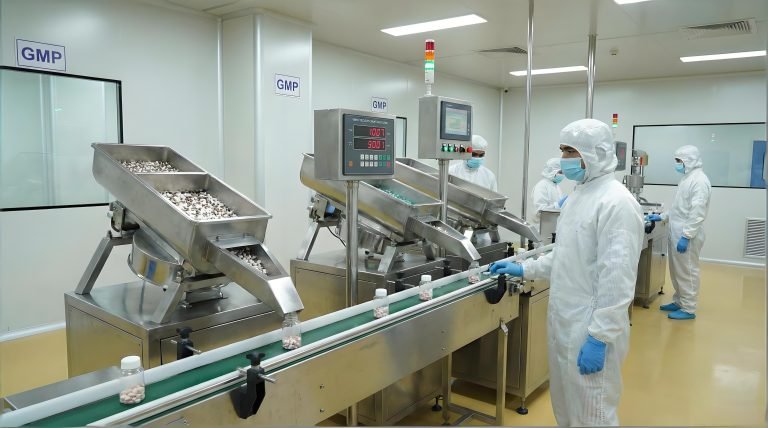
Take Anritsu’s KWS9002AP. It uses electromagnetic force balance weighing. Features unique “anti-bounce” mechanics. Keeps lightweight empty capsules from flying around. High-throughput models handle 100,000+ capsules per hour. Tiny footprint.
ACG’s ACCURA series goes further. Continuous weighing from empty shells to loaded capsules. Electromagnetic drive maxes out stability.
SGWEIGH targets nutrition products specifically. Built-in sensitivity self-check takes seconds. Nearly foolproof operation.
But hold your order.
Why do so many factories still use semi-auto equipment?
Because full-auto pain points remain real. High upfront investment. Steep maintenance costs. Environmental vibration and temperature shifts cause weight “drift.” Daily calibration with certified weights is mandatory. Clean the platform. Check sensors. Anti-static treatment. Skip one step? Error accumulation sends reject rates through the roof.
Here’s my bold prediction. By 2028, full-auto market penetration jumps from current levels to 60%+.
Why?
First, regulations shifted. FDA and NMPA audits grow stricter. Batches with dosage deviation over 5% face immediate shelf removal. EU’s 2025 rules already mandate online inspection for high-risk categories. Non-compliant small factories get kicked from global supply chains.
Second, AI is coming. Current equipment already tracks data and predicts trends. Future integration with machine vision will enable real-time feedback. Automatic filling machine parameter correction. As for cost? Scale effects should drop prices 30% within three years.
Remember when X-ray inspection machines first appeared? Factories complained about price then too. Now? Who dares skip them?
Capsule weighing is the next industry standard.
Small factories: don’t panic. Big factories: accelerate. The tension point? Whoever upgrades first grabs the premium market ticket.
What Does This Mean?
For pharma factory owners, capsule weight checkers aren’t expenses. They’re profit guardians.
Full-auto equipment weighing every capsule cuts false rejection rates below 5%. Annual savings on waste? Hundreds of thousands. Brand effect matters more. Precise dosage boosts repurchase rates by 20%+.
But traps exist.
Industry polarization will intensify. Big factories use 100,000 capsules/hour “monster machines” to spread costs. Then they steal low-end orders. Small factories clinging to manual equipment? Unstable quality. Price war is their only weapon. Margins crash below 30%.
Whoever controls dosage precision controls supply chain power.
For consumers? Safety upgrades. No more wondering “did this capsule get shorted?” The “full-inspection era” restores trust.
For the industry? Shift from crude production to precision manufacturing.
The irony cuts deep. A tiny weight deviation decides a factory’s life or death.
Will your factory upgrade or wait for elimination? Not science fiction. Reality staring you down.
Dig deeper. This represents accelerated digital transformation. Weight checkers aren’t isolated anymore. They connect to cloud. Analyze production trends. AI enables machine wear warnings. Formula optimization suggestions.
Past relied on veteran craftsmen’s intuition. Now data speaks.
Result? Production efficiency jumps 15%+. New product iteration speeds double. Whoever seizes this moment survives the next merger wave.
Painful reality for small factory owners? I get it. Cash flow is tight. Suppliers oversell. After purchase, maintenance costs bleed you dry.
Long-term view? Not investing equals slow suicide.
Industry average ROI shows full-auto systems typically pay back within 18 months. Manual efficiency never catches up.
What Should You Do?
- Evaluate step by step. Don’t go all-in blindly. Skip the million-yuan equipment for now. Start with a mid-range sampling scale around 10-20K yuan. Maybe a digital balance with 10mg precision. Build standard procedures. Sample 5 capsules per shift. Record trends. Spot deviation? Immediately stop and recheck the batch. Accumulate 3-6 months of data. Then assess full-auto necessity.
- Pick the right model. Watch core specs. Don’t fall for marketing buzzwords. Prioritize precision (10mg level or better), throughput (must match your filling machine speed, 50,000+ capsules/hour minimum), and self-check function (seconds, not minutes). Budget available? Anritsu anti-bounce series. Or ACCURA 100FF for entry-level. Tight budget? Consider domestic SGWEIGH. Excellent value. But demand live demos. Test static scenarios specifically.
- Build maintenance loops. Prevent drift. Weekly calibration. Certified weights only. Clean with lint-free cloth. Anti-vibration pads under equipment. Log data in Excel or cloud sheets. Set warning thresholds. Excessive deviation? Stop the line immediately. This step saves fortunes. I’ve seen factories lose million-yuan batches from calibration laziness.
- Train and authorize. Ensure execution. Don’t let expensive equipment collect dust. Train operators every two weeks. Run simulated fault drills. Give frontline workers “stop-line authority.” Better one extra hour of downtime than one ton of waste. Combine with QC plans. Monthly data audits. Dynamically adjust filling machine parameters.
- Monetize data. Level up your brand. Weighing data isn’t dead archives. It’s gold. Analyze and optimize filler ratios. Cut raw material costs by 5-10%. For external marketing? Use “full inspection” as a selling point. Print “100% Dosage Precision Tested” on packaging.
Conclusion
Capsule weight checkers seem niche. Actually? They mark pharma’s watershed from quantity to quality.
The tension is clear. Manual is cheap but unstable. Full-auto costs more but delivers long-term value.
Standing at 2026’s industry crossroads? Whoever unlocks “full inspection” first leads by a mile.