
Pharma’s “Iron Fist”: How Tablet Presses Reshape Your Business Map
Some equipment in pharma circles looks low-key. But it decides life or death. The Tablet Press is one of them. It’s not flashy AI tech. It’s an “iron fist” that turns loose powder into solid pills.
On the surface, it’s just one link in the pharma production line. Dig deeper and you’ll find this thing quietly stirs up the entire industry. Small factories use it to rise. Big factories might get cornered by it.
Here’s the contradiction. Why do high-end rotary presses produce 100 million tablets yearly, yet trap many pharma companies? Is it soaring costs, collapsing yield rates, or high tech barriers? This article unpacks the tablet press’s true face. And what it means for your business.
The “High-Pressure Game” from Powder to Pill
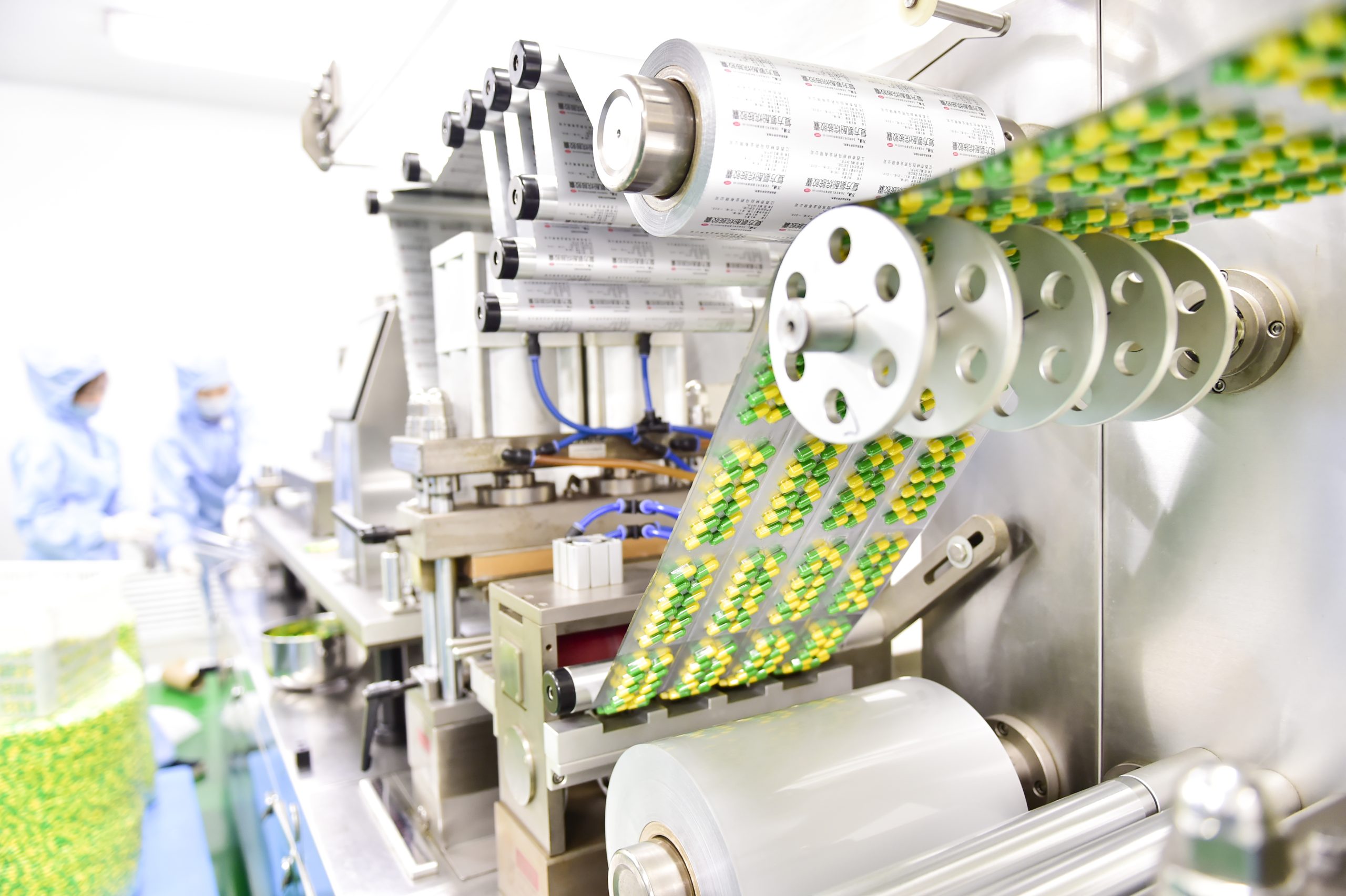
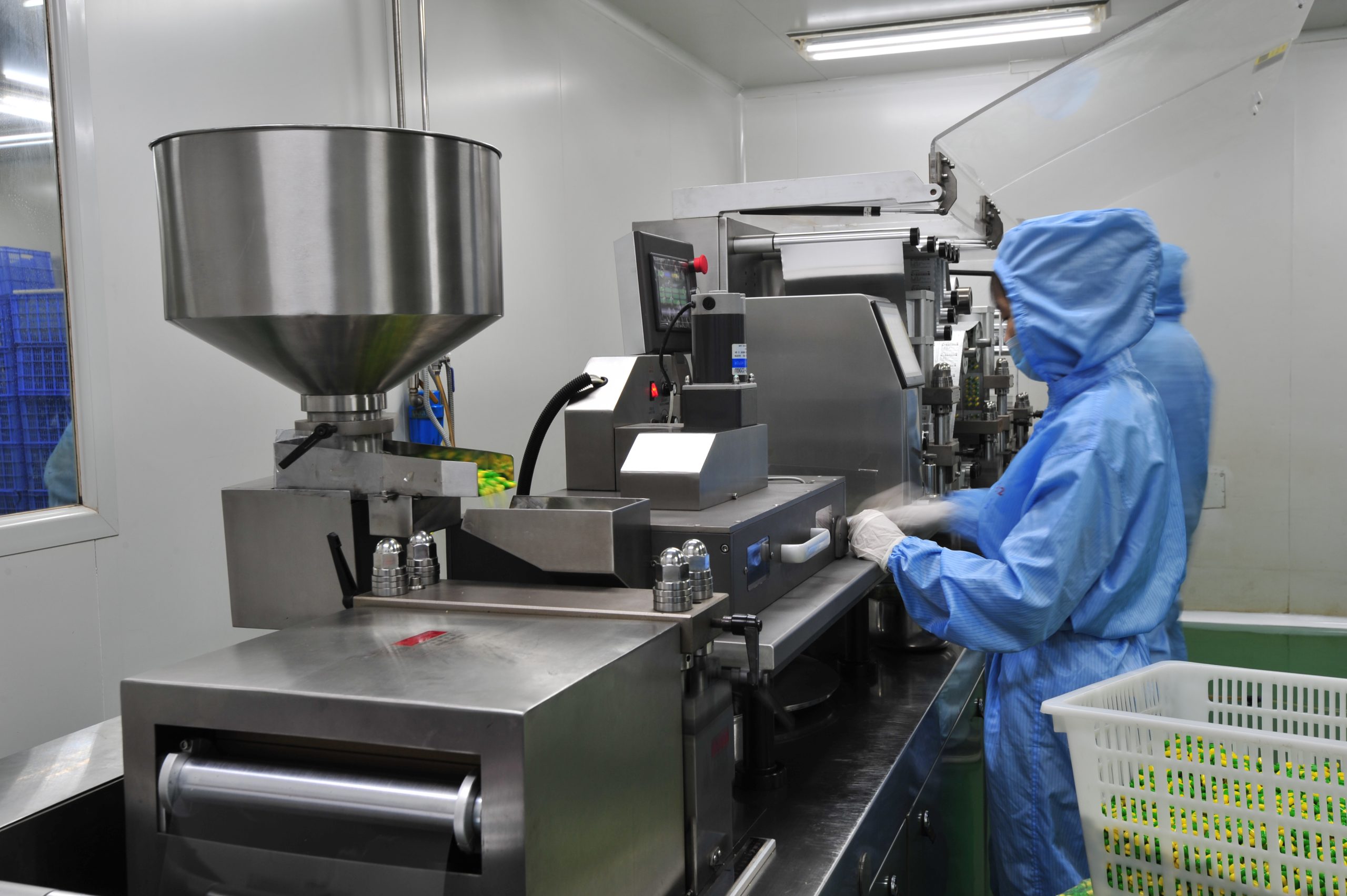
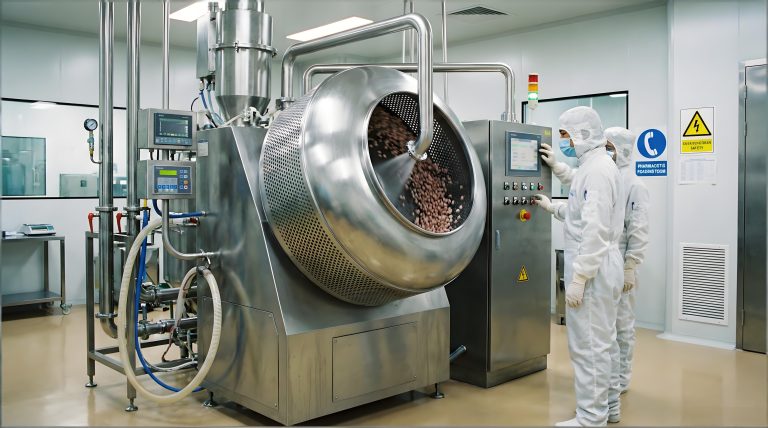
Picture this. Pour powder into a machine. Seconds later it spits out thousands of uniform tablets. That’s the tablet press’s magic. It’s essentially a precision mechanical device. It uses upper punch, lower punch, and die to apply massive pressure on granular powder. It “fuses” them into standardized tablets.
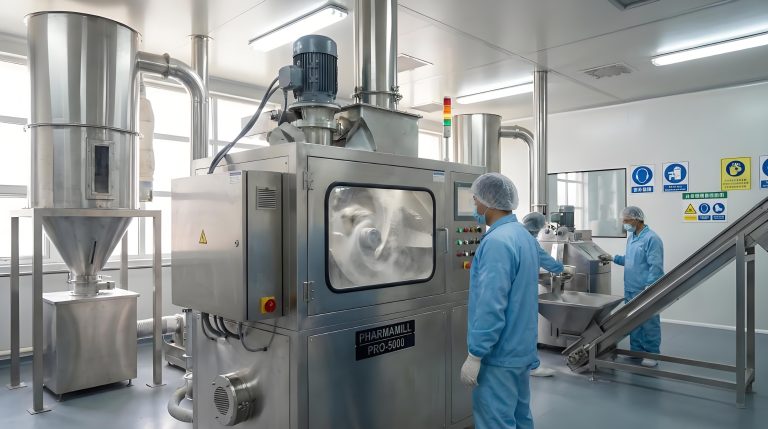
Pharma powder typically comes from fluid bed dryers and other upstream processes. Tablet pressing is the core link in the entire production line. It ensures each pill’s weight, hardness, and shape hits milligram-level precision.
But here’s a massive conflict. The principle seems simple. The barrier is absurdly high.
- Single-punch: Fits lab small-batch R&D. Runs on manual drive or eccentric wheel reciprocating motion. One punch, one press.
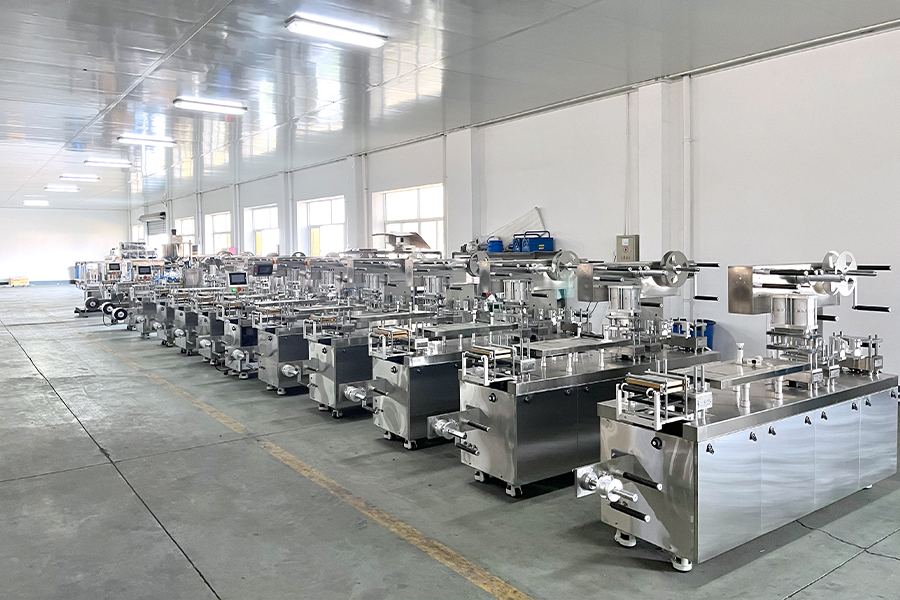
- Rotary: Industry mainstream. The turret holds dozens or even hundreds of die sets spinning at high speed. It’s a “perpetual motion machine.” Annual output easily exceeds 100 million.
So where’s the problem? Slight powder humidity variation, minor die wear, unstable pressure output… One slip and everything collapses. Industry data shows many small-to-mid pharma companies’ pressing yield rates hover around 85%. Top factories hit 99%. That 14% gap is the multi-million profit chasm blocking pharma companies.
I initially thought, isn’t this just a pressing machine? Later I met a few pharma factory owners and realized: tablet presses aren’t “plug-and-play” equipment. They’re the nerve center of the entire supply chain. In 2026’s global pharma automation wave, equipment upgrades force Chinese pharma companies into a life-or-death choice: “domestic substitution or get strangled.”
From Single-Punch to High-Speed Rotary, What’s the Next Breakout Point?
Let’s dismantle this machine’s “skeleton.” Core components include: hopper for powder feeding, die for shaping, upper and lower punches for pressing, turret for rotation, cam tracks for positioning, pressure rollers for compacting powder, and discharge chute for ejecting tablets.
The workflow is like precision ballet. Lower punch descends to fill powder. Upper punch presses down to compress. Scraper squeezes out excess material. Pressure roller fuses and hardens. Finally ejects the finished product.
- Single-punch machine: Flexible, easy die change. Fits R&D or ultra-small batch production.
- Rotary machine: Powerful with multi-station parallel work. Turret spins at high speed. Powder feeds continuously. Dozens of punches work simultaneously. Efficiency explodes.
Don’t get fooled by surface speed. Rotary machines’ pain point is “stability.” At extreme rotation speeds, uneven powder flow causes “capping” or “lamination”. Tablets either crumble at touch or fail hardness standards.
High-end models solve these problems through PLC control systems, automatic pressure adjustment, even AI monitoring powder density. But the cost? A domestic single-punch machine costs tens of thousands to enter. Imported high-speed rotary machines easily hit millions. Plus they require high-precision custom dies.
Trend Predictions:
- Short-term (1-2 years): High-speed rotary presses will dominate the market. Domestic market share may break 70%. As Chinese pharma companies expand to Europe and America facing strict FDA certification, old machine elimination is here. Manufacturers like NOAH and Finetech push “multifunctional integrated” models. One machine handles supplements, cosmetics, even industrial catalyst production.
- Long-term (3-5 years): Intelligence is king. AI presses with sensors for real-time pressure feedback and adaptive powder humidity will become standard. Yield rates will approach 100%. Giants like Pfizer will complete full upgrades. Small factories that can’t keep pace get ruthlessly squeezed out.
Here’s an interesting phenomenon. Why do rotary machines, clearly more efficient, make many pharma companies “lose more as they buy”? The truth lies in maintenance barriers. Die lifespan is limited. Cam tracks wear easily. Excessive speed brings noise and heat disasters.
The future direction is clear: whoever nails the “zero-defect” algorithm first eats meat. I saw a Jiangsu pharma company merely by switching to domestic high-speed machines and optimizing algorithms achieve doubled output and 30% cost reduction.
What Does This Mean for Your Business?
For you, this isn’t just a machine. It’s your cash flow engine.
- For big factories: Tablets account for 80%+ of solid dosages. Lagging press upgrades equals self-amputation. When Western peers have universalized automated pressing + online quality control integration, if Chinese big factories still rely on semi-manual monitoring, it means supply chain rupture risk spikes. Losing half your orders isn’t alarmist.
- For small-to-mid pharma companies: Opportunity actually expanded! Single-punch machines have low barriers. Tens of thousands let you test OTC nutrition tablet markets. As rotary machines domesticate, you can snag big orders at 1/3 of import machine prices. Blue oceans like cosmetic tablets and pet medicine tablets—once machines spin, annual revenue breaking 100 million is no fantasy.
- Deep transformation: Pharma shifts from “craftsman experience” to “data factory.” Past relied on master pressure adjustment. Now algorithms speak. This spawns talent gaps—engineers who understand PLC programming and powder fluid mechanics became hot commodities. Annual salary starts at 500K yuan.
Somewhat painful: environmental and cost dual pressures arrived. High-pressure machines consume huge electricity and have high waste tablet rates. Carbon emissions already listed in KPIs. Whoever optimizes energy efficiency gets policy subsidies.
Bottom line, this thing reshapes your competitive moat. Future competition isn’t who has better drug efficacy (that’s baseline). It’s whose tablet output is more stable, faster, cheaper.
What Should I Do? Execution Suggestions:
- Quick inventory assessment, tiered upgrade: Audit existing models. Keep single-punch machines for R&D. Force replacement of rotary machines older than 5 years. Tight budget? Choose domestic mid-speed models (starting from 10-station, 50K tablets/hour capacity). Extremely cost-effective.
- Conquer powder optimization, that’s the real KPI: Best machine with garbage powder still fails. Invest in fluid beds and vibrating screens. Control preprocessing humidity at 2-3%. Pro tip: Add 0.5% talc powder to prevent sticking. Yield rate instantly jumps 15%.
- Proactively embrace intelligence: Prioritize purchasing models with PLC interfaces. Try remote APP monitoring. Train technicians in data analysis. Predictive maintenance saves way more than fixing after breakdowns.
- Die customization, achieve differentiated breakthrough: Don’t just stare at standard round tablets. Customize irregular shapes, scores, or logo dies. Grab high-end OTC orders. Example: fun shapes for children’s medicine. Premium margin reaches 30%.
- Beware import traps: When calculating accounts, add hefty tariffs and cross-border logistics. Actual cost often 20%+ higher than quotes. Join neighboring pharma companies to “group buy” domestic high-end parts. Also a good cost reduction method.
Don’t drag on execution. Start small: today test your production line’s defect rate. If it exceeds 8%, tomorrow contact suppliers about upgrade plans. Remember, pharma is a marathon. But equipment iteration is a 100-meter sprint.
Conclusion
Tablet presses look unremarkable. But they’re the key to Chinese pharma’s shift “from quantity to quality.” They expose industry pain points. They also point to breakthrough paths.
This isn’t just an equipment revolution. It’s your business rebirth. Think about those pharma companies that stumbled due to outdated equipment. There’s nowhere to buy regret medicine. You, right now, get moving. Pharma should be this thrilling.