
Pouch Packaging Systems: How Material Science and Sustainability are Reshaping the Global Market
From Material Science to Market Domination
Multi-Layer Films: Why Pouches Are Material Science Perfection
Don’t let “plastic bag” fool you. The magic is lamination technology. Layer stacked on layer, like Russian nesting dolls.
- Outer layer: PET or PP. Handles printing and scratch resistance.
- Middle layer: EVOH or aluminum foil barrier. Blocks oxygen and moisture cold.
- Inner layer: PE. Ensures sealing and food-grade safety.
This design keeps coffee fresh for six months. Baby food stays leak-free and mold-free. Way better than glass.
Pouches use one-third the material weight of traditional packaging. Shipping a ton of bottles? Fuel nightmare. Shipping a ton of pouches? Fits easy. Costs drop 20-30%.
The variety kills too:
- Pillow pouches suit single-serve snacks. Dirt cheap.
- Gusseted pouches hold coffee beans. They puff up like mini boxes.
- Spout pouches handle sauces and liquids. Pour upside down without spilling.
| Pouch Type | Ideal Applications (Best For) | Primary Advantages |
| Pillow Pouch | Single-serve snacks, condiments, and samples. | Ultra-low cost and exceptionally high production speeds. |
| Gusseted Pouch | Coffee beans, loose tea, and bulky powders. | Expanded internal volume and a strong, box-like shelf presence. |
| Spout Pouch | Baby food, liquid sauces, beverages, and gels. | Spill-proof design and superior user convenience for pouring. |
| Stand-up Pouch | Pet food, detergents, and retail-ready snacks. | Replaces rigid bottles/jars; saves up to 70% on storage and shipping space. |
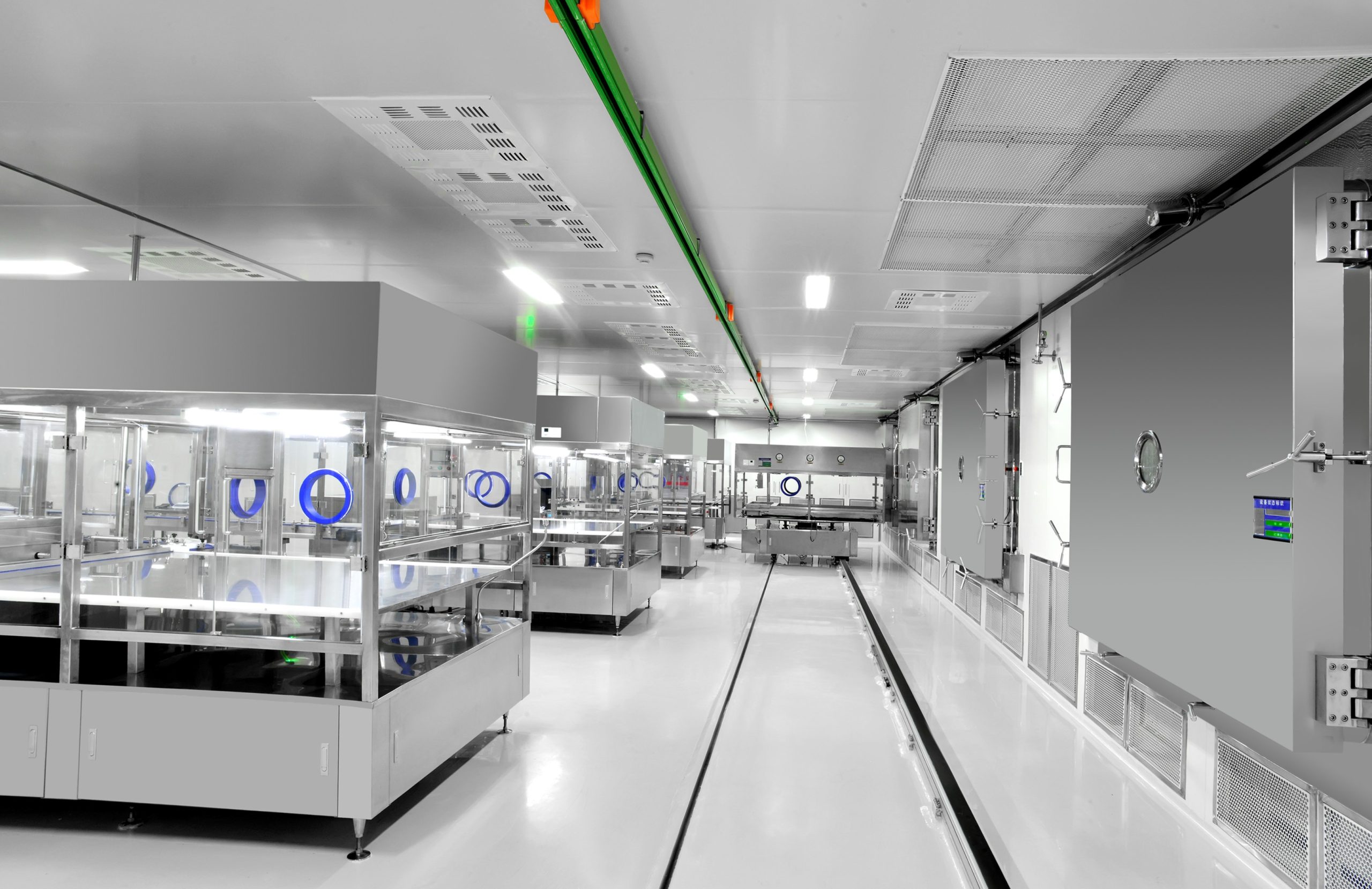
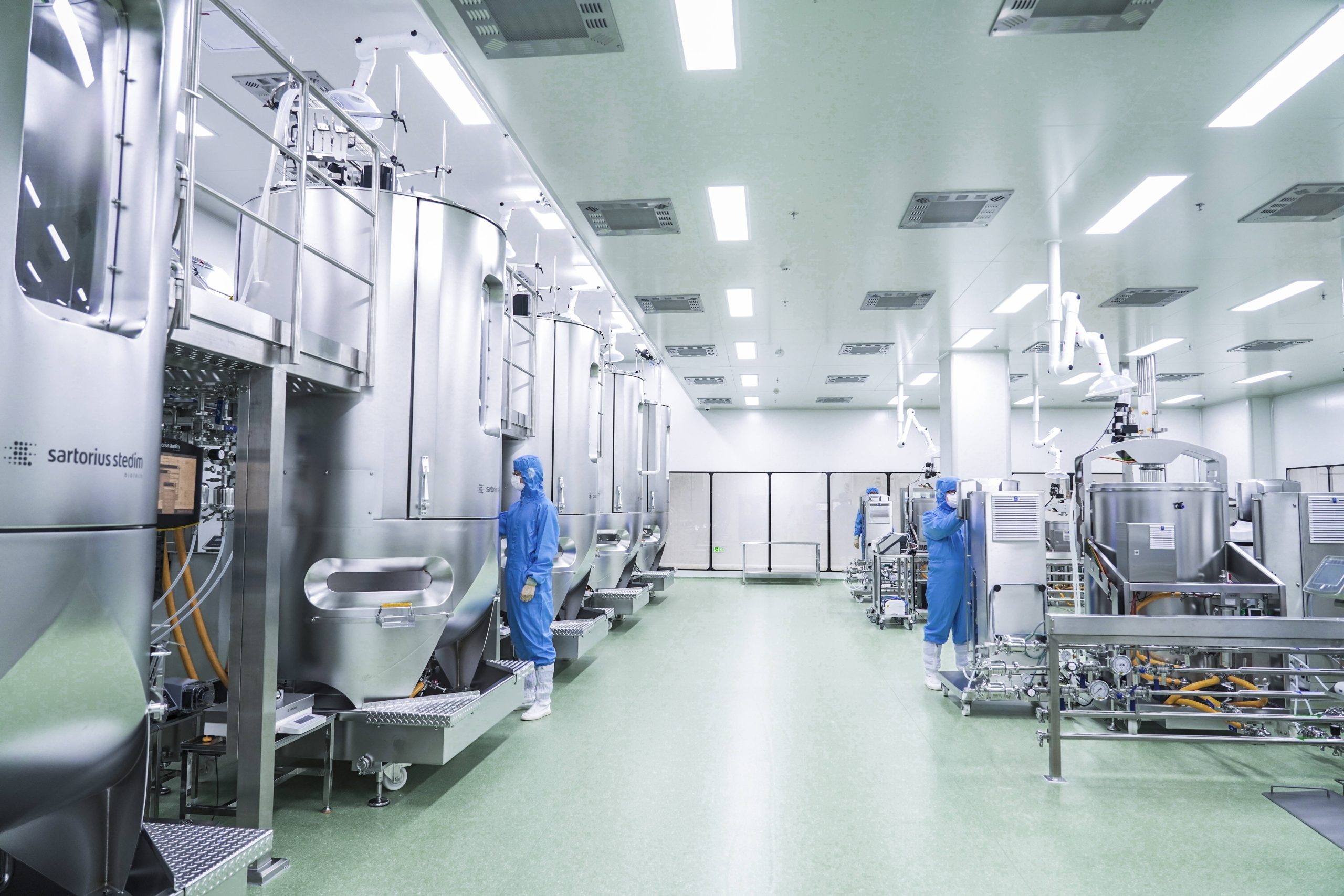
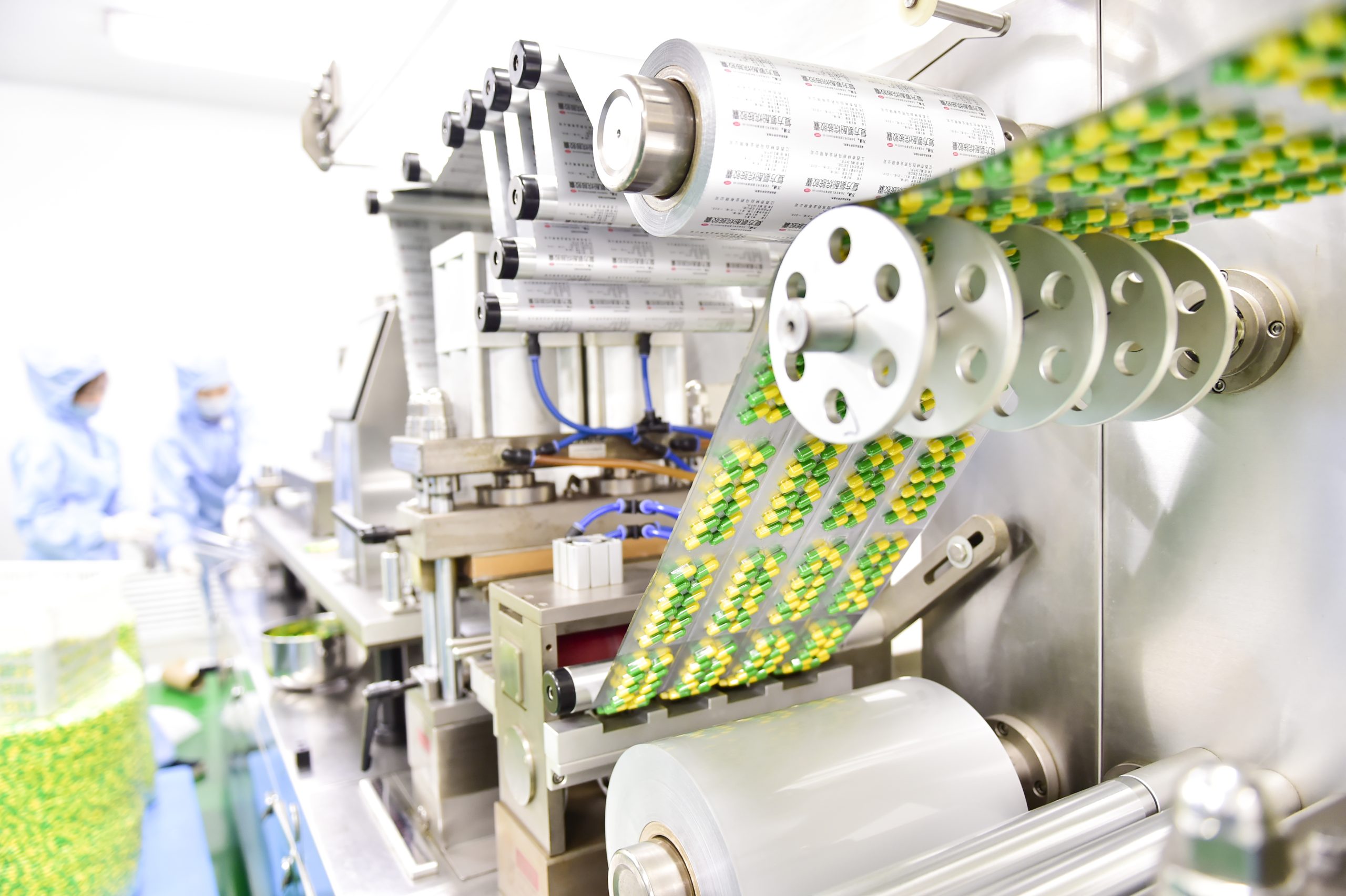
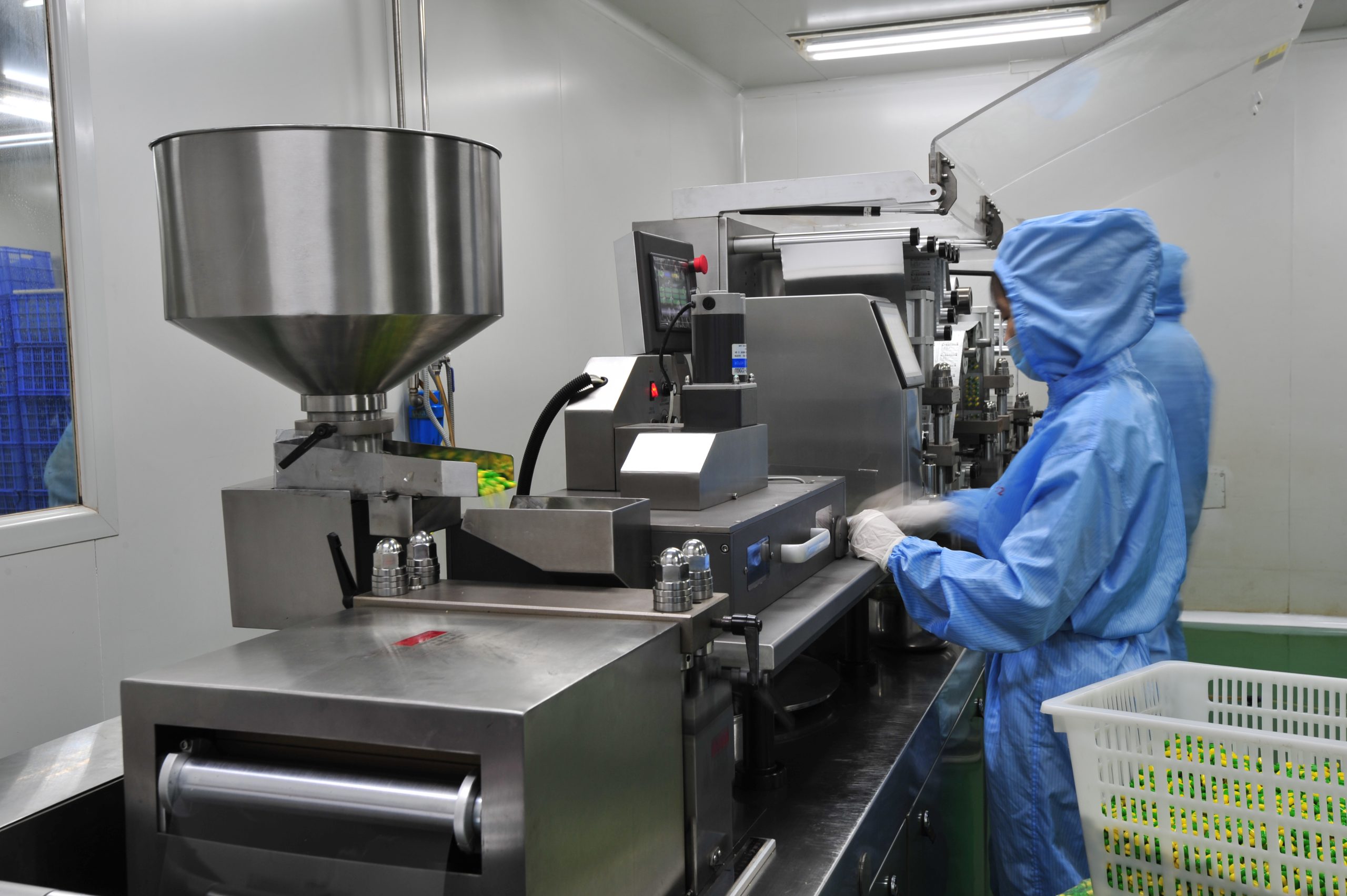
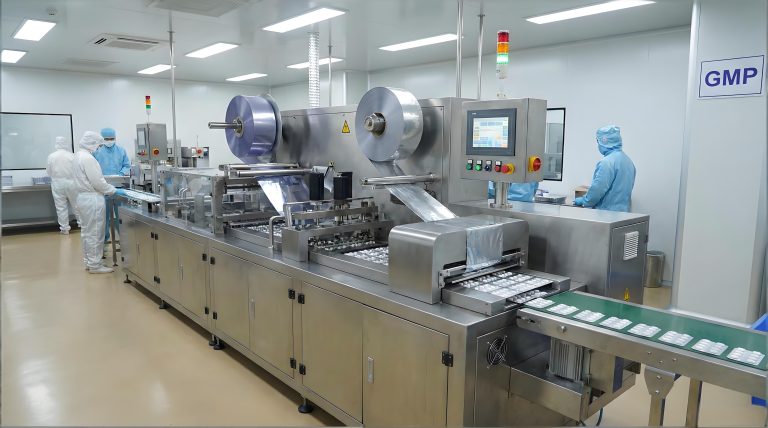
Automation handles everything. From film roll to finished product. Speeds hit 500 bags per minute. Human error? Nearly zero.
Seven Tech Upgrades for 2026: Sustainability Meets Smart Packaging
Pouches aren’t just about saving money anymore. They’re embracing a material revolution.
Bio-based films lead the charge. Corn starch or recycled ocean plastic replaces petroleum-based PET. Carbon footprint? Cut in half. Compostable too. When EU regulations drop, brands not using pouches will freeze out.
Nano coatings double barrier performance. Oxygen transmission drops to 0.1cc/㎡/day. Pharmaceutical shelf life jumps from 6 to 18 months.
Smart labels embed NFC chips. One scan shows production dates, expiration, even anti-counterfeit tracing. Pet food pouches? Dog owners scan and know they’re feeding fresh.
3D-printed custom spouts make premium skincare pouches look luxurious.
Bold prediction: By 2027, pouches will own 50%+ of food packaging. Pharmaceuticals will go harder. Single-dose pouches replace blister packs. Medical errors drop 30%.
Why so confident? Supply chains are ready. Chinese and Indian factories overflow with capacity. Prices dropped to $0.07 per square meter. Western brands are scrambling to order.
But pain points remain. Initial equipment costs $30,000-$70,000. Small businesses struggle. Legacy bottle giants fight back with “premium feel” marketing.
Consumers aren’t fooled though. Who wants to lug heavy bottles around? Pouches stand, stay light, tear easy. Gen Z gets it.
Market Shakeup: Who Wins?
Short term, food and beverage dominates. Coffee, tea powder, jams—sales surge 30%. Pharma follows. Single-dose bags resist moisture and light. Hospitals love them.
Mid to long term, personal care and pet food charge in. By 2028, the market breaks $500 billion.
The tension? Big brands pivot fast. Small players get stuck at “eco-certification” gates. First movers grab prime shelf space.
How Pouches Are Reshaping Your Business Right Now
For brand owners, this isn’t optional. It’s survival.
Cost breakdown:
- Shipping: Save 30%
- Warehousing: Shrink 70%
- Annual cash flow impact: Millions
Environmental compliance? Pouch carbon emissions run one-fifth of bottles and cans. ESG reports that make investors drool.
Consumer stickiness hits different:
- Zip-lock reseal reduces waste 20%
- 360-degree print surface tells your brand story completely
- Supermarket data shows pouch products convert 15% higher
Why? They’re fun. Tear, eat, post to social media.
But here’s the flip side. The elimination round started.
Brands still using bottles? When shipping costs spike, they fall behind. 2025 logistics costs rise another 12%. Pouch users watch from the sidelines.
Small businesses actually get opportunities. Low customization barriers. Alibaba factories deliver samples in a week. Start at 100,000 bags monthly. Break into local markets.
Picture this: A local sauce maker switches from glass to pouches. Sales double. They export to Southeast Asia.
For consumers, life gets easier. Stuff 10 coffee packs in a backpack. No shoulder strain. Moms buy baby food with spouts. Squeeze, no waste. Seniors get single-dose medication pouches. Accurate dosing, fewer mistakes.
One concern lingers: microplastic debates. New materials solve 90% of this. But when public outcry hits, brands need PR ready.
Bottom line: Packaging shifts from “function” to “experience.”
Skip pouches? Your product becomes irrelevant. Nail the transition? Costs drop, sales climb, loyalty locks in.
Ironic, right? Packaging used to be supporting cast. Now it decides who lives or dies.
Five Moves to Execute Tomorrow
- Calculate ROI fast. Skip gut feelings. Use pouch calculators—factory sites have them. Input your product volume and sales. Run comparisons. Sauce bottles to pouches save $20,000 yearly in shipping? Green light. Start with pillow pouches plus zippers. $7,000 in equipment works fine.
- Match pouch type to product. Liquid sauces? Spout, mandatory. Powder snacks? Gusseted stand-up bags own the shelf. Pharmaceuticals? Add child-resistant locks and tamper-evident layers. Sample from three suppliers. Prioritize bio-based materials. Chase ESG subsidies.
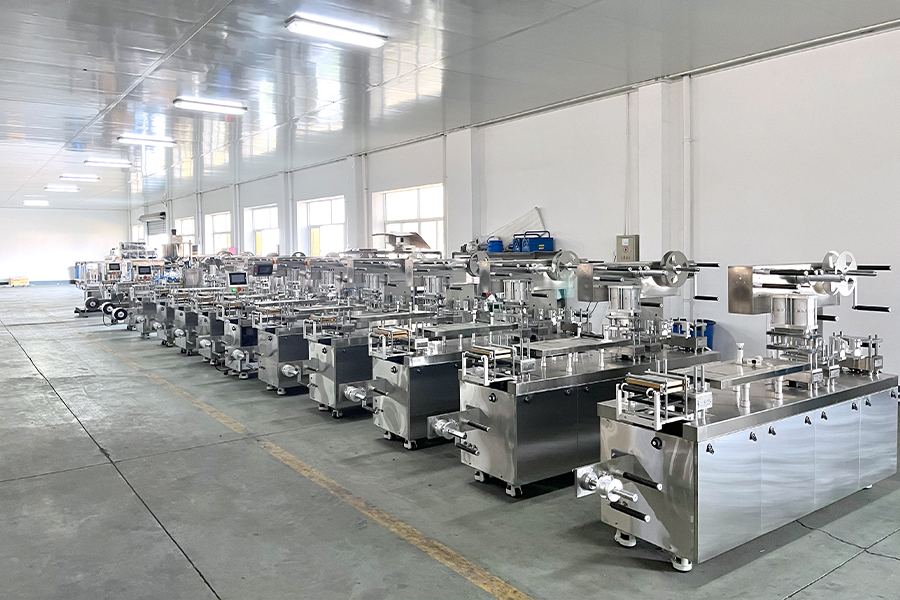
- Automate equipment. No hand-folding. 2025 prices dropped. Choose roll-film integrated machines. 2,000 units per hour. Rent first to test. Buy when stable. One week of training gets workers up to speed. Automation equals consistency. Return rates drop to 1%.
- Amplify marketing visually. Pouches have massive print real estate. Invest in 360-degree design. Tell your “sustainability story.” TikTok videos: tearing pouches versus pouring bottles. Fun comparisons. Partner with influencers. Tag “zero-waste lifestyle.” Conversion rates double.
- Hedge risk. Start small, then scale. First batch: 10,000 bags. Test the market. Iterate based on feedback. Monitor policy: China’s “dual carbon” subsidies favor pouch manufacturers. EU plastic bans force transitions. Build backup supply chains. Avoid raw material volatility.
Execute these steps. See results in three months.
Still hesitating? The brand next door already used pouches to steal 20% of your share.
Final Thoughts
Pouch Packaging Systems aren’t a trend. They’re the new normal.
They evolved from cost-saving tools into brand weapons. They force you to rethink the old “packaging equals expense” logic.
In 2026, whoever masters flexible packaging wins at the starting line.
Stop asking “is it worth it?” Start asking “when do I switch?”
The market won’t wait for you to figure it out.