
Preventing the “Leaky Capsule” Crisis: A Guide to Banding Tech for Pharma and Nutraceuticals
Capsule Banding Machines: Why 50-Year-Old Tech Is Suddenly Hot in 2026
Capsule banding machines seem boring. Just another pharma accessory. But here’s the weird part.
This tech is over 50 years old. Yet in 2026, it’s suddenly the darling of liquid-fill and nutraceutical markets.
Big pharma uses it to stop OTC drugs like Benadryl from leaking. Supplement startups slap on “tamper-evident” labels for brand cred.
But here’s the real question: Why are small players spending big on 15,000 capsules/hour machines when there’s overcapacity everywhere?
This isn’t about buying equipment. It’s a hidden supply chain war. The “liquid revolution” is rewriting the rules.
I used to think banding machines just plugged holes. I was wrong. They’re the invisible force pushing liquid-fill capsules from labs to bestseller lists.
Let’s rip off the surface. See what’s really going on. And figure out what it means for your business.
Background: Why Old Tech Is Making a Comeback
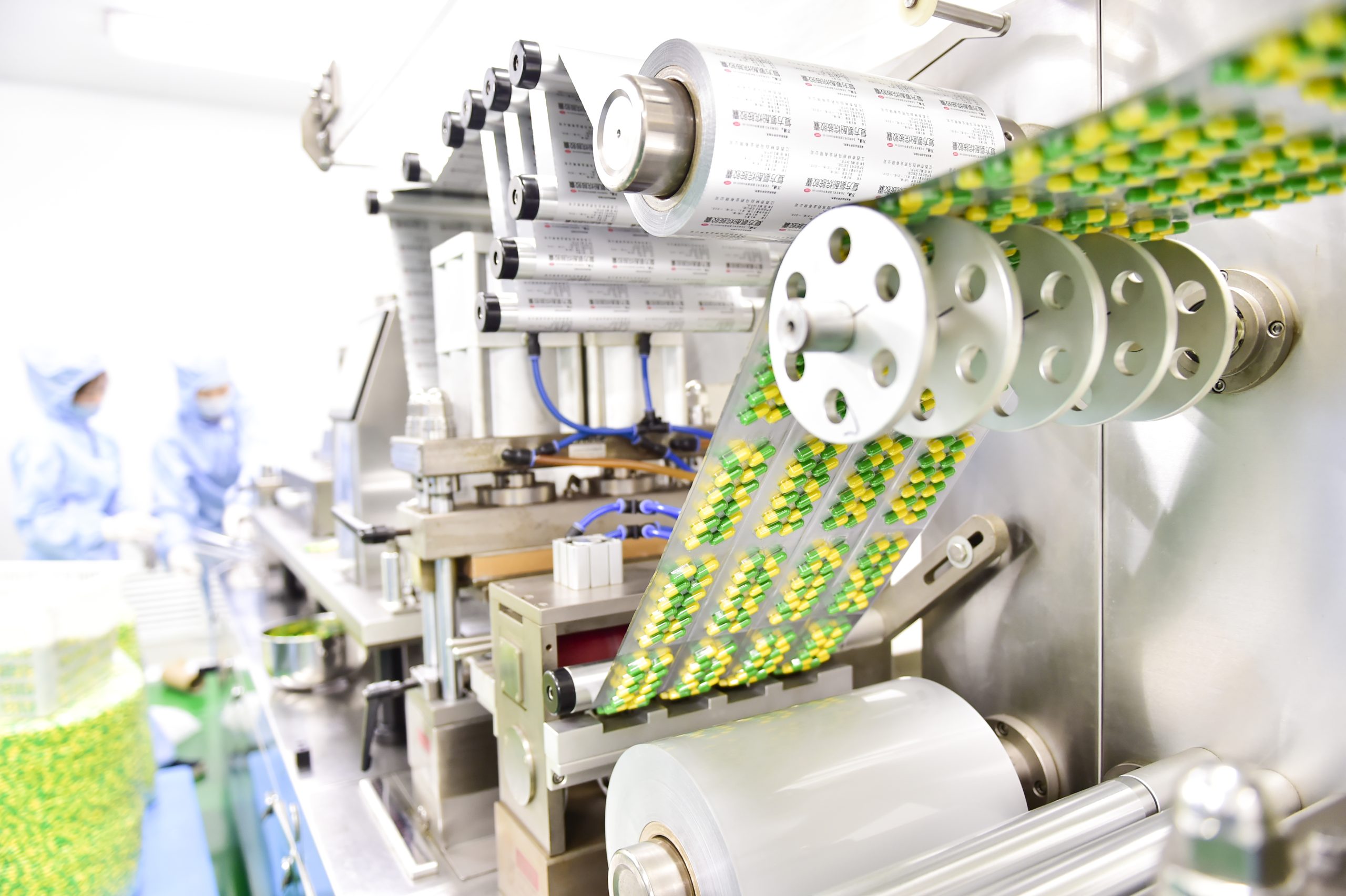
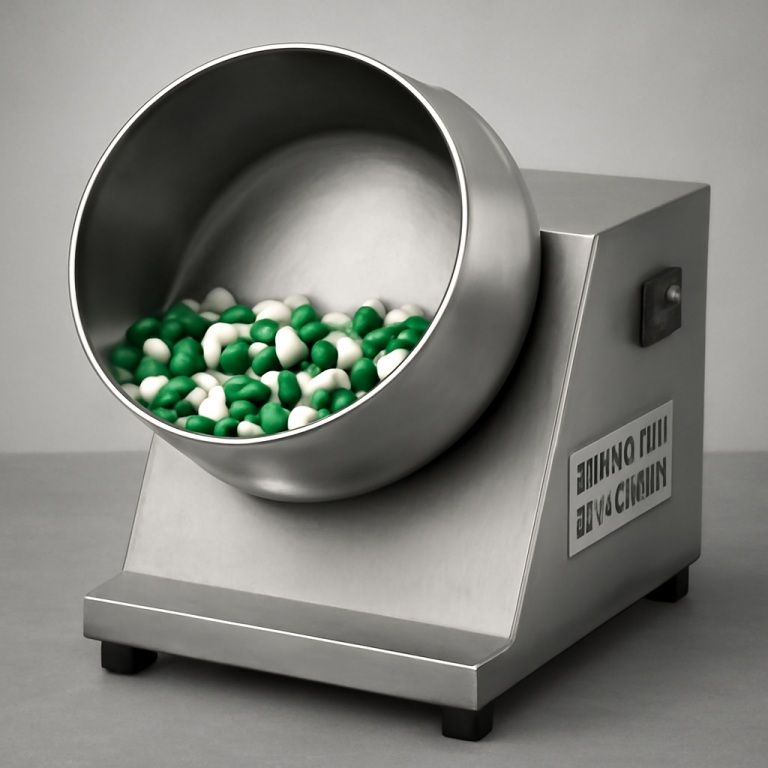
Capsule banding is simple. You coat the seam between cap and body with a thin gelatin or HPMC strip. Seamless seal. Done.
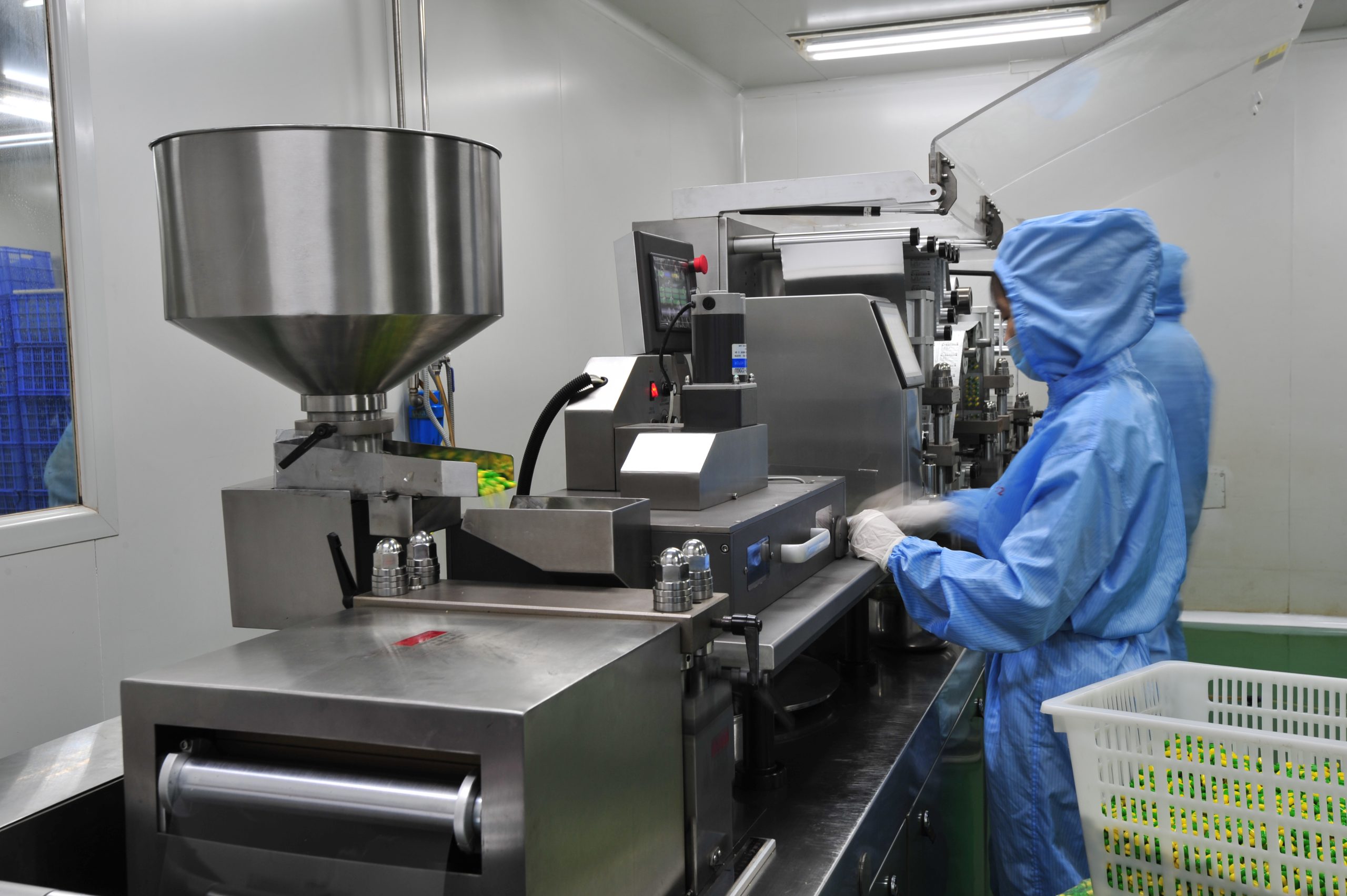
The process? Capsules roll over heated drums. They dip into liquid material. Air-dry. Eject.
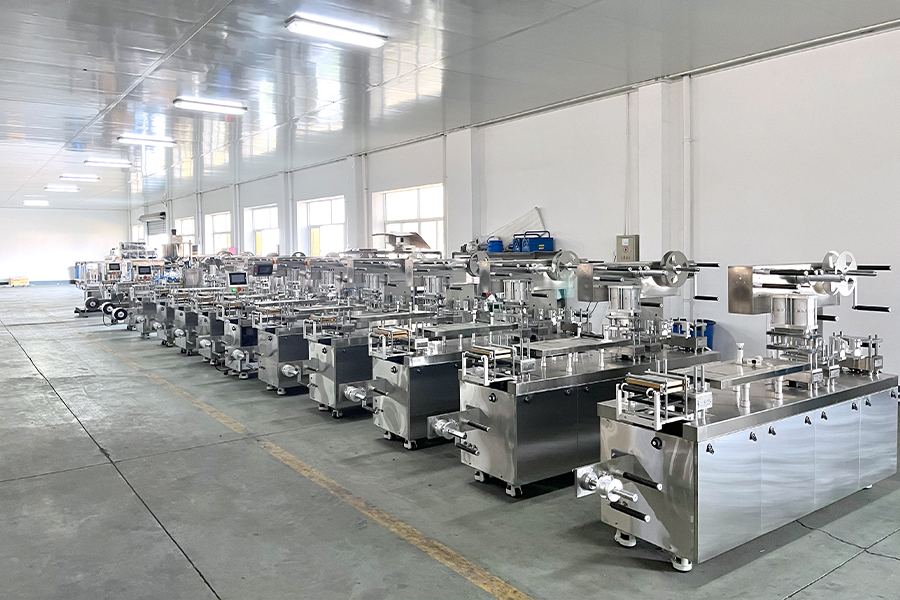
Schaefer Technologies’ CB-15 handles 15,000 capsules per hour. The LabTop version? Just 100 per hour. Perfect for clinical trials.
This tech isn’t new. It sealed powders, granules, and liquids back in the 1970s.
So why the sudden hype?
Here’s the contradiction: The global supplement market is shifting from powders to liquids and semi-solids.
Consumers love “fast absorption, no dissolving needed.” Liquid capsule market share is growing double digits in health supplements.
But traditional capsule design has pressure-release holes. Air and liquid escape through seams. Oxidation. Leaking. Sometimes capsules literally pop.
Then there’s the regulatory angle. After the 1980s Tylenol poisonings, FDA mandated dual tamper-evident packaging for OTC drugs.
Banding became essential. Once torn, the evidence is obvious. Nearly impossible to restore.
That’s why Rx and OTC products like Metamucil capsules and Zegerid rely on it.
The 2026 wildcard? Supply chain localization.
Post-pandemic, Western pharma got tired of depending on Asian capsules. They’re switching to proprietary banding kits. Think CapsCanada’s colored HPMC bands with Kosher/Halal certification.
Machines range from Australia’s Hermetica to North America’s LIQUIDCAPSULE contract manufacturing.
The irony? Big players have idle capacity. Small players are fighting over lab-scale equipment.
This contradiction exposes the real pain point. Liquid-fill has high barriers. But the rewards are juicy.
Analysis & Predictions: From Leak Prevention to Brand Moat
Let’s dig deeper. Banding machines aren’t just fixers. They’re guardians of the liquid capsule era.
Technical logic first. After filling, internal air pressure needs to release. Let capsules rest. Otherwise, bubbles destroy band integrity.
Heated rollers control temperature. Bands wrap 360 degrees. Result: liquid-tight, oxygen-free, odor-free seals.
HPMC versions support vegan and halal requirements. Colors can be Pantone-matched.
This isn’t just sealing. It’s brand styling.
Why will this explode? Three solid reasons:
- Liquid market is booming. Supplements are shifting from vitamin powders to high-value liquids. Fish oil. CBD oil. Banding solves leakage. Extends shelf life. No preservatives needed. North America’s LIQUIDCAPSULE claims largest contract manufacturer status. Outsourcing demand is surging.
- Regulatory tailwind. FDA recognizes banding as a “tamper-evident feature.” You only need one layer of outer packaging. Compared to shrink wrap, it’s more subtle and professional. After 2025, EU REACH regulations will align globally. Even small players can comply cheaply.
- Customization wave. Transparent bands are out. Colored bands are standard. Picture this: Your fish oil capsule with a branded gold ring. Consumers recognize it instantly. Competitors can’t copy it.
Bold prediction: By 2028, banding machine adoption will jump from 20% to 50%. Especially in nutraceuticals.
Why? Chinese capsule giants like Capsugel are pushing “band-integrated” solutions. Costs drop 30%.
But don’t celebrate yet. High-end machines like CB-15 will dominate. Lab machines become entry tickets.
Small players without equipment? Kicked out of the liquid game.
The real contradiction? Not overcapacity. It’s a shortage of high-end custom machines.
Reminds me of the last bull market. Coding machines went from “optional” to “essential.”
Banding machines will follow. Ignore them, and your product is “leaky and naked.”
What This Means For You
This isn’t equipment news. It’s a business survival issue.
For pharma manufacturers:
Liquid-fill is a high-margin blue ocean. Profit margins can hit 40%. But no banding equals high return rates.
Leaking and oxidation destroy reputation. With banding, tampering evidence is ironclad. FDA audits? Zero risk.
Look at Zegerid. It rode banding from prescription to OTC. Annual sales broke $100 million.
For supplement entrepreneurs:
Wake up. Consumers aren’t satisfied with powders anymore. They want “liquid fast-acting.”
But supply chain black holes exist. Asian air freight delays. Products spoil.
Banding machines give you quality control. Brand premium jumps 20%.
CapsCanada’s kits prove it. Colored bands equal visual barriers. Pantone matching boosts recognition. Repeat purchases skyrocket.
For big companies:
Outsourcing to LIQUIDCAPSULE is easy. But profits get squeezed.
Build your own line? Investment payback is just 18 months. A 15k/hour machine produces 100,000 capsules daily.
For small players, the truth is brutal:
No machine equals no liquid product line.
The LabTop is slow at 100/hour. But it’s perfect for clinical trials. It helps you land investors.
Ignore this, and you cut off your future. By 2026, liquid capsules will exceed 30% market share. Powder era is fading.
Macro view:
This means supply chain restructuring. Equipment localization reduces tariff risks.
If Chinese manufacturers push low-cost machines, they’ll eat into Western market share.
But high-end customization stays with players like Schaefer.
Bottom line: Those with banding machines win the leaky market. Those without? Left in the dust.
Ironic, right? 50-year-old tech making a comeback in the AI pharma age.
But here we are.
What Should You Do?
Stop watching from the sidelines. Take action. Here are 5 moves. Works for small to mid-sized operations.
1. Run a leak audit this week.
Grab some liquid-fill capsules. Let them sit 48 hours. Check seams for oil. Oxidation. Color change.
If over 5% fail, get banding immediately.
Low budget? Start with CapsCanada’s 1kg kit plus manual loader. Test your ROI.
2. Choose machines wisely. Don’t go cheap.
Lab work? LabTop at 100/hour is enough for clinical trials.
Production scale? CB-15 at 15k/hour. Add a Slat Loader to save labor.
Australia’s Hermetica excels at dust prevention.
Do the math. 50,000 capsules daily means 12-month payback.
3. Custom bands grab attention.
Ditch transparent. Go gold for fish oil. Green for vegan.
Work with suppliers on formulas matching your oil fills.
Result? Stand out on shelves. E-commerce conversion up 15%.
4. Lead with compliance. Ride the FDA wave.
Banding earns you credit. Bottle only needs foil seal.
Update labels: “Tamper-Evident Band.” Marketing bonus.
EU operations? Get REACH certified too.
5. Close your supply chain loop: Build or outsource?
Under 100k monthly? Outsource to LIQUIDCAPSULE.
Above that? Buy machines. Train staff. One week to learn.
Partner with capsule makers like Capsugel. Request “pre-banded hole” designs. Efficiency doubles.
Execute these. See results in 3 months.
Still hesitating? Competitors are already launching colored-band products.
Summary
Capsule banding machines evolved from leak-stoppers to brand weapons. They’re catching the liquid revolution wave.
They solve three pain points: leaking, oxidation, tampering. They unlock high-margin opportunities.
The contradiction exists. Old tech, new applications. But the logic is clear.
First movers eat. Latecomers starve.