
PVC Blister Packaging Industry In-Depth Analysis in 2026: Green Transformation is Urgently Needed
The Double-Edged Sword of Cheap Transparency: Why PVC Blister Packaging Is Under Fire
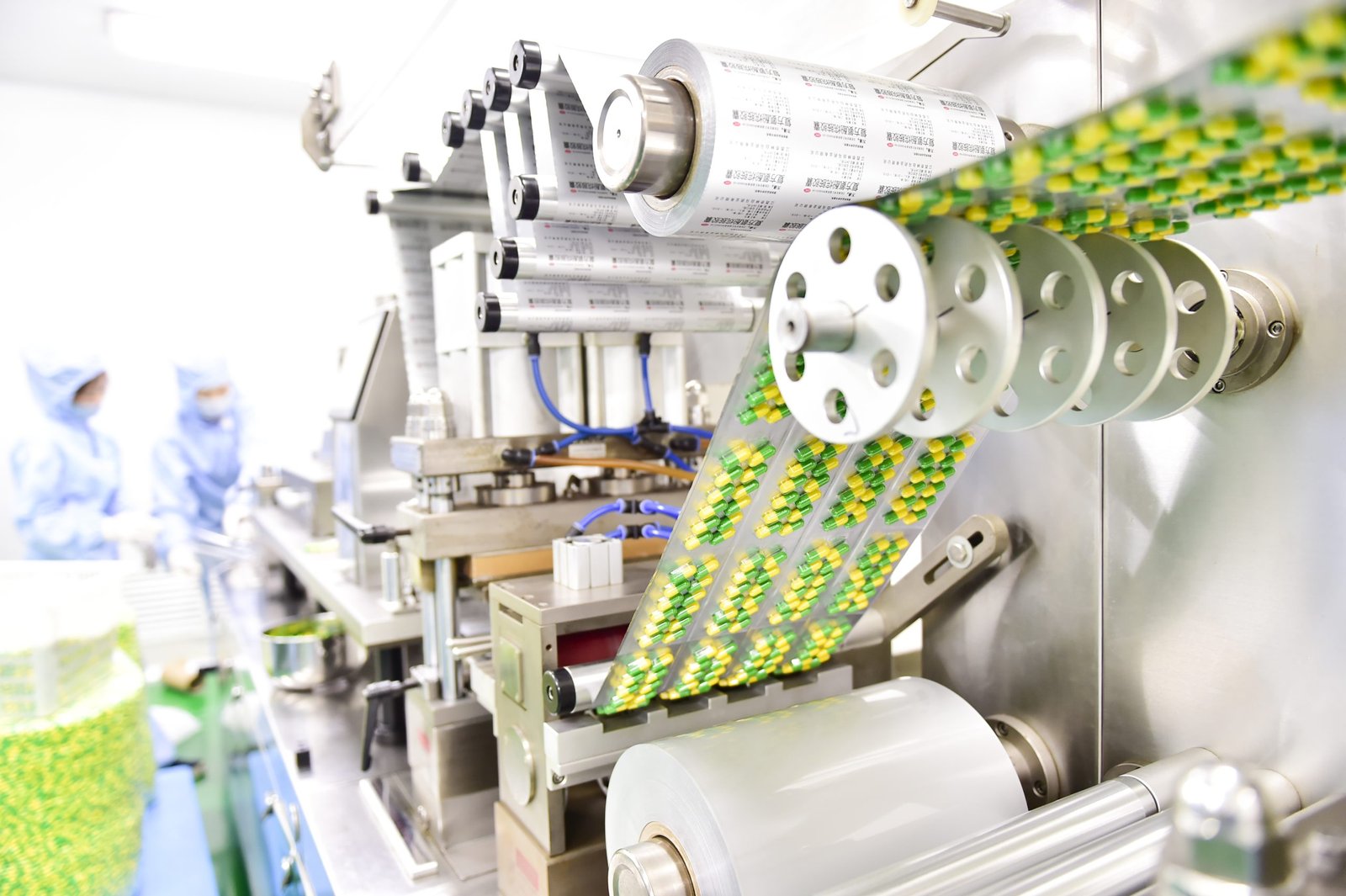
Picture those crystal-clear pill packs on pharmacy shelves. That’s PVC blister packaging. It uses rigid polyvinyl chloride sheets to create pre-formed plastic cavities. A paperboard or aluminum foil backing seals the deal. Products nestle inside. Heat sealing and vacuum forming lock everything in place.
This packaging blocks moisture, dust, and impact damage. Consumers see exactly what they’re buying. You’ll find it everywhere. Pharmaceuticals. Electronics. Cosmetics. Household goods.
But here’s the ugly truth. PVC sits on a throne built from low costs and high clarity. Yet environmental activists call it “plastic poison.”
Looking back from 2026, the pressure is relentless. The EU’s plastic tax. America’s REACH regulations. China’s “dual carbon” strategy. All eyes are on PVC.
Why the hate? PVC production guzzles petroleum. Recycling is a nightmare. Burning it releases hydrogen chloride gas. Environmental disaster.
Still, businesses cling to this cash cow worth hundreds of billions annually.
So here’s the million-dollar question. How long can PVC blister packaging survive? Will it prove its worth? Or will PET and bio-based materials crush it completely?
I used to think swapping materials was simple. Just pick something else. Problem solved.
Wrong.
Deep research revealed the truth. This is a life-or-death gamble for entire supply chains. Raw material prices swing wildly. Retail compliance pressure mounts. PVC’s “cheap miracle” teeters on collapse.
Why Does PVC Still Rule the Shelves?
Hold the funeral. Let’s examine PVC’s winning hand first.
Its secret weapon? That rigid PVC film, typically 200-300 microns thick. Without plasticizers, this stuff is rock-hard. It hugs product shapes like custom-fitted armor.
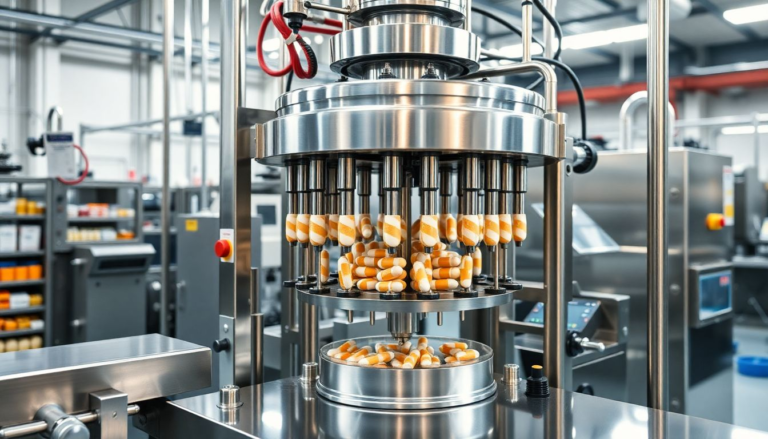
The process is elegant. Heat softens the material. Vacuum forming shapes it. Heat sealing with paperboard or foil locks products in transparent chambers.
Clarity is stunning. You can spot tiny engravings on pills. Cost-wise, it beats PET by over 30%. Production lines pump out hundreds of millions of units.
Pharmaceuticals practically worship PVC. Here’s why.
Water vapor transmission rate holds steady around 3g/m²/day. Oxygen transmission hits roughly 20mL/m²/day. Most pills stay fresh for two years. Perfect.
Then there’s the “push-through” magic. Press your finger. The PVC collapses plastically. Pills pop out. Consumers love it. High-speed production lines love it more.
But danger lurks beneath these advantages.
Pure PVC offers limited barrier protection. High humidity causes permeation problems. Industry fixes this with PVDC coatings or PCTFE composites. Multi-layer solutions boost performance but spike costs. Environmental accounting gets messy.
Global plastic production exceeds 400 million tons annually. PVC claims about 10%. Blister packaging devours a massive chunk.
Since 2025, oil prices rebounded. Vinyl chloride costs jumped 15% from rock bottom. Downstream manufacturers are screaming.
Remember the pandemic? Mask and test kit blister packaging demand exploded. Recycling rates? Under 20%. Behind the boom lay mountains of plastic waste.
The core contradiction is clear. PVC packaging isn’t just product protection. It symbolizes linear plastic economics. Ethical and regulatory pressure has never been higher.
Is PVC’s “Doomsday Prophecy” Legit?
Here’s my bold prediction. PVC blister packaging will lose at least 30% market share within 3-5 years. PET and recyclable alternatives will devour that territory.
The logic is straightforward. Start with macro trends.
Global “de-plasticization” is raging. The EU mandates 50% recyclable content in pharmaceutical packaging by 2026. California banned certain single-use PVC products. China’s “dual carbon” goals target high-chlorine plastics.
PVC recycling is brutal. Separating it from household waste costs a fortune. Incineration produces toxic fumes.
PET offers a better path. Higher strength. Comparable clarity. Infinite recycling potential. rPET (recycled PET) is surging. It already claims 20% of cosmetics packaging.
Numbers don’t lie. The 2025 global blister packaging market topped $50 billion. PVC still holds 60%. But growth crashed from 8% to 3%.
PET? Growing at 12% annually. Bio-based PLA started late but major European and American pharma companies are piloting it.
Modern blister machines switch from PVC to PET seamlessly. Just tweak temperature controls. Conversion costs stay manageable.
Now zoom into the battlefield.
Pfizer switched some premium products to Aclar (PCTFE composite alternative). Costs rose 20%. Long-term compliance risks disappeared.
Walmart ordered suppliers to halve PVC usage by 2027.
Supply chain fractures are multiplying. Upstream PVC plants face environmental production limits. Downstream businesses risk inventory pileups and channel rejection.
But let me be clear. PVC won’t vanish overnight.
It has one final trump card. Composite upgrades. PVDC coatings or multi-layer co-extrusion can double barrier performance. Total costs still undercut premium PET.
In Asian markets, especially China and India, environmental enforcement varies. PVC gets a few more years to breathe.
The future splits two ways. European and American premium lines will ditch PVC first. Low-end and emerging markets might keep it alive until around 2030.
What Does This Transition Mean?
Pharmaceutical companies feel the heat first.
They consume 40% of blister packaging. Pills and capsules hate humidity. Forcing a PVC-to-PET switch could raise packaging costs 10-15%. Generic drug makers with razor-thin margins will bleed.
Worse, if PET can’t replicate that “push-through” feel, patient brand loyalty might suffer.
Consumer goods merchants face different nightmares.
Batteries, razors, and toys hanging on supermarket hooks rely on PVC’s transparency. Material changes that increase haze could slash sales 5-10%.
Then there’s inventory depreciation. Millions of old PVC packaging cards sit in warehouses. Once regulations hit, their value drops over 50%.
Supply chain players get hurt too.
Many small packaging factories have 70% of production lines locked into PVC processes. Equipment upgrades cost hundreds of millions. Cash flow collapse looms.
At retail, consumer “green consciousness” is awakening. Products with eco-labels sell better. Even at a small premium.
Big picture? This transition wave will push industry-wide costs up 3-5%. Under inflation pressure, over 20% of small businesses may fail.
But opportunity hides here too. Whoever cracks PET’s heat-sealing challenges first captures the compliance wave’s early rewards.
What Should You Do?
- Audit inventory. Stock smart. Stop blindly hoarding PVC materials. Keep roughly three months of buffer stock. Watch international oil prices closely. Before transitioning, burn through existing inventory. Convert fixed assets to cash.
- Launch “dual-track” testing. Find packaging suppliers with PET capabilities. Run small-batch pilots. PET costs about 12% more. But that “recyclable” label commands marketing premiums. Pharma companies should start with OTC products.
- Upgrade composites. Buy time. Can’t abandon PVC yet? Switch to PVDC coatings or COC laminated versions. These improved materials boost barrier performance by 50%. They satisfy environmental requirements. Existing equipment needs only minor adjustments.
- Rebuild your supply chain ecosystem. Don’t fight alone. Form strategic alliances with upstream material suppliers and equipment manufacturers. Share mold libraries. Negotiate bulk conversion agreements. Split costs. Chase government “dual carbon” funds. Apply for green transition loans.
Conclusion
PVC blister packaging’s rise and fall represents a collision. Industrial-age “efficiency first” thinking versus green civilization’s “sustainable development” demands.
Extreme cheapness and transparency ruled shelves for half a century. But global regulatory chains are tightening. Material science keeps advancing. This veteran’s dominance is shaking.
For business owners, this isn’t just a material swap. It’s a reckoning about brand values and survival boundaries.
Future packaging competition won’t just be about lowest prices. It’ll be about who delivers superior protection with minimal environmental cost.
Pain is inevitable. But companies that pivot first in this “green storm” will claim the most prominent shelf positions in the next decade.