
Spray Dryer: From “Expensive Toy” to Pharmaceutical Must-Have
Ever wonder how those machines that look like giant coffee makers changed the drugs and foods we use daily?
I got curious when someone on Quora asked how spray dryers actually work. The term sounded technical and foreign to most people. But digging deeper, I found spray dryers are everywhere around us. Milk powder, pills, coffee grounds, supplements—they all depend on this machine.
“What’s the Magic Here?”
On Reddit’s ChemicalEngineering board, an intern posted asking for help. “Company wants me on a spray drying project. I know nothing. Any basic advice?” The post got tons of responses from industry folks.
One chemical engineer with five years in pet food explained it this way: “Picture the liquid state during startup. Watch temperature and pressure changes. Understand how the dryer behaves at steady state. Then learn to spot signs of clogging.”
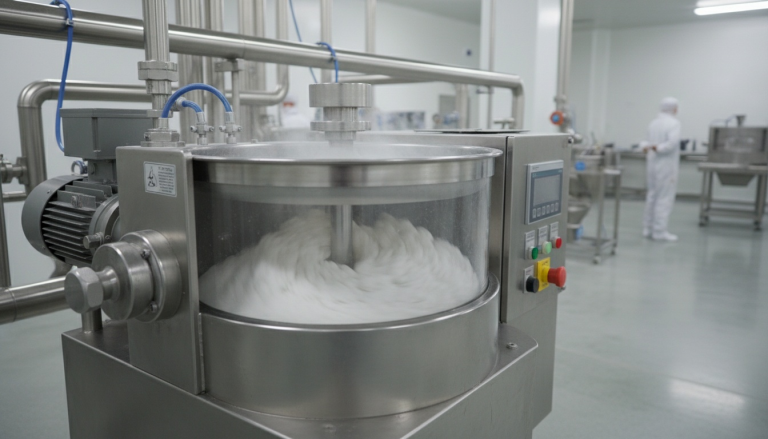
Still sounds abstract? Here’s the simple version. Spray drying turns liquids into powder. Liquid sprays through special nozzles into tiny droplets. Hot air hits them. Water evaporates instantly. Dry particles remain. The whole thing happens fast—just milliseconds.
“Energy Monster” or “Efficiency King”?
Someone on Reddit complained spray drying “burns massive energy.” They’re right about that.
Industry data shows it’s one of food processing’s most energy-hungry operations. Typical efficiency runs only 20-40%. But here’s the interesting part. Despite high energy use, it converts solution directly to dry powder in one step. That simplifies the process and boosts profit margins.
As one industry pro said on Quora: “Higher inlet temperature, lower outlet temperature, faster drying—but the powder holds more moisture.” That’s the real-world tradeoff. Want speed? Accept some imperfection.
Pharma’s “Love-Hate Thing”
In pharmaceutical manufacturing, spray drying gets complicated.
The benefits are clear:
It improves bioavailability. Many drugs stay stable as crystals but dissolve poorly. Spray drying creates amorphous solid dispersions. That boosts dissolution rate and bioavailability significantly.
It masks bitter tastes. Nobody likes bitter medicine. Encapsulation through spray drying makes pills easier to swallow.
It produces ultra-fine powders. As inhalation delivery grows popular, spray-dried microparticles work perfectly for lung delivery.
But challenges are real:
Equipment costs big money. As one CDMO noted: “Nozzles clog easily. Rotary atomizers corrode.” Maintenance isn’t cheap.
It’s not universal. Only atomizable liquids work. Some substances melt in hot air. They’re unsuitable.
The technical bar sits high. A Reddit user mentioned few manufacturing plants understand spray drying technology well. Especially in product and process development.
Industry Now: From “Luxury” to “Standard”
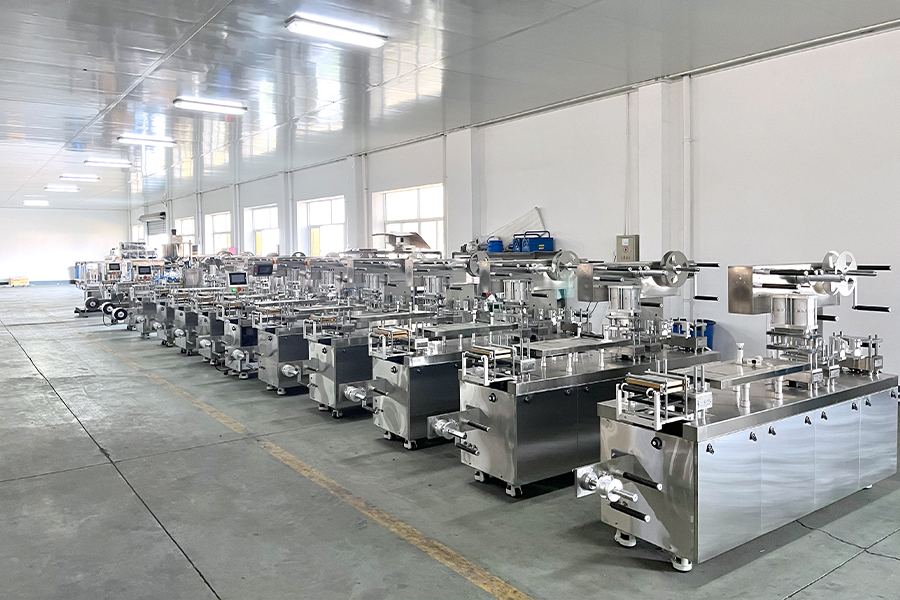
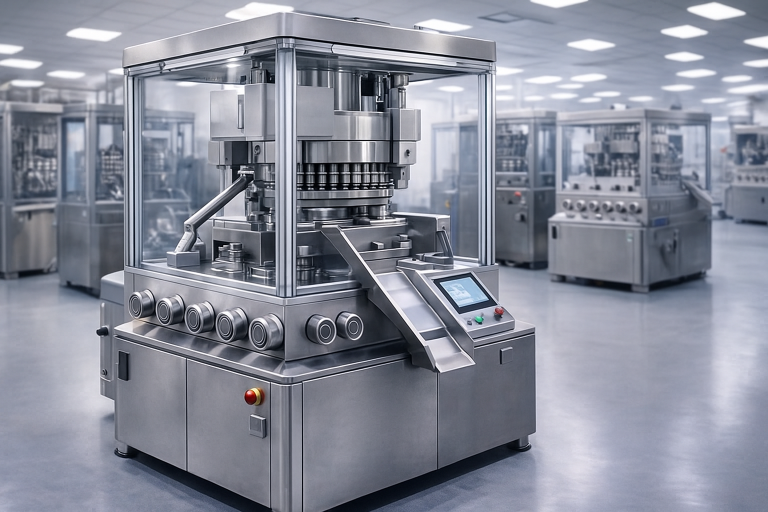
Interestingly, searching solid dosage equipment manufacturers revealed something. Spray dryers went from “high-end luxury” to “industry standard.”
A pharma equipment tech revealed: “Equipment cost is 40% of total investment. The other 60% covers validation, training, and 10 years of operations.” That reminds us buying equipment is just step one. Using it well matters most.
Choosing between spray dryers and hot air circulation ovens depends on needs. Circulation ovens suit batch production better. Lower cost but limited capacity. Spray dryers fit continuous large-scale production. Higher upfront cost but better long-term returns.
Future Trends: Digital Twins Arrive
What impressed me most was Siemens mentioning digital twin technology for spray drying. Simulation optimization cuts airflow irregularity from 15% down below 5%.
What does that mean? More stable product quality. Lower energy use. Less waste material.
Final Thoughts
Back to that intern’s question. If this seemingly complex equipment interests you, remember these points:
Understanding basic principles beats memorizing all parameters.
Real-world tradeoffs often matter more than textbook theory.
High energy use isn’t necessarily bad. Overall efficiency is what counts.
Technology advances but basic physics stays constant.
In this era chasing both efficiency and quality, spray drying technology will keep evolving. Maybe one day we’ll see more energy-efficient, smarter versions. But right now, it’s already changed our lives enough.
What do you think? Next time you see a milk powder can or pill bottle, will you think about these “unnoticed” industrial machines behind them?