
Sterile Powder Filling: Why It’s Pharma’s Biggest Headache
Ask any pharma engineer about their worst nightmare. Nine out of ten will say: Sterile Powder Filling.
This isn’t tech mysticism. Quora and Reddit pharma communities are full of horror stories. “Powder flies everywhere—total disaster.” “Every validation feels like gambling with your career.” One newbie pharmacist in an IV room watched liquid spray from a needle. Hands shaking for hours.
Behind these stories lies an uncomfortable truth. Putting powder into bottles sounds simple. It’s actually a war against contamination, precision, and stability.
Powder’s “Personality”: Harder Than Liquids
Ever poured flour into a small jar? Powder flies everywhere. One shaky hand, and your counter’s a mess.
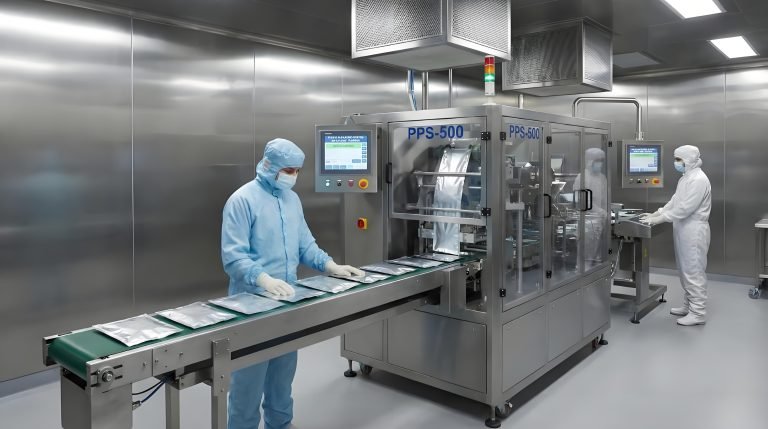
Now imagine that in a pharmaceutical cleanroom. Add “absolutely sterile” as a hard requirement.
Welcome to pharma life.
VxP Pharma’s Cherish Robinson said it bluntly: “Lyophilization’s biggest problem? It creates chaos.” All sterile powders share this trait. No surface tension like liquids. Particles scatter at the slightest disturbance.
A Reddit packaging tech shared his experience: “Powder filling in pharma is brutal. Ideally, send real product to the OEM. Let them develop custom augers, hoppers, and funnels. Then evaluate extras—vibrating hoppers to prevent clumping, screens for separation, agitator blades for mixing…”
He added: “But in pharma, you often can’t send real product. You use placebos instead. They behave completely differently.”
The core problem: flowability, static, humidity sensitivity. Each parameter affects speed, accuracy, and sterility.
Airborne powder spikes contamination risk. It also makes reconstitution difficult. Entire batches become compromised. Worse, some drugs (beta-lactam antibiotics, cephalosporins) are unstable in liquid form. They must stay dry until use. Sterile powder filling isn’t optional—it’s mandatory.
Environmental Humidity: The Invisible Killer
A Quora article on dry powder injectables highlighted an overlooked challenge: environmental humidity.
“Many drugs are unstable in aqueous environments. They can’t be ready-to-use injectables. They’re supplied as dry powder, reconstituted before use.”
Translation: Some drugs “spoil” when they touch water. They must stay dry. But air contains moisture.
A pharma tech shared her IV room internship on Reddit. First time drawing sodium chloride powder with a needle. She didn’t understand “why the needle opening can’t touch air inside the vial.”
Halfway through, liquid sprayed from the needle.
“I panicked,” she wrote. “Later I learned—the vial is pressurized. You must inject air first to balance pressure. Otherwise, it sprays.”
An experienced pharmacist explained: “Vials are sealed under pressure. To draw 20ml, pull the syringe to about 15ml first. Slowly inject air. Then draw liquid. This balances pressure.”
This reveals another challenge: technical specs are extremely strict. Much knowledge passes only through mentorship. One small mistake contaminates entire batches.
The Precision Battle: Milligram-Level Warfare
Liquid filling is “pouring water.” Powder filling is “counting grains of rice.”
A Reddit entrepreneur asked for help: “I want a custom vitamin powder machine. Some ingredients (like caffeine) need milligram precision (50-200mg). Others reach 8 grams per pack. I need a semi-automatic machine with flexible multi-hopper dispensing.”
Sounds reasonable. Experts crushed his dreams: “Multi-ingredient, custom-ratio powder filling? Almost no off-the-shelf equipment handles that. Custom development costs millions. Or hire humans—millions buys many years of labor.”
Powder filling precision means fighting physics.
All-Fill summarized key factors affecting auger filling accuracy:
- Product density: Same volume, vastly different weights
- Temperature and humidity: Environment changes cause clumping or loosening
- Tooling: Auger design and hopper shape affect flowability
- Static electricity: Particles attract or repel, throwing off measurements
One practitioner lamented on Reddit: “I’ve built liquid filling machines. They work great. But powder? How do you make a machine dispense exact amounts every time? I have no clue.”
For pharma, precision anxiety is deadly. An antibiotic with 10mg extra might be fine. 10mg short might not cure the patient. In sterile environments, you can’t repeatedly weigh and adjust. Each opened cap increases contamination risk.
The Ghost of Contamination: Humans Are the Enemy
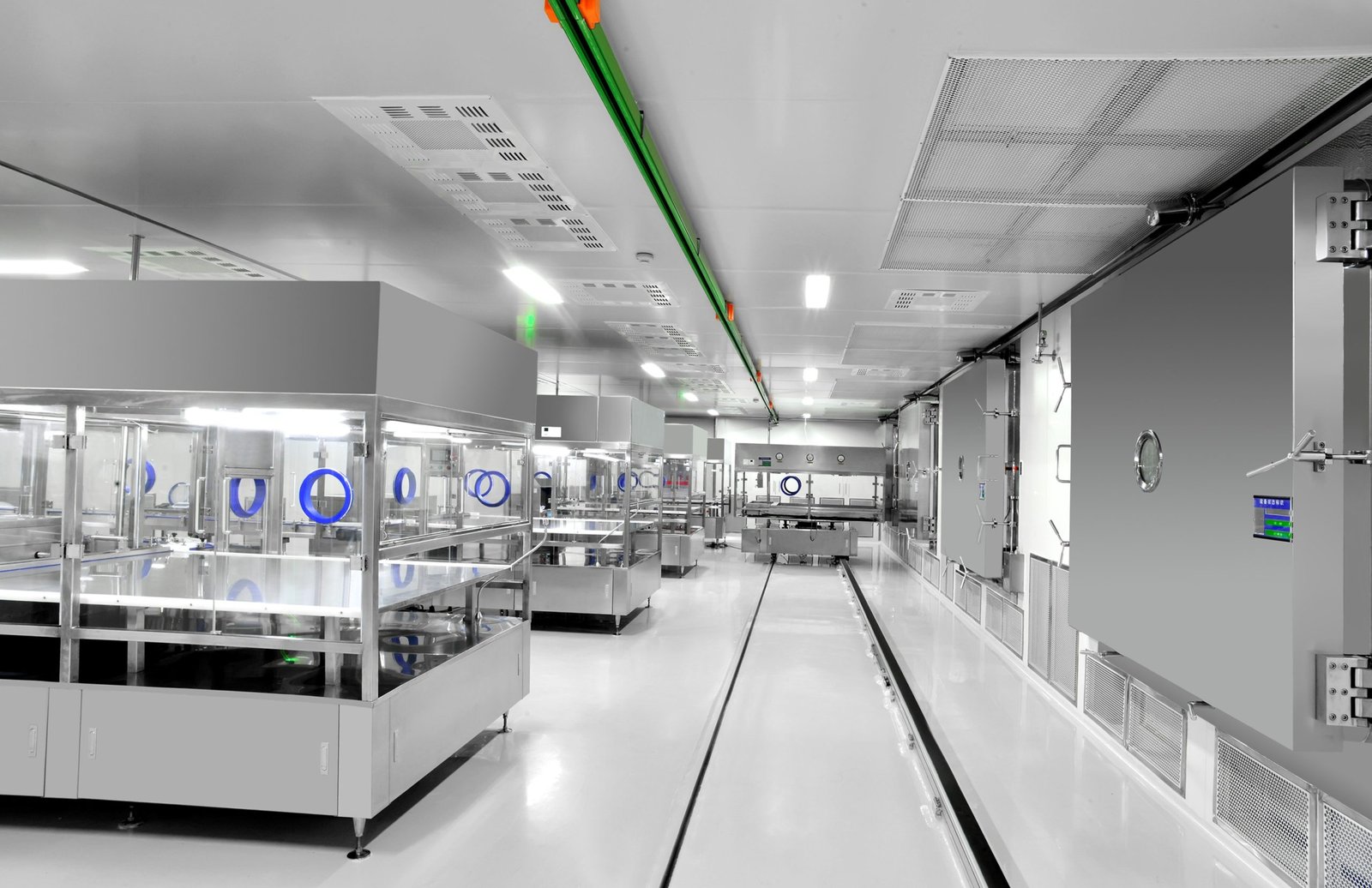
One consensus appears in every sterile powder filling discussion: Human operators are the biggest contamination source.
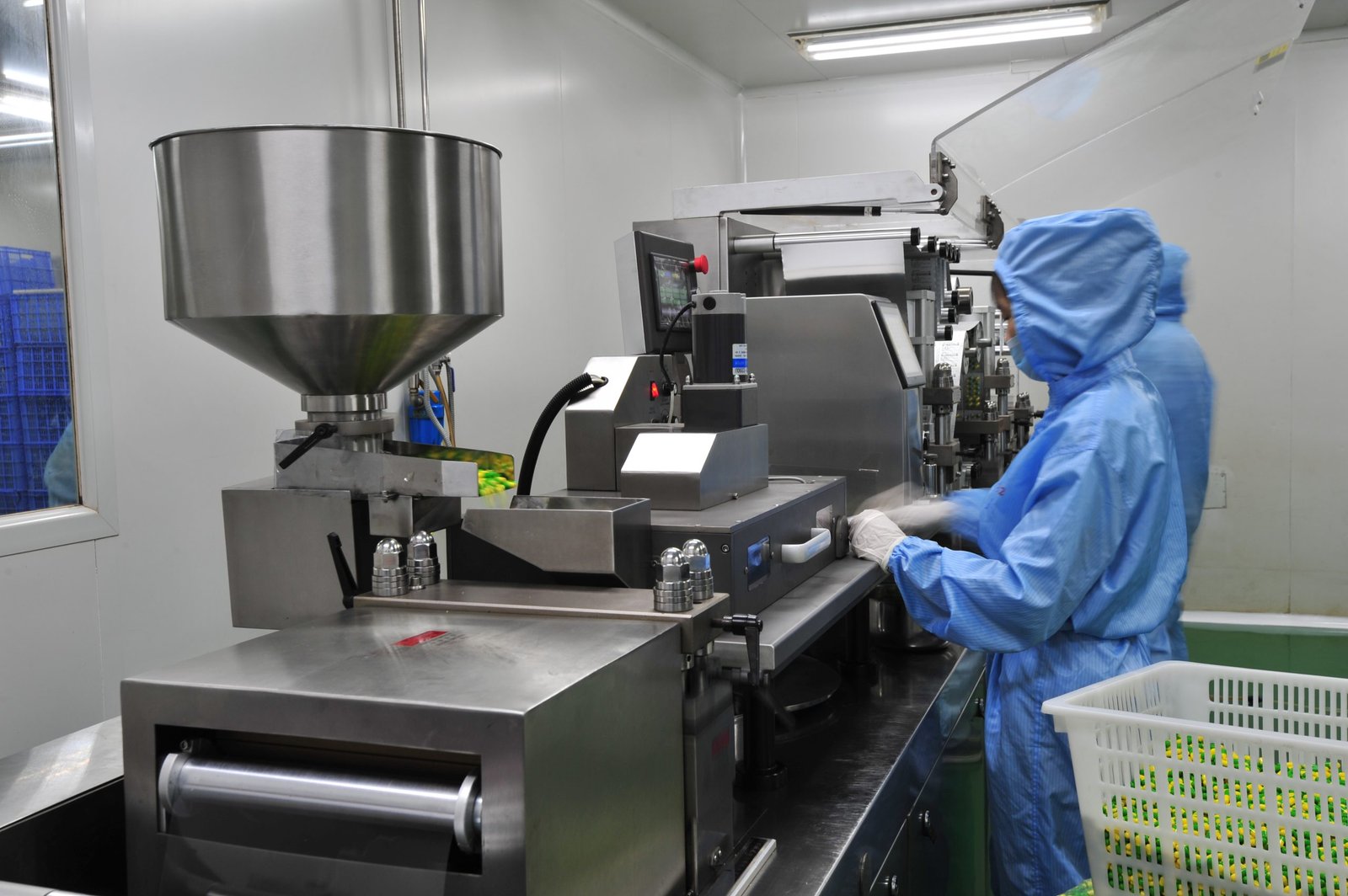
Cleanroom Technology stated it plainly: “The greatest source of potential viable contamination comes from people—operators running the filling process.”
That’s why cleanroom rules seem “insane”:
- No makeup: A new pharmacist asked on Reddit, “What counts as cosmetics? Lipstick’s obviously banned. What about lip balm? Eyebrow pencil?”
- No jewelry: Wedding rings harbor bacteria in crevices
- Watch your words: Droplets carry microorganisms. Talk less.
A pharmacist sharing IV room experience reminded newbies: “Aseptic technique is pure muscle memory. Once habituated, it becomes second nature.”
She listed details:
- Which parts you can touch, which you absolutely cannot
- How to open caps one-handed without contaminating
- Which syringe parts must never be touched
Here’s the paradox: reducing human intervention requires automation. But when automated equipment fails, humans must intervene for repairs. Every intervention is a contamination gamble.
PharmaTech’s 2025 article noted: “Sterile process improvements aim to reduce operator intervention. But interventions remain unavoidable—and they increase contamination risk.”
Lyophilization: The Extended Battle
Many sterile powder products use lyophilization (freeze-drying). Sounds fancy: freeze the drug solution, then sublimate ice into vapor under vacuum. Dry powder remains.
Perfect in theory. In practice? Disaster.
BioPharm International was blunt: “Lyophilization faces complex challenges. The biggest problem: extremely high contamination risk. Products stay exposed to the environment for extended periods.”
A typical lyophilization cycle takes 24-72 hours. Throughout, products remain open. Any airflow fluctuation, any dust particle, can ruin entire batches.
Lyophilization isn’t universal either. 3P Innovation summarized common formulation problems:
- pH shifts during freezing can inactivate drugs
- Cold denaturation: Some proteins “fall apart” at low temperatures
- Limited excipient choices: Not all stabilizers survive freeze-dry cycles
R&D teams face a dilemma: Skip lyophilization, drugs are unstable. Use lyophilization, processes become nightmarishly complex. Costs double.
Some startups explore alternatives—spray drying with direct syringe filling. But new tech means new validation cycles. New regulatory approvals. In pharma, every change costs dearly.
Equipment Selection: No “Best,” Only “Best Fit”
When a pharma company decides to build a sterile powder filling line, procurement discovers: no one-size-fits-all solution exists.
Powder Filling Machine selection depends on countless variables:
- Batch size: Small batches and large-scale production need completely different equipment
- Container type: Vials, pre-filled syringes, sachets—each has technical hurdles
- Powder characteristics: Good flowability allows automation. Poor flowability may need manual assistance
- Regulatory requirements: FDA, EMA, WHO GMP standards each have different focuses
A Reddit entrepreneur wanted equipment handling 10 different ingredients with custom ratios. An insider replied: “Ideally, outsource pre-mixed powder to professional filling companies. If you DIY, equipment purchase and validation costs alone might eat all your profits.”
This reveals a harsh reality: sterile powder filling barriers aren’t just technical. They’re economic.
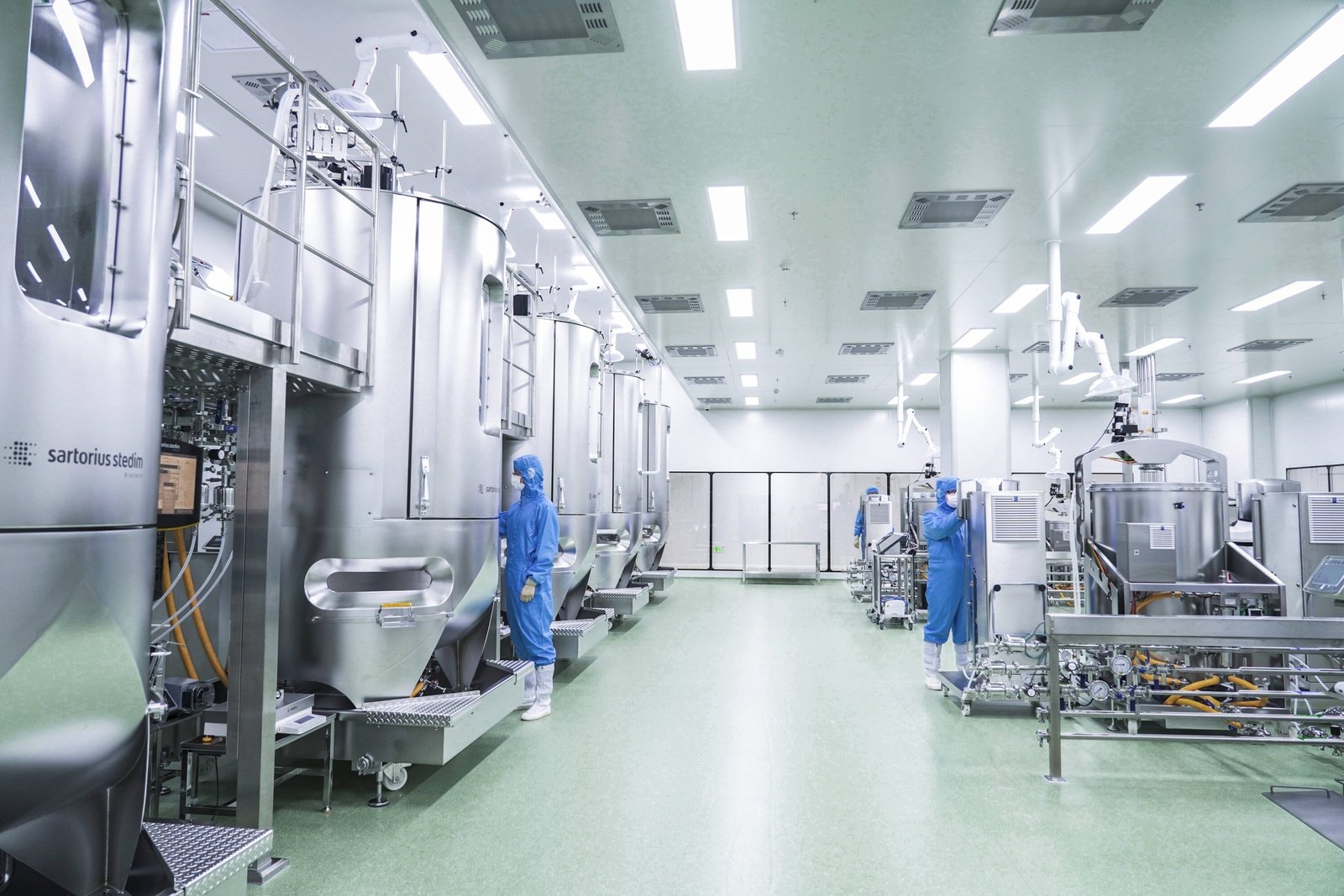
Many small biopharma companies partner with CMOs (Contract Manufacturing Organizations). They outsource filling to specialists. These Pharmaceutical Equipment Manufacturers have mature production lines, validated processes, and FDA-audited quality systems. Startups can’t replicate these quickly.
Validation Nightmares: Every Change Triggers Audits
Pharma has a saying: “Equipment validation costs more than the equipment.”
A Reddit veteran with 24 years in pharma validation did an AMA. Someone asked: “Why validate each unit of identical equipment separately?”
His answer was painfully funny: “In pharma, every piece of equipment needs validation. Our only exception is calculators—but they’re still registered.”
Another engineer added: “Even identical models differ. Installation environment, operators, supporting systems—all affect performance. So each unit gets validated from scratch.”
Validation includes:
- Installation Qualification (IQ): Is equipment installed correctly?
- Operational Qualification (OQ): Do all functions work?
- Performance Qualification (PQ): Can it consistently produce qualified products?
For sterile powder filling lines, add:
- Media Fill: Use culture medium instead of drugs. Run the entire process. Incubate to check for bacterial growth.
- Cleaning Validation: Prove equipment cleaning leaves no residue contaminating the next batch.
A QA person vented on Reddit: “Sometimes stopping production for minor compliance issues is more dangerous to patients than releasing slightly flawed product. But regulations are regulations. No negotiating.”
This contradiction is especially sharp in sterile powder filling: more complex processes mean higher failure probability. More optimization attempts mean longer regulatory approvals.
Conclusion: Why Keep Fighting This Battle?
After all these difficulties, you might ask: if sterile powder filling is this painful, why not just make everything liquid?
The answer is simple: Some drugs only save lives in powder form.
Many biologics, antibiotics, and cancer drugs degrade rapidly in liquid. Freeze-dried into powder, they store at room temperature for months or years. They ship to remote areas. They reconstitute when needed most.
That’s why, despite challenges, global Pharmaceutical Equipment Manufacturers keep investing in R&D. They improve Powder Filling Machine precision, speed, and reliability. Vacuum filling technology. Single-use systems. Automated robotics. Real-time monitoring. Each advancement makes sterile powder filling safer and more efficient.
Sterile powder filling will never be easy. But pharma professionals battling powder, pressure, and microbes in cleanrooms sustain modern medicine’s lifeline.
Next time you get an antibiotic powder requiring reconstitution, think about it. That small vial hides countless sleepless engineering nights. Failed validations followed by restarts. Relentless searches for contamination sources under microscopes.