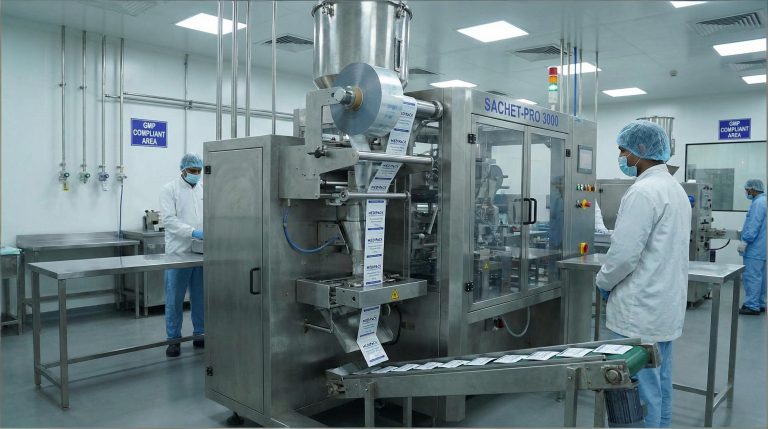

Tablet Coating Evolution: Why Dry Powder is Outpacing Traditional Sugar Coating in 2026
Traditional Sugar Coating vs. High-Tech Dry Powder: Who Wins the Pharma Game?
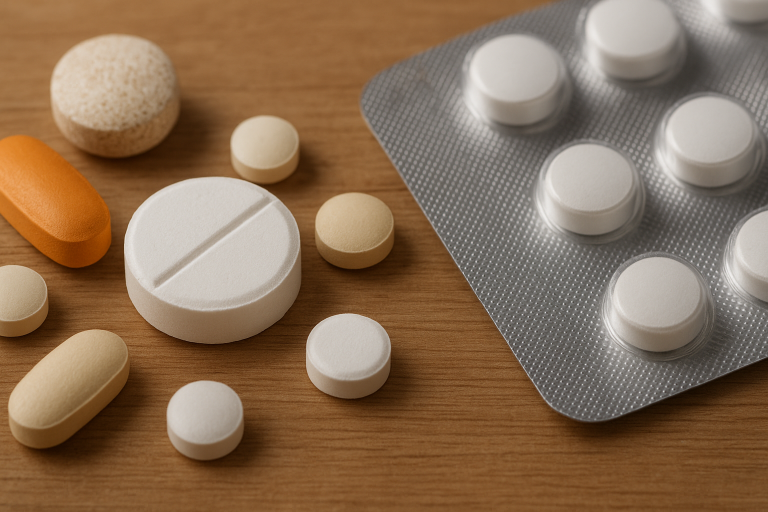
Tablet coating sounds simple. Just wrap a thin film around a pill. But it’s way more complicated than that.
The global pharma market exceeds a trillion dollars. Tablets dominate half of it. Yet coating remains a contradiction. Traditional sugar coating looks pretty. Layer after layer of syrup, color, polish. But it hides a ticking time bomb: low efficiency, high costs, environmental damage.
Meanwhile, dry powder electrostatic coating and Supercell technology are storming in. They promise zero solvents. Uniform coverage. Eco-friendly efficiency.
Why does this “surface engineering” keep pharma bosses up at night? Simple. Old methods drain budgets. New tech struggles to scale. By 2026, who survives?
I used to think coating was a minor step. Press the tablet. Done. Then I realized it controls the entire value chain. From factory to patient.
Traditional sugar coating needs over a dozen steps. Sealing. Powder layers. Syrup layers. Polishing. Takes days. Reject rates stay stubbornly high.
And VOC emissions from organic solvents? As regulations tighten, Western pharma companies can’t cope.
Dry powder coating flips the script. Electrostatic spraying. One smooth pass. Mirror-finish surfaces. Precise drug release curves. This isn’t an upgrade. It’s disruption.
So why do smaller companies cling to old methods? New equipment costs millions. Technical barriers are steep. Owners fear one wrong move means total loss.
From Wet Solvents to the Dry Revolution: The Tipping Point Has Arrived
Tablet coating’s evolution mirrors pharma’s shift from crude to precise.
Sugar coating started in the 19th century. Shellac sealing. Syrup for taste masking. Wax polishing. Beautiful but fatally flawed. Edges crack easily. Weight increases over 20%. Patients struggle to swallow. Worse, sugar coating isn’t waterproof. Humidity kills potency fast.
Mid-20th century brought organic film coating. Polymers dissolved in solvents or water. Spray on. Dry into film. This solved the bulk problem. It enabled controlled release. Enteric coatings protect sensitive drugs from stomach acid. Delivery happens in the small intestine.
But solvent coating has issues too. Picture spray drying. Coating liquid hits the tablet bed. Hot air dries it. Looks efficient. Reality? Full of traps.
Residual solvents too high? Fails drug inspection. Humidity control slips? Tablets get sticky. Entire batches scrapped.
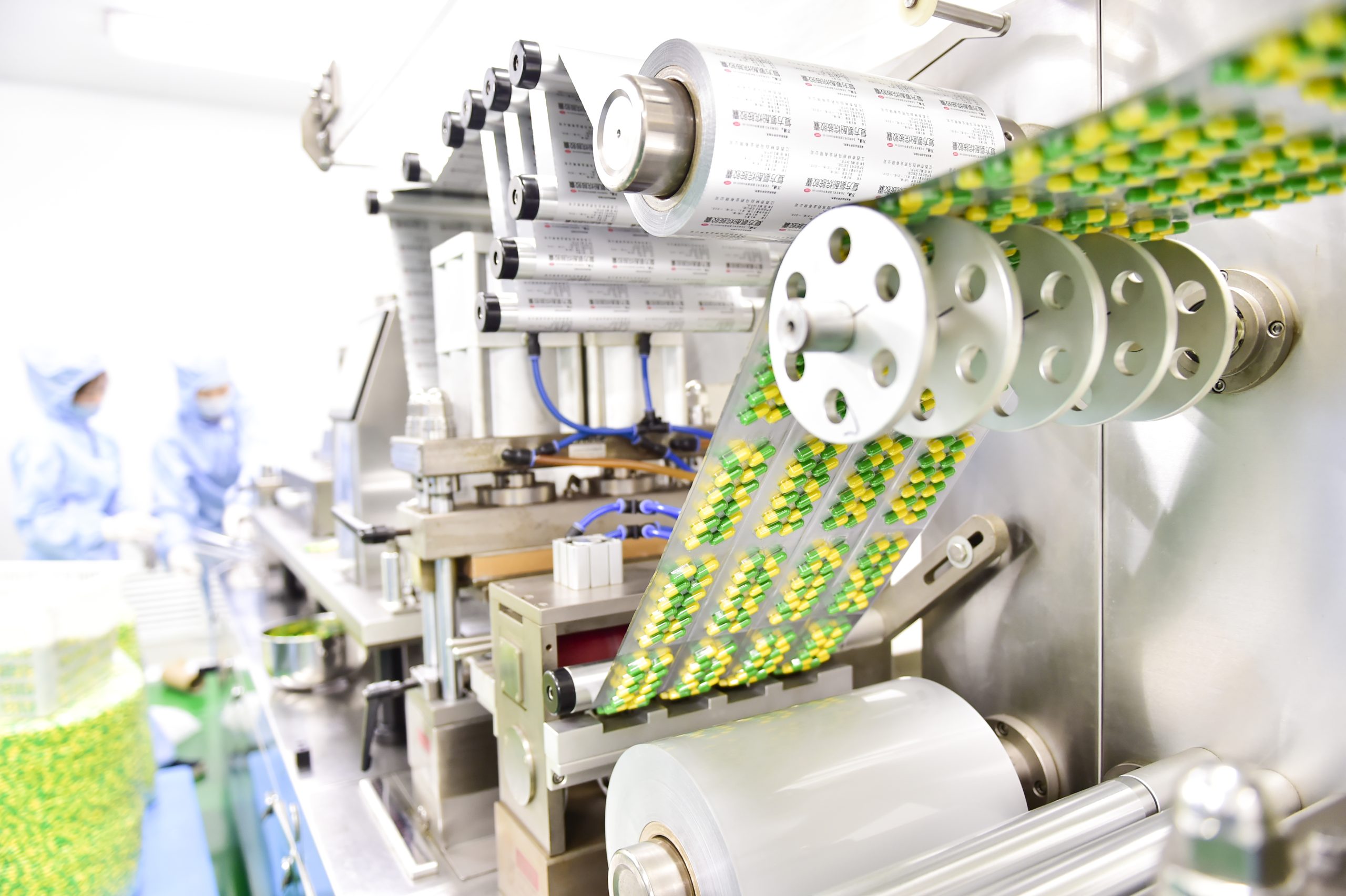
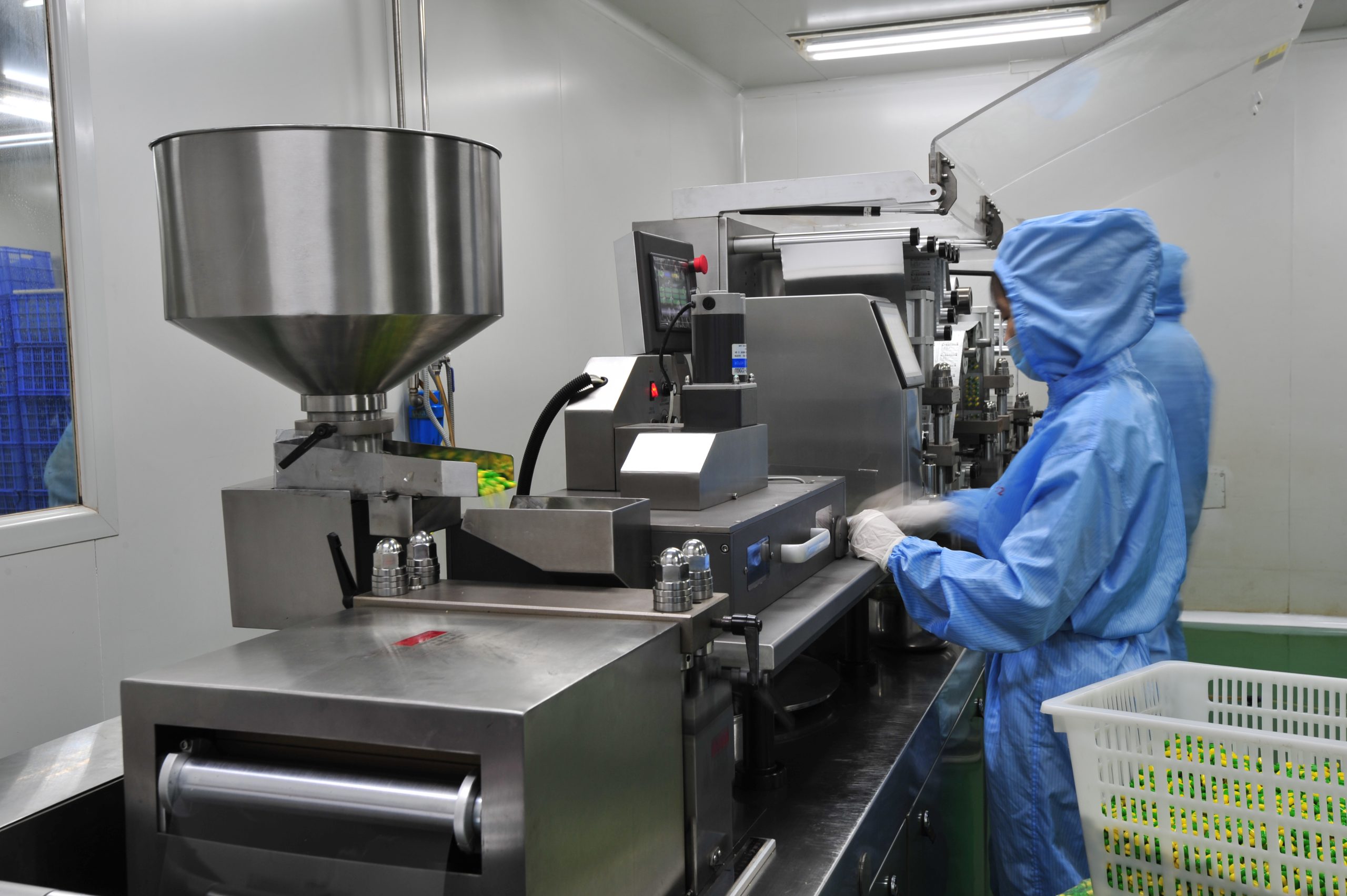
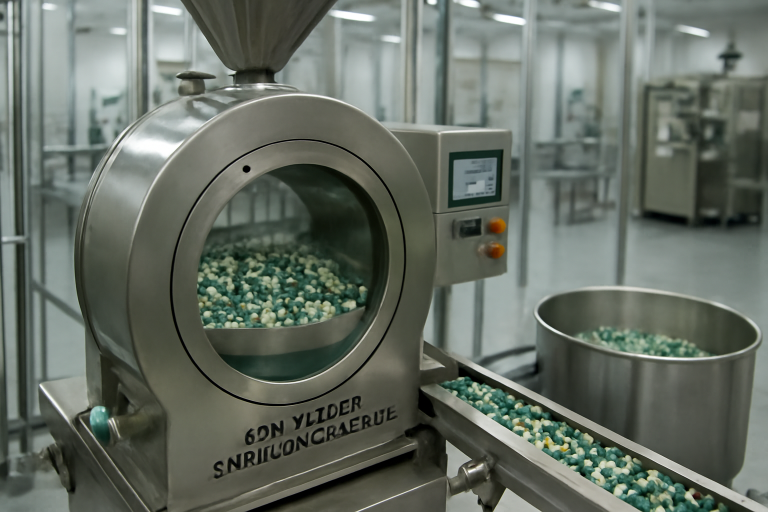
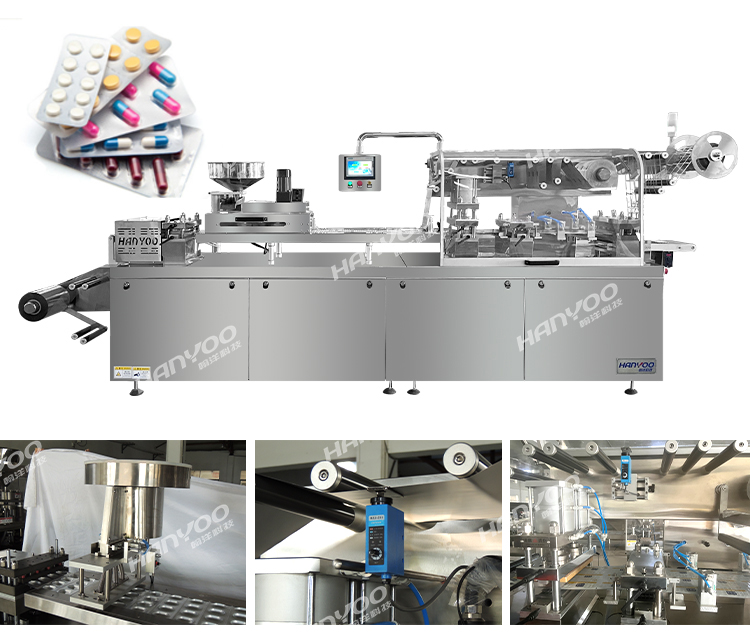
Rotating coating pans dominate. Angled baffles. Perforated drums. Tablets tumble for even coverage. But capacity bottlenecks appear. Large-scale runs cause edge wear. Grooves fill unevenly.
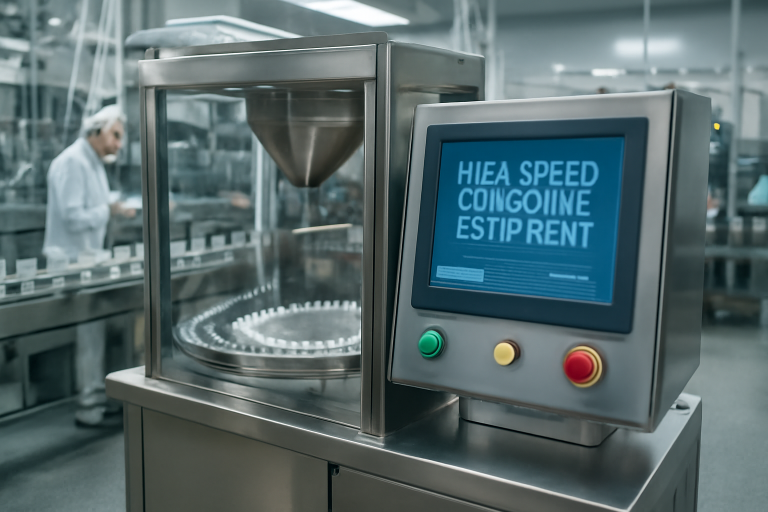
Supercell technology tackles this. Small-batch continuous production. Precision airflow. Claims even ultra-fragile tablets coat perfectly. But the cost? Still scary high.
Now comes the real game-changer: dry powder electrostatic coating.
Electrostatic fields attract oppositely charged powder. It “sticks” directly to tablets. No solvents. No wastewater. Surface uniformity matches wet methods. Release curves stay consistent.
Even better for moisture-sensitive or brittle tablets. That nightmare failure rate in humid workshops? Gone overnight.
Another dark horse: compression coating. Core tablets wrapped in powder. Pressed in one shot. Perfect for dual-layer controlled release. But equipment precision demands are extreme. Average factories can’t play this game.
Bold prediction: By 2028, dry and electrostatic coating will capture over 40% of the global tablet coating market.
Why so confident? The logic is simple.
Environmental pressure is crushing. EU REACH regulations push solvent VOC limits to ppm levels. China’s GMP follows suit. Traditional wet method costs will double.
AI-assisted process optimization skyrockets automation. ROI shrinks to 18 months. Giants like Pfizer and AstraZeneca already run small-scale production. Smaller companies that lag behind? Acquisition targets.
Catch this wave? Profit margins jump from 15% to 25%.
But here’s the risk: powder formulation barriers are sky-high. High-performance polymers like HPMC and PVA? Modification technology sits with a few suppliers. Supply chain breaks? Factories freeze.
This reminds me of solid-state batteries disrupting lithium. Everyone thought liquid was king. Then solid-state arrived. Whole industry reshuffled.
Tablet coating follows the same pattern. Dry methods aren’t supplements. They’re replacements.
Don’t underestimate this “thin film.” It holds Pharma 4.0’s core logic: shifting from “mass-produced pills” to “intelligent delivery systems”.
The Impact on Your Business and Supply Chain Hits Harder Than You Think
Tablet coating transformation isn’t a tech showcase. It’s ecosystem reconstruction.
Cost side: Traditional sugar coating burns 20kg extra syrup and excipients per ton. Labor cycles stretch to a week. Dry powder cuts it to half a day. Material costs drop 30%. For generic drug makers, this means exploding margins.
Demand side: Premium innovative drugs need enteric and sustained-release coatings. Precision coating becomes standard. Failure rates dropping from 5% to 0.5% means clinical trial approval rates climb too.
Supply chain perspective stings. Solvent suppliers may cry themselves to sleep. Polymer powder giants like Dow and Ashland will laugh to the bank.
Domestic pharma companies over-reliant on imported HPMC? After 2025, tariffs and logistics could spike costs another 15%.
Patient side: Tablets become prettier. Easier to swallow. Compliance could improve 10%. Chronic disease management effectiveness doubles.
Dig deeper: personalized medicine is coming. 3D-printed drugs need customized coatings. Traditional equipment can’t keep up. Digital coating machines become essential.
For investors, this is a goldmine. Global tablet market grows 7% annually. Coating equipment market should breach $10 billion by 2030.
Small and mid-size pharma owners still using outdated coating pans? That’s driving a vintage car on the highway. You’ll get passed eventually.
Think about collapsed sugar coating factories. They didn’t fail because of bad technology. They failed because they missed the trend.
This means coating is no longer just a cost center. It’s a core profit engine.
Ignore it? Your market share could halve in five years. Embrace it? You leap to the supply chain’s upstream.
On a personal level, don’t think this doesn’t affect you. That thin “shell” on your medication determines effectiveness.
Enteric coating protects omeprazole from stomach acid destruction. Sustained-release coating keeps blood pressure meds working 24 hours.
Future smart coatings might embed micro-sensors to monitor medication compliance. Sounds like sci-fi? Nope. Clinical trials are already underway.
What Should You Do?
Watching from the sidelines won’t help. Action matters. Here are 5 strategies for different-sized pharma companies. No fluff. Just execution:
- Audit your process. Find pain points first. Don’t tear everything down immediately. Check: Is reject rate above 3%? Is humidity control unstable? Start with a pilot-scale dry powder electrostatic machine. Around $70K. Run batch tests. Calculate ROI. If you save one day of labor weekly, you’ll break even in six months. I’ve seen a Zhejiang generic drug factory start small. Saved $700K in one year.
- Lock down suppliers. Secure powder formulations. Don’t obsess over imports. Find domestic suppliers with modification capabilities. Negotiate exclusivity or long-term deals. Hard requirement: suppliers must provide process parameter packages. Electrostatic voltage specs. Powder particle size optimization. Stable supply chain means confident transformation.
- Upgrade equipment step by step. Simulate before committing. Don’t dump millions upfront. Rent a Supercell unit to test waters. Use CFD simulation software. Predict coating uniformity. Pfizer cut coating failure rates 90% this way. Budget tight? Use cloud-based AI optimization tools. Just a few hundred bucks monthly.
- Lead on compliance. Play the environmental card. China’s GMP revision in 2026 will tighten solvent limits. Certify dry processes early. Apply for “green factory” subsidies. Exporting to the West? Dry powder’s zero VOC emissions become your core competitive advantage. Orders could double.
- Talent plus data. Drive both wheels. Hire dedicated process engineers. Focus on coating algorithms. Build your own database. Record spray rates and drying curves for every batch. Use machine learning to predict optimal parameters. Start small. Accumulate for six months. Results will show. Remember: technology is static. People adapt.
Execute these strategies. See results in 3 months. Lead the pack in one year. Hesitate? Competitors are already on board.
Final Thoughts
Tablet coating’s evolution from sugar to dry powder isn’t simple process iteration. It’s industry-wide reshuffling.
Standing at 2026, will you be a stubborn “syrup traditionalist” or embrace the “electrostatic future”?
The answer is obvious: action-takers take all.
This isn’t just about technology. It’s strategic vision. Forward-thinking companies are already quietly ahead.
What about your pharma company? Don’t wait for regulations to force change. Move now.
Pharmaceutical manufacturing should be this precise. This sharp.