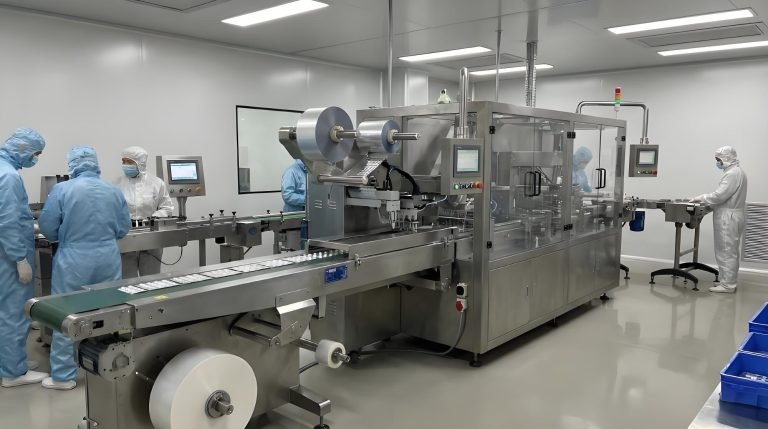

Tablet Coating vs. Polishing: Bridging the Gap Between Functional Quality and Packaging Speed
The Hidden Crisis: Why Polishing Machines Are the “Silent Killer” in Pharma
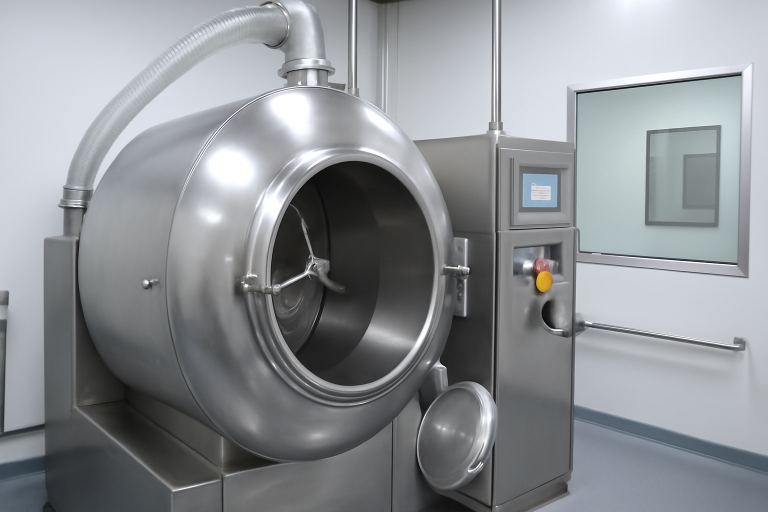
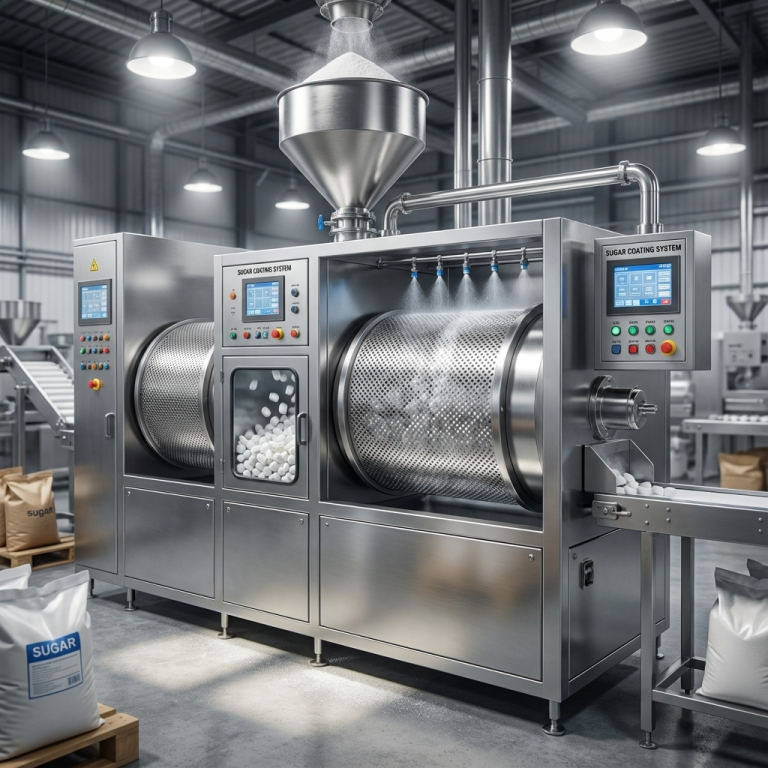
Tablet coating machines always steal the spotlight. Giants like Thomas Processing, Syntegon, and O’Hara Technologies dominate. They’ve been around for decades. Their star products—ACCELA COTA, Sepion—handle everything from lab batches to 800kg production runs. Uniform spray. Fast drying. Auto-cleaning. Energy savings. Syntegon even nails enteric and controlled-release coatings.
But here’s the contradiction: Coating machines can’t fix the “dust problem.”
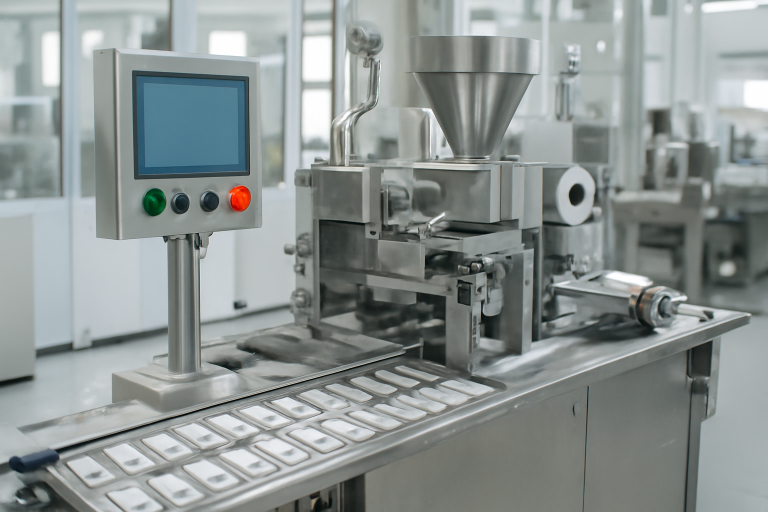
After coating, tablets still have powder residue. Oil smudges. This wrecks appearance, swallowing feel, and packaging speed. Enter tablet polishing machines. Chinese manufacturers like Nanjing D-Top sell them for $2,000-$3,200. Fully automatic. 10,000 tablets per hour. Crazy low barrier to entry.
Coating machines cost hundreds of thousands. Polishing machines? They’re like a “patch.” But they hit the pain point dead-on.
I thought polishing was just a post-coating toy. Wrong.
In 2026’s tight supply chains and soaring costs, it’s becoming the main act. Why? Pharma isn’t chasing perfect coatings. They’re chasing maximum production efficiency. Coating handles function. Polishing handles aesthetics and cleanliness. You need both.
The mystery: Why do coating giants ignore polishing? The answer hides in market gaps.
From “Cheap Tool” to “Smart Bottleneck”: Polishing’s Wild Growth
Let’s dig deeper.
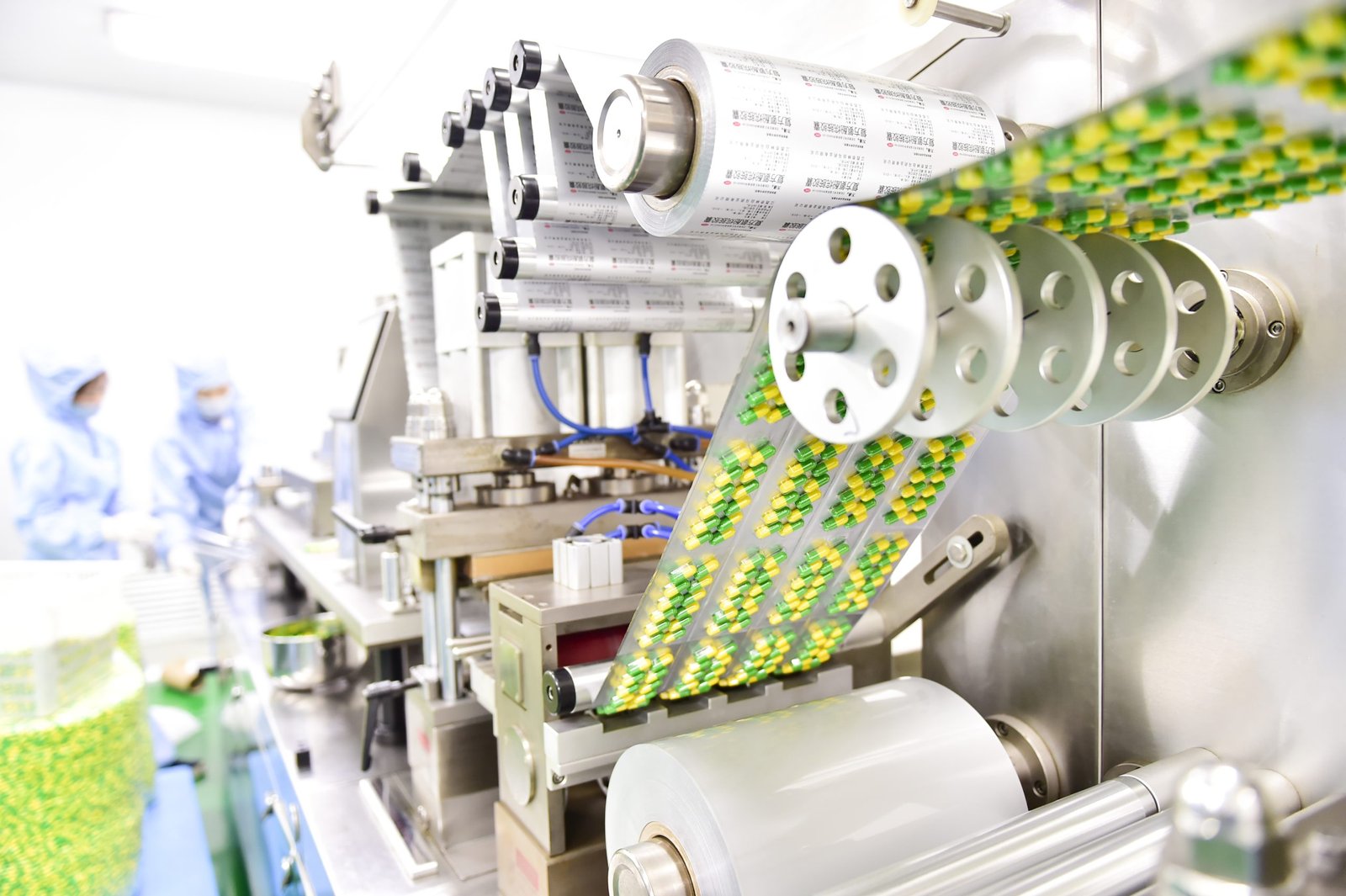
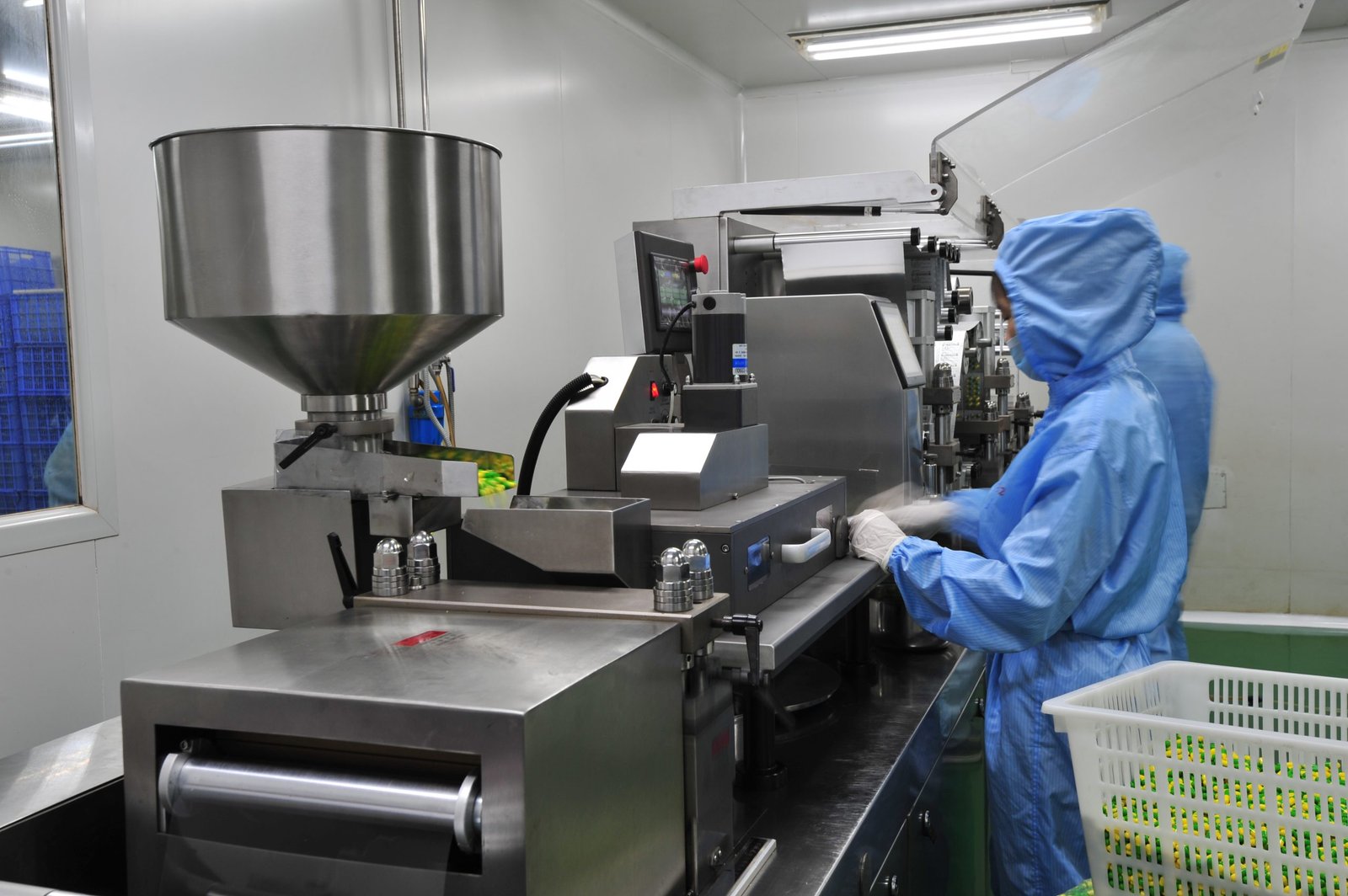
Polishing machines use soft brushes spinning at high speed. They remove dust. Add shine. SED Pharma says it plainly: these machines turn products from “grimy” to “mirror-smooth.” On Made-in-China, Nanjing D-Top offers fully automatic units. 10,000 tablets/hour. Affordable prices.
Don’t let low prices fool you. Technical barriers exist.
High-end polishing requires precise control. Brush pressure. Rotation speed. Airflow. Get it wrong? Tablets crack. Coatings peel. Thomas Processing integrates cleaning into coating systems. But polishing often gets outsourced.
Chinese manufacturers are rising fast. From lab machines to production-line scale. By 2025, they’ve penetrated mid-to-low markets. After O’Hara’s Fastcoat™ handles big batches, polishing becomes essential.
Bold prediction: By 2026-2028, polishing machines won’t be standalone. They’ll become coating machine modules.
Here’s the logic chain.
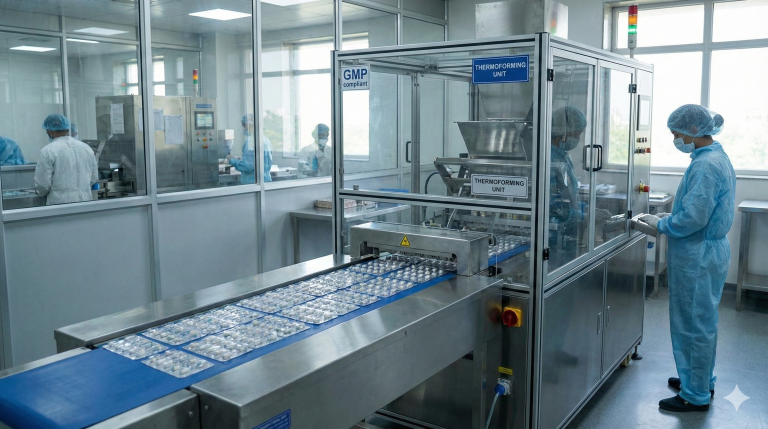
First, regulatory pressure. FDA and EU GMP standards keep tightening. Tablet cleanliness directly affects batch approval rates. Polishing isn’t just cosmetic. It’s a contamination checkpoint. Syntegon’s Sepion emphasizes “sensor efficiency” and “verifiable cleaning.” But dust residue still needs post-processing. Future polishing will use AI monitoring. Cameras scanning surfaces in real-time. Auto-adjusting brush speed.
Second, cost logic. Coating machines are expensive. Freund-Vector’s VHC HI-COATERS® with PAT continuous manufacturing? Pricey. But polishing machines deliver explosive ROI. 10,000 extra tablets per hour. Packaging line efficiency doubles. Supply chain advantage is obvious. In 2025, India’s ACG Worldwide and Europe’s L.B. Bohle focus on coating. Polishing goes to Asian OEMs. Result? Western pharma outsources production. They shift to modular equipment. Polishing becomes “plug-and-play.”
Third, market data extrapolation. No exact figures? Let’s reason it out. Global tablet market grows 8% annually. Coating penetration: 90%. Polishing coverage: only 60%. Huge gap. O’Hara’s 2025 India summit signals emerging market explosion. Chinese machines start at $2,000. Western copycats will follow.
Prediction: By 2028, smart polishing machine market breaks $1 billion. Syntegon or Thomas will acquire Chinese players. They’ll launch “full-chain coating + polishing integrated machines.”
This isn’t fantasy. Capsule polishing machines are already mature. SaintyCo’s speed boosts prove it. Tablet versions are just a matter of time.
High-end players ignore this because they sell “systems.” Polishing seems “too low-end.” But low-end often disrupts high-end.
Polishing machines aren’t the finish line. They’re the accelerator.
What This Means: Hidden Crises and Investment Opportunities
If you’re a mid-sized pharma owner or equipment buyer, your “last mile” bottleneck just got exposed.
Bad news first.
Ignore polishing? Your production line limps. Advanced coating machines mean nothing when dust residue raises rejection rates 5-10%. I’ve seen it happen. Big factories use Syntegon Sepion for 800kg batches. Polishing can’t keep up. Packaging lines jam. Shipments delay. In 2025’s rising material costs and labor shortages, these losses eat quarterly profits.
Brand impact matters too. Consumers judge tablets by more than efficacy. Smoothness counts. Vitamins. OTC tablets. Poor polish loses shelf battles. Small factories with cheap polishing machines beat big players.
Now the good news: Opportunity lives in the cracks.
Suppliers? Target Chinese OEM customization. Upgrade Nanjing D-Top’s $2,000 machines with AI. Sell like crazy.
Mid-sized pharma? Polishing investment pays back in 3 months. Thomas promises “double productivity.” Add polishing? Triple it.
Deeper insight: Pharma is shifting from “scale wars” to “precision wars.” In 2026, continuous manufacturing (PAT) goes mainstream. Polishing becomes a critical node. Ignore it? You’re not one step behind. You’re a mile behind.
Remember capsule machines? Ten years ago, polishing was optional. Today it’s standard. Tablets will repeat this pattern.
Your competitive moat? It’s in the polishing machines others overlook.
What Should You Do?
Stop watching. Start acting. Five moves for different players. Zero fluff. Copy directly.
- Audit your production line. Fix the polishing gap. List your current coating model. Dust residue rate. Packaging efficiency. Test Nanjing D-Top or SED Pharma machines. Trial within one week. Budget $20,000-$30,000. Choose fully automatic, 10,000-20,000 tablets/hour models. Result? Capacity jumps 20%.
- Upgrade modularly. Don’t go all-in on new coating machines. Skip the Syntegon overhaul. Add a polishing station first. Ask O’Hara or Thomas distributors about “integrable solutions.” Chinese suppliers customize brushes to match your coating thickness. Low cost. High ROI.
- Shift suppliers to Asia. Cut procurement costs in half. Western machines too expensive? Go straight to Made-in-China. Prioritize Nanjing D-Top. Full certifications. Export experience. Negotiate bulk deals. Five units minimum. Drop to $1,800/unit. Stock capsule polishing machines too. Two birds, one stone.
- Go smart. Lead with AI polishing. Add cameras and software. Monitor dust levels. Reference Syntegon’s sensors. Build in-house or outsource. Invest $50,000. File patents. Sell to big players in 2026. Double your returns.
- Hedge risks. Dual-track procurement. Half goes to Chinese low-end machines for practice. Half invests in Thomas/O’Hara high-end integrated solutions. Monitor GMP compliance. Quarterly audits. Small-to-mid factories choose the former. Big factories choose the latter. Stay flexible. Never get stuck.
Execute these. See results in six months.
Hesitating? Your competitors are already placing orders.
Summary
Tablet polishing machines seem insignificant. But they hit the industry’s pain point hard. Perfect coating means nothing if polishing fails. The whole chain collapses.
From Thomas’s innovation legacy to China’s low-price invasion, this industry is reshuffling fast.