
The Evolution of Lab-Scale Tablet Coating and the Rise of Continuous Manufacturing
Why Is This “Niche” Equipment Suddenly Hot?
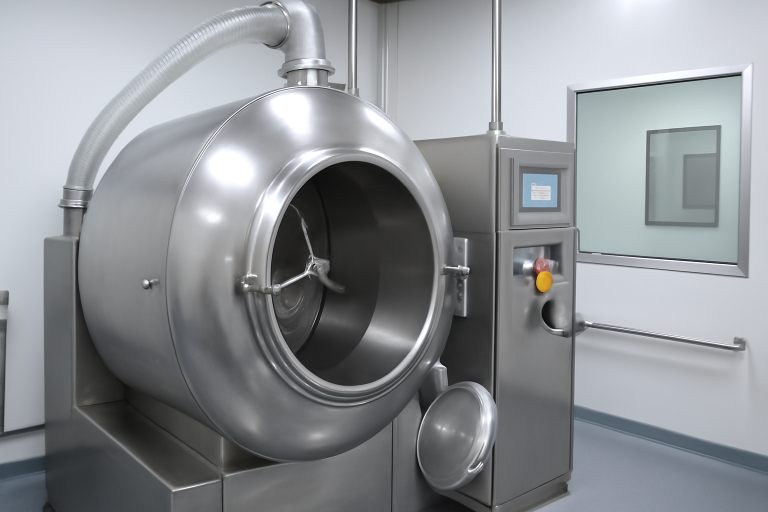
Laboratory tablet coating machines look unimpressive. Just a small gadget, really.
They’re nothing like ton-scale industrial coaters that swallow massive batches. They’re not flow-bed monsters demanding millions in investment either. These machines serve one purpose: small batches, high precision. A few kilograms per run. Perfect for R&D teams running experiments and tweaking formulations.
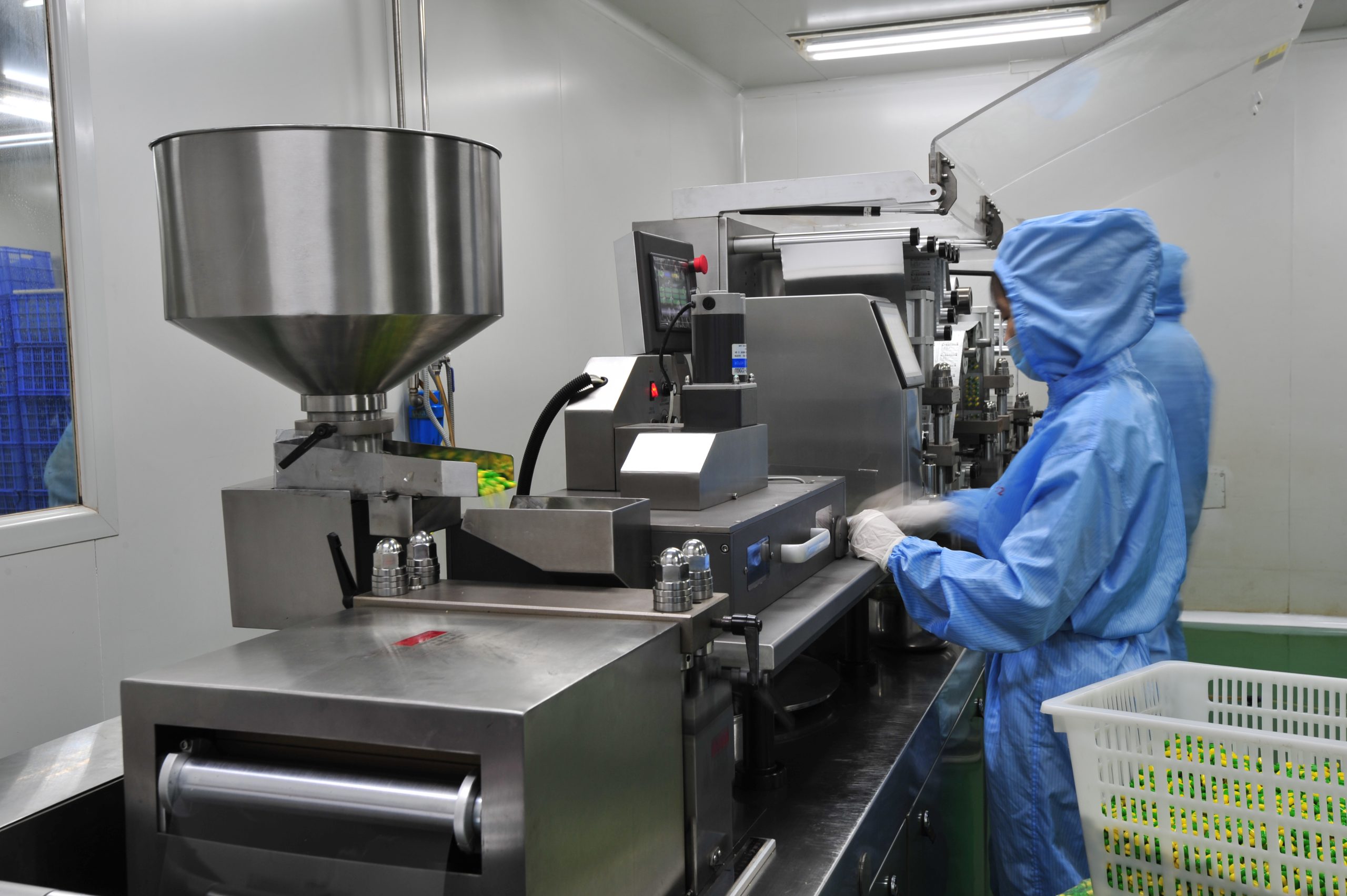
They combine spraying, mixing, and drying in one rotating drum. Temperature stays constant. Precise airflow eliminates uneven coating. Simple as that.
But recently? This niche segment exploded.
Here’s why. Pharma faces brutal bottlenecks:
- New drug development now takes over 10 years
- Clinical failure rates hit 90%
- Single R&D costs soar to $2 billion
Industrial coaters are too bulky. Too inflexible. Traditional lab methods? Too primitive. Data becomes unreliable. Reproducibility tanks.
The core problem: Tablet coating is pharma’s “last mile.” It handles appearance, taste-masking, controlled release, and enteric functions. Yet it’s been an R&D nightmare for years.
Technologies from Eurotherm, Glatt, and Bohle’s BTC flat-bed systems matured long ago. So why the lab equipment boom now?
Continuous Manufacturing swept the globe. FDA pushed GMP requirements for real-time monitoring. Labs now must seamlessly scale from small validation to industrial production. Otherwise? Your perfect formulation crashes at mass production. Game over.
I dismissed lab equipment initially. Then I looked closer.
It’s pharma’s “hidden weapon.” Small machines solving massive problems. They’re disrupting a billion-dollar market.
From Manual to Smart: Three Evolutionary Leaps
Tablet coating is precision ballet. Spray, mix, dry. Repeat.
Polymers, pigments, and plasticizers get sprayed onto rotating tablet beds. Hot air dries them. Layers build until the film becomes uniform.
In industrial settings, L.B. Bohle’s BTC series uses flat-bed designs with forced guidance. This cuts twinning defects and spray loss. Processing time drops 35%. Glatt’s fluid-bed tech makes tablets “dance” on airstreams.
Lab-scale equipment? Smaller footprint. Same complex workflow simulation.
First Evolution: Batch to Quasi-Continuous
Traditional labs relied on manual pans or basic drums. Uneven coating was normal. Some tablets got thick coats. Others got thin. Drug release curves went haywire.
Bohle’s KOCO series introduced spiral mixing with equal residence time. Every tablet travels the same path. Thomas Engineering’s Flex series achieved semi-continuous operation. Small batches now get real-time humidity and temperature monitoring.
Prediction: By 2028, 80% of lab coaters will have built-in Raman probes. They’ll measure coating thickness inline. PAT (Process Analytical Technology) is already standard. FDA won’t approve outdated processes lacking data support.
Second Evolution: Intelligence Leap
Before, technicians watched and adjusted manually. Now? AI algorithms take over.
Airflow, spray rate, drum pressure—all automated. Eurotherm’s electronic records and signatures meet EU and US regulations perfectly. Take Glatt’s small lab machines. They offer top-spray and bottom-spray options. Fluidized air lifts tablets. Drying uniformity reaches micron-level precision.
Future machines will integrate machine learning. Input your target release curve. The equipment iterates parameters automatically. R&D cycles shrink from months to weeks.
Third Evolution: Multifunctional Tech
Today’s machines handle more than standard film coating. Enteric coatings. Sustained release. Taste masking. All covered.
LFA Tablet Presses offers single-layer and double-layer systems. Weight gain stays at just 2-3%. GMP compliance? Excellent.
Bold prediction: Before 2030, lab coaters will integrate 3D printing elements. They’ll “print” personalized coatings for individual patients. Gene-level customized drug release becomes possible. Imagine precision-controlled cancer drug release that bypasses stomach acid destruction.
This isn’t science fiction. Bohle has pushed lab-scale equipment since 2012. Technologies like O’Hara FCC500 continuous coating are trickling down to laboratories.
The trend is clear: Markets shift from Western giants toward small-to-medium enterprises in China and India. Domestic equipment costs one-third of imports. Yet it simulates 90% of industrial parameters. Pharma is pivoting from “economies of scale” to “agile manufacturing.”
Small Machines, Massive Disruption: Pharma’s Survival Stakes
For pharma executives, researchers, and investors, this means fundamental efficiency restructuring.
For R&D Teams:
Coating used to be “artisan work.” Data scattered everywhere. Pre-clinical validation constantly stalled. Now one high-performance lab machine produces industrial-grade samples. Failure rates drop by half. Your new drug goes from concept to IND filing six months faster. You save tens of millions in R&D costs.
For Small-to-Medium Pharma:
It’s a lifeline for underdogs. Giants like Pfizer dominate with continuous production lines. Smaller players can rapidly iterate generics or direct-compression variants using lab equipment. Coating quality directly impacts ANDA approvals. If your enteric tablet releases even 1% in the stomach—or data wavers—FDA sends you back to square one.
From an Investment Perspective:
Global tablet coating markets exceed tens of billions. The lab segment grows at over 8% CAGR. Post-pandemic demand for personalized medicine and mRNA vaccines boosted valuations for Bohle, Glatt, and others.
But China’s supply chain rise threatens import market share. Potential cuts could reach 50%. Western suppliers now pivot toward software subscriptions and cloud data services. They’re locking in premium segments.
For Everyday Life:
Consumers win ultimately. Well-coated tablets taste better. They’re easier to swallow. Drug release stays stable. Side effects decrease.
As technology spreads, pharma shifts from “assembly-line standardization” to “lab-based personalization.” Innovation barriers fall. New drugs will explode in availability.
What Should You Do?
- Audit Your Equipment Now
Check your lab’s status. If coating coefficient of variation (CV) exceeds 5%, or you still rely on manual operation—upgrade immediately. Consider Bohle BTC lab versions or small Glatt machines. Initial investment runs $100K-$300K. Payback typically happens within six months. - Embrace Continuous + Smart Upgrades
Stop clinging to batch production. Buy models with PAT interfaces. Study FDA guidelines. Integrate Raman or NIR probes. Get real-time data to the cloud. Contact suppliers next week. Request a demo machine for proof-of-concept. Watch your R&D efficiency double instantly. - Cross Over Into Multifunctional Processes
Don’t limit yourself to tablets. Explore multiparticulate systems, capsules, or crystal coatings. Develop sustained-release combinations—like tablets with micro-pellet dual coatings. Target geriatric and pediatric markets. Capture first-generic market share through differentiation. - Localize Your Supply Chain
If Western equipment costs too much—or poses “chokepoint” risks—switch to certified domestic rotary-drum machines. They simulate industrial parameters with GMP compliance. Cost control makes your products fiercely competitive in Southeast Asian export markets. - Monetize Your Data
Lab data is gold. Build coating databases. Sell insights to CRO/CDMO companies. Use data as leverage for R&D partnerships with big pharma. Start with open-source software. Analyze 10-batch experimental data. Find optimal patterns. File patents.
Don’t delay these actions. Pharma’s window is razor-thin. By 2026, continuous manufacturing becomes mainstream. If your lab phase can’t keep up, you’re out of the game.
Conclusion
Laboratory tablet coating machines seem small. They’re actually reshaping pharma’s entire paradigm.
The lesson? Technology has democratized. Small is the new big.
The industry isn’t a giant’s solo show anymore. Small-to-medium players can absolutely leapfrog competitors using this equipment.