
The Hidden Cost Traps and Profit Gold Mines Behind Capsule Filling Lines
From Garage Operations to Pharma Giants
Capsule filling lines sound fancy. They’re not. Just machines stuffing powder into empty capsules.
Simple concept. Hand-fill a few hundred capsules? Easy. Fully automated lines pumping out tens of thousands per hour? That’s where the magic happens.
But here’s the core conflict. Big pharma dominates with high-end lines. Small players? Still stuck on manual or semi-auto setups. Why? Entry-level machines start at hundreds of thousands. Full lines? Millions.
Result? Giants crush costs. Small factories drown in labor expenses and inefficiency.
I thought this was just about equipment upgrades. Dug deeper. Realized this isn’t just machinery. It’s the dividing line of the entire pharma industry.
By 2025, global supplements and generics markets will exceed $200 billion. China produces 70% of the world’s capsules. Yet chaos runs rampant. Fake drugs. Dosage errors. Contamination risks.
Capsule lines should fix this. Instead, they’re killing businesses. Wrong line choice? You’re digging your own grave.
The Brutal Truth Behind Tech Evolution
Let’s crack open the “guts” of these lines.
Core process is straightforward:
- Empty capsules feed in
- Separation (vacuum or mechanical arms split cap from body)
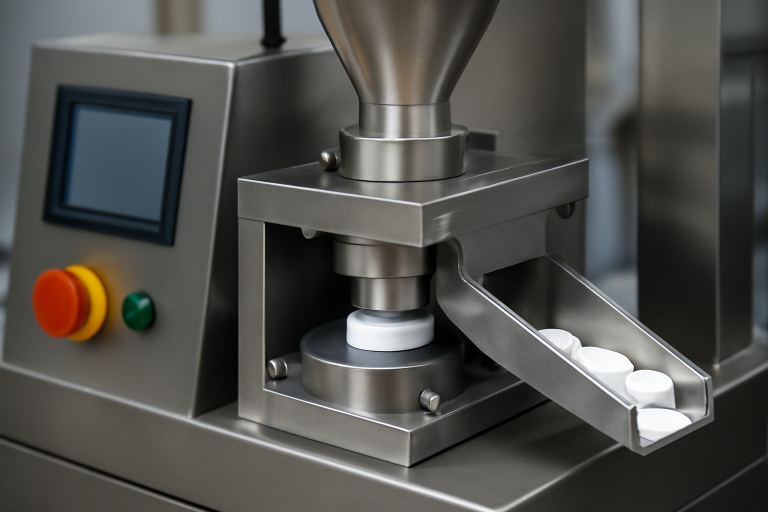
- Metered filling (powder bed + tamping pins or auger systems)
- Locking
- Ejection
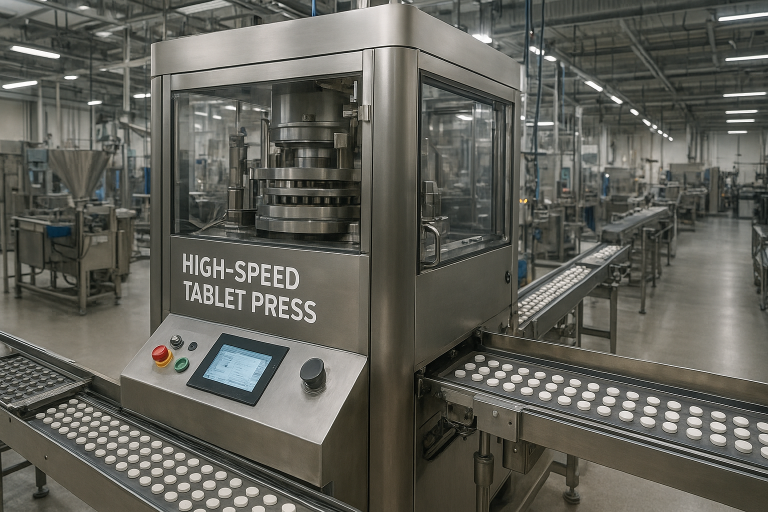
Manual machines? 800 capsules per push. Good for garage ops. Semi-auto hits thousands per hour. Perfect for lab-to-pilot transitions. Full rotary or linear systems? 100,000+ per hour. Easy.
Sounds dreamy, right?
Here’s the contradiction. Better tech means more problems.
Take filling methods. Tamping pins dominate. Powder compresses layer by layer into “slugs.” Precision hits ±1%. Great for herbal powders or vitamin granules.
But they’re picky. Slight moisture? Stickiness? System jams. Rejection rates skyrocket.
Auger systems? Crude but effective. Rotation speed controls dosage. Works for dry powders. But high speeds cause separation. Large particles jam everything.
Vacuum filling and intermittent systems handle oils and pellets. But equipment complexity doubles. Maintenance costs? Through the roof.
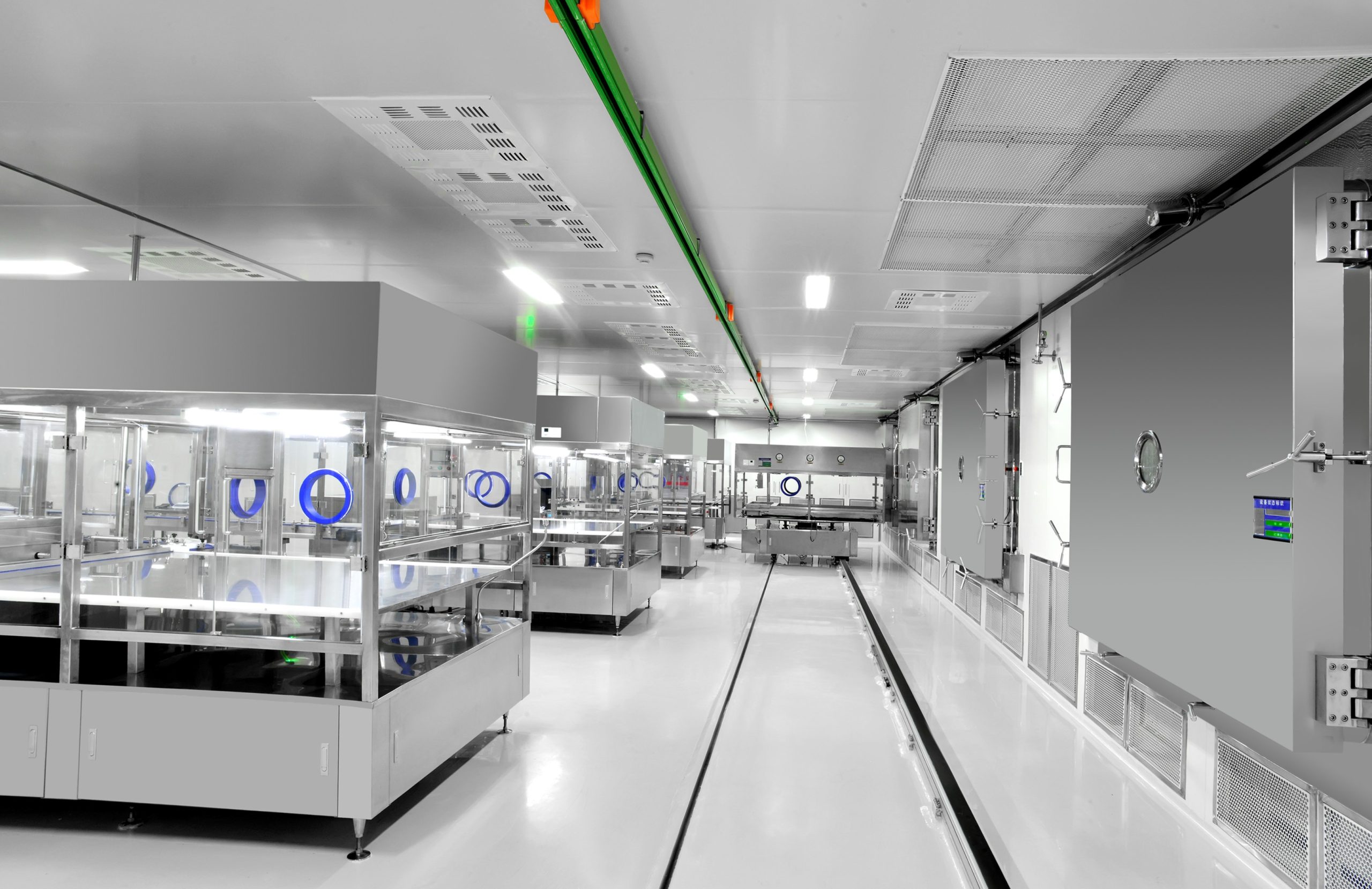
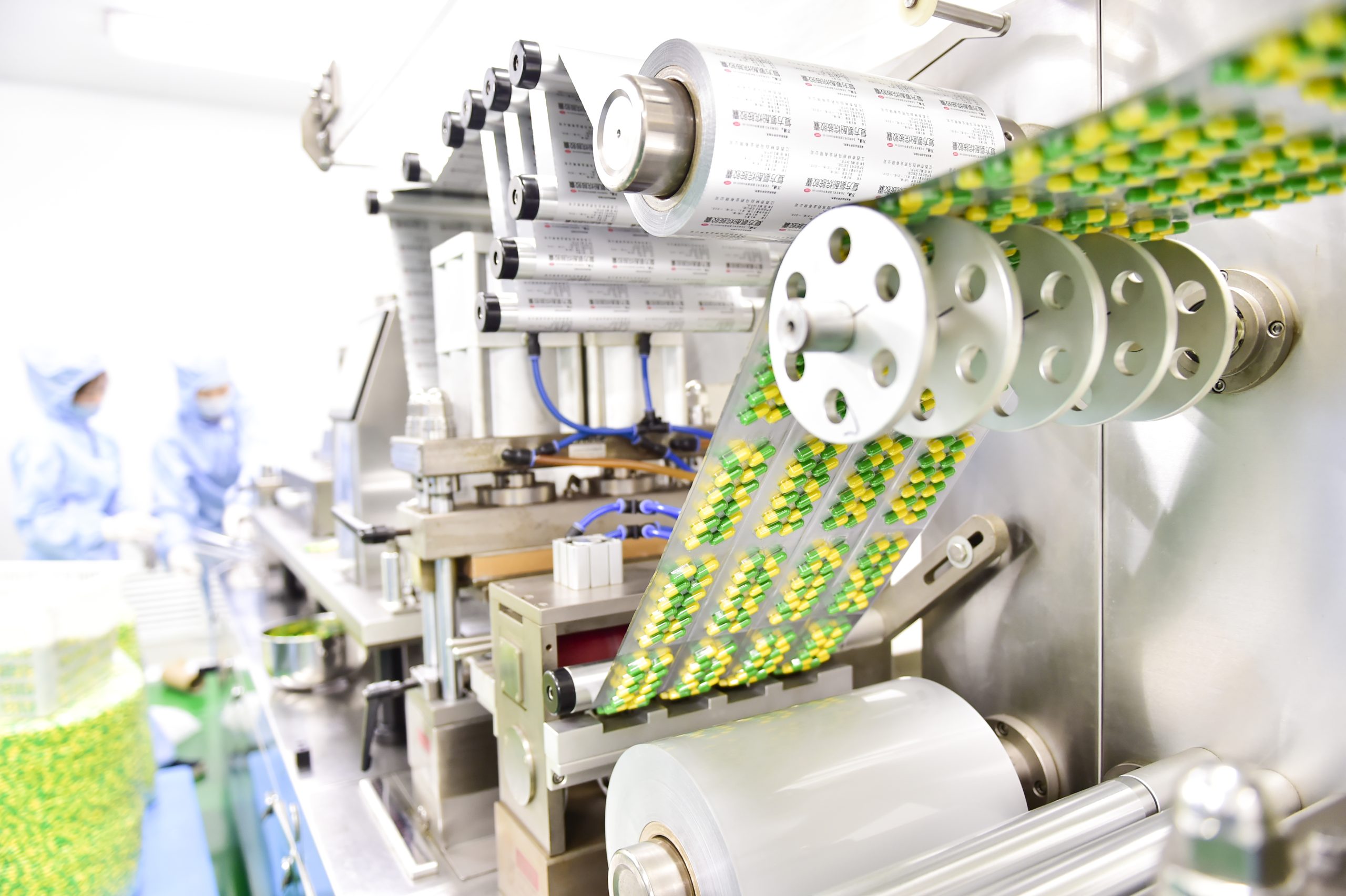
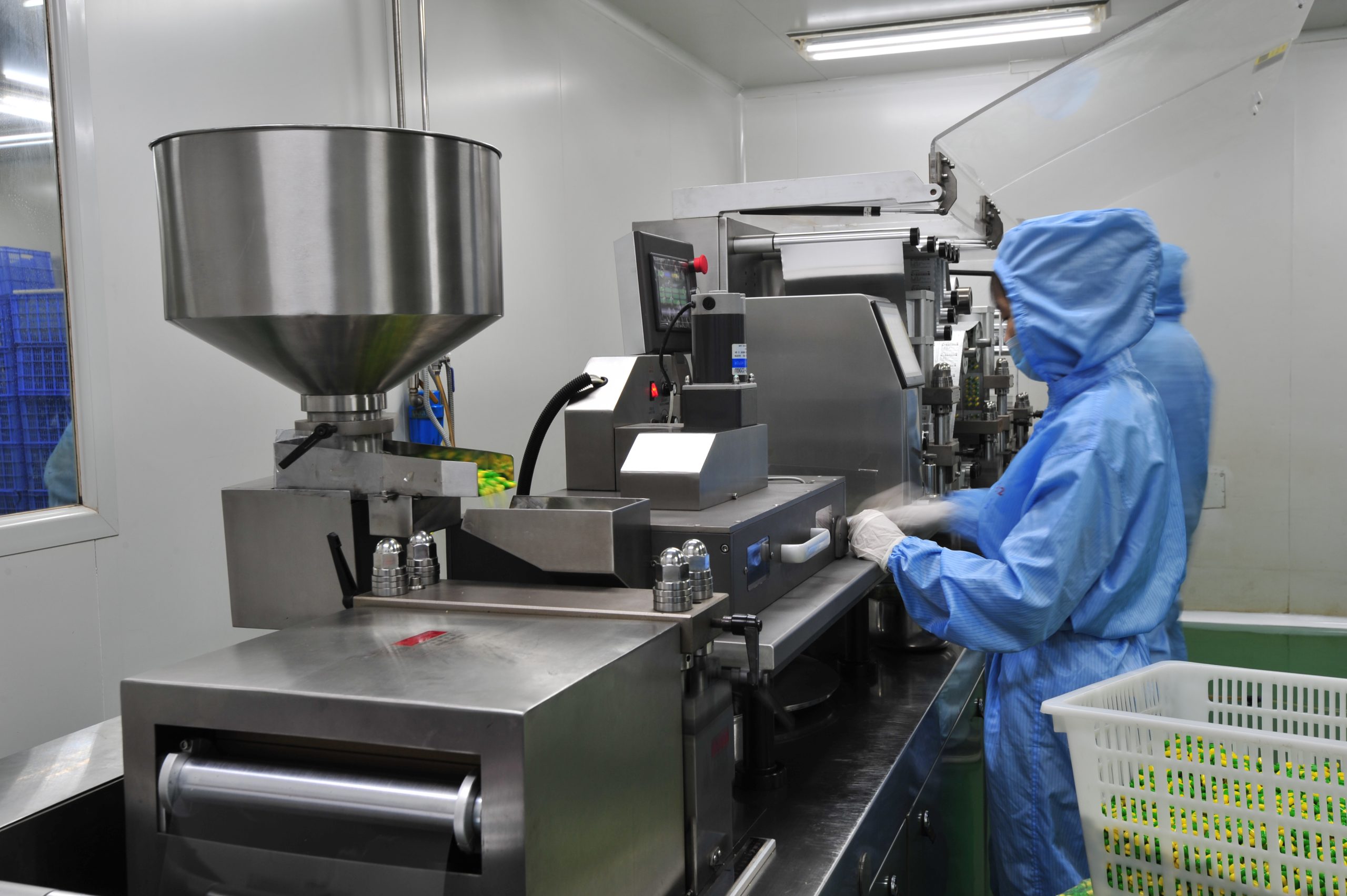
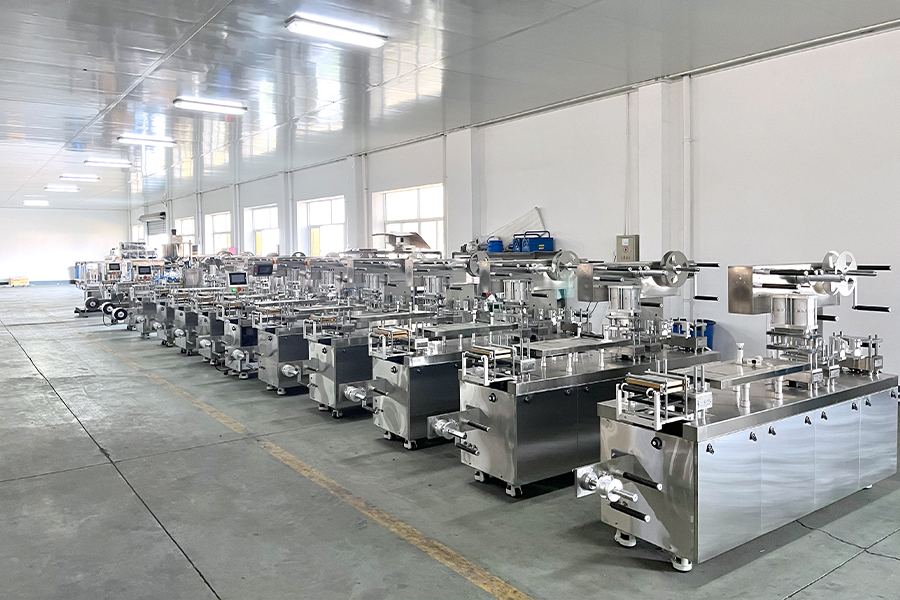
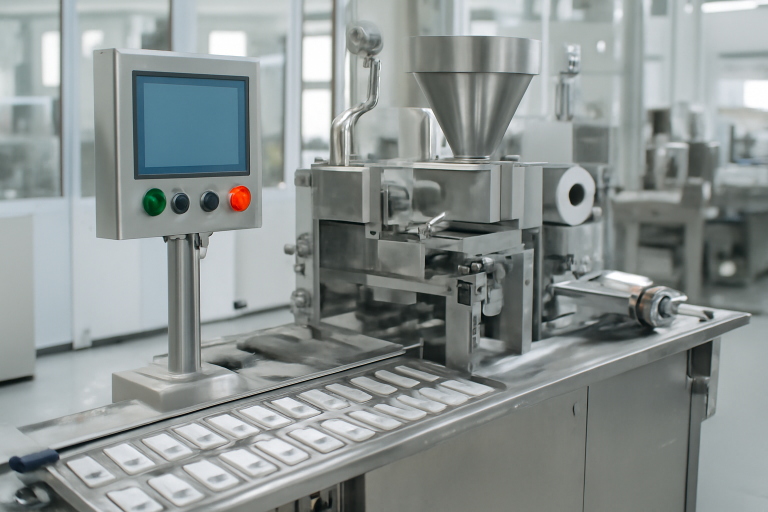
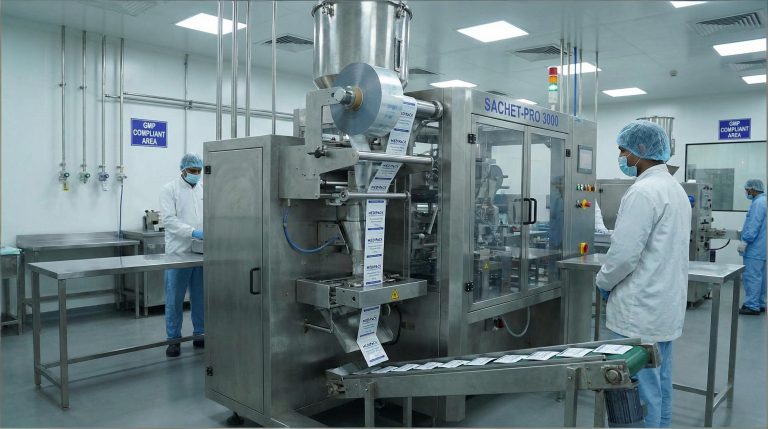
Full lines get messier. You need capsule sorters. Powder mixers. Cap lockers. Vision inspectors. Even integrated packaging and labeling.
High-end setups use robotic arms. Conveyors link metering systems. PLC controls everything. Speed’s up. Precision’s up.
But cleanliness? Under GMP standards, one speck of dust shuts down everything. Data shows 80% of pharma accidents come from filling errors or cross-contamination.
Bold prediction for 2025-2028: “Modular + AI” explosion incoming.
Why?
- Labor costs up 20%
- Stricter regulations (EU REACH, China’s new GMP)
- Manual lines extinct
Modular design takes over. Skip the full package. Buy a filling module. Plug into existing lines. Costs cut in half.
AI vision inspection becomes standard. Real-time corrections. Rejection rates drop below 0.1%.
Chinese manufacturers like SPM and Makwell will dominate mid-to-low markets. Bosch and MG2 keep the high-end crown.
But here’s the kicker. Domestic line penetration jumps from 60% to 85%. Tariff barriers plus localized supply chains.
Don’t celebrate yet, small players. Generic drug regulations tighten. Non-compliant lines mean you’re out.
Giants like Pfizer and Fosun will use full AI lines to slash prices. Small factories that don’t adapt? Market share halved.
This isn’t speculation. Post-pandemic, Vitamin C capsule demand exploded. Manual factories couldn’t keep up. Automated plants produced millions daily. Profit margins hit 40%.
Small factories? A few thousand capsules per day. Labor eats all profits.
Future winners? Whoever masters flexible lines. Quick switches from herbal powder to probiotic granules. That’s the game.
The Brutal Impact on Your Business and Wallet
Are you a pharma boss? Contract manufacturer? Startup supplement seller? This hits home.
Capsule filling lines aren’t optional. They’re survival tickets.
The bad news first. Still on manual or semi-auto? Congratulations. You’re already obsolete.
Labor runs tens of thousands yearly. Efficiency tanks. Dosage errors exceed 5%. Customer complaints plus returns equal bleeding cash.
Worse? 2025’s new GMP mandates full-line traceability. Old equipment can’t adapt. Retrofits? Useless. Inspections fail. Fines start at $70,000.
The good news. Upgraded lines become profit machines.
Example: Vitamin D capsules. Mid-range automated line costs $280,000. Daily output: 50,000 capsules. Cost per capsule: $0.007. Selling price: $0.04. Monthly gross profit: $40,000+.
Payback period? 6-12 months.
OEM factories thrive on line stability. Client retention doubles. Cross-industry opportunities pop up. Pet meds. Functional foods. All use capsule formats. Huge untapped markets.
But here’s an unsolved puzzle. Why do many factories see profits drop after upgrading?
Powder compatibility.
80% of herbal powders have poor flowability. Imported lines reject domestic powders. Expensive modifications required. Investments wasted.
Real case: A Jiangsu supplement factory. Spent $700,000 on Italian equipment. Powder constantly jammed. Three modifications. $140,000 more down the drain. Switched to domestic modular setup. Throughput up 50%. Finally profitable.
For individual entrepreneurs? Small-scale game changes completely.
Manual fillers cost a few hundred bucks. Fine for Etsy shops. Scaling up? Dream on. Full-line entry barriers dropped (domestic units from $14,000). But you need operational know-how.
Don’t have it? Don’t touch it. Just burning cash.
Bottom line: Pharma shifts from “people-powered” to “machine-powered.” No transition? No survival. Your competitors already moved.
5 Actionable Steps to Avoid Traps and Get Ahead
Don’t panic. Here’s the real stuff. Logic-based. Not guesswork.
1. Don’t Go All-In on Full Automation Yet
Test the waters first. Spend $1,500 on powder testing. Check flowability. Compression ratio. Humidity sensitivity.
Find local distributors like Makwell. Free trial runs for a week.
Remember: Tamping pins for dry powders. Augers for granules.
Small players? Start semi-auto plus modules. $28,000 investment. 20,000 capsules daily. Fast payback. No jams.
2. Go Domestic First. Slash Costs by 70%
Imported lines have brutal maintenance fees. $14,000+ yearly.
Brands like Grandpack or SPM deliver ±2% precision. Good enough. Local service responds in 24 hours.
Post-tariff world? Domestic wins big.
Line selection checklist:
- Modular interfaces
- AI inspection
- Easy-clean design
Visit factories. Don’t trust videos.
3. Build Flexible Lines for Multiple Products
Don’t lock into one setup. Get swappable metering heads. Herbal powder today. Fish oil pellets tomorrow.
Add vision cameras. Auto-reject defects.
Simple logic: Markets fluctuate. Pandemic boosts vitamins. Economic downturns push herbal remedies. Flexibility equals survival.
10% more investment. Returns double.
4. Stay Compliant. Dodge the Landmines
New GMP requires Class A cleanrooms plus data traceability.
Before launching, get third-party certification. SGS costs around $7,000.
Use HPMC plant-based capsules instead of gelatin. Eco-friendly. Export-ready.
Pro tip: Weekly contamination drills. Keep rejection rates under 1%.
5. Secure Funding and Scale Fast
No cash? Crowdfund or get equipment loans. Interest around 4%.
Once running, chase OEM contracts. Alibaba Health. Tmall demand is exploding.
Target: 10,000 daily output within 3 months. Amazon exports within 6 months.
Hack: Refurbished lines cut costs in half. But inspect rotor wear first.
Execute these steps. Small players go from followers to competitors. Delay? Giants eat steak. You won’t even get soup.
Capsule Lines Aren’t the Finish Line. They’re the Starting Block
Capsule filling lines come down to pharma evolution.
Tech moves lightning fast. Manual era’s dead. Don’t get fooled by surface features.
What matters? Matching your powder. Your market. Your budget.
Take action. 2025 separates winners from losers. Winners devour loser portfolios.
Which side are you on?