
The “Imperfect” Truth About Tablet Formulation: Secrets Technical Manuals Won’t Tell You
When a Little Pill Becomes a “Big Project”
Ever wonder? That little white pill you swallow daily hides one of pharma’s most complex technical challenges.
On Quora, a pharma engineer shared this reflection: “In the routine manufacture of tablets, various defects are observed”—defects are practically routine in daily tablet production. On Reddit’s pharma discussion boards, chemical engineering graduates hotly debate a harsh reality: “Pharmaceutical companies don’t pay as well as oil companies.” But why do they still choose this challenging industry?
The answer is simple. Behind every perfect pill lies a battle with the laws of physics.
The Imperfect Reality of “Perfect” Pills
When Tablet Presses Get “Moody”
In pharma circles, there’s an unwritten rule: Engineers who haven’t experienced “capping” and “lamination” aren’t real engineers.
What’s capping? Simply put, it’s the pill’s “hat falling off” phenomenon. The tablet’s top or bottom layer detaches like a hat. Lamination is more interesting. The entire pill splits into layers like a mille-feuille pastry.
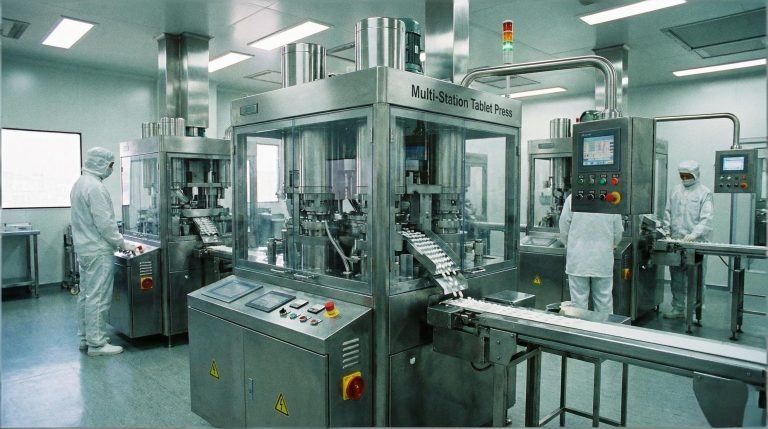
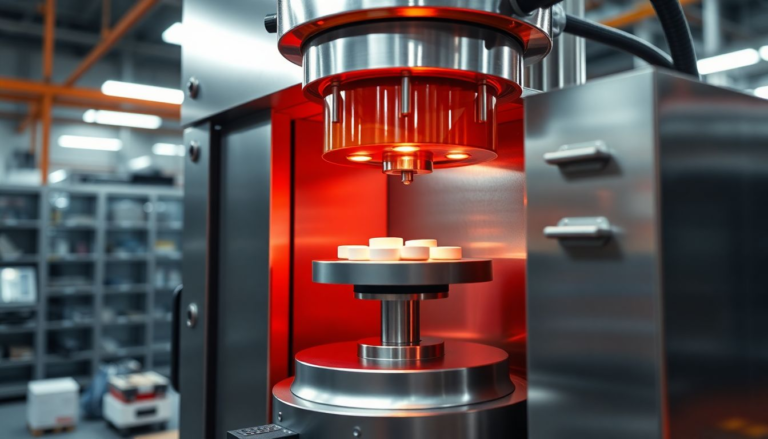
I initially thought these sounded sophisticated. But later I realized it’s just air not escaping during compression. “Bubbles” form inside the tablet. Tablet press machines at high speeds particularly struggle with this. Like when you squeeze dough hard and the air has nowhere to go.
Interestingly, solutions are often quite “crude”: Use tapered dies to let air escape. Or simply slow down compression speed. Sometimes slow is fast. This especially applies in pharma.
Brand vs Generic Drugs: A Never-Ending War of Words
Reddit has a very interesting discussion. One user asked: “Why do brand and generic drugs perform differently in the body? Molecular structures should be identical, right?”
This triggered heated discussion among pharmacists. One pharmacist directly countered: “‘My body only recognizes brand drugs’—people saying this are simultaneously taking 10 other generic medications.”
But the truth is more complex. Though active ingredients are identical, excipients differ! Like identical coffee beans. Different water, different brewing methods. Taste definitely varies.
One Reddit user shared their personal experience: “After my family member switched to generic bupropion extended-release, they experienced overdose-like side effects. Switching back to brand fixed it.” Such cases are rare but real.
The “Secret World” of Equipment Manufacturers
What Technical Manuals Won’t Tell You
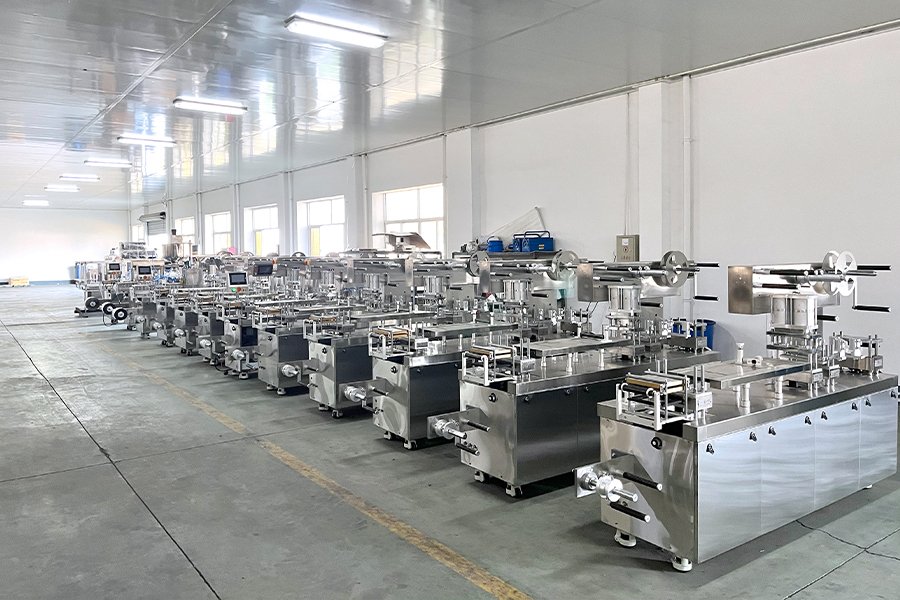
Recently dealing with several Pharmaceutical Equipment Manufacturers, I noticed something interesting. Almost no manufacturer admits their equipment “can’t do certain things.”
But reality?
Sticking problems at high compression speeds are nightmares all manufacturers face. Especially drugs like ibuprofen. Powder easily sticks to punches. Like dough sticking to your hands when making dumplings.
An equipment engineer told me privately: “For sticking issues, we tried countless lubricant formulas. Ultimately, the most effective method was—slow down speed, increase drying time.”
The “Beautiful Trap” of Automation
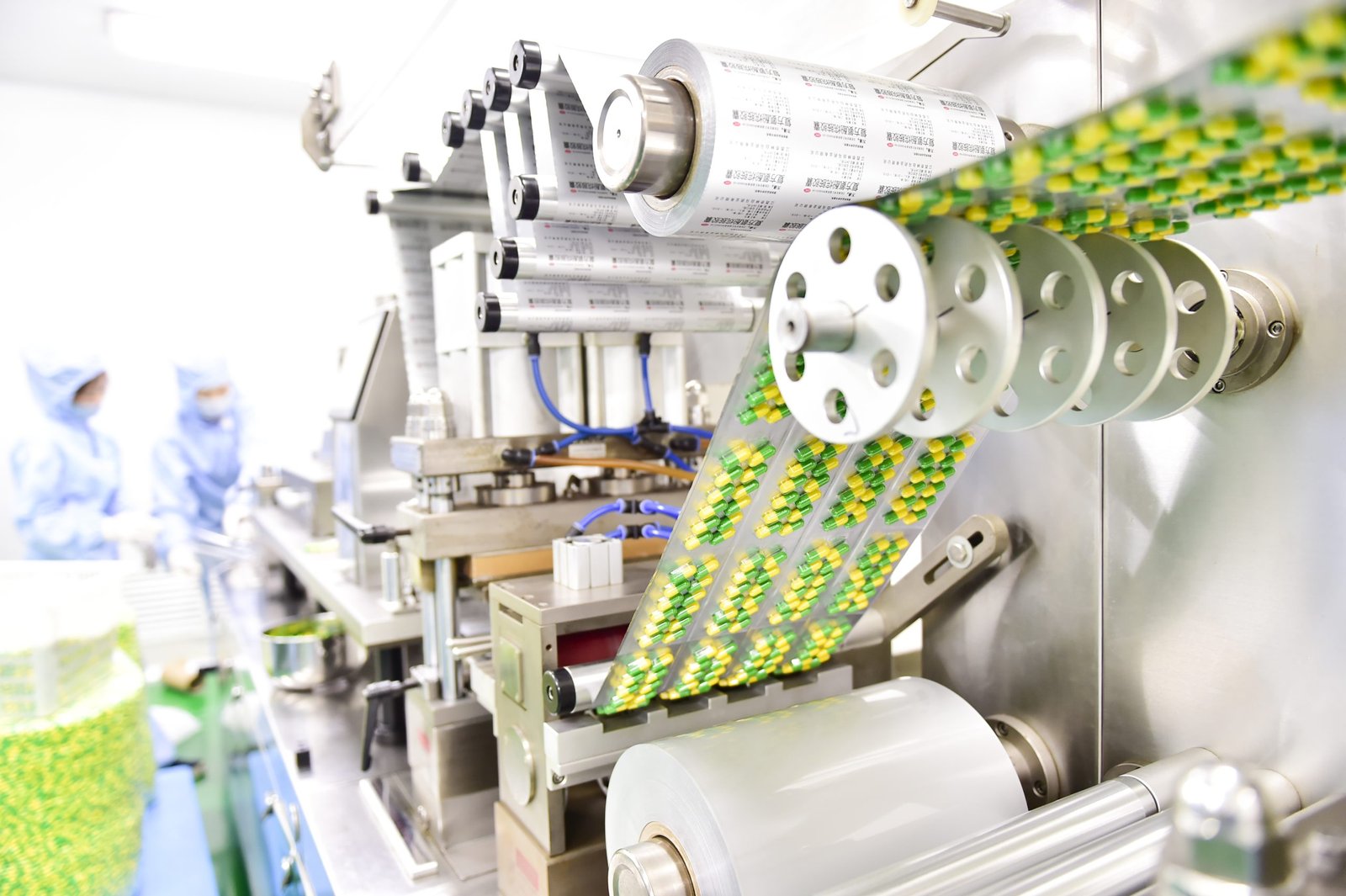
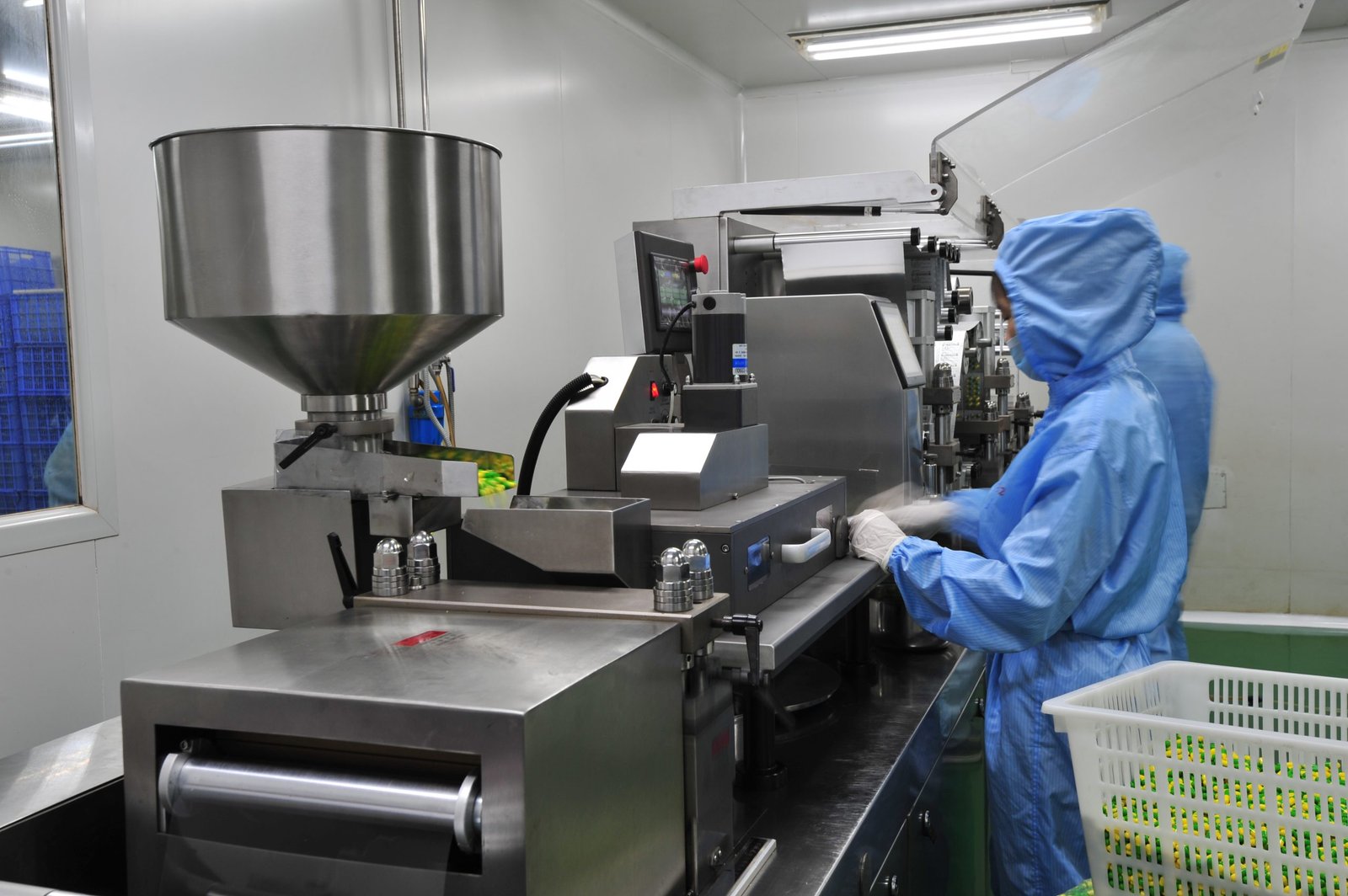
Modern tablet press machines are increasingly intelligent. Automatic weight control, real-time monitoring… Sounds wonderful. But users know: Startup phase weight deviation is a huge pitfall.
When equipment just starts, filling systems haven’t stabilized yet. The first several dozen tablets’ weights might be completely uncontrolled. Experienced operators know: Discard the first 100 tablets after startup. This is an industry “unwritten rule.”
The Truth Behind the “80%-125% Rule” in Quality Control
Speaking of quality control, we must mention that most misunderstood “80%-125% rule.”
Many think this means generic drugs only need 80% efficacy of brand drugs. Wrong! This value refers to the confidence interval of blood concentration curves in bioequivalence testing.
Simply put: Not discounted efficacy, but “similarity” requirement in statistics.
A QC analyst shared on Reddit: “We do dissolution testing on every batch. Some brand drugs completely dissolve in 30 minutes. Generics might need 28 minutes. Both meet standards. That 2-minute difference is virtually imperceptible in the body.”
Industry “Truth or Dare”
From Chemical Engineering to Pharma: Ideals Meet Reality
A Reddit post was particularly real. A chemical engineering student asked: What’s it like entering the pharma industry?
Answers varied, but several points were consistent:
“Pay really can’t match oil industry, but job stability is much stronger.”
“Take more biochemistry courses. This is more important than you think.”
“Prepare mentally for 12-hour shifts, especially on biologics production lines.”
Most interesting was an engineer with 3 years’ experience: “I’m now a process consultant. Starting new systems, designing manufacturing equipment. Salary jumped from $75K to $110K. But biggest gain is—daily wrestling with the real physical world. Not as virtual as coding.”
The “Chain Reaction” of Quality Incidents
After FDA caught quality control issues at an Indian pharma plant, the whole industry tensed up. A Reddit pharmacist said: “Patients received bottles where half the tablets were broken. The other half weren’t even in the bottle… Though extreme, this exposed supply chain fragility.”
This made me think of a question: Why do we always hear “certain drug recalled”?
The answer might be simpler than you think: Pharma quality standards are incredibly strict. Even one wrong label on packaging can trigger massive recalls.
The Future: Dawn of Personalized Formulations
Interestingly, current tablet formulation is moving toward personalization.
Genetic testing technology helps us understand: Why the same drug works well for some but causes major side effects for others. No longer “one size fits all” standard formulations. But precision medication customized to individual metabolic characteristics.
But this brings new problems: Personalization means small-batch production. Costs inevitably rise. Future pharma might need to balance “precision” and “affordability.”
Final Reflections
Every time I see those seemingly simple white pills, I think: This tiny thing carries so many people’s health hopes. Yet crystallizes so many engineers’ wisdom.
From molecular design of raw materials to formulation optimization to precise equipment control. Every step doesn’t allow “good enough.” This is perhaps why pharma doesn’t offer highest salaries. Yet still attracts countless STEM graduates wave after wave.
Because here, the pursuit of “imperfection” itself is a kind of perfection.
How many different manufacturers’ drugs are in your medicine cabinet? Next time you take medication, think about the story behind that little pill. Those engineers wrestling with defects late at night. Those meticulous quality inspectors. And that precision equipment constantly upgrading.