
The “iPhone Moment” for Pharmaceutical Equipment: Why Pneumatic Dry Granulation Got Hot
Opening
Ever wonder how pills go from powder to the shape you swallow?
Before I dug deep, I thought drugmaking was simple. Just press powder into tablets. Done. Then I saw a former Pfizer engineer’s answer on Quora. I realized something. Making powder “stick together” into granules can be harder than the formula itself in modern pharma.
In this niche field, Pneumatic Dry Granulator is quietly changing how solid dosages get made worldwide. On Reddit’s r/pharma, there’s a discussion titled: “Why is everyone suddenly obsessed with dry granulation?”
This makes me think: Not all powders compress directly. But why specifically “dry” methods?
Part One: A Quora “Soul Question”: What’s Wrong with Wet Granulation?
Search “granulation methods” on Quora. The top question is: “If wet granulation works fine, why complicate things with dry methods?”
The “Sweet Trap” of Traditional Wet Methods
A quality engineer at an Indian generic drug plant gave a down-to-earth answer:
“Wet granulation is like baking cakes. You add water (or ethanol). Mix it. Then dry it. Sounds simple. But problems exist:
- Drying takes 4-6 hours. Energy costs hurt badly.
- Heat-sensitive APIs (like some antibiotics) may fail during drying.
- Solvent residues are FDA inspection priorities. One mistake means recalls.
- Worst part? The whole process needs huge floor space. You need enough factory room.”
True indeed.
A US pharma equipment engineer added: “Wet granulation equipment cleaning (CIP/SIP) is a nightmare. Especially with high-potency APIs (HAPI). Cross-contamination risks keep you awake.”
The “Simple Beauty” of Dry Granulation
By contrast, Pneumatic Dry Granulator logic is almost counter-intuitively simple:
- No liquids added: Press powder directly into thin sheets (compaction)
- Then break into granules: Control particle size
- Screen: Get qualified granules
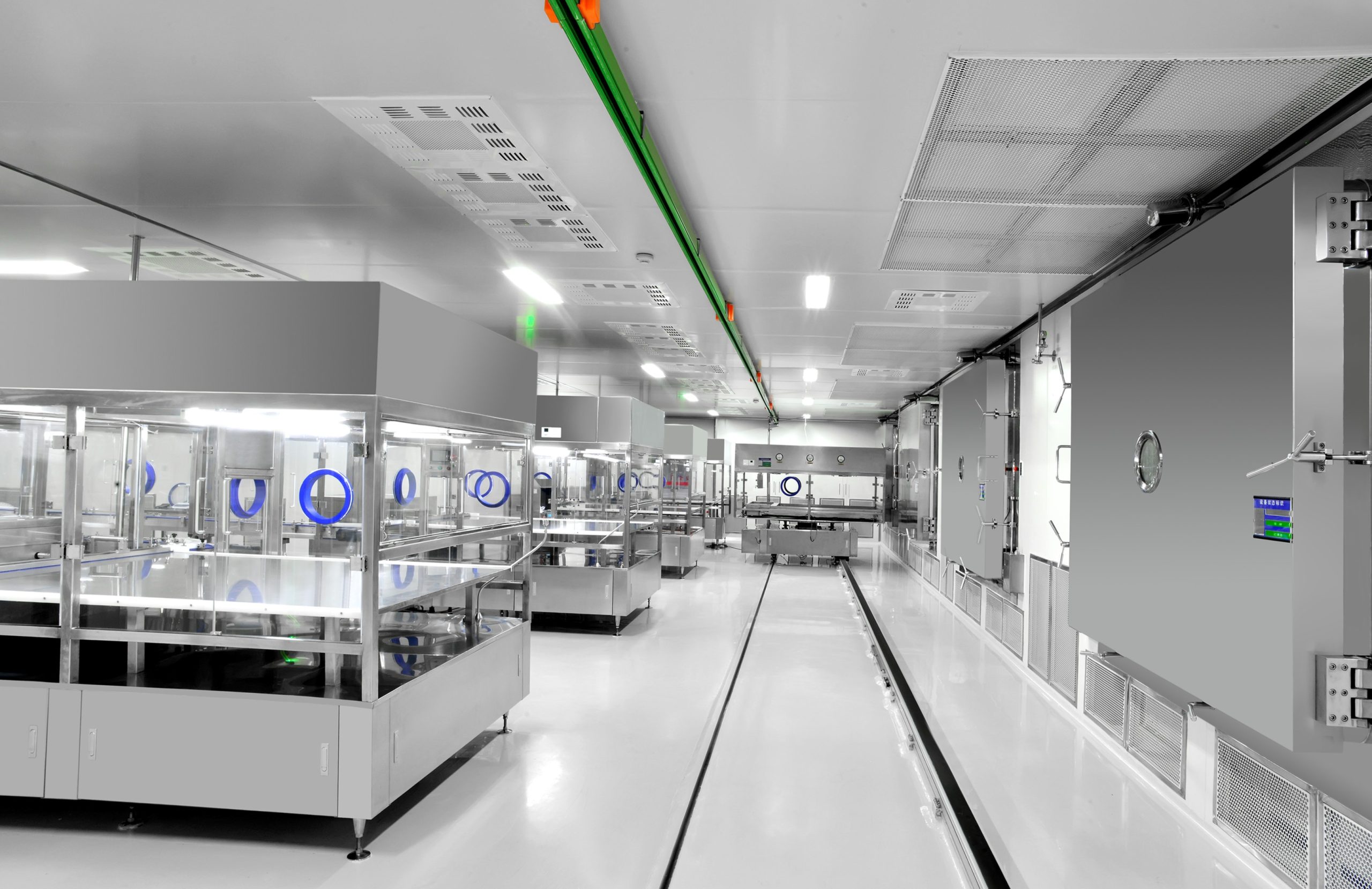
The whole process happens in a closed system. No drying step. No wastewater.
On Reddit’s r/ChemicalEngineering, one user summed it up plainly: “Dry granulation is like making IKEA furniture—fewer parts, less mess, but you need the right tools.”
That “right tool” means Pneumatic Dry Granulator.
Part Two: Why “Pneumatic”? Answers from Real Reddit Complaints
On Reddit’s r/ProcessEngineering, I saw a striking post: “Our old roller compactor kept jamming. Switched to pneumatic system—best decision ever.”
Traditional Roller Compactor “Pain Points”
Comments exploded:
- User A (Swiss CRO): “Roller compactors demand high powder flowability. Slightly moist or sticky powder jams everything.”
- User B (Indian generic plant): “Cleaning rollers is hell. Especially with high-value APIs. Loss rates make bosses want to smash machines.”
- User C (Chinese equipment maintenance engineer): “After roller wear, granule density becomes uneven. Tablet cracking rates spike.”
These complaints point to one core issue: Traditional dry granulation relies on mechanical pressure. It’s picky about materials. Not friendly to operators.
Pneumatic System’s “Dimensional Strike”
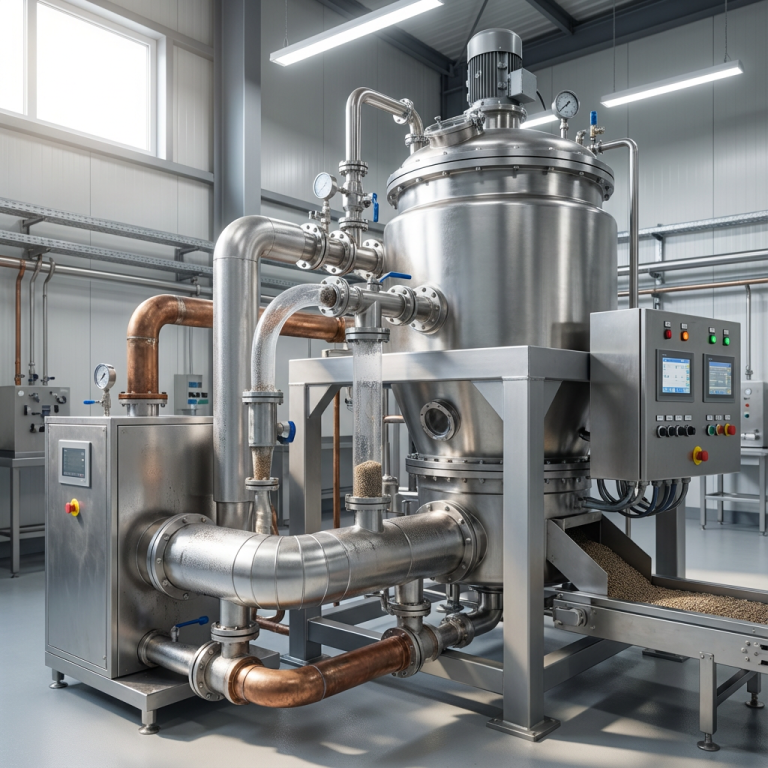
Pneumatic Dry Granulator design is completely different:
- Airflow replaces some mechanical force: Precisely controlled compressed air helps powder distribute evenly in compression chambers. Reduces “dead spots” and “bridging.”
- Smart feedback systems: Real-time monitoring of pressure, temperature, material flow. Automatic parameter adjustment (standard in high-end Solid Dosage Equipment Manufacturer product lines).
- Modular design: Cleaning, maintenance, material changes are 3x faster than traditional equipment.
A process development expert who worked at Novartis said it plainly on Quora:
“Pneumatic systems are like having power steering in your car—you’re still doing the same thing, but with way less effort and more precision.”
Part Three: Market “Cold Start” and “Explosion”: Why Now?
Interesting phenomenon: Pneumatic dry granulation technology isn’t new. But widespread adoption happened in the last 5-7 years.
On Reddit’s r/biotech, someone asked: “Why did pharma take so long to adopt pneumatic dry granulation?”
Three “Tipping Points” Converging
From Quora and Reddit discussions, I identified three key drivers:
1. Regulatory Pressure Increased
- FDA and EMA promotion of Continuous Manufacturing exposed traditional batch production weaknesses.
- Pneumatic dry granulation’s containment and traceability perfectly match PAT (Process Analytical Technology) requirements.
2. APIs Got More “Delicate”
- Biologics and targeted drug active ingredients are often extremely sensitive to heat, moisture, shear force.
- One Reddit user shared a case: “We had an anticancer drug project. Wet granulation degraded active ingredient by 12%. With pneumatic dry method, it dropped below 2%.”
3. Equipment Manufacturers Competed Harder
- Competition among Solid Dosage Equipment Manufacturers forced rapid technology iteration.
- Pneumatic systems once costing millions of dollars are now affordable for mid-sized pharma companies.
Part Four: Not All “Dry” is Equal: Pneumatic System’s “Hidden Costs”
But think calmly. If pneumatic dry granulation is so perfect, why do people still use wet methods?
On Reddit’s r/pharma, a quality director’s answer was harsh:
It’s Not a Magic Key
- Material suitability has thresholds: Brittle materials with poor plasticity (like some sugar excipients) crush excessively during roller compaction.
- Upfront investment isn’t low: Though long-term savings exist, initial equipment plus validation costs deter small pharma companies.
- High skill requirements: Operators need to understand dynamic balance between “pressure-density-particle size.” Not just button-pushing.
A user at a Bangladesh pharma plant complained: “We spent half a year training the team. First three months produced granules either too hard or too loose. Boss almost wanted to return the equipment.”
This reminds me: Technology advancement sometimes becomes its own adoption barrier.
Part Five: Future Picture: Will Pneumatic Granulation Become “New Normal”?
Back to the opening question: Why is everyone suddenly talking about dry granulation?
I think it’s not “sudden.” It’s multiple trends reaching an intersection point:
- Environmental regulations tightening: Wet granulation’s solvent emissions and wastewater treatment costs keep rising.
- Personalized medicine rising: Small-batch, multi-variety production needs flexible equipment for quick changeovers.
- Supply chain localization: Post-pandemic, countries build domestic capacity. They prefer equipment with small footprints and easy validation.
An industry analyst on Quora predicted: By 2030, at least 40% of new solid dosage production lines will have standard pneumatic dry granulation systems.
But this doesn’t mean wet methods disappear. Like automatic transmissions becoming common. Manual cars still have fans. The key is pharma companies and Solid Dosage Equipment Manufacturers must make optimal choices based on specific products and market positioning.
Closing
Writing this far, I suddenly feel pharma equipment evolution is essentially finding new balance points between “efficiency” and “quality.”
Pneumatic dry granulation’s popularity isn’t because it’s “perfect.” It’s because at this moment in time, it hits multiple industry pain points.
Like an old pharmacist said on Reddit: “Technology doesn’t replace thinking—it just gives you better tools to think with.”