
The Real Talk Behind Vial Filling Machines: Rants and Reflections from Pharma Pros
When 1 Out of 12 Filling Heads Decides to Act Up
A frustrated engineer posted on Reddit’s r/PLC board. His story hit close to home.
He maintains a 12-head liquid filling machine. Head #1 keeps misbehaving. Sometimes it overfills by 50 grams. Sometimes underfills. The error got so bad that operators just skip it entirely.
Here’s the kicker. He replaced everything. Encoder. Proximity switch. Solenoid valve. Even rewired the whole thing. The other 11 heads? Running perfectly.
One veteran from a dairy plant nailed it in the comments. “98% of filling problems are mechanical. Not control system issues.” He’d seen it before. Usually a check valve not closing fully. The diaphragm pump sucks back, material leaks in. Next fill comes up short because of air. Rinse and repeat.
This made me think. We always suspect the high-tech stuff first. Swap sensors. Tweak the program. Recalibrate everything. Then we find a broken spring or something stuck in a valve.
The fancier the equipment, the easier we overlook “boring” mechanical details.
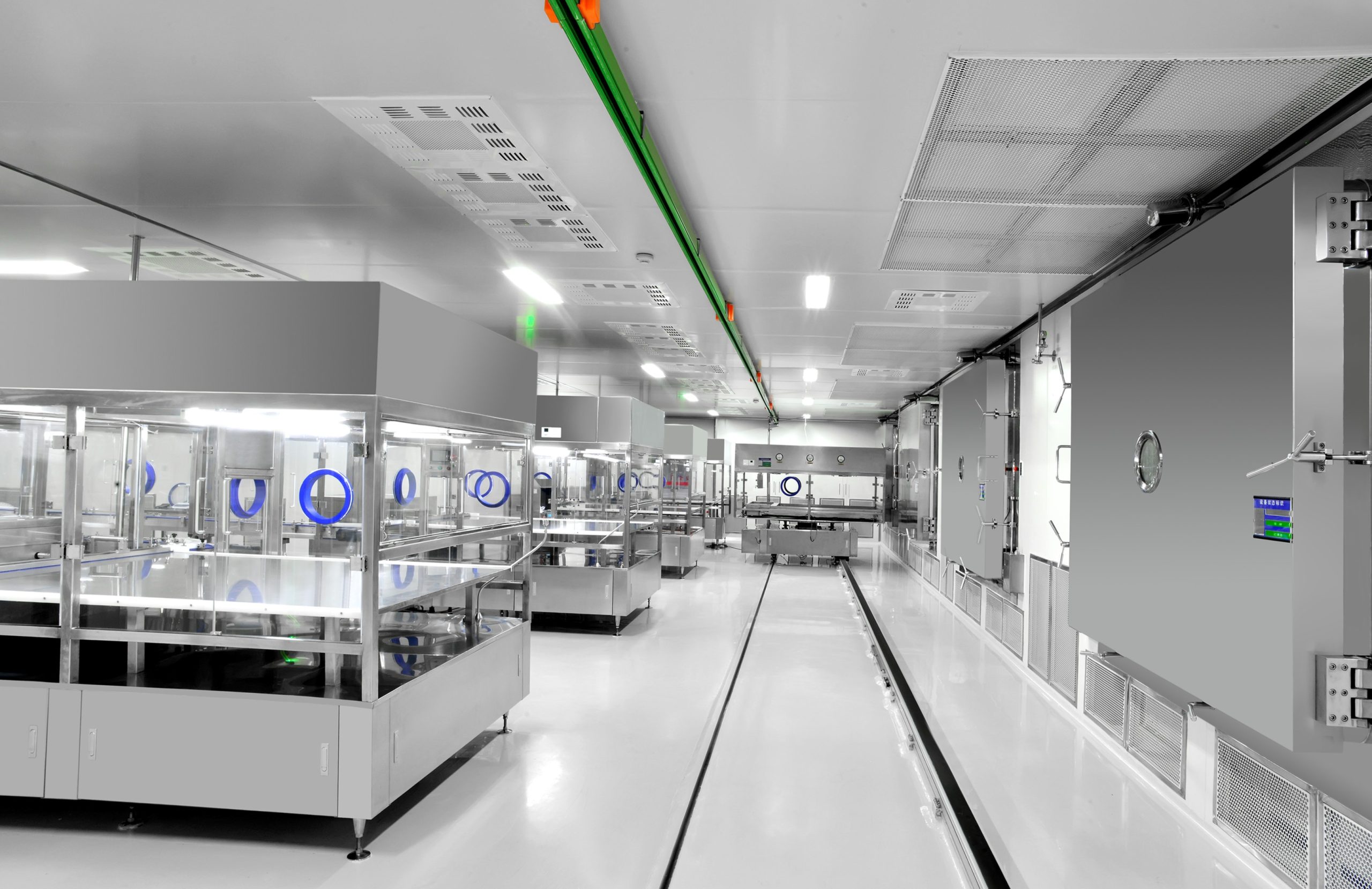
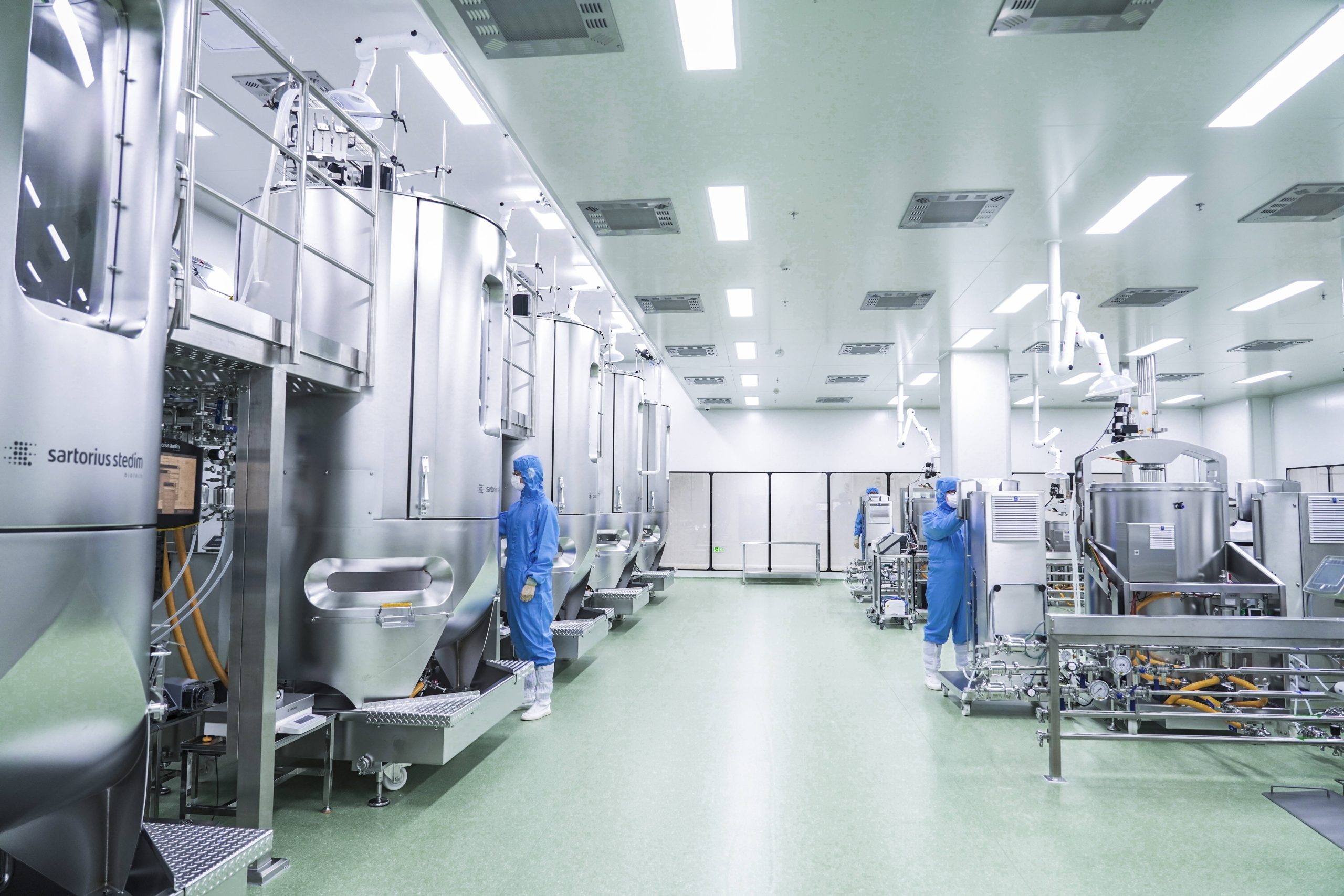
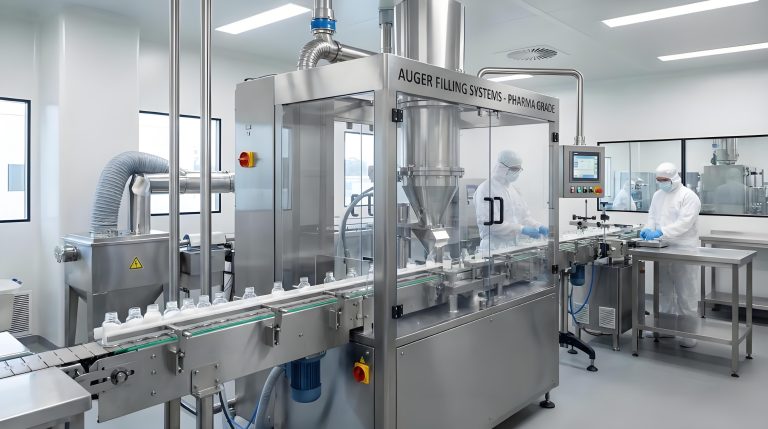
In pharma, Vial Filling Machine precision standards are brutal. One tiny mechanical deviation can scrap an entire batch. Choosing a reliable Pharmaceutical Equipment Manufacturer matters. Not just for machine quality. Also for maintenance support down the road.
The Price War: Hidden Costs Nobody Warns You About
Someone on r/pharmacy asked about automatic filling machine costs. Answers ranged from $20,000 to $200,000. That spread is insane.
One pharmacist shared their Parata Max experience. 182 drug units. Five years of “rock solid” service. They even named the machine Maxine. Called her their “pharmacy assistant MVP.”
But here’s the catch. McKesson stopped supporting Parata after BD acquired it. Now it’s in “transition mode.” Good luck negotiating prices.
The consumables cost is even wilder. A repackaging department pharmacist mentioned their latest order. $12,000 for paper and ribbon. “That’ll last about a month.”
It clicked for me. Buying equipment is like buying a car. The sticker price is just the start. Maintenance. Parts. Consumables. Service contracts. Those are the real money pits. And if your vendor gets acquired or restructured? You might not even find replacement parts.
One overlooked cost: noise. Multiple users mentioned Parata Max runs loud. It needs compressed air. In a 1,000 square foot pharmacy, you’ll notice. Someone said “you need a tech watching it whenever it runs.”
So much for saving labor with automation, right?
Before buying automated equipment, ask current users these questions:
- How much do consumables cost yearly?
- How fast is repair response?
- What happens if the vendor shuts down or gets acquired?
Machines Don’t Run Themselves—They Need Care
One Reddit comment stuck with me: “We jokingly call her Maxine.”
Naming your machine sounds cheesy. But it’s real. When you work with equipment daily, it develops personality. It throws tantrums. Sometimes it overperforms. You start treating it like a coworker.
Another user got blunt: “You think buying it is the end? You still need to refill units. Change labels. Clean dust.” A mail-order pharmacy worker mentioned their setup. 960 Parata Max canisters. Over 20 technicians just for calibration, troubleshooting, and cleaning.
This reminded me of something. Automation doesn’t replace people. It changes what people do. Instead of counting pills, staff now maintain machines. Monitor processes. Handle exceptions.
You’re not cutting labor costs. You’re converting repetitive work into technical management.
For Powder Filling Machine applications, things get trickier. Powder flowability. Static. Humidity. All affect fill accuracy.
One entrepreneur running chemistry workshops asked Reddit for help. His liquid filler worked fine. Powder filling? “Completely clueless.” Comments suggested Loss-in-Weight Feeders. Load cells plus screw or belt control. Sounds complicated because it is.
ScriptPro, Parata, Yuyama… Which Team Are You On?
I dug through Reddit and Quora. Brand discussions get tribal.
Team ScriptPro:
- “Used for 25 years, still running. Great tech support. Solid engineering.”
- But also: “Beeps every five scripts. Annoying.” “Counts wrong. Pills everywhere.”
Team Parata:
- “Two Parata Max units reduced tech hours. Team does more patient care now.”
- Downsides: Loud. Dusty. Needs constant supervision. Vendor support now shaky.
Team Yuyama:
- “Yuyama Evo 54 is reliable and accurate. Semi-automatic—counts only, no labeling or capping. Large cells make workflow smooth.”
- Cons: Only 54 units. Must order cell swaps through official portal.
Some folks said: “Just buy two Eyecons.” Simple tabletop counters. Six grand each. No babysitting required.
Here’s my takeaway. No perfect equipment exists. Only equipment that fits your workflow and budget.
Real user experiences on Reddit beat any sales brochure. They’ll tell you things like:
- “Great in ideal conditions. Falls apart with clear capsules.” (Eyecon limitation)
- “If you only fill 140 scripts daily, $200K might not make sense.”
You won’t find these details in marketing materials.
“90% Is Mechanical”—Wisdom From the Front Lines
The highest-voted comment on that filling head post said it all. “90% of the time it’s mechanical. Not controls. I did years of filler maintenance. Controls always take the blame.”
Sounds like a joke. But think about it.
We live in an era obsessed with “digital” and “smart” solutions. Something breaks? First thought: “Software bug?” “Sensor calibration off?” “Need a system upgrade?”
Then you open it up. A seal ring degraded.
Quora discussions on pharma filling get technical. Sterile filter integrity testing. Diffusive flow methods. Microbial challenge testing. Invisible hardcore stuff that directly affects drug safety.
For example, surfactants like Tween can increase filter pore size. Material selection and thorough validation are critical.
This hit me. A machine that “just fills” actually combines materials science, fluid dynamics, microbiology, and automation control. Complex systems often fail at the simplest points. A valve. A tube. A seal.
Next time your equipment stops working, start with the basics. Don’t jump straight to the high-tech stuff.