
Those Overlooked Details: The Pharmaceutical World Behind Tablet Polishing Machines
When a Perfect Pill Becomes a “Problem Maker”
Have you ever closely examined a pill in your hand? That smooth surface, uniform color. It looks so “perfect.” But in Reddit’s pharmaceutical discussion forums, one engineer complained like this: “Pills fresh from tablet press machines are literally ‘dusty and rough.’ Surface covered with powder and burrs. Direct packaging? That’s digging your own grave.”
These words aren’t exaggerated at all. Statistics show unpolished tablets cause packaging jams due to surface defects. This can increase production line downtime by 15%. The solution to all this hides in a seemingly insignificant device—the Tablet Polishing Machine.
Real Reddit Complaints: Why Small Manufacturers Always “Crash” Here
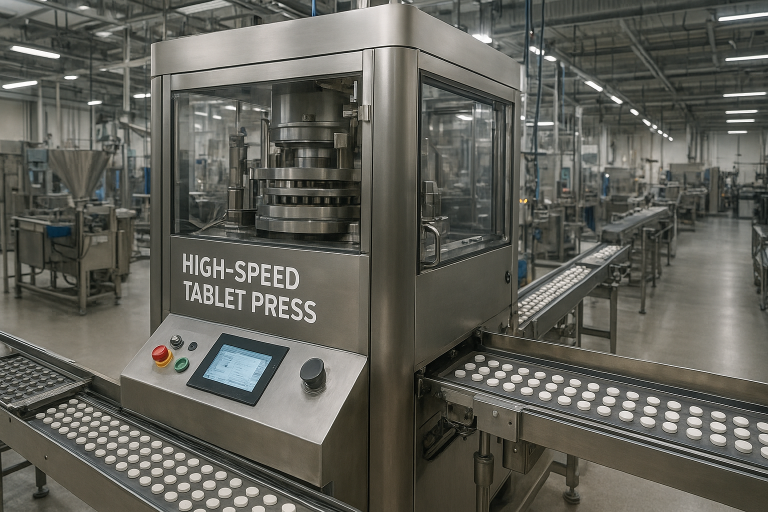
In the r/manufacturing section, an entrepreneur’s help post triggered heated discussion. He needed tablet pressing equipment. Budget under $1000. Capacity requirement: 1000 tablets daily. The replies were brutally honest. “Bro, your budget can’t even buy a decent manual tablet press. Let alone subsequent polishing equipment.”
It’s true. Many small manufacturers new to pharmaceuticals put all attention on the pressing stage. They think having tablet press machines solves everything. Then during quality inspection, they discover problems. Tablet surface dust, burrs, uneven coloring become major issues.
An experienced netizen shared his “pitfall” experience. “We initially ignored the polishing stage too. Result: first batch had 20% rejected for appearance failures. Only then did we realize in pharmaceuticals, ‘appearance’ is really a hard requirement.”
Quora Expert Perspective: Polishing Isn’t Just “Makeup”
Compared to Reddit’s practical experience sharing, Quora discussions lean more technical. An engineer from solid dosage equipment manufacturers explained in detail the necessity of tablet polishing:
Removing surface dust: Powder generated during pressing adheres to tablet surfaces. If not removed, it affects appearance. It may also impact subsequent coating or printing processes.
Eliminating mechanical marks: Mechanical action during pressing leaves subtle marks on tablet surfaces. Polishing makes surfaces smoother and more uniform.
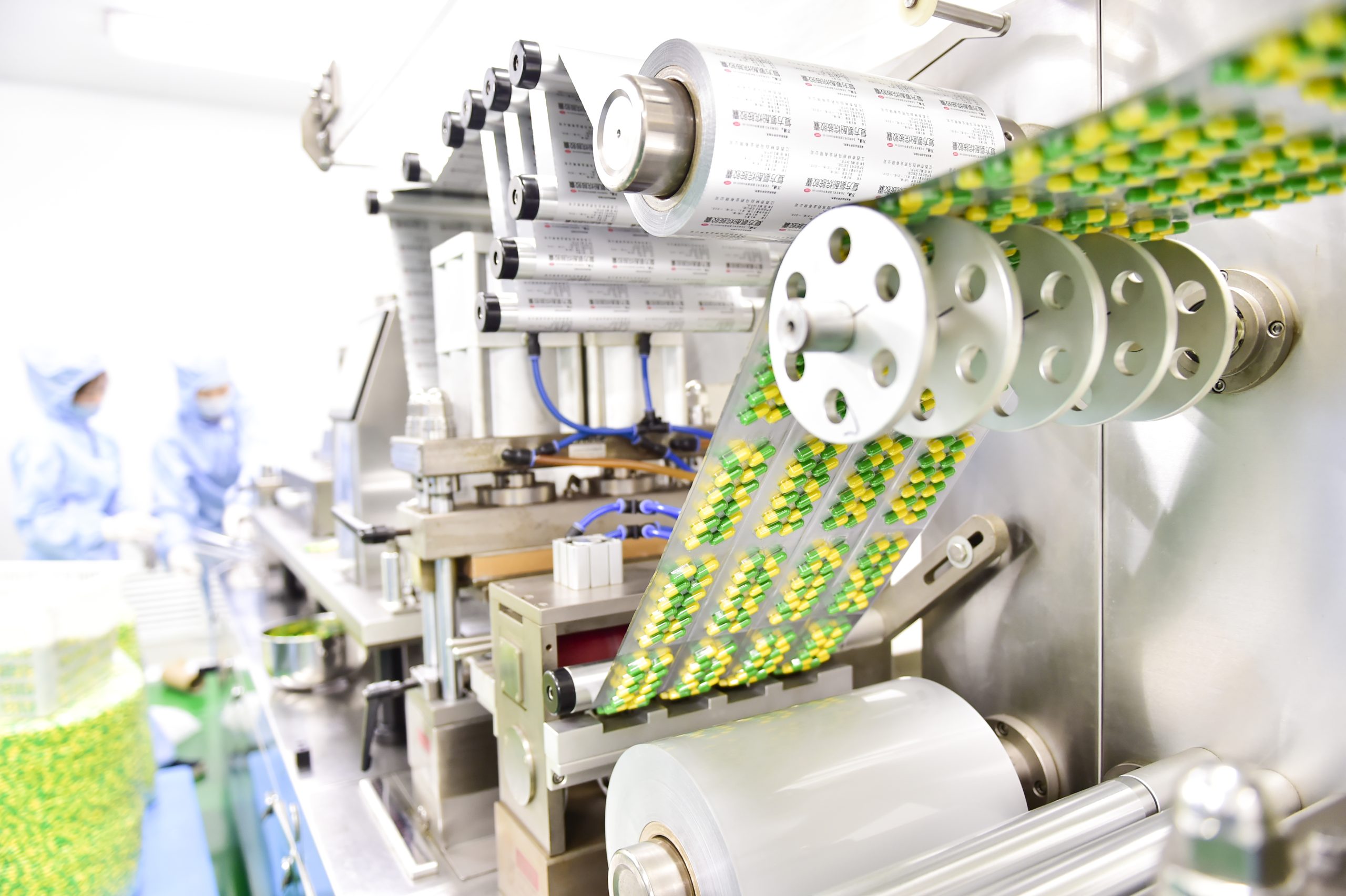
Improving packaging efficiency: Smooth tablets flow more smoothly on packaging lines. This reduces jams and breakage.
But this expert also mentioned an interesting point. “Polishing is important, yes. But excessive polishing actually destroys tablet structural integrity. The key is finding that ‘just right’ balance point.”
Industry “Unspoken Rules”: Choosing Polishing Machines Has Tricks
After deep investigation, I found tablet polishing machine selection is actually quite particular.
Vibratory polishing is most common. Through vibration, tablets rub against each other in the polishing chamber. This removes surface dust. Low cost, suitable for large-scale production. But it’s quite noisy.
Drum polishing is gentler. Tablets tumble in slowly rotating drums. Combined with soft brushes or polishing pads. Though slower, it causes less tablet damage. Especially suitable for some fragile special formulations.
Airflow dust removal is the newest technology. High-pressure airflow blows away surface dust. Almost contactless. But equipment cost is relatively high.
A quality manager at a pharma factory shared experience on Quora. “Choosing equipment can’t just look at price. Must consider your product characteristics. We previously used vibratory processing for enteric-coated tablets. Result: part of the coating layer got worn off. Eventually switched to gentler drum type.”
Those Unexpected “Side Effects”
The polishing process seems simple. But actual operation has plenty of “pitfalls.”
Someone on Reddit shared a case. Their factory installed a new high-efficiency polishing machine. Then they found product dissolution testing showed abnormalities. Later they discovered static electricity generated during polishing caused fine powder to reattach to tablet surfaces. This affected drug release.
There’s even stranger cases. One company used a polishing machine to process vitamin tablets. Result: finished product color was darker than expected. After investigation, they found frictional heat during polishing caused slight oxidation of some vitamins. Though it didn’t affect efficacy, the appearance change made customers question it.
This reminds me of an old saying in pharmaceuticals: “Details determine success or failure. In pharmaceuticals, details often determine life or death.”
Future Trends: New Tricks in Intelligent Polishing
Interestingly, tablet polishing technology is quietly evolving too.
Some advanced polishing equipment now integrates vision inspection systems. They can monitor each tablet’s surface quality in real-time. Automatically adjust polishing parameters. Some equipment even has artificial intelligence algorithms. They can “learn” optimal polishing solutions for different products.
An engineer from a German equipment manufacturer revealed on Quora: “We’re developing machine learning-based polishing control systems. They can automatically optimize polishing processes. Based on raw material batches, environmental humidity, equipment wear conditions. The goal is improving polishing quality consistency to above 99.8%.”
Final Words: Small Equipment, Big Knowledge
The tablet polishing machine, this seemingly insignificant device, actually embodies pharmaceuticals’ pursuit of quality. From small manufacturers’ real troubles on Reddit to experts’ technical discussions on Quora. All proving one truth: in the precision pharmaceutical industry, there are no truly “small details.”
Behind every smooth and shiny pill lies complex and rigorous process flows. The tablet polishing machine is like the “makeup artist” on this assembly line. Silently “grooming and dressing” each pill. Ensuring they reach patients in optimal condition.
Perhaps next time you swallow a pill, you’ll remember these behind-the-scenes stories?