
Top 10 Tablet Press Machine Manufacturers You Need to Know in 2026
📋 Introduction
What is a Tablet Press Machine?
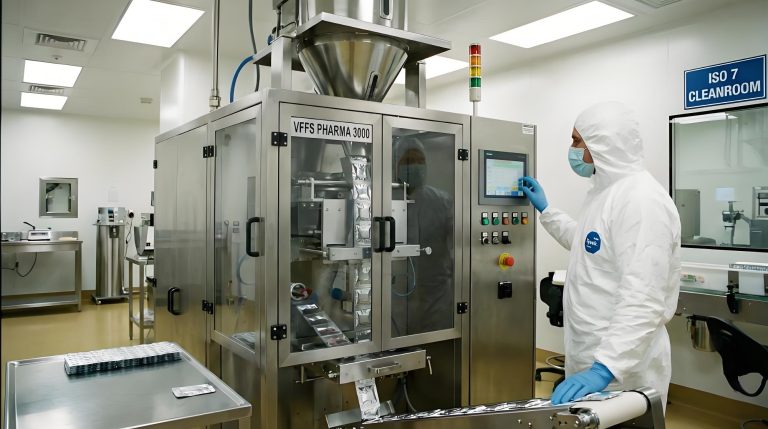
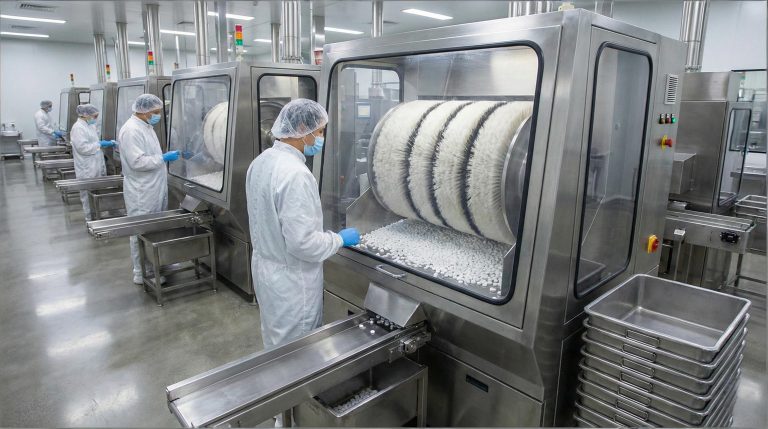
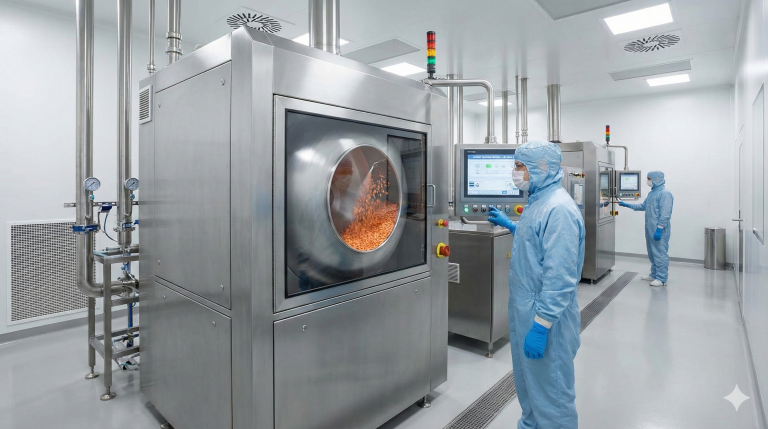
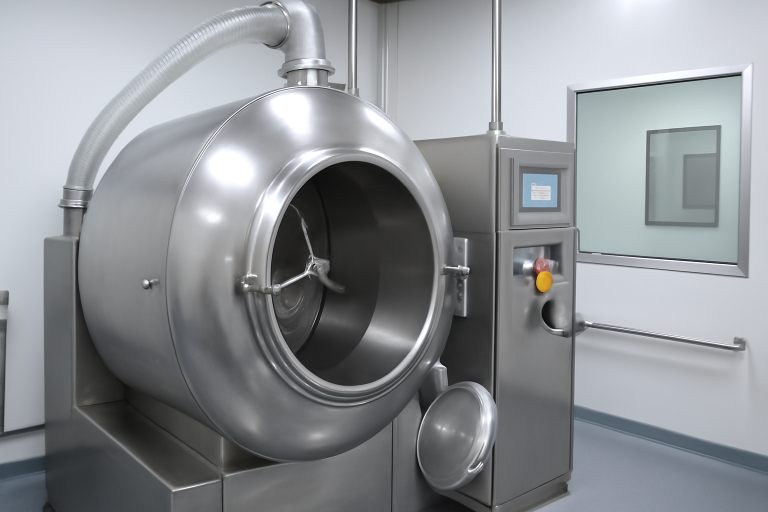
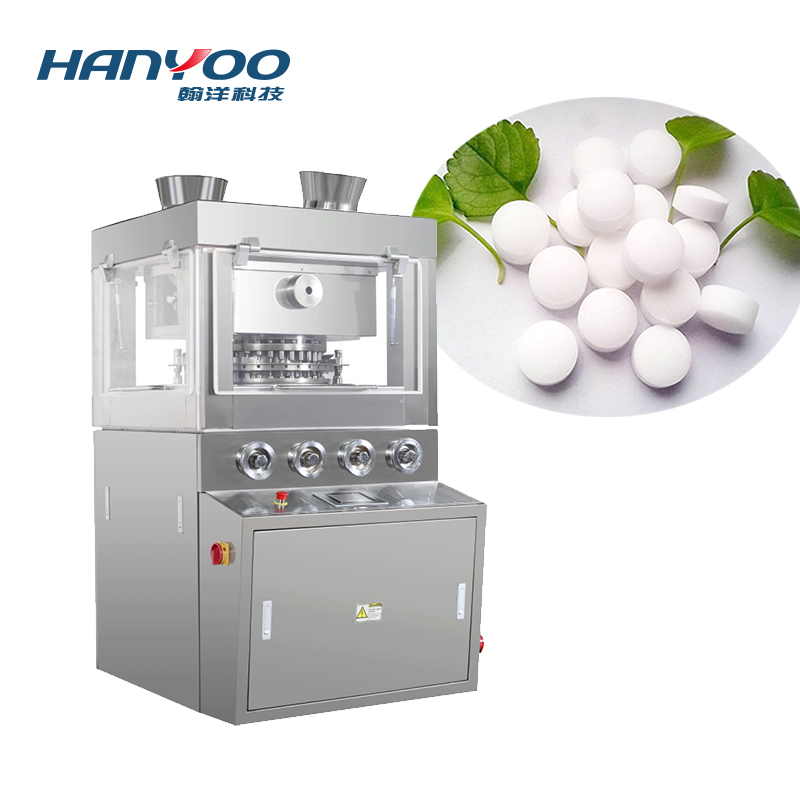
A tablet press machine (also known as a tablet compressing machine or tableting machine) is a sophisticated pharmaceutical manufacturing device that compresses powder formulations into uniform tablets through precise mechanical force.
Core Working Principle:
- Utilizes punches and dies to transform pharmaceutical powders
- Compresses APIs (Active Pharmaceutical Ingredients) and excipients
- Creates solid dosage forms with consistent weight, size, and hardness
🏭 Industry Importance
Tablet press machines serve as the cornerstone of solid dosage manufacturing across multiple sectors:
| Industry | Application | Impact |
|---|---|---|
| 💊 Pharmaceutical | Prescription & OTC medications | Patient safety & efficacy |
| 🌿 Nutraceutical | Dietary supplements | Wellness products |
| 🍽️ Food | Food supplements | Nutrition delivery |
| ⚗️ Chemical | Industrial tablets | Process materials |
Market Insights:
- 📊 Global Production: 1.8 trillion tablets produced in 2024
- 💰 Market Size: USD 1.1 billion (2024) → USD 1.8 billion (2033)
- 📈 Growth Rate: 6.2% CAGR (2026-2033)
Why This Guide Matters
This comprehensive guide examines the top 10 manufacturers dominating the 2026 market, providing:
✅ Technological capabilities analysis
✅ Product portfolio overviews
✅ Competitive advantage insights
✅ Practical decision-making frameworks
Target Audience: Procurement managers, technical engineers, pharmaceutical executives, and enterprise owners.
🏆 Top 10 Tablet Press Machine Manufacturers in 2026
1. 🥇 Fette Compacting
🌐 Website: fette-compacting.com
📍 Headquarters: Schwarzenbek, Germany
🎂 Experience: 100+ years
Company Overview
Fette Compacting stands as the undisputed global leader in tablet press manufacturing, specializing in high-performance systems for pharmaceutical and nutrition industries.
🔑 Core Technological Advantages
| Technology | Benefit |
|---|---|
| FE CPS Platform | Continuous manufacturing with lean design |
| Automatic Lubrication | Reduced maintenance, increased uptime |
| PAT Integration | Real-time process analytical technology |
| Industry 4.0 Ready | Digital architecture for smart manufacturing |
📦 Flagship Product Lines
- FE55 & FE75 Series
- High-speed rotary presses
- Production capacity: Up to 675,000 tablets/hour
- Ideal for: Large-scale pharmaceutical production
- i-Series
- Laboratory and R&D applications
- Small-batch production
- Rapid formulation development
🎯 Unique Selling Points
✨ Pioneering continuous manufacturing technology
✨ Unmatched global service network
✨ Industry benchmark for efficiency and quality
✨ Advanced digital integration capabilities
2. 🥈 KORSCH AG
🌐 Website: korsch.com
📍 Headquarters: Berlin, Germany
🎂 Experience: 120+ years
Company Overview
KORSCH AG represents over a century of tablet press innovation, specializing in precision engineering for pharmaceutical, nutraceutical, and industrial applications.
🔑 Core Technological Advantages
Modular Excellence:
| Series | Features | Applications |
|---|---|---|
| XL Series | XL 400, XL 800 high-speed | High-volume production |
| XP Series | Precision control | Complex formulations |
Digital Innovation:
- 🤖 AI-powered process optimization
- 🔮 Predictive maintenance algorithms
- 🔄 Seamless continuous manufacturing integration
📦 Key Product Features
- Advanced Compression Control
- Exceptional force management
- Superior tablet quality consistency
- Tooling Flexibility
- Compatible with B, D, and EU standards
- Multi-layer tablet capabilities
- Smart Manufacturing
- Real-time data analytics
- Digital twin technology
🎯 Unique Selling Points
✨ Industry 4.0 leadership
✨ Patented force-feeding systems
✨ Comprehensive digitalization
✨ Data-driven manufacturing excellence
3. 🥉 GEA Group
🌐 Website: gea.com
📍 Headquarters: Germany (Global Operations)
🏢 Type: Engineering Conglomerate
Company Overview
GEA Group delivers comprehensive pharmaceutical processing solutions with emphasis on fully automated, high-volume production systems for pharmaceutical, food, and chemical industries.
🔑 Core Technological Advantages
NexGen Press® Range:
| Feature | Advantage |
|---|---|
| Hybrid Design | Combines MODUL + PERFORMA best features |
| Real-time Monitoring | Compression parameter control |
| Quick Changeover | Minimal downtime |
| Maintenance Access | Enhanced serviceability |
Continuous Manufacturing:
- ConsiGma® Platform
- Integrated granulation → drying → milling → compression
- Seamless production flow
- Reduced footprint
📦 Product Scalability
Laboratory Scale → Pilot Production → Commercial Manufacturing- 🔬 R&D equipment
- 🏭 Full-scale production systems
- 🔄 Validated performance across scales
🎯 Unique Selling Points
✨ Turnkey integrated solutions
✨ Superior scalability
✨ Extensive process engineering support
✨ Continuous manufacturing expertise
4. 🏅 IMA Group (IMA Pharma)
🌐 Website: ima.it/pharma
📍 Headquarters: Bologna, Italy
🌍 Presence: 80+ countries
Company Overview
IMA Group ranks among the world’s largest pharmaceutical equipment manufacturers, offering comprehensive solutions from primary manufacturing through final packaging.
🔑 Core Technological Advantages
Comprima Series Excellence:
| Capability | Description |
|---|---|
| Versatility | Multiple formulation types |
| Precision | Consistent quality output |
| Integration | Seamless downstream connectivity |
| Customization | Tailored automation solutions |
Product Portfolio:
- Comprima Series
- High-performance rotary presses
- Advanced automation
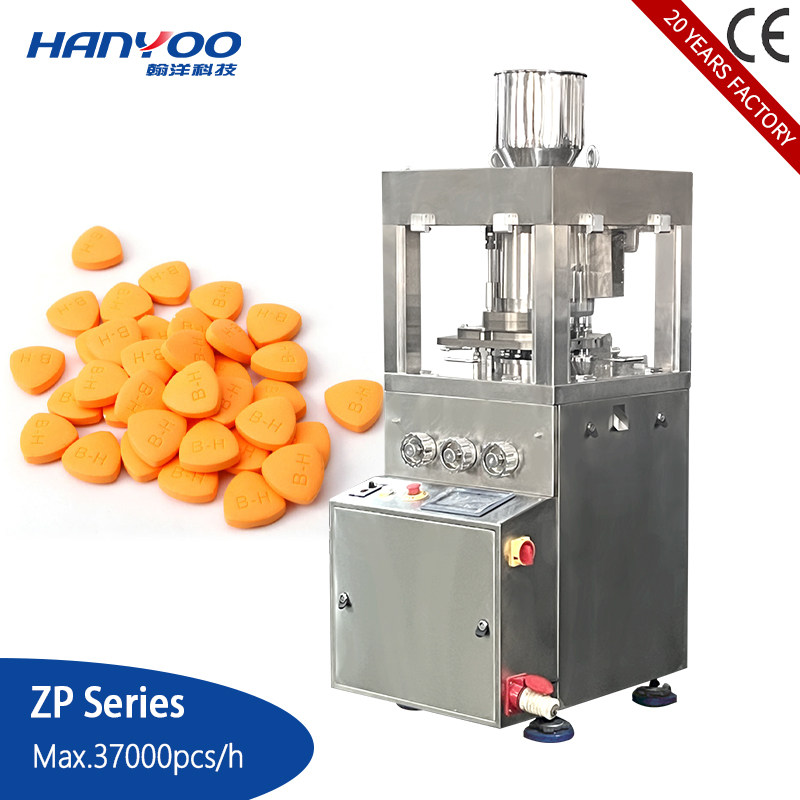
- ZP Series
- Cost-effective solutions
- Emerging market focus
- GMP compliant
📦 Integrated Solutions
Complete Production Ecosystem:
1️⃣ Primary manufacturing
2️⃣ Tablet compression
3️⃣ Coating systems
4️⃣ Packaging equipment
5️⃣ Quality control
🎯 Unique Selling Points
✨ End-to-end production solutions
✨ Comprehensive technical support
✨ Validated cleaning protocols
✨ Direct compression expertise
✨ Global service infrastructure
5. ⚙️ Syntegon Technology
🌐 Website: syntegon.com
📍 Former Name: Bosch Packaging Technology
🎂 Heritage: 100+ years of German engineering
Company Overview
Syntegon Technology represents the rebranded pharmaceutical division of Bosch, delivering intelligent, flexible production systems with advanced automation.
🔑 Core Technological Advantages
Smart Manufacturing Integration:
| Technology | Application |
|---|---|
| Intuitive HMI | User-friendly interfaces |
| Auto Weight Control | Real-time monitoring |
| Data Analytics | Process optimization |
| Serialization | Track & trace compliance |
PCM Platform Benefits:
- ⏱️ Shorter development timelines
- 💊 Reduced API consumption
- 🔄 Enhanced production flexibility
- 📉 Lower operational costs
📦 Sustainability Focus
Green Manufacturing:
- ⚡ Energy-efficient designs
- ♻️ Minimal waste generation
- 🌱 Reduced environmental impact
- 📊 Carbon footprint optimization
🎯 Unique Selling Points
✨ Digital transformation leadership
✨ Continuous manufacturing expertise
✨ Comprehensive documentation
✨ Process optimization consulting
✨ Sustainability commitment
6. 🔧 Romaco Group
🌐 Website: romaco.com
📍 Headquarters: Germany (Global Operations)
🏢 Structure: Multi-brand conglomerate
Company Overview
Romaco Group operates as a specialized pharmaceutical and food machinery conglomerate, featuring the renowned Kilian tablet press division.
🔑 Core Technological Advantages
Kilian Division Excellence:
| Feature | Benefit |
|---|---|
| 24/7 Operation Design | Continuous production capability |
| Tooling Flexibility | Multiple formulation support |
| Quick-Change Turret | Rapid product switching |
| Automated Cleaning | Reduced maintenance time |
Complex Formulation Expertise:
- 🎂 Multi-layer tablets
- 🎯 Core-coated tablets
- ⏰ Modified-release formulations
- 🔬 Specialized delivery systems
📦 System Integration Capabilities
Comprehensive Solutions:
- Equipment design
- Process optimization
- Line integration
- Quality control systems
- Complete production lines
🎯 Unique Selling Points
✨ Custom engineering excellence
✨ Complex formulation expertise
✨ Integrated system solutions
✨ Consolidated equipment partnerships
7. 🇺🇸 Natoli Engineering
🌐 Website: natoli.com
📍 Headquarters: Saint Charles, Missouri, USA
🎂 Founded: 1973
Company Overview
Natoli Engineering represents American precision manufacturing, specializing in tablet compression tooling and rotary presses entirely designed and manufactured in the USA.
🔑 Core Technological Advantages
Tooling Leadership:
- 📊 Annual Production: 500,000+ tooling sets
- 🎯 Expertise: Unparalleled compression knowledge
- 🏭 Integration: Complete tableting solutions
NP Series Benefits:
| Feature | Value Proposition |
|---|---|
| Affordability | Competitive pricing |
| Robustness | Durable construction |
| Versatility | Multiple applications |
| Value | Mid-volume optimization |
📦 Total Tableting Solutions Approach
Integrated Support:
1️⃣ Formulation development
2️⃣ Tooling design
3️⃣ Equipment selection
4️⃣ Process optimization
5️⃣ Training programs
6️⃣ Ongoing technical support
🎯 Unique Selling Points
✨ 100% USA manufacturing
✨ Rapid spare parts availability
✨ Technical Center training facility
✨ Domestic supply chain reliability
✨ Multi-industry expertise
8. 🌏 ACG Worldwide
🌐 Website: acg-world.com
📍 Headquarters: Mumbai, India
🏆 Position: Asia’s leading pharmaceutical equipment manufacturer
Company Overview
ACG Worldwide has emerged as a comprehensive solution provider spanning capsule manufacturing, tablet compression, coating, packaging, and inspection systems.
🔑 Core Technological Advantages
Performance Specifications:
| Parameter | Specification |
|---|---|
| Max Speed | 450,000 tablets/hour |
| Automation | Modern control systems |
| Construction | Tropical-rated design |
| Compliance | GMP standards |
Market Positioning:
- 💰 Cost-effective engineering
- ⚡ Rapid deployment timelines
- 🌍 Growing global service network
- 🎯 Emerging market focus
📦 Integrated Product Portfolio
Complete Solutions:
- 💊 Tablet compression
- 🎨 Coating systems
- 📦 Packaging equipment
- 🔍 Inspection technology
- 💊 Capsule manufacturing
🎯 Unique Selling Points
✨ Aggressive pricing strategy
✨ Favorable TCO (Total Cost of Ownership)
✨ Generic drug market expertise
✨ Single-supplier convenience
✨ Emerging market optimization
9. 🔬 Elizabeth-Hata (Elizabeth Companies)
🌐 Website: eliz.com
📍 Location: United States
🎯 Specialization: Versatile interchangeable-turret systems
Company Overview
Elizabeth Companies features the renowned Hata Press series, specializing in pharmaceutical processing equipment for R&D, clinical, and production applications.
🔑 Core Technological Advantages
Hata CVX Series Features:
| Technology | Application |
|---|---|
| Quick-Change Turret | Rapid product transitions |
| Tooling Flexibility | B/D/EU interchangeability |
| Easy Cleaning | Manual washdown design |
| Automation | Integrated feeding & control |
Advanced Capabilities:
- CorePlus Series
- Multi-layer tablets
- Tablet-in-tablet technology
- Complex formulation support
📦 Application Focus
Ideal For:
- 🔬 R&D laboratories
- 💊 Clinical trial materials
- 🏭 Contract manufacturing
- 📊 Diverse product portfolios
- 🎯 Commercial production
🎯 Unique Selling Points
✨ Interchangeable turret technology
✨ Exceptional cleaning accessibility
✨ Multi-tooling compatibility
✨ Customer-centric support
✨ Complex compression expertise
10. 🇰🇷 Sejong Pharmatech
🌐 Website: sejongpharmatech.com
📍 Headquarters: South Korea
📈 Status: Rising Asian manufacturer
Company Overview
Sejong Pharmatech represents the rising prominence of Asian pharmaceutical equipment manufacturers, specializing in high-speed rotary tablet presses and integrated production lines.
🔑 Core Technological Advantages
Flagship Models:
| Model | Specifications |
|---|---|
| MRC30 | High-speed production |
| 49-Station Press | Large-capacity output |
Technical Features:
- 🖥️ Touch-screen controls
- 🔧 Automatic lubrication
- 📊 Comprehensive data logging
- ⚡ Energy-efficient design
- 🎯 Proprietary force-feeding
📦 Competitive Strengths
Value Proposition:
| Advantage | Description |
|---|---|
| Innovation | Modern engineering |
| Pricing | Competitive rates |
| Quality | Robust construction |
| Efficiency | Continuous operation capability |
| Compliance | Regulatory standards |
🎯 Unique Selling Points
✨ Competitive pricing with quality
✨ Exceptional tablet weight consistency
✨ Energy-efficient operations
✨ Expanding global service network
✨ High-volume generic drug expertise
🎯 Selection Guide: How to Choose the Right Tablet Press Machine
Decision-Making Framework
Making the optimal tablet press selection requires systematic evaluation across six critical dimensions:
1. 📊 Production Capacity and Throughput Requirements
Capacity Assessment Matrix
| Press Type | Capacity Range | Application |
|---|---|---|
| Single-Punch | 100-5,000 tablets/hr | Laboratory & pilot |
| Rotary (Moderate) | 50,000-200,000 tablets/hr | Mid-scale commercial |
| Rotary (High-Speed) | 400,000-675,000+ tablets/hr | Large-scale production |
Key Evaluation Questions
Current State:
- 📈 What is your daily production volume?
- ⏱️ What is your required tablets per hour?
- 📅 What are your annual production projections?
Future Planning:
- 🔮 What is your 5-7 year growth forecast?
- 🔄 Batch vs. continuous manufacturing preference?
- 📊 Peak capacity vs. average utilization?
Station Count Considerations
More Stations:
Fewer Stations:
2. 💊 Tablet Specifications and Formulation Complexity
Tablet Specification Checklist
| Parameter | Typical Range | Considerations |
|---|---|---|
| Diameter | 4-25 mm | Tooling standard selection |
| Thickness | 2-10 mm | Compression force needs |
| Weight | 50-1,500 mg | Weight control precision |
| Hardness | 4-20 kP | Force requirements |
| Shape | Round/Oval/Caplet | Die design complexity |
Formulation Complexity Levels
Standard Tablets:
- Single-layer compression
- Standard formulations
- Basic tooling requirements
Complex Tablets:
- 🎂 Bilayer tablets
- 🎯 Tri-layer tablets
- ⭕ Core-coated tablets
- 🔬 Modified-release formulations
Tooling Standards Comparison
| Standard | Tablet Size | Stations | Compression Force |
|---|---|---|---|
| B Tooling | Smaller (4-9mm) | More stations possible | Lower (5-30 kN) |
| D Tooling | Larger (10-25mm) | Fewer stations | Higher (30-100 kN) |
| EU Tooling | European standard | Medium capacity | Medium (15-60 kN) |
Material Considerations
Difficult-to-Compress Materials:
- Require higher compression forces
- Need modified dwell times
- Demand specialized tooling
- May require pre-treatment
3. 🤖 Automation Level and Integration Requirements
Automation Level Selection Matrix
| Level | Features | Best For |
|---|---|---|
| Manual | Basic operation, manual adjustments | R&D labs, universities |
| Semi-Automatic | Automated feeding, manual monitoring | Small-scale production |
| Fully Automatic | Complete automation, data logging | GMP manufacturing |
| Industry 4.0 | IoT, AI, predictive maintenance | Large-scale pharma |
Integration Capabilities Assessment
Upstream Integration:
- 🔄 Granulation systems
- 🌀 Blending equipment
- 📦 Material handling
- 🎯 Feeding systems
Downstream Integration:
- 🌪️ Dedusting equipment
- 🎨 Coating systems
- 📦 Packaging lines
- 🔍 Quality control
Industry 4.0 Feature Checklist
Essential Digital Capabilities:
✅ IoT connectivity
✅ Real-time process monitoring
✅ Predictive maintenance alerts
✅ Electronic batch records
✅ Data analytics dashboards
✅ Remote diagnostics
✅ MES/ERP integration
✅ Digital twin capability
Manufacturing Mode Evaluation
Batch Manufacturing:
- Traditional approach
- Discrete production runs
- Established validation
Continuous Manufacturing:
- Seamless flow process
- Reduced footprint
- Real-time quality control
- Regulatory considerations
4. 📋 Regulatory Compliance and Documentation
GMP Standards Compliance
Target Market Requirements:
| Region | Standard | Key Focus |
|---|---|---|
| 🇺🇸 USA | FDA cGMP | 21 CFR Part 11 |
| 🇪🇺 Europe | EMA GMP | Annex 11 |
| 🌍 International | WHO GMP | ICH guidelines |
Qualification Documentation
Required Documentation Package:
- DQ – Design Qualification
- Equipment design rationale
- User requirement specifications
- Design specifications
- IQ – Installation Qualification
- Installation verification
- Utility confirmation
- Safety checks
- OQ – Operational Qualification
- Functional testing
- Performance verification
- Alarm testing
- PQ – Performance Qualification
- Process simulation
- Worst-case scenarios
- Validation protocols
Cleaning Validation Requirements
Critical Specifications:
| Aspect | Standard | Importance |
|---|---|---|
| Surface Finish | 316L stainless steel | Material compatibility |
| Surface Roughness | Ra <0.8μm | Cleanability |
| Accessibility | Tool-free panels | Cleaning ease |
| Documentation | SOPs & protocols | Validation support |
Data Integrity Compliance
Electronic Systems Requirements:
- 🔒 Audit trails
- 👤 User authentication
- 📝 Electronic signatures
- 🔐 Data security
- 📊 Record retention
- 🔄 Change control
5. 💰 Maintenance Requirements and Total Cost of Ownership
TCO Components Breakdown
Acquisition Costs:
- 💵 Equipment purchase price
- 📦 Shipping and installation
- ✅ Validation services
- 📚 Operator training
Operational Costs:
- ⚡ Energy consumption
- 💨 Compressed air usage
- 🔧 Preventive maintenance
- 📦 Spare parts inventory
- ⏱️ Downtime costs
Maintenance Accessibility Evaluation
Design Features to Assess:
| Feature | Impact |
|---|---|
| Tool-Free Access | Reduced maintenance time |
| Self-Lubricating Systems | Lower labor costs |
| Minimal Adjustments | Operational efficiency |
| Modular Design | Quick component replacement |
Spare Parts Strategy
Critical Evaluation Factors:
✅ Availability: Stock levels and locations
✅ Lead Times: Standard vs. critical parts
✅ Pricing: Transparency and predictability
✅ Compatibility: Cross-model compatibility
✅ Obsolescence: Long-term availability
Service Network Assessment
Support Infrastructure:
| Aspect | Considerations |
|---|---|
| Local Presence | Response time impact |
| Service Centers | Proximity to facility |
| 24/7 Support | Production continuity |
| Remote Diagnostics | Fast issue resolution |
| Field Service | On-site capabilities |
Energy Efficiency Metrics
Operating Cost Considerations:
- ⚡ Power Consumption: kW per hour
- 💨 Air Usage: CFM requirements
- 💧 Water Cooling: Consumption rates
- 🌡️ HVAC Impact: Heat generation
Lifecycle Cost Projection
15-20 Year Operational Timeline:
Year 0: Acquisition + Installation + Validation
Years 1-5: Warranty period, minimal parts
Years 6-10: Routine maintenance, component replacement
Years 11-15: Major refurbishment considerations
Years 16-20: Technology upgrade evaluation
6. 🤝 Vendor Support and Technology Partnership
Technical Support Capabilities Assessment
Essential Support Services:
| Service Type | Importance | Evaluation Criteria |
|---|---|---|
| Installation | Critical | Quality, timeline |
| Training | High | Comprehensive, hands-on |
| Application Development | High | Formulation support |
| Troubleshooting | Critical | Response time |
| Process Optimization | Medium | Continuous improvement |
Pre-Purchase Support Evaluation
Vendor Commitment Indicators:
✅ Formulation feasibility studies
✅ Compression simulation services
✅ Process development assistance
✅ Pilot testing availability
✅ Application lab access
✅ Technical documentation quality
Vendor Financial Stability
Due Diligence Checklist:
- 📊 Financial statements review
- 📈 Market position assessment
- 🏢 Company ownership structure
- 📅 Years in business
- 🌍 Global presence
- 💼 Customer base diversity
Customer Reference Validation
Reference Check Framework:
Questions to Ask:
- How long have you been using the equipment?
- What has been your uptime percentage?
- How responsive is technical support?
- Have you experienced any major issues?
- Would you purchase from them again?
Similar Operations Focus:
- 🎯 Same product types
- 📊 Comparable production scales
- 🌍 Similar regulatory environment
- 🏭 Similar manufacturing mode
Innovation and Continuous Improvement
Technology Leadership Indicators:
| Indicator | Assessment |
|---|---|
| R&D Investment | % of revenue |
| Patent Portfolio | Innovation tracking |
| Product Roadmap | Future capabilities |
| Industry Participation | Thought leadership |
| Customer Co-Development | Partnership approach |
Comprehensive Solution Capability
Single-Vendor vs. Multi-Vendor:
Single-Vendor Advantages:
Multi-Vendor Considerations:
🔮 Future Outlook: Emerging Technology Trends Shaping Tablet Press Machines
The tablet press machine industry is undergoing rapid transformation. Understanding these trends helps align procurement decisions with long-term industry direction.
1. 🤖 Industry 4.0 Integration and Artificial Intelligence
Smart Manufacturing Revolution
Core Technologies:
| Technology | Application | Impact |
|---|---|---|
| IoT Sensors | Real-time monitoring | Continuous data collection |
| AI Analytics | Process optimization | Predictive insights |
| Machine Learning | Parameter tuning | Self-optimization |
| Digital Twins | Virtual simulation | Risk-free testing |
Real-Time Monitoring Capabilities
Critical Parameters Tracked:
- 💪 Compression force (upper/lower punches)
- ⚖️ Tablet weight (individual/batch)
- 📏 Tablet thickness (real-time)
- 🎯 Tablet hardness (in-line)
- ⚙️ Machine performance (OEE)
- 🌡️ Temperature variations
- 🔊 Vibration analysis
Predictive Maintenance Benefits
Operational Improvements:
Traditional Maintenance:
Predictive Maintenance:
AI-Powered Process Optimization
Machine Learning Applications:
1️⃣ Formulation Development
- Automated parameter optimization
- Reduced development time
- Minimized batch failures
2️⃣ Quality Prediction
- Real-time defect detection
- Automated adjustments
- Consistent output
3️⃣ Production Planning
- Demand forecasting
- Resource optimization
- Efficiency maximization
Digital Twin Technology
Virtual Manufacturing Environment:
Physical Press → Real-time Data → Digital Twin → Simulation → OptimizationApplications:
- 🎓 Operator training (no material waste)
- 🔬 Process development (risk-free testing)
- 📊 What-if analysis (scenario planning)
- ⚙️ Equipment optimization (parameter tuning)
Systems Integration Architecture
Connected Manufacturing Ecosystem:
| System | Integration |
|---|---|
| MES | Manufacturing Execution System |
| ERP | Enterprise Resource Planning |
| LIMS | Laboratory Information Management |
| QMS | Quality Management System |
| WMS | Warehouse Management System |
Competitive Advantages
Organizations investing in digitally-enabled equipment realize:
📈 Quality Consistency: 30-50% reduction in variability
⚡ Operational Efficiency: 20-40% productivity improvement
✅ Regulatory Compliance: Streamlined documentation
💰 Cost Reduction: 15-25% lower operational costs
🔮 Strategic Insight: Data-driven decision making
2. 🔄 Continuous Manufacturing and Process Intensification
Paradigm Shift in Pharmaceutical Manufacturing
Traditional Batch vs. Continuous:
| Aspect | Batch Manufacturing | Continuous Manufacturing |
|---|---|---|
| Process Flow | Discrete batches | Continuous stream |
| Timelines | Weeks | Days/Hours |
| Footprint | Large (100%) | Small (30%) |
| Inventory | High WIP | Minimal WIP |
| Quality Control | End-point testing | Real-time monitoring |
| Flexibility | Limited | High |
Continuous Tablet Manufacturing Process
Integrated Process Flow:
1. Powder Dosing → 2. Blending → 3. Granulation → 4. Drying → 5. Milling → 6. CompressionAll operations connected in real-time continuous flow
Key Benefits Quantified
Operational Improvements:
| Benefit | Impact |
|---|---|
| 🏭 Footprint Reduction | 60-70% smaller |
| ⏱️ Production Time | 80-90% faster |
| 📦 WIP Inventory | 70-85% reduction |
| 💰 Operating Costs | 20-40% lower |
| 🎯 Quality Control | Real-time adjustment |
| 🔄 Changeover Time | 50-70% faster |
Leading Continuous Manufacturing Platforms
Commercial Solutions:
| Manufacturer | Platform | Key Features |
|---|---|---|
| Fette Compacting | FE CPS | Lean design, fast changeover |
| GEA | ConsiGma® | 6-sigma manufacturing |
| Syntegon | PCM Solutions | Modular flexibility |
| IMA | Continuous Tablet | Direct compression |
Real-Time Quality Control
PAT (Process Analytical Technology):
- 📊 In-line spectroscopy
- 🎯 Content uniformity monitoring
- ⚖️ Weight control systems
- 🔬 Dissolution prediction
- 🌡️ Temperature profiling
Regulatory Support Evolution
Agency Guidance:
✅ FDA: Continuous Manufacturing Guidance (2019)
✅ EMA: Real-Time Release Testing
✅ ICH Q13: Continuous Manufacturing
✅ Increased regulatory acceptance
Application Scenarios
Ideal for Continuous Manufacturing:
- 💊 High-value pharmaceuticals
- 🎯 Personalized medicines
- 🏥 Hospital pharmacy compounding
- 🌍 Distributed manufacturing
- 📦 Small-batch production
- ⚡ Rapid market response
Strategic Considerations
When to Consider Continuous:
✅ Product lifecycle is long (5+ years)
✅ Volume justifies investment
✅ Supply chain resilience is critical
✅ Regulatory environment is supportive
✅ Technical team is capable
When to Stay with Batch:
⚠️ Multiple low-volume products
⚠️ Frequent formula changes
⚠️ Limited investment budget
⚠️ Established batch validation
3. 🌱 Sustainability and Green Manufacturing Technologies
Environmental Imperative
Driving Forces:
| Driver | Impact |
|---|---|
| 🏛️ Regulatory | Increasing environmental standards |
| 💼 Investor | ESG investment criteria |
| 💰 Operational | Rising energy costs |
| 🌍 Corporate | Sustainability commitments |
| 👥 Consumer | Environmental awareness |
Energy Efficiency Innovations
Next-Generation Power Systems:
Traditional Systems:
Modern Efficient Systems:
Water Conservation Technologies
Advanced Cooling Systems:
| Technology | Water Savings |
|---|---|
| Closed-Loop Systems | 80-90% reduction |
| Air Cooling | 100% water-free |
| Heat Recovery | Energy + water savings |
| Smart Temperature Control | Optimized usage |
Material Waste Reduction
Waste Minimization Strategies:
1️⃣ Improved Containment
- Enhanced dust collection
- Reduced powder loss
- Better material handling
2️⃣ Tablet Rejection Optimization
- AI-powered quality control
- Reduced false rejects
- Material recovery systems
3️⃣ Cleaning Efficiency
- CIP (Clean-in-Place) systems
- Reduced solvent usage
- Water recycling
Green Chemistry Integration
Process Innovations:
| Innovation | Environmental Benefit |
|---|---|
| Solvent-Free Processing | No VOC emissions |
| Low-Temperature Methods | Reduced energy use |
| Direct Compression | Fewer process steps |
| Continuous Manufacturing | Lower resource consumption |
Equipment Lifecycle Management
Sustainability Through Design:
Design Principles:
- 🔧 Longevity: 20+ year operational life
- 🛠️ Repairability: Modular component replacement
- ♻️ Recyclability: Sustainable materials
- 🔄 Upgradeability: Technology refresh capability
- 📉 Planned Maintenance: Preventive vs. replacement
Compressed Air Optimization
Significant Cost Reduction:
Traditional Approach:
- Constant high-pressure systems
- Inefficient pneumatic controls
- Leakage losses (20-30%)
Optimized Approach:
Environmental Performance Metrics
Key Sustainability Indicators:
| Metric | Measurement |
|---|---|
| Energy Intensity | kWh per 1,000 tablets |
| Water Usage | Liters per batch |
| Material Waste | kg waste per kg product |
| Carbon Footprint | CO₂ equivalent |
| Recyclability Rate | % recyclable materials |
Total Cost of Ownership Impact
Sustainability = Economics:
Operational Savings:
- ⚡ 30-50% energy cost reduction
- 💧 60-80% water cost reduction
- 🗑️ 40-60% waste disposal reduction
- 📉 Lower carbon tax exposure
- 💰 5-year payback typical
Procurement Evaluation Checklist
Sustainability Assessment:
✅ Energy consumption specifications
✅ Water usage requirements
✅ Material waste projections
✅ Recyclability documentation
✅ Manufacturer’s environmental policy
✅ Equipment lifecycle plan
✅ Upgrade/retrofit options
4. 🚀 Additional Emerging Trends
Modular and Flexible Manufacturing Systems
Adaptive Production Capabilities:
Key Features:
- 🔄 Rapid reconfiguration
- 📊 Multiple product handling
- 📈 Scalable batch sizes
- 🔀 Batch-to-continuous switching
- 🎯 Personalized medicine support
Applications:
- On-demand manufacturing
- Clinical trial flexibility
- Orphan drug production
- Custom formulations
Advanced Materials and Coating Integration
Next-Generation Capabilities:
| Technology | Application |
|---|---|
| Real-Time Coating | Integrated coating systems |
| Multi-Material Processing | Complex delivery systems |
| Modified-Release | Controlled drug delivery |
| Targeted Delivery | Site-specific release |
| Taste Masking | Pediatric formulations |
Augmented Reality (AR) Support
Enhanced Operations:
AR Applications:
1️⃣ Maintenance Procedures
- Visual step-by-step guidance
- Reduced error rates
- Faster repairs
2️⃣ Remote Expert Assistance
- Real-time video support
- Reduced downtime
- Lower travel costs
3️⃣ Operator Training
- Interactive learning
- Safe practice environment
- Faster skill development
4️⃣ Troubleshooting
- Visual diagnostics
- Part identification
- Process verification
Blockchain for Supply Chain Integrity
Traceability and Transparency:
- 📦 Equipment provenance tracking
- 🔒 Tamper-proof records
- ✅ Regulatory compliance
- 🌍 Global supply chain visibility
🎬 Conclusion
Key Takeaways
The tablet press machine represents the technological heart of pharmaceutical solid dosage manufacturing, directly influencing:
✨ Product Quality: Consistency and uniformity
✨ Production Efficiency: Throughput and economics
✨ Regulatory Compliance: Documentation and validation
✨ Commercial Success: Market competitiveness
Manufacturer Diversity
The top 10 manufacturers in 2026 each bring distinct value:
| Manufacturer | Core Strength |
|---|---|
| Fette Compacting | Global leadership, innovation |
| KORSCH AG | Digital integration, precision |
| GEA Group | Turnkey solutions, scalability |
| IMA Pharma | End-to-end ecosystems |
| Syntegon | Smart manufacturing |
| Romaco | Custom engineering |
| Natoli Engineering | American manufacturing, tooling |
| ACG Worldwide | Cost-effectiveness |
| Elizabeth-Hata | Flexibility, versatility |
| Sejong Pharmatech | Competitive innovation |
Selection Success Factors
No Universal “Best” Choice:
The optimal manufacturer depends on:
- 🎯 Your specific operational context
- 📊 Strategic priorities
- 📈 Growth trajectory
- 💰 Budget constraints
- 🌍 Market requirements
- 🔬 Formulation complexity
Industry Evolution Impact
Critical Trends Shaping the Future:
- 🤖 Industry 4.0 Digitalization
- Enhanced quality control
- Predictive maintenance
- Data-driven decisions
- 🔄 Continuous Manufacturing
- Operational flexibility
- Reduced footprint
- Cost efficiency
- 🌱 Sustainability
- Environmental responsibility
- Operational savings
- Regulatory compliance
Strategic Investment Perspective
Long-Term Competitiveness:
Investing in modern, digitally-enabled tablet press technology positions organizations for:
✅ Superior quality control
✅ Operational agility
✅ Regulatory confidence
✅ Environmental responsibility
✅ Commercial competitiveness
🚀 Take Action: Your Next Steps
Phase 1: Internal Assessment (Week 1-2)
Conduct Comprehensive Needs Analysis:
1️⃣ Stakeholder Assembly
- 👥 Production team
- ✅ Quality assurance
- 🔧 Engineering
- 💰 Procurement
- 📋 Regulatory affairs
2️⃣ Requirements Definition
- Current production volumes
- Growth projections (5-7 years)
- Product portfolio complexity
- Regulatory requirements
- Budget parameters
3️⃣ Gap Analysis
- Current equipment limitations
- Technology requirements
- Compliance gaps
- Capacity constraints
Phase 2: Vendor Engagement (Week 3-6)
Request Detailed Proposals:
RFP Components:
✅ Equipment specifications
✅ Validation documentation packages
✅ Service agreements (SLA details)
✅ Training programs
✅ Total cost of ownership analysis
✅ Delivery timelines
✅ Warranty terms
✅ Upgrade pathways
Engage Multiple Manufacturers:
- Minimum 3-4 vendors from this list
- Compare offerings objectively
- Request references from similar operations
Phase 3: Due Diligence (Week 7-10)
Facility Visits:
What to Observe:
- 🏭 Equipment in actual production
- 👥 Operator interactions
- 🔧 Maintenance procedures
- 📊 Data collection systems
- ✅ Quality control integration
Customer References:
Questions to Ask:
- Equipment uptime percentages
- Support responsiveness
- Hidden costs discovered
- Training effectiveness
- Recommendation confidence
Phase 4: Expert Consultation (Week 11-12)
Independent Validation:
Consider engaging:
- 🎓 Pharmaceutical engineering consultants
- 🔬 Process development specialists
- ✅ Validation experts
- 💼 Industry advisors
Value Provided:
- Objective evaluation criteria
- Vendor assessment validation
- Risk identification
- Negotiation support
Phase 5: Formulation Development (Week 13-16)
Early Manufacturer Involvement:
Leverage Manufacturer Expertise:
- 🔬 Formulation feasibility testing
- ⚙️ Process parameter optimization
- 🎯 Tooling selection guidance
- 📊 Pilot batch trials
- ✅ Validation strategy development
Benefits:
- Reduced commissioning time
- Optimized equipment configuration
- Validated process parameters
- Lower production risk
Phase 6: Final Decision & Partnership (Week 17-20)
Evaluation Matrix:
| Criteria | Weight | Vendor A | Vendor B | Vendor C |
|---|---|---|---|---|
| Technical Fit | 25% | Score | Score | Score |
| TCO | 20% | Score | Score | Score |
| Support | 20% | Score | Score | Score |
| Innovation | 15% | Score | Score | Score |
| Compliance | 10% | Score | Score | Score |
| Financial | 10% | Score | Score | Score |
Final Checkpoint:
✅ Technical requirements met
✅ Budget alignment confirmed
✅ Support structure verified
✅ References validated
✅ Contract terms negotiated
✅ Timeline agreed
✅ Risk mitigation planned
💡 Remember
The right tablet press partnership will serve your organization for decades
Investment Required:
- ⏰ Time for thorough evaluation
- 💰 Resources for due diligence
- 👥 Cross-functional involvement
- 🎯 Long-term perspective
Expected Outcome:
- ✨ Manufacturing excellence
- 📈 Competitive advantage
- ✅ Regulatory confidence
- 💰 Optimized TCO
- 🌟 Quality leadership
📚 References
1. Official Manufacturer Resources
🔗 Fette Compacting Official Website
Comprehensive product information, continuous manufacturing solutions, and technical specifications from the global leader in tablet press technology.
2. Industry Analysis & Market Research
🔗 SED Pharma – Top 8 Tablet Press Manufacturers
In-depth analysis of global tablet press manufacturers with technical specifications, market positioning, and competitive landscape overview.
3. Market Intelligence & Forecasts
🔗 Verified Market Reports – Tablet Press Machine Market Analysis
Comprehensive market research covering industry size, growth trends, competitive analysis, and forecasts through 2033. Market valuation: USD 1.1B (2024) → USD 1.8B (2033) at 6.2% CAGR.
4. Technology & Innovation Insights
🔗 KORSCH AG – Digitalization of Tablet Presses
Technical deep-dive on Industry 4.0 integration, AI applications, machine learning, and digital transformation in pharmaceutical tablet press technology.
5. Academic & Scientific Research
🔗 ScienceDirect – Industry 4.0 for Pharmaceutical Manufacturing
Peer-reviewed research on IoT, artificial intelligence, digital technologies, and continuous manufacturing applications in pharmaceutical tablet production systems.
📊 Additional Reference Categories
Regulatory Guidance:
- FDA Continuous Manufacturing Guidance
- ICH Q13 Guidelines
- EMA GMP Annex 11
Technical Standards:
- ISO pharmaceutical equipment standards
- ISPE baseline guides
- ASTM tablet testing methods
Industry Associations:
- International Society for Pharmaceutical Engineering (ISPE)
- Parenteral Drug Association (PDA)
- American Association of Pharmaceutical Scientists (AAPS)